
- Release Year: 2020
- Platforms: Windows
- Genre: Action
- Perspective: Side view
- Game Mode: Single-player
- Gameplay: Platform, Puzzle elements
- Setting: Fantasy
- Average Score: 95/100
Description
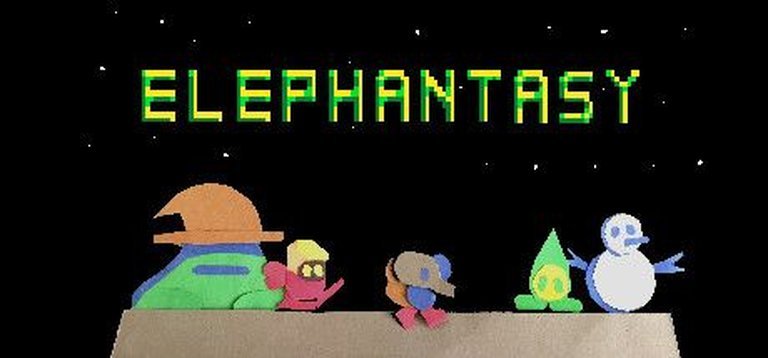
Elephantasy is a charming puzzle-platformer set in a miniature fantasy world, where you play as a tiny elephant stranded after falling from the sky. To return home, you must explore a vast, pixel-art world filled with over 350 unique rooms, collect 36 hidden Gems to raise your rank, and borrow magical items from Snorri the Wizard to overcome obstacles and solve puzzles. Along the way, you’ll encounter a colorful cast of characters, face optional boss battles, and uncover secrets across six distinct areas, all while navigating a blend of real-time challenges and brain-teasing puzzles.
Gameplay Videos
Where to Buy Elephantasy
PC
Elephantasy Patches & Updates
Elephantasy Guides & Walkthroughs
Elephantasy Reviews & Reception
store.steampowered.com (95/100): A triumphant return to form for the series.
steambase.io (95/100): Elephantasy has earned a Player Score of 95 / 100.
reddit.com : Recently finished Elephantasy: Flipside. I really liked it.
Elephantasy: A Tiny Masterpiece of Exploration and Whimsy
Introduction
In the vast, often overwhelming landscape of indie games, Elephantasy stands out as a quiet, unassuming gem—a game that doesn’t shout for attention but instead whispers, inviting players into a world of charm, curiosity, and clever design. Released in December 2020 by solo developer Benjamin Maksym (known as Linker), Elephantasy is a puzzle-platformer that blends the exploratory depth of a Metroidvania with the bite-sized brilliance of a classic adventure game. At its heart, it’s a game about discovery, not just of its world, but of the joy of play itself.
Elephantasy is a game that defies easy categorization. It’s a platformer, yes, but one that prioritizes puzzle-solving over twitch reflexes. It’s a Metroidvania, but its progression is less about gating and more about creativity—how you combine a small set of tools to overcome obstacles. It’s a game that feels both nostalgic and fresh, evoking the wonder of Fez or VVVVVV while carving out its own identity. And, perhaps most importantly, it’s a game that understands the power of restraint, offering a tightly designed experience that respects the player’s time and intelligence.
This review will delve deep into Elephantasy, examining its development, narrative, gameplay, world-building, and legacy. We’ll explore why it resonated with players, how it stands apart from its peers, and what it contributes to the broader conversation about game design. By the end, you’ll understand why Elephantasy isn’t just a good game—it’s a necessary one, a reminder of what makes indie games so special.
Development History & Context
The Solo Developer’s Vision
Elephantasy is the brainchild of Benjamin Maksym, a developer working under the moniker Linker. Like many indie creators, Maksym wore multiple hats during development—designer, programmer, artist, and writer—crafting the game almost entirely solo. This singular vision is evident in Elephantasy’s cohesive design, where every mechanic, every pixel, and every line of dialogue feels intentional.
Maksym’s previous work includes Polymute, another puzzle-platformer that shares Elephantasy’s emphasis on exploration and clever mechanics. However, Elephantasy feels like a refinement of those ideas, distilling them into a more focused, polished experience. The game was developed using GameMaker Studio 1.4.9, a tool known for its accessibility and flexibility, particularly for solo developers. Maksym’s choice of engine reflects a practical approach to game development, prioritizing efficiency without sacrificing creativity.
In a 2021 interview on itch.io, Maksym mentioned that he later transitioned to Godot for future projects, citing a desire to move away from YoYo Games’ tools. This shift underscores the challenges indie developers face with proprietary software, but it also highlights the resilience and adaptability of creators like Maksym, who continue to innovate despite industry hurdles.
The Gaming Landscape in 2020
Elephantasy launched on December 7, 2020, a year that was, in many ways, a turning point for indie games. The COVID-19 pandemic had led to a surge in gaming, with players seeking comfort, escapism, and connection in virtual worlds. Indie games, with their often shorter development cycles and unique voices, thrived in this environment. Titles like Hades, Spiritfarer, and Among Us dominated conversations, proving that smaller, more personal games could resonate just as deeply as AAA blockbusters.
Within the puzzle-platformer and Metroidvania genres, 2020 was a banner year. Games like Ori and the Will of the Wisps, Blasphemous, and A Short Hike showcased the diversity of the genre, from punishing combat to serene exploration. Elephantasy entered this crowded space with a distinct identity: it was smaller in scope than many of its peers, but deeper in design. Where other games relied on sprawling maps or complex combat systems, Elephantasy focused on tight, interconnected puzzles and a minimalist toolset that encouraged creativity.
Technological Constraints and Design Philosophy
One of the most striking aspects of Elephantasy is its restraint. The game features only four core items (Vine, Dash, Lift, and Swim), each granting a unique ability. Unlike traditional Metroidvanias, where players accumulate a vast arsenal of tools, Elephantasy challenges players to master a small set of mechanics and combine them in unexpected ways.
This design philosophy is a direct response to the technological and creative constraints of solo development. With limited resources, Maksym couldn’t afford to create dozens of abilities or a massive open world. Instead, he focused on depth over breadth, ensuring that every room, every puzzle, and every interaction felt meaningful. The result is a game that feels handcrafted, where every detail serves a purpose.
The game’s pixel-art aesthetic is another example of this intentional design. The visuals are simple but expressive, with a color palette that evokes warmth and wonder. The world of Elephantasy is miniature, a deliberate choice that reinforces the game’s themes of discovery and curiosity. The player character, a tiny elephant, navigates a world that feels both vast and intimate, a place where every corner holds a secret.
Narrative & Thematic Deep Dive
A Story of Homecoming
Elephantasy’s narrative is deceptively simple: you play as a tiny elephant who has fallen into a miniature world and must collect Gems to reach the Tower in the Sky and return home. There’s no grand, overarching plot—no kingdom to save, no villain to defeat. Instead, the story is personal, focusing on the elephant’s journey of self-discovery and the relationships they form along the way.
The game’s opening sets the tone perfectly:
“It’s said that somewhere, hidden from all but the most determined explorers, there is a miniature world where one may go to escape the worries of life. After falling from the sky, you’ve found yourself in that very same miniature world. But now that you’re there, can you ever return home again?”
This premise is whimsical yet melancholic, capturing the bittersweet nature of exploration. The miniature world is a place of wonder, but it’s also a place of isolation—the elephant is far from home, and the journey back is uncertain.
Characters and Dialogue
The world of Elephantasy is populated by a colorful cast of NPCs, each with their own quirks and personalities. Snorri the Wizard, the game’s central figure, serves as both a guide and a shopkeeper, offering items and hints to the player. His dialogue is playful and cryptic, encouraging players to think critically about their surroundings.
Other characters include:
– The Moles: Shy creatures that appear only under specific conditions, rewarding patience and observation.
– The Factory Workers: A group of NPCs who provide hints about the game’s mechanics and secrets.
– The Bosses: Three optional bosses (the Mimic Chest, the Dragon, and the Ice Master) who guard valuable Gems. Each boss encounter is a puzzle in itself, requiring players to deduce the correct approach rather than relying on brute force.
The dialogue in Elephantasy is minimalist but effective. There are no lengthy cutscenes or exposition dumps—instead, the story is told through environmental details, item descriptions, and NPC interactions. This approach reinforces the game’s focus on player agency, allowing players to piece together the world’s lore at their own pace.
Themes of Exploration and Curiosity
At its core, Elephantasy is a game about the joy of discovery. The miniature world is designed to reward curiosity, with secrets hidden in every corner. The game’s nonlinear structure encourages players to explore at their own pace, revisiting areas with new tools to uncover hidden paths.
One of the most brilliant aspects of Elephantasy is its map system. The game features a 3D voxel map that gives players a bird’s-eye view of the world, reinforcing the sense of scale and interconnectedness. This map isn’t just a tool—it’s a narrative device, helping players understand the world’s layout and their place within it.
The game also explores themes of persistence and adaptability. The elephant’s journey is filled with obstacles, but each challenge is an opportunity to learn and grow. The Rank system, which allows players to carry more items as they collect Gems, is a metaphor for this growth—each new ability expands the player’s horizons, both literally and figuratively.
Gameplay Mechanics & Systems
Core Gameplay Loop
Elephantasy’s gameplay revolves around exploration, puzzle-solving, and item management. The player begins with no abilities, gradually unlocking tools by collecting Gems and increasing their Rank. The game’s progression is gated not by combat or skill checks, but by creativity—players must experiment with their tools to overcome obstacles.
The four core items are:
1. Vine: Allows the player to grow vines to reach high places.
2. Dash: Grants a quick burst of speed to cross gaps.
3. Lift: Enables the player to pick up and carry heavy objects.
4. Swim: Lets the player dive underwater and navigate aquatic environments.
What makes Elephantasy’s item system so compelling is its modularity. Players start by carrying only one item at a time, but as they collect Gems, they can carry up to four items simultaneously. This mechanic encourages strategic thinking—players must decide which tools to bring on their journey, knowing that they may need to backtrack to swap items for different challenges.
Puzzle Design and Environmental Interaction
The puzzles in Elephantasy are elegant and intuitive, relying on a deep understanding of the game’s mechanics. Unlike many puzzle games, which often feel arbitrary or overly complex, Elephantasy’s challenges are logical and fair. The game teaches players its rules through environmental storytelling, allowing them to deduce solutions through observation and experimentation.
For example:
– Vine Puzzles: Players must grow vines to reach high ledges, but the vines can also be used to create platforms or block enemies.
– Dash Puzzles: The Dash ability isn’t just for crossing gaps—it can also be used to activate switches or dodge hazards.
– Lift Puzzles: The Lift ability allows players to carry objects, but it also enables physics-based solutions, such as dropping heavy objects on enemies or using them as stepping stones.
– Swim Puzzles: Underwater sections require players to navigate current-based mechanics, using the Swim ability to dive deeper or surface quickly.
The game’s room-based design ensures that each puzzle is self-contained, but the world is interconnected, allowing for multiple paths and solutions. This design philosophy rewards lateral thinking, encouraging players to approach challenges from different angles.
Combat and Boss Encounters
Elephantasy is not a combat-heavy game—in fact, there are no traditional enemies outside of the boss encounters. This design choice is refreshing, as it allows the game to focus on exploration and puzzle-solving without the distraction of constant combat.
The four boss encounters (one mandatory, three optional) are puzzle battles rather than traditional fights. Each boss has a unique mechanic that players must deduce:
– The Mimic Chest: A deceptive boss that requires players to bounce it on their head to damage it.
– The Dragon: A flying boss that must be stunned by dropping objects on its head.
– The Ice Master: A multi-phase boss that tests the player’s reflexes and item management.
These encounters are challenging but fair, reinforcing the game’s emphasis on observation and adaptability. They also serve as optional challenges, rewarding players who seek them out with rare Gems and secrets.
UI and Quality-of-Life Features
Elephantasy’s UI is minimalist and functional, prioritizing clarity and ease of use. The inventory system is straightforward, allowing players to swap items with a single button press. The map system is equally intuitive, with a toggleable 3D view that helps players navigate the world.
One of the game’s most praised features is its game speed settings, which allow players to adjust the game’s pace to their preference. This feature is particularly useful for exploration-heavy sections, where backtracking can feel tedious at the default speed. The ability to speed up or slow down the game ensures that players can tailor the experience to their playstyle.
World-Building, Art & Sound
A Miniature World of Wonder
Elephantasy’s world is a feast for the senses, blending pixel-art visuals with a voxel-based map to create a sense of depth and scale. The game’s six distinct areas each have their own visual and thematic identity, from lush forests to icy caverns.
The art direction is charming and expressive, with a color palette that evokes warmth and nostalgia. The game’s miniature aesthetic reinforces its themes of discovery, making the player feel like an explorer in a tiny, self-contained universe.
Sound Design and Music
The game’s sound design is subtle but effective, with ambient noises that enhance the sense of immersion. The music, composed by Maksym himself, is minimalist and atmospheric, complementing the game’s whimsical tone.
One of the most clever aspects of the sound design is the radio mechanic. Early in the game, players find a broken radio, which they must repair to unlock the game’s soundtrack. This meta-narrative device reinforces the game’s themes of discovery and reward, making the act of unlocking music feel like a meaningful achievement.
Reception & Legacy
Critical and Commercial Reception
Elephantasy was released to positive reviews, with players praising its clever puzzles, charming world, and respect for the player’s time. On Steam, the game holds a 95% positive rating, with many players highlighting its accessibility and depth.
Critics and players alike appreciated the game’s restraint, noting that its small scope allowed for a tight, polished experience. The game’s nonlinear design and multiple endings also received praise, as they encouraged replayability and experimentation.
Influence and Legacy
While Elephantasy may not have the mainstream recognition of larger indie titles, its influence can be seen in the growing trend of minimalist, exploration-focused games. Titles like A Short Hike and Tunic share Elephantasy’s emphasis on discovery and player agency, proving that there’s a hunger for games that prioritize curiosity over combat.
The game’s success also paved the way for its sequel, Elephantasy: Flipside, released in 2023. Flipside expands on the original’s mechanics, introducing isometric 3D gameplay and new puzzle elements. The sequel’s existence is a testament to Elephantasy’s enduring appeal, proving that there’s still room for small, thoughtful games in an industry dominated by spectacle.
Conclusion: A Game That Understands the Joy of Play
Elephantasy is more than just a puzzle-platformer—it’s a love letter to exploration, a game that understands the joy of discovery and the satisfaction of mastery. In an era where games often prioritize scale and spectacle, Elephantasy stands out for its restraint, elegance, and respect for the player.
Its tight design, clever puzzles, and charming world make it a must-play for fans of Metroidvanias, puzzle games, and anyone who appreciates thoughtful, handcrafted experiences. It’s a game that rewards curiosity, challenges creativity, and celebrates the act of play itself.
In the grand tapestry of video game history, Elephantasy may not be the most technically impressive or commercially successful title, but it’s one of the most important. It’s a reminder that games don’t need to be big to be meaningful—they just need to be made with care, intelligence, and heart.
Final Verdict: 9/10 – A Masterclass in Minimalist Design
Elephantasy is a tiny masterpiece, a game that proves that less can indeed be more. If you’re a fan of exploration, puzzles, or simply great game design, do yourself a favor and fall into its miniature world. You won’t just find Gems—you’ll find something far more valuable: the joy of play itself.