
- Release Year: 2015
- Platforms: Windows
- Publisher: Milestone s.r.l.
- Developer: Crian Soft S.A.
- Genre: Action
- Perspective: Side view
- Game Mode: Single-player
- Gameplay: Arcade, Fighting, RPG elements
- Setting: Martial arts
- Average Score: 72/100
Description
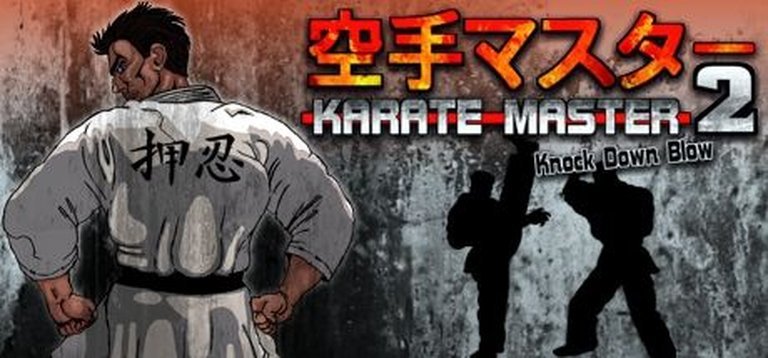
Karate Master 2: Knock Down Blow is a retro-style fighting game set in the 1980s that blends arcade action, RPG elements, and simulation mechanics. Players step into the role of Ken, a newly minted black belt in karate, as he trains, fights, and works to earn money and reputation with the ultimate goal of opening his own dojo. The game features brutal no-holds-barred tournaments, a mix of martial arts styles, and a deliberately nostalgic aesthetic inspired by the 1990s beat ’em up genre.
Gameplay Videos
Where to Buy Karate Master 2: Knock Down Blow
PC
Karate Master 2: Knock Down Blow Patches & Updates
Karate Master 2: Knock Down Blow Guides & Walkthroughs
Karate Master 2: Knock Down Blow Reviews & Reception
metacritic.com (50/100): No Arcade mode, no Survival, and you can’t even fight with a friend on the same screen, like it was in the original Karate Master… All you can do here is learn all the special moves, complete your training, defeat all the masters and forget about this game forever.
howlongtobeat.com (70/100): The actual fighting was dope af but i just kept getting my ass beat down in the beginning. And the grind to get the money was a pain in the rear.
niklasnotes.com (85/100): Overall, players appreciate the unique gameplay mechanics and nostalgic elements of Karate Master 2 Knock Down Blow, while expressing concerns about translation errors and controller support.
store.steampowered.com (86/100): Karate Master 2 Knock Down Blow is a fighting game that mixes elements of RPG, simulation and arcade, in an explosive combination to relieve the Beat’em up genre!
Karate Master 2: Knock Down Blow – A Love Letter to Retro Martial Arts Gaming
Introduction: The Resurgence of a Forgotten Art
In an era dominated by hyper-stylized fighting games like Street Fighter V and Mortal Kombat 11, Karate Master 2: Knock Down Blow (2015) emerges as a defiant throwback—a game that rejects flashy super moves and over-the-top combos in favor of raw, grounded martial arts combat. Developed by the obscure Italian studio Crian Soft and published by Milestone S.r.l, this indie title is a love letter to the golden age of arcade brawlers and karate simulators, blending RPG progression, simulation mechanics, and brutal hand-to-hand combat into a uniquely nostalgic experience.
At its core, Karate Master 2 is a lifestyle simulator disguised as a fighting game. You play as Ken, a freshly minted black belt with dreams of opening his own dojo. To achieve this, you must train relentlessly, work menial jobs (like operating a forklift), and climb the ranks of underground karate tournaments—all while managing injuries, reputation, and finances. It’s Rocky meets Street Fighter, with a dash of Punch-Out!!’s training montages.
But does this niche title succeed in reviving the spirit of classic karate games, or does it stumble under the weight of its own ambition? This review will dissect Karate Master 2’s development history, narrative depth, combat mechanics, world-building, and legacy, ultimately determining whether it deserves a place in the pantheon of great martial arts games.
Development History & Context: A Passion Project Born from Obscurity
The Studio Behind the Game: Crian Soft’s Niche Vision
Crian Soft, a small Italian developer with a modest portfolio, is not a household name in gaming. Their previous works—such as Truck Racer and Super Trucks Offroad—suggest a focus on simulation and arcade-style gameplay, but Karate Master 2 represents a bold departure. The game was clearly a passion project, drawing inspiration from 1980s karate films, classic arcade brawlers, and obscure martial arts simulators like Budokan: The Martial Spirit (1989) and International Karate+ (1987).
The original Karate Master (released on Desura in 2013) was a rough but promising prototype. Knock Down Blow refines that foundation, expanding the RPG and simulation elements while maintaining the series’ no-frills, realistic approach to karate. The developers explicitly rejected fantastical elements—no fireballs, no teleporting kicks, just brutal, bone-breaking strikes—a philosophy that resonates with purists but may alienate fans of modern fighters.
Technological Constraints & Retro Aesthetics
Released in March 2015, Karate Master 2 was built with modest system requirements (Windows XP compatibility, 1GB RAM, DirectX 9.0), ensuring it could run on low-end PCs. This was a deliberate choice—the game’s pixel-art visuals and chiptune-inspired soundtrack are a deliberate homage to 16-bit and 32-bit era fighters, evoking the SNK and Capcom classics of the 1990s.
The side-scrolling perspective and limited animation frames might feel dated to some, but they serve a purpose: every punch, kick, and block feels weighty and deliberate, reinforcing the game’s realistic combat philosophy. The developers prioritized gameplay depth over graphical fidelity, a rare approach in an industry increasingly obsessed with photorealism.
The Gaming Landscape in 2015: A Niche Among Giants
2015 was a pivotal year for fighting games:
– Mortal Kombat X (April 2015) dominated with its cinematic brutality.
– Street Fighter V (February 2016) was on the horizon, promising eSports dominance.
– Indie fighters like Rivals of Aether and Pocket Rumble were carving out retro-inspired niches.
Karate Master 2 arrived as an underdog, lacking the marketing muscle of AAA titles. Yet, it found an audience among retro enthusiasts and martial arts purists who craved something different—a game that simulated the grind of a karateka’s life, not just the fights.
Narrative & Thematic Deep Dive: The Path of the Warrior
Plot Overview: From Forklift Driver to Dojo Master
The story is simple but effective:
– You play as Ken, a blue-collar worker (yes, you start as a forklift operator) who has just earned his black belt.
– Your sensei (whose broken English dialogue is hilariously translated) encourages you to “beat people up”—because, apparently, that’s the path to mastery.
– To open your own dojo, you must:
– Train (breaking bricks, meditating under waterfalls, sparring).
– Work (forklift shifts, odd jobs) to earn money for tournament entry fees.
– Fight in underground circuits, defeating rivals from Muay Thai, Taekwondo, and Pro Wrestling schools.
– Build reputation to unlock higher-tier tournaments.
The narrative is minimalist, but the progression system tells a story of its own—every bruise, every hospital visit, every hard-earned yen reinforces the struggle of a martial artist’s journey.
Characters & Dialogue: Charmingly Broken, Intentionally Cheesy
The game’s writing is… rough. The English translation is riddled with errors (“strenght” instead of “strength,” nonsensical sensei advice), but this adds to the charm rather than detracts from it. The dialogue feels like it was run through a 1990s fan translation, evoking the bootleg martial arts games of yesteryear.
Key characters include:
– Ken – The everyman protagonist, whose journey from warehouse worker to karate legend is oddly relatable.
– The Sensei – A stereotypical wise-but-cryptic mentor, whose advice ranges from profound to absurd.
– Rival Fighters – Each represents a different martial arts discipline, from Muay Thai knee-strikers to sumo wrestlers.
The game doesn’t take itself too seriously, and that’s part of its appeal. It’s self-aware of its B-movie roots, embracing the cheese of 80s karate flicks like Bloodsport and The Karate Kid.
Themes: Discipline, Sacrifice, and the Price of Mastery
Beneath the retro aesthetics and clunky translations, Karate Master 2 explores deeper themes:
1. The Grind of Mastery – Success isn’t handed to you; you earn it through repetition, failure, and perseverance.
2. The Cost of Violence – Unlike Mortal Kombat’s over-the-top gore, Karate Master 2’s injuries feel real. Broken ribs, sprained ankles, and hospital visits remind players that fighting has consequences.
3. The Business of Martial Arts – Opening a dojo isn’t just about skill; it’s about reputation, money, and politics.
4. Respect for Tradition – The game rejects superpowers and flashy combos, instead celebrating real karate techniques (even if some liberties are taken for gameplay).
Gameplay Mechanics & Systems: The Soul of a Fighter
Core Combat: A Chess Match of Limbs
Karate Master 2’s combat is deceptively simple but deeply strategic.
Controls & Movement
- Four buttons (A, B, C, D) correspond to left hand, right hand, left foot, right foot.
- Directional inputs modify attacks (e.g., forward + kick = roundhouse, down + punch = uppercut).
- Blocking is manual (A+B for high block, C+D for low block, neutral for mid-block).
- No super moves, no combos—just raw, reactive striking.
This minimalist approach forces players to think like a real fighter:
– Distance management is crucial—get too close, and you’ll eat a knee.
– Reading opponents is key—do they favor high strikes or low sweeps?
– Stamina and injury mechanics add risk vs. reward—throwing a powerful kick might leave you vulnerable to a counter.
Fighting Styles & Rulesets
The game features multiple tournament types, each with different rules:
– Kumite (No Face Punches) – A traditional karate ruleset where head strikes are illegal (though the game glitches and allows them anyway).
– Bogu Kumite (Full Contact) – Helmets and padding, allowing full-power strikes.
– No-Holds-Barred – Anything goes, including grappling and dirty tactics.
Each ruleset forces players to adapt, making versatility more important than spamming one move.
Progression & Training: The Road to Mastery
Between fights, players train in mini-games to improve strength, speed, endurance, and technique.
Training Mini-Games
- Brick Breaking – Timed button presses to smash stacks of bricks.
- Focus Mitts – Rhythm-based striking to improve accuracy.
- Waterfall Meditation – A nod to classic kung fu films, where you endure freezing water to build mental fortitude.
- Sparring – AI-controlled practice fights to refine techniques.
These mini-games are simple but addictive, offering tangible progression while breaking up the monotony of tournament grinding.
RPG Elements: Stats, Money, and Reputation
- Attribute Points (earned from fights) can be allocated to strength, speed, or stamina.
- Money is earned through jobs (forklift driving) and tournaments, used for entry fees, training, and medical bills.
- Reputation unlocks higher-tier opponents and special events (like fighting a bear—yes, really).
The economy of progression is brutal but fair—you can’t just fight your way to the top; you must balance work, training, and combat.
Flaws & Missed Opportunities
While the combat is deep and rewarding, the game has notable shortcomings:
1. Translation Issues – The broken English is charming but confusing at times.
2. Repetitive Grind – Forklift shifts and training montages can feel tedious after a while.
3. Limited Opponent Variety – Some fighters reuse animations and strategies.
4. No Multiplayer – A missed opportunity for local vs. mode (a staple of classic fighters).
5. Technical Bugs – Some players report achievement glitches and controller issues.
Despite these flaws, the core gameplay loop remains engaging for those who embrace the grind.
World-Building, Art & Sound: A Retro Masterpiece
Visual Design: Pixel-Perfect Nostalgia
Karate Master 2’s art style is a deliberate throwback to 16-bit and 32-bit fighters, with:
– Large, detailed sprites that evoke Street Fighter II and Fatal Fury.
– Hand-drawn animations that make each strike feel impactful.
– Vibrant, arcade-like colors that pop against minimalist backgrounds.
The retro aesthetic isn’t just style for style’s sake—it enhances gameplay by making attacks and blocks clearly visible, a rare design choice in modern fighters that often prioritize flash over function.
Soundtrack & Audio: A Love Letter to the 90s
The chiptune and synth-heavy soundtrack is instantly nostalgic, blending:
– Japanese-inspired melodies (reminiscent of Street Fighter II’s Ryu’s theme).
– Pulsing arcade beats that heighten the intensity of fights.
– Crunchy sound effects—bones cracking, flesh impacting, and grunts of exertion—that sell the brutality.
The audio design complements the visuals perfectly, creating an immersive, retro atmosphere that feels authentic rather than cheaply nostalgic.
Atmosphere & Immersion: Living the Karateka Life
The game doesn’t just let you fight—it makes you live the life of a martial artist:
– Working a day job to fund your training.
– Enduring injuries and recovering in hospital.
– Training under waterfalls like a shonen anime protagonist.
– Climbing the ranks from unknown brawler to legendary master.
This simulation layer is what sets Karate Master 2 apart from traditional fighters—it’s not just about winning matches, but about the journey.
Reception & Legacy: A Cult Classic in the Making?
Critical & Commercial Reception
Karate Master 2 flew under the radar at launch, but Steam reviews tell a different story:
– 86% Positive (690 reviews).
– Praised for its unique blend of RPG, simulation, and fighting.
– Criticized for repetitive grinding, translation errors, and lack of multiplayer.
Metacritic lists it as “Mixed or Average” (7.4/10), but user reviews are overwhelmingly positive, with many calling it a “hidden gem” for retro fighting fans.
Influence & Legacy
While Karate Master 2 didn’t spawn a major franchise, its design philosophy has inspired indie developers to explore:
– Realistic, grounded combat (e.g., Sifu’s brutal martial arts).
– RPG progression in fighters (e.g., Absolver’s skill-based combat).
– Retro revival fighters (e.g., Pocket Rumble, Fight of Animals).
The game’s cult following continues to grow, with Steam discussions still active years after release, and fans clamoring for a sequel.
The Future: Will There Be a Karate Master 3?
As of 2025, Crian Soft has moved on to other projects, but fan demand persists. A Steam discussion thread from 2025 asks:
“Any chance for Karate Master 3?”
Given the game’s niche appeal and dedicated fanbase, a sequel or spiritual successor isn’t out of the question—especially if a larger publisher (like Arc System Works or SNK) took notice.
Conclusion: A Flawed but Essential Experience
Karate Master 2: Knock Down Blow is not a perfect game, but it is a necessary one.
The Good:
✅ Deep, strategic combat that rewards skill over button-mashing.
✅ Authentic karate simulation with realistic injuries and training.
✅ Charming retro aesthetics that feel intentional, not lazy.
✅ A unique blend of RPG, simulation, and fighting that no other game replicates.
The Bad:
❌ Repetitive grinding (forklift shifts get old fast).
❌ Broken English and translation errors.
❌ No multiplayer (a huge missed opportunity).
❌ Some technical bugs (achievement glitches, controller issues).
Final Verdict: 8/10 – A Must-Play for Martial Arts Purists
Karate Master 2 is not for everyone. If you’re looking for flashy combos, eSports-ready netcode, or a deep narrative, this isn’t your game.
But if you crave a fighting game that feels real—one that respects the discipline of martial arts while delivering satisfying, skill-based combat—then Karate Master 2 is an essential experience.
It’s a love letter to the golden age of karate games, a testament to the beauty of simplicity, and a reminder that sometimes, the most rewarding games are the ones that make you earn every victory.
For fans of: Street Fighter II, Fatal Fury, Budokan, International Karate+, Sifu
Final Score: 8/10 – “A flawed but brilliant homage to retro martial arts gaming.”
Would I recommend it? Absolutely—but only to those who appreciate the grind.
Will it get a sequel? Unlikely, but the fanbase deserves one.
Does it hold up in 2025? Surprisingly, yes.
Karate Master 2: Knock Down Blow is more than just a game—it’s a time capsule, a challenge, and a celebration of what fighting games used to be. And in an era of over-the-top spectacle, that’s something worth fighting for. 🥋💥