
- Release Year: 2016
- Platforms: Windows
- Genre: Action
- Perspective: Side view
- Game Mode: Single-player
- Gameplay: Platform
- Setting: Futuristic, Sci-fi
- Average Score: 80/100
Description
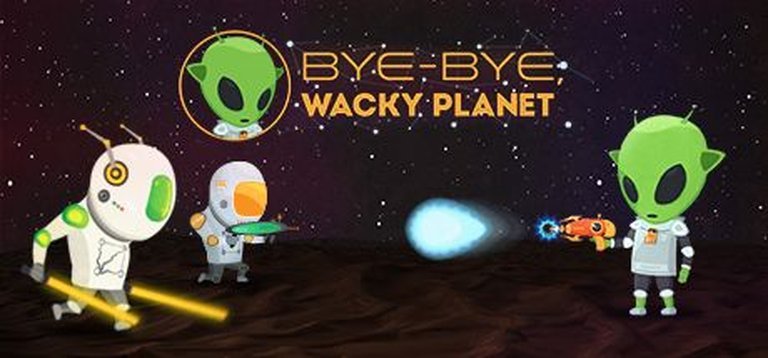
Bye-Bye, Wacky Planet is a 2D side-scrolling action-platformer set in a vibrant sci-fi world. Players take on the roles of Alan and Eve, two charming aliens captured by sinister scientists on Earth, and must guide them through dynamic, retro-inspired levels filled with enemies, alien weaponry, and epic boss battles. With direct control mechanics, including jumps, dashes, and blaster attacks, the game offers nostalgic gameplay reminiscent of classic titles, complete with full gamepad support and two distinct playable characters, each with unique abilities.
Gameplay Videos
Bye-Bye, Wacky Planet Patches & Updates
Bye-Bye, Wacky Planet Guides & Walkthroughs
Bye-Bye, Wacky Planet Reviews & Reception
steamcommunity.com : Bye-Bye, Wacky Planet is a casual early access 2D shoot em up game developed by Rasul Mono and published by Efimov Max.
mobygames.com (80/100): Dynamic and colorful action inspired by the old school video games.
completionist.me (80/100): 76.73 Game Rating
Bye-Bye, Wacky Planet: A Retro Revival with Heart and Humor
Introduction
In an era dominated by hyper-realistic graphics and sprawling open worlds, Bye-Bye, Wacky Planet (2016) emerges as a charming throwback to the golden age of 2D platformers. Developed by Rasul Mono and published by Efimov Max, this indie gem is a love letter to the classics, blending fast-paced action, quirky humor, and a vibrant aesthetic. While it may not have garnered widespread acclaim, its niche appeal and retro sensibilities make it a noteworthy entry in the modern indie landscape. This review delves deep into the game’s development, narrative, mechanics, and legacy, exploring why it stands out despite its modest reception.
Development History & Context
The Studio and Vision
Bye-Bye, Wacky Planet is the brainchild of Rasul Mono, a developer known for their passion for retro-inspired games. The studio’s portfolio includes titles like UltraGoodness and The Guise, all of which share a similar aesthetic and gameplay philosophy. Rasul Mono’s vision for Bye-Bye, Wacky Planet was clear: to recreate the magic of 16-bit era platformers while infusing modern polish and accessibility. The game’s Steam description emphasizes its roots in “old school video games,” promising “dynamic and colorful action” reminiscent of classics like Contra and Metal Slug.
Technological Constraints and Design Choices
Released in 2016, Bye-Bye, Wacky Planet leveraged modern tools to emulate retro gameplay. The game’s 2D side-scrolling perspective and pixel-art visuals were a deliberate choice, aiming to evoke nostalgia while ensuring smooth performance on contemporary hardware. However, early reviews noted performance issues, particularly frame rate drops during intense combat sequences. This highlights the challenges of balancing retro aesthetics with modern expectations for fluid gameplay.
The Gaming Landscape of 2016
The mid-2010s saw a resurgence of indie platformers, with titles like Shovel Knight and Celeste redefining the genre. Bye-Bye, Wacky Planet entered this crowded space, competing for attention alongside critically acclaimed hits. Its modest marketing and lack of major publisher backing likely contributed to its under-the-radar status. Yet, its presence on Steam and inclusion in bundles ensured it found an audience among retro enthusiasts.
Narrative & Thematic Deep Dive
Plot and Characters
The game’s premise is simple yet effective: players control Alan and Eve, two adorable aliens captured by Earth’s scientists. Their goal? Escape the wacky planet and return home. The narrative unfolds through lighthearted dialogue and environmental storytelling, with Eve serving as Alan’s guide and occasional comic relief. The game’s humor is playful, leaning into the absurdity of its sci-fi setting.
Themes and Tone
Bye-Bye, Wacky Planet embraces themes of freedom, perseverance, and the absurdity of human (or alien) bureaucracy. The scientists are portrayed as bumbling antagonists, more comedic than menacing, which keeps the tone lighthearted. The game’s title itself—Bye-Bye, Wacky Planet—hints at its irreverent spirit, framing Earth as a chaotic, almost surreal obstacle course for our alien protagonists.
Dialogue and Localization
While the dialogue is charming, early reviews noted grammatical inconsistencies, likely due to translation challenges. The game supports multiple languages, including English, Russian, and Italian, but the localization process appears to have been rushed. This doesn’t detract from the overall experience but highlights the limitations of indie development.
Gameplay Mechanics & Systems
Core Gameplay Loop
At its heart, Bye-Bye, Wacky Planet is a run-and-gun platformer. Players navigate through levels filled with enemies, traps, and environmental hazards, using a mix of jumping, dashing, and shooting. The controls are tight and responsive, a necessity for the genre, though some players reported minor input lag during intense sequences.
Combat and Progression
The game features a robust upgrade system, allowing players to enhance Alan’s abilities and weapons. Currency collected from defeated enemies can be spent on upgrades, adding a layer of strategy to the otherwise straightforward gameplay. The variety of weapons—from blasters to shotguns—ensures combat remains engaging, though some weapons feel underpowered compared to others.
Boss Fights and Level Design
Boss encounters are a highlight, offering challenging but fair battles that test the player’s mastery of the game’s mechanics. Levels are diverse, ranging from laboratory settings to outdoor environments, each with unique hazards and enemy types. The game’s difficulty curve is well-paced, though some later levels can feel punishing without the right upgrades.
Technical Performance
Early reviews criticized the game’s performance, particularly frame rate drops during chaotic moments. However, post-launch patches addressed many of these issues, demonstrating the developer’s commitment to improvement. The lack of visual options at launch was another oversight, though later updates introduced basic settings.
World-Building, Art & Sound
Visual Design
The game’s art style is its strongest asset. The pixel-art visuals are vibrant and detailed, evoking the aesthetic of 16-bit classics while adding modern flourishes. Character designs are expressive, and the environments are rich with color and personality. The game’s “wacky” tone is reinforced through its visuals, from the exaggerated enemy designs to the surreal level layouts.
Sound and Music
The soundtrack is energetic and fitting, though limited in variety. The electronic tunes complement the fast-paced action, though some tracks repeat frequently. Sound effects are crisp and satisfying, particularly the weapon sounds, which add weight to the combat.
Atmosphere and Immersion
The game’s atmosphere is a mix of nostalgia and whimsy. The sci-fi setting is playful rather than grim, and the humor keeps the tone light. The combination of visuals, sound, and level design creates a cohesive world that feels both familiar and fresh.
Reception & Legacy
Critical and Commercial Reception
Bye-Bye, Wacky Planet received mixed but generally positive reviews from players. On Steam, it holds a “Very Positive” rating, with players praising its charm, gameplay, and retro appeal. However, its lack of mainstream coverage meant it remained a niche title. The game’s modest price point ($4.99 at launch) and inclusion in bundles helped it find an audience, though it never achieved breakout success.
Influence and Legacy
While not a genre-defining title, Bye-Bye, Wacky Planet contributes to the ongoing revival of retro-inspired platformers. Its success demonstrates the enduring appeal of 2D action games, particularly when paired with modern polish and accessibility. The game’s post-launch support, including patches and updates, also sets a positive example for indie developers.
Conclusion
Bye-Bye, Wacky Planet is a delightful throwback that succeeds in capturing the spirit of classic platformers while adding its own unique flair. Its charming visuals, tight gameplay, and humorous narrative make it a standout indie title, even if it lacks the polish of bigger-budget releases. For fans of retro games, it’s a must-play, offering a nostalgic yet fresh experience. While it may not have left a lasting mark on the industry, its legacy lies in its ability to evoke the joy of gaming’s past while embracing the possibilities of the present.
Final Verdict: 8/10 – A retro revival with heart, humor, and plenty of charm.