
- Release Year: 2013
- Platforms: Android, iPad, iPhone, Windows
- Publisher: YOX-Project
- Developer: Arai Koh Create Office
- Genre: Adventure, Horror, Visual novel
- Perspective: 1st-person
- Game Mode: Single-player
- Gameplay: Menu structures, Visual novel
- Setting: Anime, Manga
- Average Score: 82/100
Description
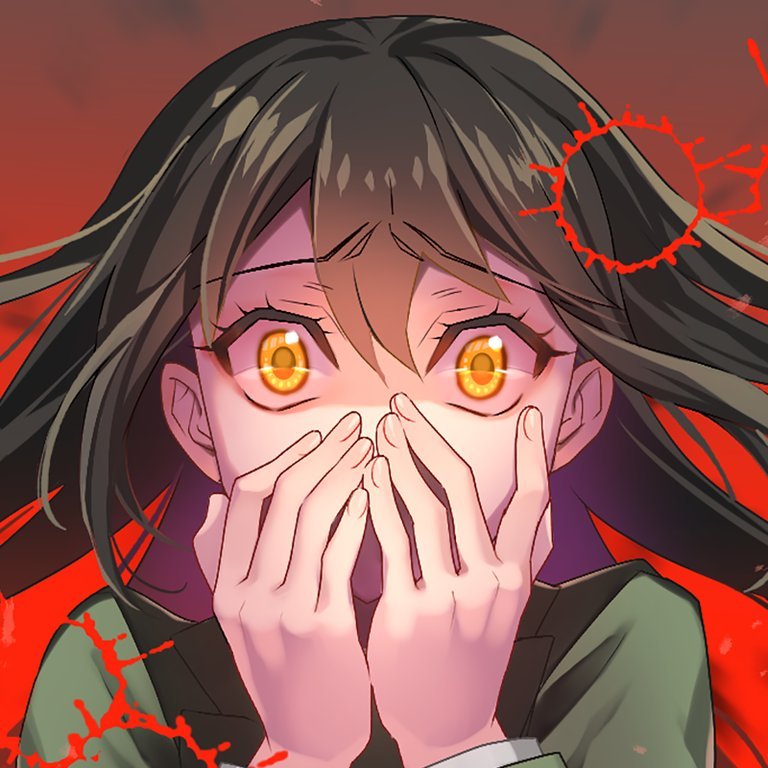
Bad End is a horror-themed visual novel adventure game where players experience a first-person narrative filled with dark, intertwining storylines. Set in a world where choices lead to grim consequences, the game follows characters navigating through unsettling scenarios, blending anime/manga art styles with a menu-driven interface to deliver a chilling, choice-driven experience.
Where to Buy Bad End
PC
Bad End Free Download
Bad End Patches & Updates
Bad End Guides & Walkthroughs
Bad End Reviews & Reception
steambase.io (84/100): BAD END has earned a Player Score of 84 / 100.
guardianacorn.com : BAD END is far from a horror masterpiece, but it is entertaining if you are a fan of the creepypastas.
336gamereviews.com (80/100): Bad End is a game whose story can compete with other games of the genre worth many times its price and is one you should definitely experience.
Bad End: A Haunting Exploration of Horror and Choice in Visual Novel Form
Introduction: The Game That Plays You
Bad End (2013) is a psychological horror visual novel that blurs the line between fiction and reality, leaving players questioning not just the game’s narrative, but their own agency within it. Developed by Arai Koh Create Office and published by YOX-Project, this obscure yet fascinating title is a meta-commentary on the horror genre, the nature of choice, and the consequences of curiosity. While it lacks the polish or recognition of contemporaries like Doki Doki Literature Club! or Corpse Party, Bad End carves its own niche as a chilling, if flawed, experiment in interactive storytelling.
At its core, Bad End is a game about a game—a cursed mobile app that allegedly kills its players in real life. The protagonist, Kyuuhei Inui, investigates the mysterious death of his best friend, Yuuji, who was playing Bad End before his demise. The premise is simple yet effective: a high school student confronts an urban legend, only to find that the legend is all too real. What follows is a descent into psychological terror, where the boundaries between the game world and reality dissolve, and every choice could be the player’s last.
This review will dissect Bad End’s narrative structure, gameplay mechanics, and atmospheric design, while also examining its place in the broader landscape of horror visual novels. Though it may not be a masterpiece, Bad End is a compelling artifact of its time—a game that understands the power of fear, even if it doesn’t always wield it perfectly.
Development History & Context: A Cursed Game in a Crowded Market
Bad End emerged during a period of resurgence for horror visual novels, particularly in the mobile and indie spaces. Released in December 2013 for iPhone (with subsequent ports to iPad, Android, and Windows in 2014 and 2015), the game was developed by Arai Koh Create Office, a small Japanese studio with a focus on narrative-driven experiences. The studio’s previous work is relatively unknown outside of Japan, but Bad End stands as one of their most ambitious projects—a self-aware horror story that plays with the tropes of the genre while attempting to subvert them.
The game’s development was likely constrained by the technological limitations of early 2010s mobile hardware. Unlike modern visual novels with fluid animations and voice acting, Bad End relies on static images, text, and a minimalist soundtrack to convey its horror. This stripped-down approach, however, works in its favor, as the game’s simplicity amplifies its eerie atmosphere. The lack of voice acting, for instance, forces players to fill in the gaps with their own imaginations, making the horror feel more personal and unsettling.
Bad End also arrived at a time when the visual novel genre was expanding beyond its niche audience. Games like 999: Nine Hours, Nine Persons, Nine Doors (2009) and Corpse Party (2012) had already demonstrated the potential of horror in interactive storytelling, and Bad End sought to capitalize on this trend. However, unlike those titles, which leaned into intricate puzzles or survival horror mechanics, Bad End is a more straightforward experience—one that prioritizes psychological dread over jump scares or complex gameplay.
The game’s premise—a cursed game that kills its players—is not entirely original. It draws inspiration from Japanese urban legends like The Ring and Ju-On, as well as earlier horror visual novels like Yume Nikki (2004) and Ib (2012). What sets Bad End apart, however, is its meta-narrative structure. The game is aware of its own existence as a piece of software, and it uses this self-awareness to unsettle the player. The protagonist isn’t just playing a game; he’s playing this game, and the fourth wall is constantly threatened.
Narrative & Thematic Deep Dive: The Horror of Helplessness
Bad End’s story is deceptively simple. Kyuuhei Inui, a high school student, learns that his best friend, Yuuji, has died under mysterious circumstances after playing a mobile game called Bad End. Skeptical but determined to uncover the truth, Kyuuhei downloads the game himself, only to find that it’s far more sinister than he imagined. The game within the game follows two girls, Kouko Iwasaki and Kana Mihashi, who are stalked by a shadowy figure. As Kyuuhei progresses, he begins to experience strange phenomena in his own life, blurring the line between the game and reality.
The narrative unfolds through a series of choices, each leading to different endings—some tragic, some ambiguous, and one (theoretically) “true.” The game’s structure is reminiscent of classic survival horror visual novels, where the player must navigate a web of decisions to uncover the full story. However, Bad End distinguishes itself through its meta-commentary. The game frequently breaks the fourth wall, addressing the player directly and implying that their choices have real-world consequences. This is most evident in the game’s multiple “bad ends,” where Kyuuhei (and, by extension, the player) meets a gruesome fate. The game doesn’t just punish failure; it weaponizes it, making the player complicit in Kyuuhei’s suffering.
Themes: Fear, Fate, and the Illusion of Choice
Bad End explores several interconnected themes, chief among them the nature of fear and the illusion of control. The game’s title itself is a double entendre: it refers both to the narrative’s tragic conclusions and the player’s inability to escape them. No matter how carefully one navigates the choices, the game seems designed to lead the player toward failure. This creates a sense of helplessness that is central to the horror experience. The player is not in control; the game is playing them.
This theme is reinforced by the game’s structure. Many of the early choices are arbitrary, offering no clear indication of which option is “correct.” For example, in one sequence, the player must choose whether to go left, right, or straight—with no context or clues to guide them. This design choice is frustrating, but it’s also intentional. The game is testing the player’s patience, forcing them to confront the reality that their agency is an illusion. In this way, Bad End is as much a psychological experiment as it is a horror story.
Another key theme is the relationship between fiction and reality. The game within the game, Bad End, is a cursed artifact that bleeds into the real world. As Kyuuhei plays, he begins to experience hallucinations, and the line between the game’s narrative and his own life becomes increasingly blurred. This meta-narrative approach is not new—games like Eternal Darkness (2002) and Pony Island (2016) have explored similar territory—but Bad End executes it with a raw, unpolished intensity that makes it feel more immediate and personal.
The game also touches on themes of grief and guilt. Kyuuhei’s investigation is driven by his desire to understand his friend’s death, but it’s also a form of self-punishment. By playing Bad End, he’s inviting the same fate upon himself, as if he believes he deserves to suffer for surviving. This psychological undercurrent adds depth to the horror, making it more than just a series of jump scares or grotesque images.
Characters and Dialogue: The Limits of Translation
The characters in Bad End are archetypal but effective. Kyuuhei is the everyman protagonist, a relatable figure whose skepticism gives way to terror as he uncovers the game’s secrets. Yuuji, his deceased friend, serves as the catalyst for the story, his death haunting Kyuuhei throughout the narrative. The two girls in the game within the game, Kouko and Kana, are more symbolic than fully realized characters—they represent the innocent victims of the curse, their fates intertwined with Kyuuhei’s.
The dialogue, however, is where Bad End stumbles. The English translation is clunky, with awkward phrasing and unnatural exchanges that occasionally undercut the tension. For example, lines like “I’m sorry for your loss. But you mustn’t let it consume you” feel stiff and unemotional, robbing the scene of its intended impact. This is a common issue in localized visual novels, but it’s particularly noticeable in Bad End, where the horror relies so heavily on atmosphere and immersion.
That said, the translation’s flaws don’t entirely ruin the experience. The game’s strength lies in its premise and structure, not its prose. The awkward dialogue, in some ways, adds to the uncanny valley effect, making the game feel like a relic from another time—a cursed artifact that wasn’t meant to be translated.
Gameplay Mechanics & Systems: The Illusion of Agency
Bad End is, at its core, a kinetic visual novel with branching paths. The player’s primary interaction is reading text and making choices, with occasional moments of input that determine the narrative’s direction. The gameplay loop is simple: read, choose, and face the consequences. However, the game’s brilliance (and frustration) lies in how it subverts expectations.
The Choice System: A Cruel Joke
The choice system in Bad End is designed to deceive. Early in the game, the player is presented with options that seem meaningful but are, in reality, arbitrary. For example, in the first major decision, the player must choose a direction (left, right, or straight) with no context or hints. This blind guessing is intentional—it forces the player to engage with the game’s central theme: the illusion of control.
As the game progresses, the choices become more contextual, but the stakes remain high. A single wrong decision can lead to an immediate “bad end,” where Kyuuhei dies in a variety of horrifying ways. The game’s autosave feature is both a blessing and a curse. On one hand, it allows players to quickly reload and try a different path; on the other, it reinforces the idea that failure is inevitable. The player is constantly reminded that they are not in control—that the game is toying with them.
This design philosophy is reminiscent of Doki Doki Literature Club!, where the game’s cheerful facade hides a sinister underbelly. However, Bad End lacks the polish and narrative depth of DDLC. Where DDLC uses its meta-narrative to explore themes of mental health and manipulation, Bad End is more interested in the raw mechanics of fear. It’s a game that wants to unsettle, not enlighten.
The “True End” and the Cost of Curiosity
Bad End features multiple endings, most of which are tragic. The “true end,” however, offers a glimmer of hope—though it’s debatable whether it’s truly a happy conclusion. To reach it, the player must make a series of correct choices, many of which are counterintuitive. This encourages multiple playthroughs, as the player must experiment with different paths to uncover the full story.
The journey to the true end is where Bad End shines. The game’s branching narrative is well-constructed, with each path offering new insights into the curse and its origins. The player is rewarded for their persistence, but the rewards are bittersweet. Even the true end leaves lingering questions, reinforcing the game’s themes of uncertainty and fate.
One of the most interesting aspects of Bad End’s gameplay is its use of the “CG Mode” and “Music Mode,” which are unlocked after completing the game. These modes allow the player to revisit key scenes and soundtracks, adding replay value. However, they also serve as a reminder of the game’s cruelty—each image and melody is tied to a moment of terror, making the experience feel like a museum of horrors.
UI and Accessibility: A Product of Its Time
The user interface in Bad End is functional but dated. The game uses a traditional visual novel layout, with text boxes at the bottom of the screen and static character sprites above. The menu system is straightforward, allowing players to save, load, and adjust settings with ease. However, the lack of modern conveniences—such as a skip function for previously read text or a log of past choices—can make replaying the game tedious.
The game’s save system is particularly noteworthy. Bad End offers multiple save slots, but it also features an autosave function that triggers at key decision points. This is a double-edged sword: while it prevents the player from losing progress, it also means that accidental choices cannot be undone without reloading. This design choice reinforces the game’s themes of inevitability and helplessness.
World-Building, Art & Sound: The Aesthetics of Dread
Bad End’s world is minimalist but effective. The game takes place in a generic Japanese high school setting, with locations like classrooms, hallways, and parks serving as the backdrop for the horror. The simplicity of the setting is intentional—it grounds the story in reality, making the supernatural elements feel more intrusive and unsettling.
Visual Design: Less Is More
The art style in Bad End is sparse but atmospheric. The character sprites are simple, with limited animations, and the backgrounds are static images. This minimalist approach is a product of the game’s mobile origins, but it also contributes to the horror. The lack of detail forces the player to fill in the gaps with their imagination, making the unseen threats feel more ominous.
The game’s use of color is particularly effective. The palette is muted, with lots of grays and blues, which creates a cold, sterile atmosphere. This is contrasted by the occasional splash of red—usually blood—which stands out starkly against the otherwise dull backdrop. The visual design is not groundbreaking, but it’s functional, serving the game’s narrative rather than detracting from it.
Sound Design: Silence as a Weapon
The soundtrack in Bad End is minimal, consisting of a few ambient tracks and simple sound effects. There is no voice acting, which is a missed opportunity but also a deliberate choice. The absence of voices makes the game feel more isolated, as if the player is alone with their thoughts. The sound effects—creaking doors, distant whispers, and sudden, jarring noises—are used sparingly but effectively, creating a sense of unease.
The lack of music during key moments is particularly striking. In many horror games, music is used to signal danger or build tension. Bad End, however, often relies on silence, making the player’s own imagination the source of the horror. This is a bold choice, and it works well within the game’s constraints.
Reception & Legacy: A Cult Classic in the Making?
Bad End was not a commercial or critical success upon release. It received a single user rating on MobyGames (a 3.0 out of 5) and little fanfare from critics. However, in the years since its release, the game has developed a small but dedicated following. Fans of horror visual novels appreciate its meta-narrative and psychological depth, even if its execution is flawed.
The game’s legacy is complicated. On one hand, it’s an ambitious experiment in interactive horror, one that predates more famous titles like Doki Doki Literature Club! and The Coma. On the other hand, its rough edges—clunky translation, arbitrary choices, and minimalist presentation—make it a niche experience. It’s not a game for everyone, but for those who appreciate its unique brand of horror, it’s a hidden gem.
Bad End’s influence can be seen in later horror visual novels that play with meta-narrative and player agency. Games like Pony Island (2016) and The Hex (2020) owe a debt to Bad End’s willingness to break the fourth wall and challenge the player’s expectations. While it may not be as polished or well-known as its successors, Bad End deserves recognition as a pioneer in the genre.
Conclusion: A Flawed but Fascinating Horror Experience
Bad End is not a perfect game. Its translation is awkward, its choices can feel arbitrary, and its presentation is minimalist to a fault. However, these flaws are part of what makes it so compelling. The game is a raw, unfiltered exploration of fear and helplessness, one that doesn’t rely on jump scares or gore to unsettle the player. Instead, it uses its own mechanics—the illusion of choice, the inevitability of failure—to create a uniquely psychological horror experience.
In the pantheon of horror visual novels, Bad End occupies a strange and fascinating place. It’s not as polished as Corpse Party or as meta as Doki Doki Literature Club!, but it’s a game that understands the power of fear in a way that few others do. It’s a game that plays the player, rather than the other way around, and that’s what makes it so memorable.
For horror fans willing to overlook its rough edges, Bad End is a rewarding experience—one that lingers in the mind long after the credits roll. It’s a testament to the power of interactive storytelling, and a reminder that sometimes, the most terrifying games are the ones that make us question our own agency.
Final Verdict: 7.5/10 – A flawed but haunting exploration of horror and choice, Bad End is a cult classic waiting to be discovered.