
- Release Year: 2013
- Platforms: Android, iPad, iPhone, Linux, Macintosh, Windows
- Publisher: Clarus Victoria
- Developer: Clarus Victoria
- Genre: Simulation, Strategy, Tactics
- Perspective: Side view
- Game Mode: Single-player
- Gameplay: Point and select, Turn-based
- Setting: Africa, Historical events
- Average Score: 40/100
Description
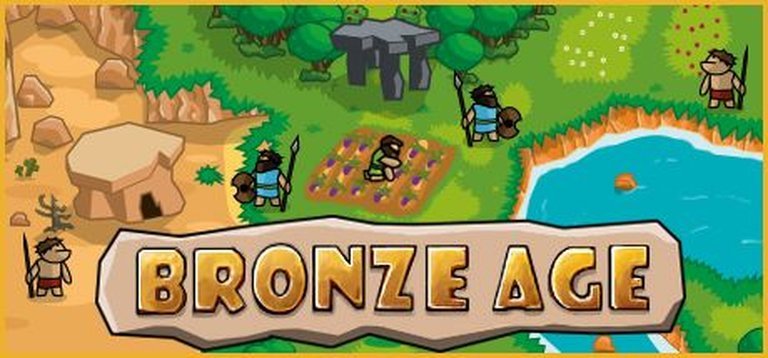
Bronze Age is a turn-based strategy and simulation game set in historical Africa, where players engage in tactical decision-making and resource management. The game offers a side-view perspective with a point-and-select interface, allowing players to navigate through historical events and build civilizations during the Bronze Age era.
Gameplay Videos
Where to Buy Bronze Age
PC
Bronze Age Mods
Bronze Age Guides & Walkthroughs
Bronze Age Reviews & Reception
metacritic.com (10/100): A dry, poorly thought out and mercifully short clicker game, The Bronze Age is yet another “trophy bait” title from Webnetic.
howlongtobeat.com (70/100): The process draws you in instantly.
Bronze Age Cheats & Codes
Pre-Civilization – Bronze Age (Flash Cheats)
Press the key
| Code | Effect |
|---|---|
| 1 | add 9999 people |
| 2 | add 9999 production points |
| 3 | add 9999 research points |
Pre-Civilization – Bronze Age (Hacked Online Games)
Keyhack
| Code | Effect |
|---|---|
| 1 | add people |
| 2 | add production points |
| 3 | add research points |
Pre-Civilization: Bronze Age (Hacked Free Games)
Press
| Code | Effect |
|---|---|
| 1 | add people |
| 2 | add production points |
| 3 | add research points |
Bronze Age: A Comprehensive Retrospective
Introduction
Bronze Age (2013) is a turn-based historical strategy game developed by Clarus Victoria, offering players the chance to lead a tribe through the Stone and Bronze Ages. While it may not have achieved mainstream acclaim, its unique blend of city-building, resource management, and survival mechanics has carved out a niche among strategy enthusiasts. This review explores the game’s development, mechanics, reception, and legacy, assessing its place in the pantheon of historical strategy games.
Development History & Context
Clarus Victoria, a studio known for its historical strategy titles, developed Bronze Age as part of a broader vision to create accessible yet deep strategy experiences. Released in 2013, the game was built using the Unity engine, a choice that allowed for cross-platform compatibility (Windows, Linux, Mac, iOS, and Android). The studio’s goal was to blend historical authenticity with engaging gameplay, targeting both casual and hardcore strategy fans.
The gaming landscape in 2013 was dominated by real-time strategy (RTS) and 4X games like Civilization V and Total War: Rome II. Bronze Age distinguished itself by focusing on a turn-based, resource-driven approach, emphasizing survival and gradual progression rather than large-scale conquest. Its side-view perspective and point-and-select interface were reminiscent of classic strategy games, offering a nostalgic yet fresh experience.
Narrative & Thematic Deep Dive
Bronze Age is set in ancient Mesopotamia, spanning from 6000 BC to 2000 BC. The game’s narrative revolves around guiding a tribe through the challenges of early civilization, from building shelters to constructing wonders like the Pyramid. The thematic focus is on survival, cultural development, and the struggle against external threats, such as barbarian raids and natural disasters.
The game’s events—ranging from the Ice Age to dynastic changes—are designed to immerse players in the historical context. While the narrative lacks the depth of character-driven stories, it compensates with a strong sense of progression and historical authenticity. The absence of a traditional plot allows players to craft their own stories through their decisions, making each playthrough unique.
Gameplay Mechanics & Systems
Core Gameplay Loop
Bronze Age is structured around a turn-based system where players manage resources, construct buildings, and defend their settlement. The core loop involves:
1. Resource Management: Players must balance food, materials, and population growth to sustain their settlement.
2. Construction: Buildings like farms, bakeries, and towers are essential for survival and expansion.
3. Defense: Towers and warrior units protect against raids, with combat resolved through simple yet strategic mechanics.
Combat and Progression
Combat is straightforward, with warriors and towers engaging enemy forces in a turn-based manner. The game’s progression system is tied to technological advancements, with over 30 historical technologies to research, from fire mastery to legal systems. This progression is linear but rewarding, as each new technology unlocks new buildings and capabilities.
UI and Controls
The UI is functional but dated, with a side-view perspective that can feel cramped. The point-and-select interface is intuitive, though some players have reported issues with graphical glitches, particularly on AMD systems. The game’s simplicity is both a strength and a weakness, making it accessible but occasionally shallow.
World-Building, Art & Sound
Setting and Atmosphere
The game’s setting in ancient Mesopotamia is well-realized, with a focus on historical accuracy in building designs and environmental challenges. The side-view perspective limits the sense of scale, but the attention to detail in structures like the Pyramid and historical technologies adds depth.
Visual and Audio Design
The art style is simple but effective, with a 2D aesthetic that evokes classic strategy games. The sound design is minimal, featuring rhythmic drumming that enhances the primal, survivalist atmosphere. While not groundbreaking, the presentation is cohesive and immersive within its constraints.
Reception & Legacy
Bronze Age received mixed reviews upon release. On Steam, it holds a “Mostly Positive” rating (76% positive from 350 reviews), with players praising its addictive gameplay and historical charm. However, critics noted its lack of depth and repetitive mechanics. The game’s legacy is modest but enduring, with a dedicated fanbase that appreciates its unique blend of strategy and survival.
The game’s influence is seen in later titles like Ozymandias and Marble Age, which adopted similar turn-based, resource-driven mechanics. While Bronze Age may not have revolutionized the genre, it remains a cult classic among historical strategy enthusiasts.
Conclusion
Bronze Age is a flawed but fascinating strategy game that offers a unique take on early civilization management. Its turn-based mechanics, historical setting, and survivalist focus make it a standout title in the genre, despite its limitations. While it may not appeal to players seeking deep narrative or complex combat, its accessibility and charm ensure its place in video game history as a niche but memorable experience.
Final Verdict: A solid but unremarkable entry in the historical strategy genre, best suited for fans of turn-based survival games. 7/10.