
- Release Year: 2018
- Platforms: Linux, Macintosh, Nintendo Switch, PlayStation 4, Windows, Xbox One
- Publisher: Artax Games, Inc., Eastasiasoft Limited
- Developer: Artax Games, Inc.
- Genre: Action
- Perspective: Side view
- Game Mode: Single-player
- Gameplay: Arcade, Shooter
- Setting: Fantasy
- Average Score: 56/100
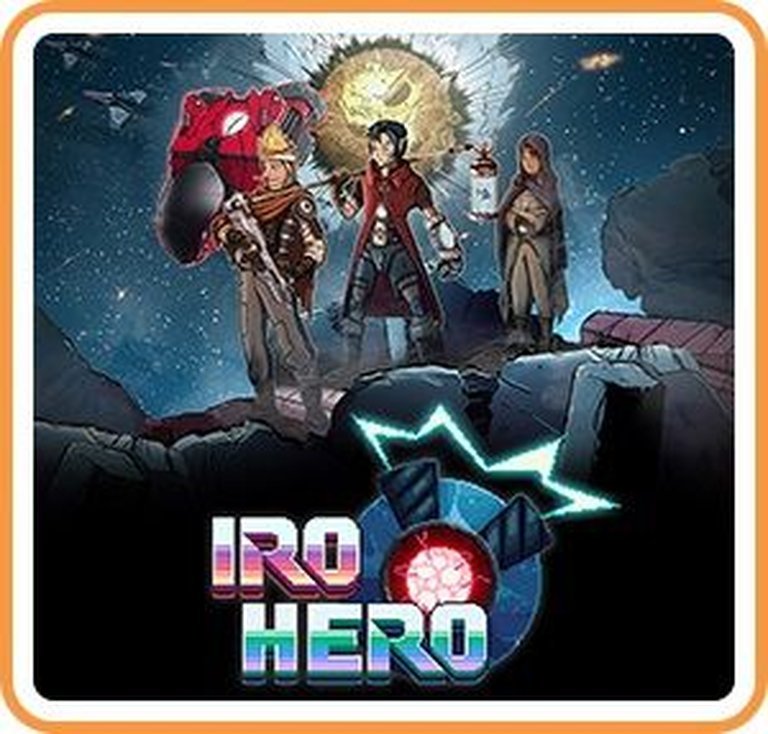
Description
Iro Hero is a fast-paced, side-scrolling shoot ’em up (shmup) game set in a vibrant, fantasy-inspired universe. Players take on the role of a hero navigating through challenging levels filled with enemies, obstacles, and intricate polarity-switching mechanics that add a unique twist to traditional shooter gameplay. With its arcade-style action, responsive controls, and a rocking sci-fi soundtrack, the game offers a tough but rewarding experience for fans of the genre, though its steep difficulty curve and uneven design choices may deter casual players.
Where to Buy Iro Hero
PC
Iro Hero Patches & Updates
Iro Hero Guides & Walkthroughs
Iro Hero Reviews & Reception
metacritic.com (57/100): A triumphant return to form for the series.
opencritic.com (60/100): A competent euro-shmup homage to the dual phase/puzzle shmup gameplay pivoted by Treasure’s Magnum Opus.
digitallydownloaded.net : Iro Hero impressed me before I even hit the start button.
nintendoworldreport.com (55/100): A punishing game that misses the mark.
worthplaying.com (55/100): Iro Hero is a decent game with a poorly thought-out execution.
Iro Hero: A Flawed but Ambitious Homage to the Shoot ‘Em Up Genre
Introduction
In the pantheon of shoot ’em ups, few games have left as indelible a mark as Ikaruga, Treasure’s masterpiece that redefined the genre with its polarity-switching mechanics. Iro Hero, developed by Spanish studio Artax Games, is a bold attempt to reinterpret and expand upon this legacy. Released in 2018 across multiple platforms, including the Nintendo Switch, Iro Hero positions itself as a spiritual successor to Ikaruga, blending retro aesthetics with modern gameplay innovations. However, while its ambitions are commendable, its execution is marred by design flaws, punishing difficulty, and a lack of polish that ultimately hinder its potential. This review will delve deeply into Iro Hero’s development, narrative, gameplay, and legacy, offering a comprehensive analysis of its strengths and weaknesses.
Development History & Context
The Studio and Vision
Artax Games, a small independent studio based in Spain, developed Iro Hero as a passion project. The game was conceived as a homage to classic shoot ’em ups, particularly Ikaruga, but with a unique twist on the polarity-switching mechanic. The studio’s vision was to create a game that would appeal to both retro enthusiasts and modern players, blending the nostalgia of 16-bit aesthetics with contemporary gameplay elements.
Technological Constraints and Design Choices
Iro Hero was built using the Unity engine, a popular choice for indie developers due to its accessibility and flexibility. However, the game’s development was not without challenges. The studio’s limited resources and experience with the genre led to several design choices that, while innovative, often felt unrefined. For instance, the game’s four-color polarity system, while ambitious, introduced complexity that wasn’t always well-integrated into the gameplay.
The Gaming Landscape at Release
At the time of Iro Hero’s release in 2018, the shoot ’em up genre was experiencing a resurgence, thanks in part to the success of games like Ikaruga and Radiant Silvergun on modern platforms. The Nintendo Switch, in particular, had become a haven for indie developers, offering a platform where retro-inspired games could thrive. Iro Hero entered this landscape with high expectations, aiming to carve out its own niche within the genre.
Narrative & Thematic Deep Dive
Plot Overview
Iro Hero is set in the year 2306, a dystopian future where humanity has learned to harness its own inner energy as a power source. This discovery, initially a gift from a benevolent alien race known as the Nyagu, quickly turns into a curse as corporations begin exploiting humans as living batteries. The protagonist, Iro, embarks on a journey to avenge his mother’s death and dismantle the oppressive system that has reduced humanity to mere energy sources.
Themes and Symbolism
The game’s narrative explores themes of exploitation, resistance, and the ethical implications of technological advancement. The dystopian setting serves as a commentary on corporate greed and the dehumanizing effects of unchecked capitalism. Iro’s journey is not just one of vengeance but also a quest for justice, as he seeks to liberate humanity from its oppressors.
Storytelling and Presentation
While the game’s plot is ambitious, its execution leaves much to be desired. The story is conveyed through a series of cutscenes and in-game dialogue, but the presentation is often clumsy. The text is displayed in small, hard-to-read boxes on the sides of the screen, making it difficult to follow the narrative while simultaneously engaging in the game’s fast-paced action. This design choice detracts from the overall experience, as players are forced to choose between focusing on the story or surviving the gameplay.
Gameplay Mechanics & Systems
Core Gameplay Loop
At its core, Iro Hero is a vertical shoot ’em up with a unique twist on the polarity-switching mechanic. Players control Iro’s ship, which can switch between four different colors: red, blue, purple, and yellow. Each color corresponds to a different type of enemy and obstacle, requiring players to constantly adjust their polarity to survive.
Combat and Polarity Switching
The polarity-switching mechanic is central to Iro Hero’s gameplay. Players must switch colors to absorb enemy fire and destroy opponents of the opposite color. This system adds a layer of strategy to the game, as players must carefully manage their polarity to navigate through the game’s challenging levels.
Character Progression and Upgrades
As players progress through the game, they can unlock new abilities and upgrades for Iro’s ship. These upgrades enhance the ship’s firepower and capabilities, making it easier to survive the game’s later, more difficult stages. However, the game’s progression system is somewhat limited, with few meaningful upgrades that significantly alter the gameplay experience.
UI and Controls
The game’s user interface is functional but unremarkable. The controls are responsive, but the lack of a TATE mode (vertical full-screen display) is a notable omission, particularly for a game that is clearly inspired by classic arcade shooters. Additionally, the game’s difficulty curve is steep, with punishing enemy placement and a lack of checkpoints that can frustrate even seasoned players.
World-Building, Art & Sound
Setting and Atmosphere
Iro Hero’s dystopian setting is brought to life through its pixel art visuals and atmospheric soundtrack. The game’s levels are diverse, ranging from industrial complexes to alien landscapes, each with its own unique challenges and obstacles. The game’s art style is reminiscent of classic 16-bit shooters, with vibrant colors and detailed sprites that evoke a sense of nostalgia.
Visual Direction
The game’s visual direction is one of its strongest aspects. The pixel art is well-crafted, with a level of detail that belies the game’s indie origins. The character designs, while simple, are effective in conveying the game’s dystopian themes. However, the game’s cutscenes are somewhat inconsistent, with a visual style that feels out of place compared to the in-game graphics.
Sound Design and Music
The game’s soundtrack is a standout feature, with a mix of synth-driven tracks that evoke the classic shoot ’em up games of the 16-bit era. The music is energetic and engaging, perfectly complementing the game’s fast-paced action. The sound effects are also well-designed, with a satisfying crunch to enemy explosions and a distinct audio cue for polarity switching.
Reception & Legacy
Critical Reception
Iro Hero received mixed reviews upon its release. Critics praised the game’s ambitious mechanics and retro aesthetics but criticized its punishing difficulty and lack of polish. The game’s Metascore on Metacritic is 57, indicating “mixed or average” reviews. Many critics noted that while the game had potential, its execution fell short of its ambitions.
Commercial Performance
The game’s commercial performance was similarly mixed. While it found a niche audience among shoot ’em up enthusiasts, its steep difficulty curve and lack of accessibility limited its appeal to a broader audience. The game’s price point, while reasonable, did little to attract casual players who might have been deterred by its punishing gameplay.
Influence and Legacy
Despite its flaws, Iro Hero has left a modest legacy within the shoot ’em up genre. Its ambitious take on the polarity-switching mechanic has inspired other indie developers to experiment with similar concepts. However, the game’s lack of polish and punishing difficulty have also served as a cautionary tale, highlighting the challenges of balancing innovation with accessibility in game design.
Conclusion
Iro Hero is a game of contradictions. It is ambitious yet flawed, innovative yet unpolished, and challenging yet frustrating. While its retro aesthetics and unique take on the polarity-switching mechanic are commendable, its execution leaves much to be desired. The game’s punishing difficulty, lack of accessibility, and inconsistent presentation ultimately hinder its potential, making it a niche title that will appeal primarily to hardcore shoot ’em up enthusiasts.
Despite its flaws, Iro Hero is not without merit. Its rocking soundtrack, vibrant visuals, and ambitious mechanics make it a game worth experiencing for those willing to overlook its shortcomings. However, for the average player, Iro Hero may prove to be a frustrating and ultimately unsatisfying experience.
In the grand tapestry of shoot ’em up history, Iro Hero occupies a modest but notable place. It is a game that dared to innovate within a classic genre, even if it ultimately fell short of its lofty ambitions. For those willing to brave its challenges, Iro Hero offers a unique and occasionally rewarding experience. For everyone else, it serves as a reminder of the fine line between innovation and accessibility in game design.
Final Verdict: 6.5/10 – A flawed but ambitious homage to the shoot ’em up genre, best suited for hardcore enthusiasts.