
- Release Year: 2008
- Platforms: Windows
- Publisher: S.A.D. Software Vertriebs- und Produktions GmbH
- Developer: NevoSoft LLC
- Genre: Action, Adventure
- Perspective: 1st-person
- Game Mode: Single-player
- Gameplay: Mini-games, Point and select, Puzzle elements, Time management
- Setting: South America
- Average Score: 65/100
Description
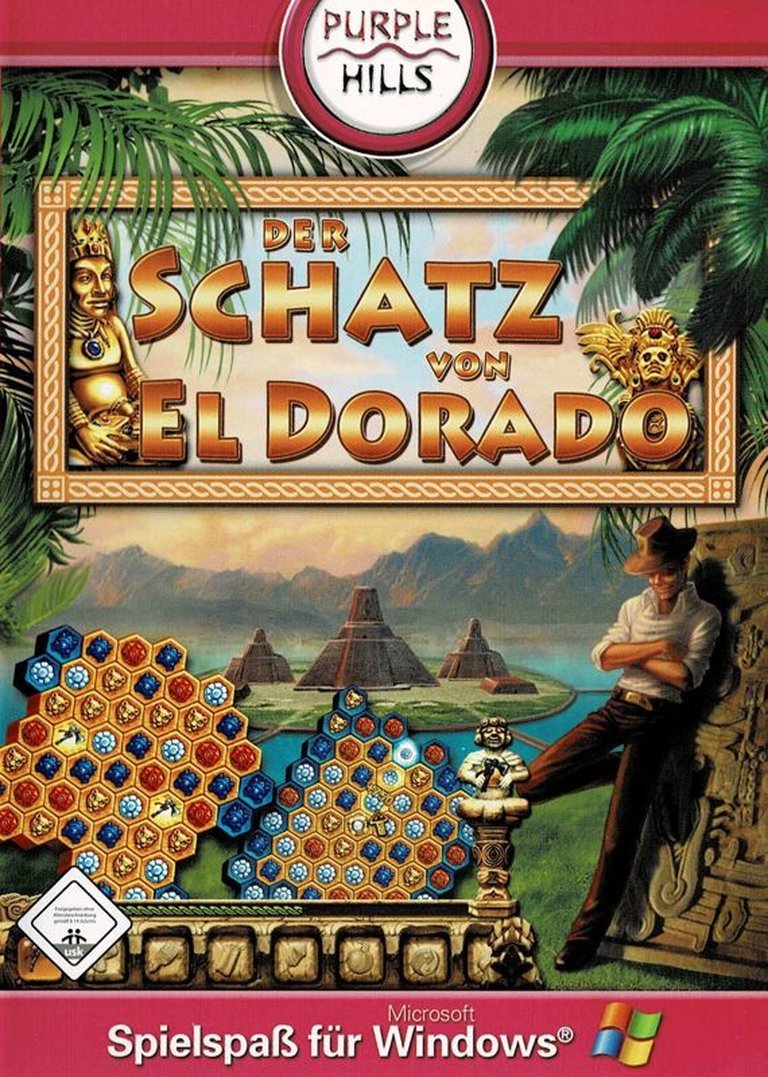
Lost Treasures of El Dorado is a first-person adventure and puzzle game set in South America, where players join Professor Jack Foster on a quest to find his missing love, Alicia, after she uncovers a significant archaeological discovery. The game blends action, time management, and mini-games as players navigate through the New York Museum of Ancient History and the dense jungles of South America, solving jewel-matching puzzles and uncovering hidden treasures tied to the legendary city of El Dorado.
Gameplay Videos
Lost Treasures of El Dorado Reviews & Reception
gametop.com (70/100): While not groundbreaking, Lost Treasures of Eldorado delivers exactly what it promises: a fun and colorful match-3 adventure.
gamezebo.com (60/100): Lost Treasures of El Dorado is a good but not great 3-in-a-row puzzler, though it’s at least worth downloading to play the free trial.
Lost Treasures of El Dorado: A Jewel in the Rough of Casual Gaming
Introduction: The Allure of a Forgotten Adventure
In the vast, often overlooked landscape of mid-2000s casual gaming, Lost Treasures of El Dorado (2008) emerges as a curious artifact—a game that, while not revolutionary, encapsulates the charm, limitations, and fleeting ambitions of its era. Developed by NevoSoft LLC and published by S.A.D. Software, this match-3 adventure hybrid attempts to weave the timeless myth of El Dorado into a puzzle-driven narrative, blending the allure of archaeological mystery with the addictive mechanics of jewel-matching gameplay. Yet, despite its modest ambitions, the game stands as a fascinating case study in how indie developers of the late 2000s sought to elevate casual gaming beyond mere time-wasters into something resembling interactive storytelling.
At its core, Lost Treasures of El Dorado is a game of contradictions. It is both derivative and inventive, simplistic yet oddly ambitious, a product of its time that nevertheless hints at the potential for deeper narrative integration in casual games. This review will dissect the game’s development context, narrative structure, gameplay mechanics, and artistic design, ultimately arguing that while Lost Treasures of El Dorado may not be a masterpiece, it is a noteworthy relic of a transitional period in gaming—one where the boundaries between casual and “serious” games began to blur.
Development History & Context: The Rise of the Casual Adventure
The Studio and the Vision
NevoSoft LLC, the developer behind Lost Treasures of El Dorado, was a relatively obscure studio in the late 2000s, specializing in casual and browser-based games. The company’s portfolio primarily consisted of match-3 puzzlers, hidden object games, and time management simulations—genres that thrived in the burgeoning digital distribution market. NevoSoft’s approach to Lost Treasures of El Dorado was typical of the era: a low-risk, high-reward strategy that leveraged familiar mechanics while attempting to differentiate itself through thematic depth.
The game’s premise—an Indiana Jones-esque quest for a lost love and the fabled treasures of El Dorado—was clearly inspired by the adventure film tropes of the 1980s and 1990s. The decision to frame a match-3 game within a narrative-driven adventure was not entirely novel (games like Bejeweled Twist and Peggle had already experimented with light storytelling), but Lost Treasures of El Dorado pushed the concept further by integrating a serialized, globe-trotting plot. This was a bold move for a casual game, reflecting a growing trend in the industry to appeal to players who craved more than just mindless puzzle-solving.
Technological Constraints and Market Trends
Released in 2008, Lost Treasures of El Dorado was a product of the late Windows XP/Vista era, a time when casual games were transitioning from physical CD-ROM distributions to digital storefronts like Big Fish Games, GameHouse, and eventually Steam. The game’s technical specifications were modest by modern standards—requiring a mere 1GHz CPU, 1GB of RAM, and a DirectX 9-compatible graphics card—but these requirements were typical for the casual games of the time, which prioritized accessibility over graphical fidelity.
The match-3 genre itself was in a state of evolution. Bejeweled (2001) had popularized the mechanic, but by 2008, developers were experimenting with variations to keep the formula fresh. Lost Treasures of El Dorado distinguished itself with a hexagonal grid system, a departure from the traditional square-based layouts of its contemporaries. This design choice, while not entirely unique (similar mechanics appeared in Heroes of Hellas, released the same year), added a layer of strategic depth to the gameplay, requiring players to think differently about chain reactions and board management.
The Gaming Landscape of 2008
The late 2000s were a pivotal time for casual gaming. The success of Peggle (2007) and Plants vs. Zombies (2009) demonstrated that casual games could achieve critical acclaim and commercial success without sacrificing depth or charm. Meanwhile, the rise of digital distribution platforms democratized game development, allowing smaller studios like NevoSoft to compete with larger publishers.
Lost Treasures of El Dorado entered this market as a mid-tier casual game, neither a blockbuster nor a complete obscurity. Its competition included titles like Gold and Glory: The Road to El Dorado (2000), a more traditional adventure game, and El Dorado Quest (2008), another match-3 hybrid. What set Lost Treasures of El Dorado apart was its attempt to blend narrative urgency with puzzle mechanics, a combination that would later become a staple of the casual adventure genre.
Narrative & Thematic Deep Dive: A Tale of Love, Loss, and Gold
Plot Summary and Structure
Lost Treasures of El Dorado follows the journey of Professor Jack Foster, an archaeologist who receives a cryptic letter from his assistant, Alicia. Alicia has disappeared after making a groundbreaking discovery related to the legend of El Dorado, and it is up to the player to guide Jack through a series of global locations—from the New York Museum of Ancient History to the dense jungles of South America—in search of his lost love and the fabled treasure.
The narrative unfolds in a serialized fashion, with each set of levels introducing a new location and a brief comic strip-style cutscene. These interludes are minimalistic but effective, providing just enough context to maintain player engagement without overwhelming the casual audience. The story’s pacing is deliberate, with the mystery of Alicia’s disappearance serving as the primary motivator for progression.
Characters and Dialogue
The characters in Lost Treasures of El Dorado are archetypal but serviceable. Professor Jack Foster is the quintessential adventurer—intelligent, determined, and slightly bumbling—a clear nod to Indiana Jones. Alicia, though largely absent for most of the game, serves as the emotional core of the narrative, her disappearance driving Jack’s (and the player’s) actions.
Dialogue is sparse, limited to brief exchanges in the comic strip cutscenes. While the writing is not particularly deep, it is functional, conveying the necessary information without detracting from the gameplay. The game’s strength lies not in its character development but in its ability to use narrative as a framing device for the puzzle mechanics.
Themes: The Myth of El Dorado and the Quest for Meaning
The game’s most compelling thematic element is its engagement with the legend of El Dorado. Unlike many casual games that use mythology as mere window dressing, Lost Treasures of El Dorado attempts to weave the historical and cultural significance of the myth into its narrative. The legend of El Dorado, as explored in the game’s source material, is one of ambition, greed, and the often-futile pursuit of unattainable wealth. The game’s plot—centered on a personal quest for love rather than gold—subverts the traditional narrative of El Dorado, offering a more humanistic take on the myth.
This thematic contrast is subtle but effective. While the player is ostensibly searching for treasure, the true goal is the rescue of Alicia, reframing the quest as one of personal connection rather than material gain. This shift in focus aligns with modern interpretations of the El Dorado myth, which often critique the destructive nature of unchecked ambition.
The Love Story: A Subtle Emotional Anchor
The inclusion of a love story is one of Lost Treasures of El Dorado’s most intriguing narrative choices. Unlike many casual games that rely solely on gameplay loops, the game uses Jack and Alicia’s relationship to provide emotional stakes. The player’s investment in the story is tied not to the promise of riches but to the hope of reunion, a narrative device that elevates the game beyond its puzzle mechanics.
Gameplay Mechanics & Systems: The Hexagonal Challenge
Core Gameplay Loop
At its heart, Lost Treasures of El Dorado is a match-3 puzzle game with a twist. Instead of the traditional square grid, the game employs a hexagonal layout, which adds a layer of complexity to the matching mechanics. Players must connect three or more identical items by drawing lines across the hexagons, creating chains that clear the board and progress the level.
The primary objective in each level is to remove gold plates hidden behind the hexagons. This is achieved by making matches adjacent to the plates, a mechanic that encourages strategic planning rather than mindless clicking. The hexagonal grid forces players to consider diagonal and vertical matches in ways that square grids do not, making the gameplay feel fresh despite its familiarity.
Adventure Mode vs. Relaxed Mode
The game offers two distinct modes: Adventure Mode and Relaxed Mode. Adventure Mode introduces a time limit, adding pressure and urgency to the puzzle-solving. This mode is designed for players who enjoy a challenge, as failing to complete a level within the allotted time results in a restart.
Relaxed Mode, on the other hand, removes the time constraint, allowing players to progress at their own pace. This mode is ideal for casual players who prefer a more laid-back experience, focusing on the puzzle-solving without the stress of a ticking clock.
Power-Ups and Obstacles
To enhance the gameplay, Lost Treasures of El Dorado includes a variety of power-ups and obstacles. Power-ups, such as exploding items and hourglasses (which add time to the clock), provide strategic advantages and can be collected during gameplay. Obstacles, such as stones and frozen hexagons, add complexity by requiring specific matches to clear.
The inclusion of these elements prevents the gameplay from becoming repetitive, ensuring that each level presents a unique challenge. The power-ups, in particular, reward skilled play, as longer chains and combos yield more powerful bonuses.
Mini-Games and Memory Challenges
Between sets of levels, the game introduces mini-games, most notably a memory challenge reminiscent of Concentration. Players must match pairs of face-down cards, with the difficulty increasing as more cards are added. While these mini-games are simple, they provide a welcome break from the match-3 mechanics and add variety to the overall experience.
Progression and Rewards
Progression in Lost Treasures of El Dorado is tied to the completion of levels and the accumulation of trophies. Trophies are awarded for achieving specific milestones, such as creating long chains or completing levels within a certain time frame. These rewards, while largely cosmetic, provide a sense of accomplishment and encourage players to refine their strategies.
World-Building, Art & Sound: Crafting an Atmosphere of Adventure
Visual Design: A Journey Through Time and Space
The visual design of Lost Treasures of El Dorado is functional but charming. The game’s art style is colorful and vibrant, with each location—from the New York Museum to the South American jungles—rendered in a way that evokes a sense of adventure. The backgrounds are detailed enough to immerse the player in the setting without overwhelming the puzzle mechanics.
The hexagonal grid itself is visually distinct, with each hexagon containing a unique icon (e.g., gems, artifacts, or symbols). The icons are clear and easy to distinguish, ensuring that the gameplay remains accessible even during fast-paced moments.
Sound Design: Setting the Mood
The sound design in Lost Treasures of El Dorado is understated but effective. The background music is adventurous and upbeat, complementing the game’s themes without becoming intrusive. Sound effects, such as the clinking of matched items and the chime of completed levels, provide auditory feedback that enhances the gameplay experience.
Atmosphere and Immersion
While Lost Treasures of El Dorado is not a graphically intensive game, it succeeds in creating an immersive atmosphere through its combination of visual and auditory elements. The comic strip cutscenes, though simple, contribute to the game’s narrative cohesion, while the varied locations keep the experience fresh and engaging.
Reception & Legacy: A Forgotten Gem
Critical and Commercial Reception
Upon its release in 2008, Lost Treasures of El Dorado received modest attention from critics and players alike. Reviews were generally positive, with praise directed at its innovative hexagonal grid and narrative framing. However, the game was often overshadowed by more polished competitors like Heroes of Hellas, which offered similar mechanics with superior presentation.
Commercially, the game performed adequately within the casual gaming market, finding an audience among fans of match-3 puzzlers and adventure hybrids. Its inclusion in compilation packs, such as Atlantis Quest Plus 2 weitere Vollversionen (2009), helped extend its lifespan, but it never achieved the mainstream recognition of titles like Bejeweled or Peggle.
Evolution of the Casual Adventure Genre
Lost Treasures of El Dorado is a product of its time, reflecting the early attempts to merge narrative depth with casual gameplay. While it may not have revolutionized the genre, it contributed to the evolution of casual adventure games, paving the way for more ambitious hybrids like The Secret Society and Criminal Case.
Influence on Subsequent Games
The game’s hexagonal grid mechanic and narrative-driven approach influenced later match-3 titles, particularly those that sought to differentiate themselves from the crowded market. Games like Gems of War (2014) and Puzzle Quest (2007) expanded on the idea of integrating puzzles with deeper storytelling, a trend that Lost Treasures of El Dorado helped pioneer.
Conclusion: A Modest Masterpiece of Its Era
Lost Treasures of El Dorado is not a perfect game, nor is it a groundbreaking one. It is, however, a fascinating artifact of a transitional period in gaming—a time when casual games were beginning to aspire to something greater than mere distraction. Its blend of match-3 mechanics, narrative urgency, and thematic depth makes it a standout title in the crowded casual gaming landscape of the late 2000s.
While it may lack the polish and innovation of modern puzzle-adventure hybrids, Lost Treasures of El Dorado remains a charming and engaging experience, particularly for fans of the genre. Its hexagonal grid, globe-trotting narrative, and subtle emotional stakes elevate it above many of its contemporaries, securing its place as a modest masterpiece of its era.
Final Verdict: 7.5/10 – A hidden gem in the rough of casual gaming, Lost Treasures of El Dorado is a delightful blend of puzzle mechanics and adventure that deserves a second look.