
- Release Year: 1999
- Platforms: Windows
- Publisher: Guildhall Leisure Services Ltd.
- Genre: Compilation
- Game Mode: Single-player
Description
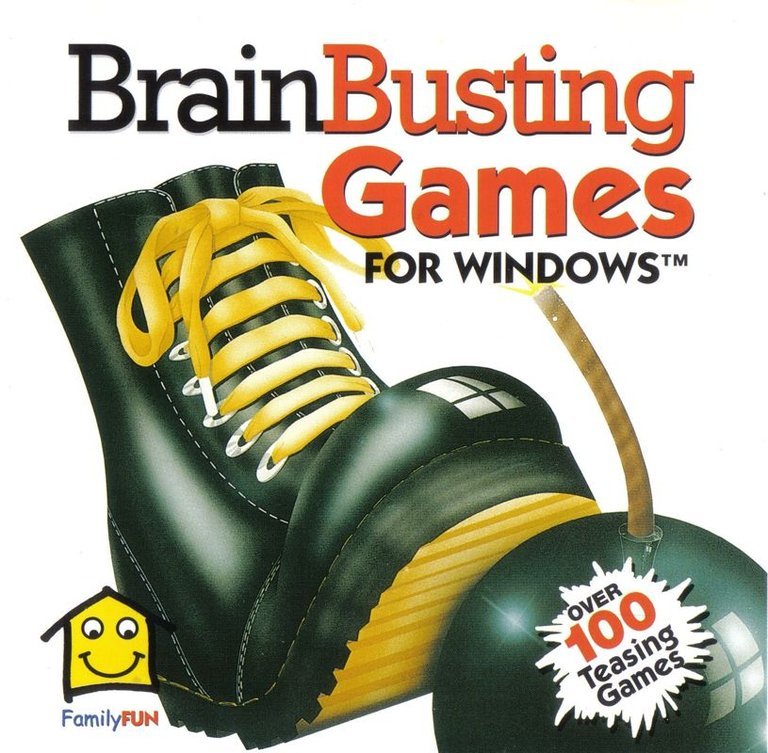
Brain Busting Games For Windows is a 1999 compilation of shareware and freeware games published by Guildhall Leisure Services as part of their Family Fun series. The collection features a diverse range of puzzle and arcade-style games, categorized into groups such as arcade, dominoes, jigsaws, matching pairs, and world games. Designed for casual and family-friendly entertainment, the compilation offers a variety of brain-teasing challenges, from classic titles like Sokoban and Tic-Tac-Toe to lesser-known gems, all bundled together on a CD-ROM for Windows users.
Brain Busting Games For Windows Free Download
Brain Busting Games For Windows: A Comprehensive Retrospective
Introduction
In the annals of video game history, few titles capture the essence of late-1990s gaming culture quite like Brain Busting Games For Windows. Released in 1999 by Guildhall Leisure Services Ltd., this compilation stands as a testament to the era’s burgeoning shareware and freeware scene, offering a diverse array of puzzle and strategy games that catered to a wide audience. While it may not have achieved the mainstream acclaim of contemporaries like Half-Life or Age of Empires II, Brain Busting Games For Windows occupies a unique niche as a curated collection of brain-teasing experiences that reflect the creativity and innovation of independent developers during a pivotal moment in gaming history.
This review aims to provide an exhaustive analysis of Brain Busting Games For Windows, exploring its development context, gameplay mechanics, thematic elements, and lasting impact on the gaming landscape. By delving into the intricacies of this compilation, we can better understand its role in the evolution of puzzle and strategy games, as well as its significance within the broader narrative of video game history.
Development History & Context
The Studio and Creators’ Vision
Guildhall Leisure Services Ltd., the publisher behind Brain Busting Games For Windows, was a company that specialized in compiling and distributing shareware and freeware games. Their “Family Fun” series, of which this title was a part, aimed to provide accessible and engaging gaming experiences for a broad audience. The vision behind Brain Busting Games For Windows was to curate a diverse collection of puzzle and strategy games that could appeal to both casual and hardcore gamers, showcasing the talent and creativity of independent developers.
The compilation was not developed by a single studio but rather assembled from a variety of sources, reflecting the collaborative and community-driven nature of the shareware and freeware scene. This approach allowed Guildhall Leisure Services to offer a wide range of gameplay experiences, from classic puzzle games to innovative strategy titles, all within a single package.
Technological Constraints of the Era
The late 1990s were a period of rapid technological advancement in the gaming industry. The release of Brain Busting Games For Windows in 1999 coincided with the transition from 2D to 3D graphics, as well as the increasing popularity of CD-ROMs as a distribution medium. However, many of the games included in the compilation were developed with the technological constraints of the time in mind, often featuring simple yet effective graphics and gameplay mechanics that could run on a wide range of hardware configurations.
The use of CD-ROMs allowed for the inclusion of a large number of games within a single package, making Brain Busting Games For Windows a cost-effective and convenient option for gamers looking to explore a variety of puzzle and strategy experiences. The compilation’s reliance on shareware and freeware titles also meant that many of the games were designed to be lightweight and accessible, ensuring that they could be enjoyed by a broad audience without requiring high-end hardware.
The Gaming Landscape at the Time of Release
The gaming landscape in 1999 was marked by a diverse array of genres and platforms, with puzzle and strategy games enjoying a resurgence in popularity. Titles like The Sims, RollerCoaster Tycoon, and Age of Empires II demonstrated the appeal of games that challenged players’ cognitive abilities and strategic thinking. Brain Busting Games For Windows tapped into this trend by offering a curated collection of puzzle and strategy games that could be enjoyed by both casual and hardcore gamers.
The compilation’s release also coincided with the rise of online gaming communities and the increasing availability of shareware and freeware titles through the internet. This context allowed Brain Busting Games For Windows to serve as a gateway for gamers to discover new and innovative experiences, many of which were developed by independent creators who were pushing the boundaries of what was possible within the constraints of the era’s technology.
Narrative & Thematic Deep Dive
Plot and Characters
Unlike traditional narrative-driven games, Brain Busting Games For Windows does not feature a central plot or characters. Instead, the compilation is united by its thematic focus on puzzle-solving and strategic thinking. Each game within the collection offers its own unique narrative context, ranging from the abstract and mechanical to the whimsical and fantastical.
For example, games like Sokoban and Boxes II challenge players to navigate mazes and manipulate objects to achieve specific goals, while titles like Hero’s Heart and Jewels of the Oracle immerse players in fantastical worlds filled with mystery and intrigue. The diversity of these narratives reflects the compilation’s commitment to offering a wide range of experiences, each with its own distinct flavor and appeal.
Dialogue and Underlying Themes
The dialogue within Brain Busting Games For Windows is minimal, reflecting the compilation’s focus on gameplay mechanics and puzzle-solving. However, the underlying themes of the collection are rich and varied, exploring concepts such as logic, strategy, creativity, and perseverance. Many of the games challenge players to think critically and adapt to new situations, fostering a sense of intellectual engagement and satisfaction.
The compilation also explores themes of exploration and discovery, as players are encouraged to experiment with different strategies and approaches to solve puzzles and overcome challenges. This emphasis on exploration reflects the broader cultural context of the late 1990s, a time when the internet was opening up new avenues for discovery and learning.
Gameplay Mechanics & Systems
Core Gameplay Loops
The core gameplay loops within Brain Busting Games For Windows are as diverse as the games themselves, ranging from simple matching and sliding puzzles to complex strategy and logic challenges. Each game offers its own unique set of mechanics and systems, ensuring that players are constantly engaged and challenged.
For example, games like Fifteen and Slider task players with rearranging tiles to form a specific pattern, while titles like Sokoban and Boxes II require players to navigate mazes and manipulate objects to achieve specific goals. The compilation also includes games that challenge players’ memory and pattern recognition skills, such as Amnesia and Concentrate.
Combat and Character Progression
While Brain Busting Games For Windows does not feature traditional combat or character progression systems, many of the games within the compilation offer their own unique forms of progression and challenge. For example, games like Bomb Squad and Bomb Squad 2 task players with defusing time bombs, requiring quick thinking and precise timing to succeed. Similarly, titles like Gold Hunt and Jewels of the Oracle challenge players to explore and uncover hidden treasures, fostering a sense of discovery and accomplishment.
The compilation’s emphasis on puzzle-solving and strategic thinking ensures that players are constantly engaged and challenged, with each game offering its own unique set of mechanics and systems. This diversity of gameplay experiences reflects the compilation’s commitment to offering a wide range of experiences, each with its own distinct flavor and appeal.
UI and Innovative or Flawed Systems
The user interface (UI) within Brain Busting Games For Windows is simple and functional, reflecting the compilation’s focus on accessibility and ease of use. Each game within the collection features its own unique UI, designed to facilitate the specific gameplay mechanics and systems of that title. While some of the UIs may feel dated by modern standards, they are generally effective in conveying the necessary information and controls to the player.
One of the innovative aspects of Brain Busting Games For Windows is its use of a centralized launcher, which allows players to easily navigate and select from the wide range of games included in the compilation. This launcher serves as a hub for the collection, providing a convenient and intuitive way for players to explore the various titles and discover new experiences.
However, the compilation’s reliance on shareware and freeware titles also means that some of the games may feature flawed or incomplete systems, reflecting the limitations of their development contexts. For example, some games may lack polish or depth, while others may feature overly simplistic or repetitive gameplay mechanics. Despite these flaws, the compilation’s commitment to offering a diverse and engaging range of experiences ensures that there is something for everyone within Brain Busting Games For Windows.
World-Building, Art & Sound
Setting and Atmosphere
The settings and atmospheres within Brain Busting Games For Windows are as diverse as the games themselves, ranging from abstract and mechanical to whimsical and fantastical. Each game within the collection offers its own unique world and atmosphere, reflecting the creativity and imagination of its developers.
For example, games like Sokoban and Boxes II feature simple, abstract settings that emphasize the mechanical and logical aspects of puzzle-solving, while titles like Hero’s Heart and Jewels of the Oracle immerse players in richly detailed and fantastical worlds filled with mystery and intrigue. The compilation’s commitment to offering a wide range of settings and atmospheres ensures that players are constantly engaged and surprised, with each game offering its own distinct flavor and appeal.
Visual Direction
The visual direction within Brain Busting Games For Windows is similarly diverse, reflecting the wide range of artistic styles and techniques employed by the independent developers who created the games within the compilation. While some games feature simple, abstract graphics that emphasize the mechanical and logical aspects of puzzle-solving, others boast richly detailed and fantastical visuals that immerse players in vibrant and imaginative worlds.
The compilation’s commitment to offering a diverse range of visual styles ensures that players are constantly engaged and surprised, with each game offering its own unique aesthetic and appeal. This diversity of visual direction reflects the creativity and innovation of the shareware and freeware scene, as well as the broader cultural context of the late 1990s, a time when the gaming industry was undergoing a period of rapid technological advancement and artistic experimentation.
Sound Design
The sound design within Brain Busting Games For Windows is generally minimal, reflecting the compilation’s focus on gameplay mechanics and puzzle-solving. However, many of the games within the collection feature simple yet effective sound effects and music that enhance the overall atmosphere and immersion.
For example, games like Bomb Squad and Bomb Squad 2 feature tense and suspenseful sound effects that heighten the sense of urgency and challenge, while titles like Hero’s Heart and Jewels of the Oracle boast atmospheric and immersive soundtracks that transport players to richly detailed and fantastical worlds. The compilation’s commitment to offering a diverse range of sound designs ensures that players are constantly engaged and surprised, with each game offering its own unique auditory experience.
Reception & Legacy
Critical and Commercial Reception at Launch
Upon its release in 1999, Brain Busting Games For Windows received a mixed but generally positive reception from critics and players alike. The compilation was praised for its diverse range of puzzle and strategy games, as well as its commitment to showcasing the talent and creativity of independent developers. However, some critics noted that the compilation’s reliance on shareware and freeware titles meant that some of the games lacked polish or depth, reflecting the limitations of their development contexts.
Commercially, Brain Busting Games For Windows enjoyed moderate success, appealing to a broad audience of casual and hardcore gamers who were looking for accessible and engaging puzzle and strategy experiences. The compilation’s inclusion in Guildhall Leisure Services’ “Family Fun” series also helped to position it as a family-friendly option, further expanding its appeal.
Evolution of Its Reputation
Over the years, the reputation of Brain Busting Games For Windows has evolved to reflect its significance within the broader narrative of video game history. While it may not have achieved the mainstream acclaim of contemporaries like Half-Life or Age of Empires II, the compilation is now recognized as an important artifact of the late-1990s gaming scene, showcasing the creativity and innovation of independent developers during a pivotal moment in gaming history.
The compilation’s commitment to offering a diverse range of puzzle and strategy games has also helped to cement its legacy as a valuable resource for gamers looking to explore the rich and varied landscape of shareware and freeware titles. Many of the games included in Brain Busting Games For Windows have since been preserved and made available through digital distribution platforms, ensuring that they continue to be enjoyed by new generations of players.
Influence on Subsequent Games and the Industry
The influence of Brain Busting Games For Windows on subsequent games and the industry as a whole is difficult to quantify, given its status as a compilation rather than a single, cohesive title. However, the compilation’s commitment to showcasing the talent and creativity of independent developers has helped to inspire a new generation of game creators, many of whom have gone on to develop their own innovative and engaging puzzle and strategy experiences.
The compilation’s emphasis on accessibility and ease of use has also helped to shape the design philosophy of many modern puzzle and strategy games, which often prioritize intuitive controls and clear, concise mechanics. Additionally, the compilation’s use of a centralized launcher has influenced the design of many modern game collections and anthologies, which often feature similar hubs for navigating and selecting from a wide range of titles.
Conclusion
In conclusion, Brain Busting Games For Windows stands as a testament to the creativity and innovation of the late-1990s gaming scene, offering a diverse and engaging range of puzzle and strategy experiences that continue to resonate with players today. While it may not have achieved the mainstream acclaim of contemporaries like Half-Life or Age of Empires II, the compilation’s commitment to showcasing the talent and creativity of independent developers has helped to cement its legacy as an important artifact of video game history.
The compilation’s diverse range of gameplay mechanics, settings, and atmospheres ensures that there is something for everyone within Brain Busting Games For Windows, from simple matching and sliding puzzles to complex strategy and logic challenges. Its emphasis on accessibility and ease of use has also helped to shape the design philosophy of many modern puzzle and strategy games, ensuring that its influence continues to be felt within the industry.
Ultimately, Brain Busting Games For Windows is a valuable resource for gamers looking to explore the rich and varied landscape of shareware and freeware titles, as well as a fascinating snapshot of a pivotal moment in gaming history. Its legacy as a curated collection of brain-teasing experiences ensures that it will continue to be enjoyed and appreciated by new generations of players for years to come.