
- Release Year: 2010
- Platforms: Macintosh, Windows
- Publisher: Big Fish Games, Inc
- Developer: ERS G-Studio
- Genre: Adventure
- Perspective: 1st-person
- Game Mode: Single-player
- Gameplay: Hidden object, Puzzle elements
- Average Score: 73/100
Description
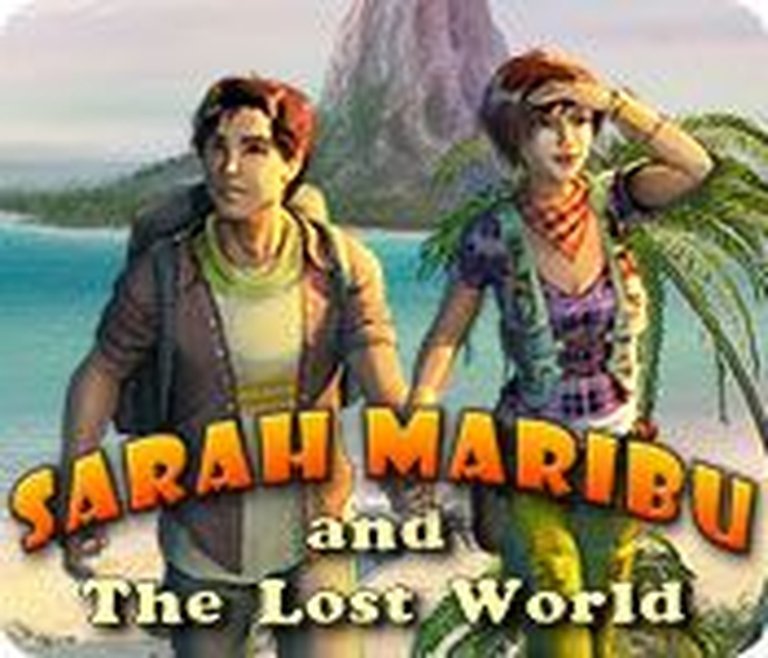
Sarah Maribu and the Lost World is a hidden object adventure game where players join archaeologist Sarah Maribu and her brother Michael as they explore an uncharted island filled with ancient temples and remnants of a lost civilization. The game blends traditional hidden object gameplay, where players search for items listed on the screen, with puzzle-solving and inventory-based challenges. Between chapters, mini-games like memory-based ‘Simon’ sequences and logic puzzles add variety. With a first-person perspective and a mix of exploration and problem-solving, the game offers a classic adventure experience for fans of the genre.
Gameplay Videos
Sarah Maribu and the Lost World Cracks & Fixes
Sarah Maribu and the Lost World Guides & Walkthroughs
Sarah Maribu and the Lost World Reviews & Reception
jayisgames.com (80/100): An adventure of epic proportions. Perfect for young readers.
gamezebo.com (70/100): A competent, if unexceptional, HOG filled with lovely art, a relaxing score, and fairly average hidden object challenges and mini-games.
mobygames.com (70/100): A hidden object game with elements of the adventure genre.
dosboxgames.com : A hidden object game with elements of the adventure genre.
Sarah Maribu and the Lost World: A Hidden Object Adventure of Dinosaurs, Natives, and Nostalgia
Introduction
In the early 2010s, the hidden object genre was in full swing, with developers churning out titles that blended adventure, puzzle-solving, and the ever-popular “find the hidden items” mechanic. Among these was Sarah Maribu and the Lost World, a game that promised a thrilling expedition to a forgotten island teeming with dinosaurs, ancient temples, and hostile natives. Developed by ERS G-Studio and published by Big Fish Games, this title arrived in February 2010, offering a mix of hidden object gameplay, light adventure elements, and a dash of pulp adventure nostalgia.
At its core, Sarah Maribu and the Lost World is a game about exploration and discovery. Players take on the role of Sarah Maribu, an intrepid archaeologist who, alongside her brother Michael, embarks on a journey to an uncharted island. The premise is straightforward: find hidden objects, solve puzzles, and rescue Michael after he is kidnapped by the island’s inhabitants. Yet, beneath its simple exterior lies a game that, while not groundbreaking, manages to capture the essence of classic adventure storytelling with a modern twist.
This review will delve deep into the game’s development history, narrative structure, gameplay mechanics, and artistic design, while also examining its reception and legacy. Was Sarah Maribu and the Lost World a forgotten gem, or did it fade into obscurity for a reason? Let’s embark on this journey to find out.
Development History & Context
The Studio Behind the Game
ERS G-Studio, the developer behind Sarah Maribu and the Lost World, was no stranger to the hidden object genre. By 2010, the studio had already established itself with titles like Murders in the Rue Morgue and PuppetShow: The Mystery of Joyville, both of which were well-received for their intricate storytelling and atmospheric visuals. ERS G-Studio was known for its ability to blend hidden object gameplay with adventure elements, creating experiences that appealed to casual gamers and adventure enthusiasts alike.
The studio’s approach to game design often involved rich, detailed environments and a focus on narrative-driven gameplay. Sarah Maribu and the Lost World was no exception, though it marked a slight departure from the darker, more mysterious themes of their previous works. Instead, it embraced a lighter, more adventurous tone, reminiscent of classic pulp fiction and adventure serials.
The Vision and Inspirations
The game’s premise—an uncharted island filled with dinosaurs and ancient civilizations—draws heavily from classic adventure tropes. The influence of The Lost World by Arthur Conan Doyle is evident, as is the nod to Land of the Lost, a beloved 1970s television series that featured a family stranded in a prehistoric world. The game’s developers likely sought to capitalize on the enduring appeal of these stories, blending them with the popular hidden object mechanics of the time.
The decision to set the game on a dinosaur-inhabited island was a bold one, as it allowed for a unique blend of historical and fantastical elements. The island’s inhabitants, who worship dinosaurs and ancient artifacts, add a layer of mystery and intrigue, while the presence of dinosaurs themselves provides a sense of wonder and danger.
Technological Constraints and Design Choices
Released in 2010, Sarah Maribu and the Lost World was developed during a period when the hidden object genre was evolving rapidly. The game was built using the Lua scripting language, a choice that allowed for flexibility in designing interactive elements and mini-games. The use of Lua was common in casual games of the era, as it provided a lightweight and efficient way to implement complex gameplay mechanics.
The game’s visual design was tailored to the technological constraints of the time. While not pushing the boundaries of graphical fidelity, the art style was vibrant and detailed, with lush environments and intricate object designs. The developers made use of a first-person perspective, which was standard for hidden object games, allowing players to immerse themselves in the island’s various locations.
One of the key design choices was the inclusion of a hint system, which was essential for accessibility. The hint button, which recharged after 30 seconds, ensured that players would not become stuck for extended periods, a common frustration in hidden object games. Additionally, the game featured an inventory system that allowed players to collect and use tools, adding a layer of problem-solving to the gameplay.
The Gaming Landscape in 2010
The early 2010s were a golden age for casual gaming, with hidden object games dominating the market. Titles like Mystery Case Files and Hidden Expedition had set the standard for the genre, blending hidden object mechanics with adventure and puzzle elements. Sarah Maribu and the Lost World entered this crowded field, competing with established franchises and newcomers alike.
Big Fish Games, the publisher behind Sarah Maribu and the Lost World, was a major player in the casual gaming market. Known for its extensive library of hidden object and puzzle games, Big Fish Games provided a platform for developers like ERS G-Studio to reach a wide audience. The game was released as shareware, with a demo available for players to try before purchasing the full version.
In this context, Sarah Maribu and the Lost World was positioned as a mid-tier hidden object adventure, offering a mix of familiar mechanics and a unique setting. While it did not innovate significantly within the genre, it provided a polished and enjoyable experience that appealed to fans of casual adventure games.
Narrative & Thematic Deep Dive
Plot Overview
The story of Sarah Maribu and the Lost World begins with Sarah and her brother Michael arriving on an uncharted island via helicopter. Their mission is to explore the island’s ancient temples and structures, following clues left by their grandfather. However, their expedition takes a dramatic turn when Michael is kidnapped by the island’s inhabitants, leaving Sarah to navigate the island’s dangers alone.
The narrative unfolds through a series of hidden object scenes and puzzle-solving sequences. As Sarah explores the island, she encounters a variety of environments, from dense jungles to ancient temples, each filled with clues and artifacts. Along the way, she must outwit the island’s natives, who worship dinosaurs and ancient relics, and rescue Michael before it’s too late.
Character Analysis
Sarah Maribu: The protagonist of the game, Sarah is portrayed as a resourceful and determined archaeologist. While her character is not deeply developed, her actions and the challenges she faces convey a sense of resilience and intelligence. Sarah’s motivations are clear—she must rescue her brother and uncover the island’s secrets—and her journey is the driving force behind the game’s narrative.
Michael Maribu: Sarah’s brother, Michael, serves as the catalyst for the game’s plot. His kidnapping sets the stage for Sarah’s adventure, though his character remains largely passive throughout the story. Michael’s role is primarily that of a damsel in distress, a common trope in adventure narratives.
Uncle John: A supporting character who pilots the helicopter that brings Sarah and Michael to the island, Uncle John adds a touch of humor and eccentricity to the story. His appearance and demeanor are reminiscent of classic adventure characters, providing a lighthearted contrast to the game’s more serious elements.
The Island’s Inhabitants: The natives of the island are depicted as hostile and mysterious, worshipping dinosaurs and ancient artifacts. Their presence adds a layer of danger and intrigue to the game, though their motivations and culture are not explored in depth.
Themes and Motifs
Exploration and Discovery: At its core, Sarah Maribu and the Lost World is a game about exploration. The island serves as a metaphor for the unknown, filled with hidden treasures and ancient secrets. Sarah’s journey reflects the human desire to uncover the mysteries of the past and the thrill of discovery.
Survival and Resourcefulness: Throughout the game, Sarah must use her wits and the tools at her disposal to overcome obstacles. The emphasis on problem-solving and resource management highlights the theme of survival, as Sarah navigates a hostile environment to achieve her goals.
Nostalgia and Adventure: The game’s setting and premise evoke a sense of nostalgia for classic adventure stories. The inclusion of dinosaurs, ancient temples, and hostile natives harkens back to pulp fiction and adventure serials, appealing to players’ sense of wonder and excitement.
Family and Loyalty: Sarah’s mission to rescue her brother underscores the theme of family and loyalty. Her determination to save Michael, despite the dangers she faces, reflects the bonds of family and the lengths to which one will go to protect loved ones.
Dialogue and Storytelling
The narrative of Sarah Maribu and the Lost World is conveyed primarily through environmental storytelling and brief textual descriptions. The game’s dialogue is minimal, with most of the story unfolding through Sarah’s actions and the objects she encounters. This approach is typical of hidden object games, which often rely on visual and interactive elements to drive the narrative.
While the game’s storytelling is not particularly deep, it effectively sets the stage for the adventure. The island’s environments are richly detailed, with each location offering clues and artifacts that hint at the island’s history and the fate of its inhabitants. The inclusion of dinosaurs and ancient temples adds a layer of mystery, encouraging players to piece together the island’s secrets as they progress.
Gameplay Mechanics & Systems
Core Gameplay Loop
The core gameplay of Sarah Maribu and the Lost World revolves around the hidden object mechanic. Players are presented with a list of items to find within a given scene, with the items displayed as pictures on the left side of the screen. The objective is to locate and click on these items, which are scattered throughout the environment. Once all items are found, players can proceed to the next scene or puzzle.
The game’s hidden object scenes are varied, with each location offering a unique set of items to find. Some items are straightforward, while others are cleverly hidden or disguised, requiring players to scrutinize the environment carefully. The hint system, which highlights the location of one item at a time, ensures that players can progress even if they become stuck.
Inventory and Tool Usage
In addition to finding hidden objects, players must collect and use tools to solve puzzles and advance the story. These tools are stored in an inventory, which can be accessed by clicking the tools button at the bottom-left corner of the screen. Tools are used by dragging and dropping them onto interactive elements in the environment, such as locks, levers, and machinery.
The inventory system adds a layer of problem-solving to the gameplay, as players must determine how and where to use each tool. For example, a key might be used to unlock a chest, while a lever might activate a mechanism that reveals a hidden path. The game provides contextual clues to guide players, with sparkling areas indicating interactive elements and the cursor changing to reflect possible actions.
Mini-Games and Puzzles
Between hidden object scenes, players encounter a variety of mini-games and puzzles. These challenges serve as a break from the core gameplay, offering a change of pace and an opportunity to test different skills. The mini-games in Sarah Maribu and the Lost World include:
- Simon Says: A memory-based puzzle where players must repeat a sequence of colors or sounds.
- Weight Puzzles: Challenges that require players to balance statuettes or objects on scales.
- Pipe Puzzles: Tasks that involve rotating pipes to create a continuous pathway for steam or water.
- Jigsaw Puzzles: Puzzles where players must reassemble broken objects or maps.
These mini-games are generally straightforward and accessible, designed to appeal to casual players. While they do not offer significant complexity, they provide a welcome diversion from the hidden object scenes and contribute to the game’s overall variety.
User Interface and Controls
The user interface of Sarah Maribu and the Lost World is simple and intuitive, designed to facilitate easy navigation and interaction. The main screen displays the hidden object list on the left, with the environment taking up the majority of the space. The tools button, located at the bottom-left corner, allows players to access their inventory, while the hint button provides assistance when needed.
The game is controlled primarily with the mouse, with players clicking on objects to interact with them. The cursor changes to reflect different actions, such as a hand for interactive elements or a magnifying glass for areas that can be zoomed in on. This visual feedback ensures that players are always aware of their options and can navigate the environment with ease.
Innovations and Flaws
While Sarah Maribu and the Lost World does not introduce significant innovations to the hidden object genre, it does refine and polish existing mechanics. The game’s strength lies in its accessibility and variety, offering a mix of hidden object scenes, puzzles, and mini-games that keep the gameplay engaging.
However, the game is not without its flaws. The hidden object scenes can become repetitive, with some items feeling arbitrarily placed or difficult to distinguish from the background. Additionally, the mini-games, while enjoyable, are relatively simple and do not offer much challenge for experienced players. The lack of a deeper narrative or character development may also leave some players wanting more.
Despite these shortcomings, Sarah Maribu and the Lost World delivers a solid and enjoyable experience. Its blend of hidden object gameplay, light adventure elements, and a unique setting make it a worthwhile addition to the genre.
World-Building, Art & Sound
Setting and Atmosphere
The world of Sarah Maribu and the Lost World is a vibrant and diverse island, filled with lush jungles, ancient temples, and hidden caves. Each location is richly detailed, with intricate backgrounds and a variety of objects to interact with. The island’s environments are designed to evoke a sense of mystery and adventure, with each new area offering fresh challenges and discoveries.
The game’s setting is one of its strongest assets, providing a compelling backdrop for the adventure. The inclusion of dinosaurs and ancient artifacts adds a layer of fantasy and intrigue, while the island’s inhabitants contribute to the sense of danger and excitement. The developers have done an excellent job of creating a world that feels both familiar and exotic, drawing on classic adventure tropes while adding their own unique touches.
Visual Design and Art Style
The visual design of Sarah Maribu and the Lost World is bright and colorful, with a focus on clarity and detail. The game’s art style is reminiscent of classic adventure games, with a mix of realistic and stylized elements. The environments are richly textured, with each location featuring a unique color palette and aesthetic.
The hidden objects are designed to blend seamlessly into the environment, challenging players to scrutinize the scene carefully. The use of lighting and shadows adds depth to the visuals, creating a sense of immersion. The game’s character designs, while simple, are expressive and fitting for the adventure theme.
Sound Design and Music
The sound design of Sarah Maribu and the Lost World is functional but unremarkable. The game features a mix of ambient sounds and simple sound effects, which serve to enhance the atmosphere without drawing too much attention to themselves. The music, while pleasant, is repetitive and does not vary significantly between scenes.
The lack of voice acting is notable, as the game relies on textual descriptions and environmental storytelling to convey its narrative. While this approach is common in hidden object games, it does limit the game’s ability to create a more immersive and engaging experience. The sound design, while adequate, does not elevate the game to the same level as its visuals.
Contribution to the Overall Experience
The world-building, art, and sound of Sarah Maribu and the Lost World work together to create a cohesive and engaging experience. The island’s environments are richly detailed and varied, providing a compelling backdrop for the adventure. The visual design is bright and colorful, with a focus on clarity and detail that enhances the hidden object gameplay.
While the sound design and music are not particularly memorable, they serve their purpose in creating a sense of atmosphere. The lack of voice acting and repetitive music are minor drawbacks, but they do not significantly detract from the overall experience. The game’s strengths lie in its visual design and world-building, which combine to create a sense of adventure and discovery.
Reception & Legacy
Critical Reception
Upon its release in February 2010, Sarah Maribu and the Lost World received a mixed but generally positive reception. Critics praised the game’s vibrant visuals, varied environments, and accessible gameplay, while noting its lack of innovation and repetitive elements. The game’s unique setting and blend of hidden object and adventure mechanics were highlighted as strengths, though some reviewers felt that the narrative and character development were underwhelming.
GameZebo, a prominent casual gaming site, gave the game a score of 70%, describing it as “a safe, traditional HOG that will do the trick for players looking for a casual adventure.” The review noted the game’s polished presentation and enjoyable gameplay, while criticizing its lack of originality and challenging content.
Other reviews echoed these sentiments, with many critics acknowledging the game’s strengths while pointing out its limitations. The consensus was that Sarah Maribu and the Lost World was a solid but unremarkable entry in the hidden object genre, offering a fun and engaging experience without breaking new ground.
Commercial Performance
As a shareware title published by Big Fish Games, Sarah Maribu and the Lost World likely enjoyed moderate commercial success. The game’s accessibility and appealing setting made it a popular choice among casual gamers, though it did not achieve the same level of recognition as some of the genre’s more established franchises.
The game’s availability on multiple platforms, including Windows and Macintosh, helped to broaden its audience. Additionally, the inclusion of a demo allowed players to try the game before purchasing, which likely contributed to its commercial performance.
Evolution of Reputation
In the years since its release, Sarah Maribu and the Lost World has faded somewhat into obscurity. While it was well-received at the time, it has not achieved the same level of lasting recognition as some of its contemporaries. However, the game remains a fondly remembered title among fans of the hidden object genre, appreciated for its unique setting and enjoyable gameplay.
The game’s legacy is one of a competent and polished hidden object adventure that, while not groundbreaking, provided a fun and engaging experience. Its blend of classic adventure tropes and modern gameplay mechanics makes it a noteworthy entry in the genre, even if it has not achieved the same level of acclaim as some of its peers.
Influence on Subsequent Games
While Sarah Maribu and the Lost World did not have a significant impact on the broader gaming industry, it did contribute to the evolution of the hidden object genre. The game’s blend of hidden object gameplay, light adventure elements, and a unique setting demonstrated the potential for narrative-driven experiences within the genre.
Subsequent hidden object games have continued to explore similar themes, with many titles incorporating adventure and puzzle elements to create more engaging experiences. The success of Sarah Maribu and the Lost World helped to reinforce the viability of these hybrid games, paving the way for future innovations in the genre.
Conclusion
Sarah Maribu and the Lost World is a game that embodies the strengths and limitations of the hidden object genre in the early 2010s. Developed by ERS G-Studio and published by Big Fish Games, it offers a polished and accessible experience that blends hidden object gameplay with light adventure elements. The game’s unique setting, vibrant visuals, and varied environments make it a standout title, even if it does not break new ground in terms of innovation.
The narrative, while not particularly deep, provides a compelling backdrop for the adventure, with Sarah’s journey to rescue her brother serving as the driving force behind the gameplay. The inclusion of dinosaurs, ancient temples, and hostile natives adds a layer of excitement and mystery, appealing to players’ sense of wonder and discovery.
The gameplay mechanics are well-executed, with a mix of hidden object scenes, puzzles, and mini-games that keep the experience engaging. The inventory system and tool usage add a layer of problem-solving, while the hint system ensures that players can progress without becoming stuck. The game’s visual design is a highlight, with richly detailed environments and a bright, colorful aesthetic that enhances the sense of adventure.
While the sound design and music are functional but unremarkable, they serve their purpose in creating a sense of atmosphere. The lack of voice acting and repetitive music are minor drawbacks, but they do not significantly detract from the overall experience.
In terms of reception, Sarah Maribu and the Lost World was well-received by critics and players alike, praised for its accessibility and enjoyable gameplay. While it has faded somewhat into obscurity in the years since its release, it remains a fondly remembered title among fans of the hidden object genre.
Ultimately, Sarah Maribu and the Lost World is a game that delivers on its promises. It offers a fun and engaging adventure, filled with hidden objects, puzzles, and a unique setting that sets it apart from other titles in the genre. While it may not be a groundbreaking masterpiece, it is a polished and enjoyable experience that is well worth exploring for fans of casual adventure games.
Final Verdict: Sarah Maribu and the Lost World is a solid and enjoyable hidden object adventure that offers a unique blend of exploration, puzzle-solving, and classic adventure tropes. While it does not innovate significantly within the genre, it provides a polished and accessible experience that is well worth the time for fans of casual games. Its vibrant visuals, varied environments, and engaging gameplay make it a standout title, even if it has not achieved the same level of lasting recognition as some of its contemporaries. For those seeking a fun and relaxing adventure, Sarah Maribu and the Lost World is a journey worth taking.