
- Release Year: 2017
- Platforms: Windows
- Publisher: Fruitbat Factory, Inc.
- Developer: Muzintou
- Genre: Adventure, Visual novel
- Perspective: 1st-person
- Game Mode: Single-player
- Gameplay: Choices, Multiple endings, Mystery
- Setting: Anime, Dark, Gritty, Manga, Mystery, Supernatural
- Average Score: 62/100
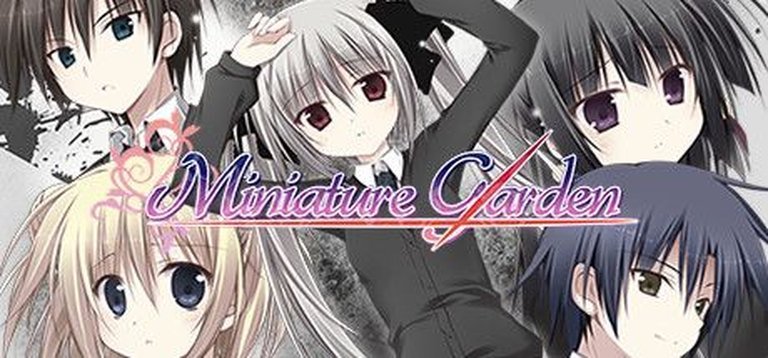
Description
Miniature Garden is a mystery visual novel set in a high school plagued by a dark curse, where players navigate multiple story paths to uncover its secrets. With atmospheric storytelling, anime-style artwork, and a mix of psychological and supernatural elements, the game offers several unique endings based on player choices. Despite some technical shortcomings like translation quirks and occasional budget constraints, it delivers an engaging, creepy narrative perfect for fans of shorter, immersive visual novels.
Gameplay Videos
Where to Buy Miniature Garden
PC
Miniature Garden Guides & Walkthroughs
Miniature Garden Reviews & Reception
metacritic.com (66/100): Miniature Garden is a good visual novel with maybe too many cliché.
mobygames.com (70/100): It is strong at establishing an atmospheric story, aided by outstanding graphics and a highly talented, very natural voice cast who know not to over-act.
opencritic.com (50/100): I don’t know what’s left to say. If this was maybe at least half its cost I could easily forgive its misgivings, alas this isn’t a 7. Yeah I’m kinda gutted it isn’t better.
operationrainfall.com : The mystery in Miniature Garden is complimented by several layers. Many elements are mixed together, such as the supernatural and conspiracy theories.
Miniature Garden: A Hauntingly Beautiful but Flawed Mystery
Introduction
Miniature Garden is a visual novel that lingers in the mind like a half-remembered dream—eerie, atmospheric, and just out of reach. Released in 2017 by developer Muzintou and publisher Fruitbat Factory, this Japanese mystery visual novel weaves a tale of psychological horror, supernatural intrigue, and teenage angst within the confines of a cursed school. While it doesn’t quite reach the heights of genre-defining works like Higurashi no Naku Koro Ni or Danganronpa, it carves out its own niche with a compelling premise, striking art, and a haunting soundtrack. However, its ambitions are occasionally undermined by budgetary constraints, translation quirks, and a narrative that struggles to fully coalesce. This review will dissect Miniature Garden in exhaustive detail, exploring its strengths, weaknesses, and lasting impact on the visual novel landscape.
Development History & Context
The Studio and Creators
Miniature Garden was developed by Muzintou, a relatively obscure Japanese studio with a small but dedicated following. The game was originally released in Japan in 2014 under the title Hakoniwa no Gakuen before being localized for Western audiences by Fruitbat Factory in 2017. Fruitbat Factory, known for bringing niche Japanese visual novels to English-speaking audiences, handled the translation and localization with a mix of success and controversy.
The creative team behind Miniature Garden included:
– Senka, the scenario writer, who crafted the game’s intricate, multi-layered mystery.
– Korie Riko, the artist, whose work with Lump of Sugar lent the game a distinct anime aesthetic.
– Kanade Nakoto, the vocalist behind the opening and ending themes, whose haunting melodies set the tone for the game.
– DOVA-SYNDROME, the composer, who provided the atmospheric soundtrack.
Technological Constraints and Era
Miniature Garden was built using the KiriKiri/KAG engine, a lightweight tool commonly used for Japanese visual novels. While this engine allowed for efficient development, it also imposed limitations, particularly in terms of animation and interactivity. The game’s reliance on static backgrounds and sprite-based character interactions reflects the constraints of its era, where visual novels were often judged more on their writing and art than their technical prowess.
The game’s release in 2017 placed it in a crowded field of mystery and horror visual novels. Titles like Danganronpa and Zero Escape had already set high standards for narrative complexity and player engagement, while indie visual novels were gaining traction on platforms like Steam. Miniature Garden had to compete with these giants, and while it didn’t quite match their scale, it offered a more intimate, character-driven experience.
The Gaming Landscape at Release
At the time of its release, the visual novel genre was experiencing a renaissance in the West, thanks in part to the success of games like Steins;Gate and Clannad. Platforms like Steam and itch.io made it easier for niche titles to find an audience, and Miniature Garden benefited from this trend. However, it also faced challenges, including a relatively high price point ($19.99 at launch) and stiff competition from other mystery-driven narratives.
Narrative & Thematic Deep Dive
Plot Overview
Miniature Garden follows Igusa Yasunari, a cynical high school student who, along with four classmates, becomes trapped in their school, the eponymous Miniature Garden, on the night of the triennial Miniature Festival. The school is steeped in legend, particularly the “Seven Mysteries,” a series of urban legends that supposedly culminate in an unnatural death during the festival. As the night progresses, the students must unravel the truth behind the rumors while confronting their own traumatic pasts.
The game’s narrative is structured around multiple endings, with seven distinct conclusions that vary based on player choices. These endings range from abrupt “game over” scenarios to more elaborate, revelatory conclusions that shed light on the school’s dark history.
Characters and Dialogue
The cast of Miniature Garden is small but well-defined, with each character embodying classic anime tropes while also possessing deeper, more complex backstories:
– Yasunari Igusa: The protagonist, a sarcastic and skeptical young man with a troubled past.
– Komiya Rio: A quiet, logical transfer student whose route leans into grounded, psychological horror.
– Sakura Ayana: Yasunari’s childhood friend, whose amnesia ties into the game’s central mystery.
– Shibaya Sumika: A bubbly, superstitious underclassman whose route emphasizes supernatural elements.
– Orimoto Itsuki: Yasunari’s best friend, whose easygoing demeanor hides darker secrets.
The dialogue is sharp and often witty, though the localization occasionally stumbles with awkward pop culture references (e.g., George Carlin and Eddie Izzard) that feel out of place in a Japanese high school setting. The voice acting, provided by industry veterans like Hidaka Rina and Tokui Sora, is excellent, though limited to the main cast.
Themes and Symbolism
Miniature Garden explores several weighty themes:
1. Memory and Trauma: Many characters suffer from amnesia or repressed memories, reflecting the game’s focus on the unreliability of perception.
2. Isolation and Confinement: The school’s locked doors and empty halls amplify the characters’ psychological distress.
3. Reality vs. Illusion: The game blurs the line between supernatural phenomena and psychological breakdowns, leaving players to question what is real.
4. Fate and Free Will: The multiple endings suggest that the characters’ choices matter, even if some paths lead to inevitable tragedy.
The game’s title itself is symbolic. A “miniature garden” implies a controlled, artificial environment—much like the school, which becomes a microcosm of the characters’ fears and desires.
Narrative Strengths and Weaknesses
Strengths:
– Atmospheric Storytelling: The game excels at building tension through its eerie setting and slow-burn mystery.
– Character Depth: Despite their tropes, the characters feel real, thanks to strong voice acting and nuanced writing.
– Multiple Perspectives: The shifting viewpoints (e.g., Rio’s route) add layers to the narrative, though this technique is not always seamless.
Weaknesses:
– Plot Holes: Some endings leave critical questions unanswered, and the game’s reliance on supernatural elements can feel like a cop-out.
– Translation Issues: While generally smooth, the localization occasionally falters with awkward phrasing and anachronistic references.
– Pacing: The slow start may deter some players, and the payoff doesn’t always justify the buildup.
Gameplay Mechanics & Systems
Core Gameplay Loop
Miniature Garden is a kinetic visual novel, meaning it lacks traditional gameplay mechanics like puzzles or combat. Instead, the experience is driven by:
– Branching Narrative: Player choices determine which of the seven endings they receive.
– Backlog and Skip Functions: Essential for replaying routes, though the skip function can be finicky.
– “Return” Button: A standout feature that allows players to backtrack to the last choice, reducing frustration during replays.
UI and Accessibility
The UI is functional but unremarkable, with a standard visual novel layout:
– Text Box: Displays dialogue and narration.
– Choice Prompts: Appear at key moments, though some choices feel arbitrary.
– Save/Load System: Simple but effective, with a blood-splatter motif that fits the game’s tone.
The game’s lack of a music player is a notable omission, given the strength of its soundtrack.
Innovations and Flaws
Innovations:
– Multiple Endings: The seven endings encourage replayability, though not all are equally satisfying.
– “Return” Button: A small but impactful quality-of-life feature.
Flaws:
– Limited Interactivity: The lack of meaningful choices beyond dialogue selections can make the game feel passive.
– Technical Hiccups: Occasional font changes and skip mode issues detract from the experience.
World-Building, Art & Sound
Setting and Atmosphere
The Miniature Garden school is a character in its own right—a labyrinthine, sun-drenched prison that shifts from idyllic to nightmarish as the story progresses. The game’s use of photographic backgrounds (albeit inconsistent in quality) grounds the setting in reality, while the anime-style character sprites add a layer of surrealism.
Visual Direction
Korie Riko’s art is a highlight, with expressive character designs that convey emotion even in static images. The CG scenes are particularly striking, though some backgrounds suffer from a noticeable drop in quality, suggesting budget constraints.
Sound Design
The soundtrack, composed by DOVA-SYNDROME, is a masterclass in mood-setting. The piano-heavy score shifts seamlessly from melancholic to unsettling, while the opening theme, “Miniature Garden of Paradise,” is a standout track that lingers long after the game ends. The voice acting is superb, though the lack of full casting for minor characters is a missed opportunity.
Reception & Legacy
Critical Reception
Miniature Garden received mixed but generally positive reviews, with critics praising its atmosphere and art while noting its flaws:
– Tech-Gaming (81%): “A catchy opening theme and art by Korie Riko signpost high production values. While Miniature Garden’s grand plot doesn’t quite live up to this potential, reveals along individual paths convey mystery well.”
– Digitally Downloaded (70%): “It is strong at establishing an atmospheric story, aided by outstanding graphics and a highly talented, very natural voice cast who know not to over-act.”
– GameGrin (50%): “If this was maybe at least half its cost I could easily forgive its misgivings, alas this isn’t a 7.”
Commercial Performance
The game’s $19.99 price point was a sticking point for some players, who felt it was overpriced for its length (6–10 hours). However, its inclusion in bundles and sales helped it find a wider audience over time.
Influence and Legacy
While Miniature Garden didn’t revolutionize the visual novel genre, it contributed to the growing popularity of mystery-driven narratives in the West. Its success paved the way for similar titles like Ephemeral: Miniature Garden (2025) and God’s Miniature Garden (2023), though neither has matched its cult appeal.
Conclusion
Miniature Garden is a flawed but fascinating visual novel that succeeds more in atmosphere than execution. Its haunting soundtrack, striking art, and psychological depth make it a memorable experience, even if its narrative stumbles under the weight of its own mysteries. For fans of mystery, horror, and character-driven storytelling, it’s a worthwhile journey—just don’t expect all the answers.
Final Verdict: 7.5/10 – A beautifully crafted but imperfect mystery that lingers in the mind long after the credits roll.
Additional Notes
- Replay Value: High, thanks to multiple endings and branching paths.
- Best For: Fans of Higurashi, Danganronpa, and psychological horror.
- Worst For: Players seeking a tightly plotted, fully resolved narrative.
Miniature Garden may not be a masterpiece, but it’s a testament to the power of atmosphere and character in storytelling—a miniature garden of intrigue worth exploring.