
- Release Year: 2022
- Platforms: Windows
- Publisher: LoneWolf Games
- Developer: LoneWolf Games
- Genre: Action, Adventure
- Perspective: Diagonal-down
- Game Mode: Single-player
- Setting: Fantasy
- Average Score: 83/100
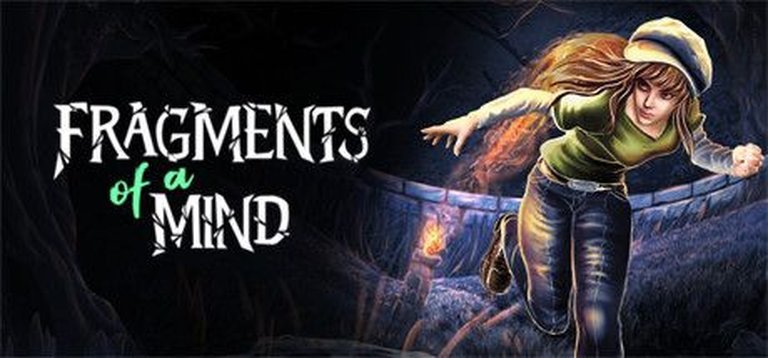
Description
Fragments Of A Mind is an action-adventure game set in a surreal, fantasy world where Cassandra, the protagonist, becomes trapped in her own twisted dreams after a mysterious event in a secluded mountain cabin. To escape, she must navigate through nightmarish landscapes, battle powerful foes, solve intricate puzzles, and uncover hidden memory fragments that reveal the dark secrets buried in her mind. The game blends fast-paced combat, strategic planning, and exploration across diverse environments like decaying marshes and eerie catacombs, with a tiered perk system and multiple difficulty levels to cater to both casual and hardcore players.
Gameplay Videos
Where to Buy Fragments Of A Mind
Fragments Of A Mind Patches & Updates
Fragments Of A Mind Guides & Walkthroughs
Fragments Of A Mind Reviews & Reception
store.steampowered.com (81/100): A triumphant return to form for the series.
steambase.io (85/100): Fragments Of A Mind has earned a Player Score of 85 / 100.
steamcommunity.com : This game deserves more praise. Gameplay and optimization are surprisingly good.
Fragments Of A Mind: A Hidden Gem in the Dreamlike Labyrinth of Indie Games
Introduction: A Journey Through the Subconscious
Fragments Of A Mind is a game that defies easy categorization. Released in March 2022 by the small but ambitious studio Silver Eye Studios (also known as LoneWolf Games), this title blends action, adventure, puzzle-solving, and narrative depth into a surreal, dreamlike experience. At its core, the game is a psychological odyssey, where players guide Cassandra, a woman trapped in her own nightmares, through a series of twisted dreamscapes to uncover the dark secrets buried in her subconscious.
The game’s premise is deceptively simple: Cassandra finds herself in a secluded mountain cabin, only to be thrust into a world of fragmented memories and surreal landscapes. Yet, beneath this straightforward setup lies a rich tapestry of themes—memory, trauma, deception, and self-discovery—that elevate Fragments Of A Mind beyond the typical indie fare. It’s a game that challenges players not just with its mechanics, but with its emotional and intellectual depth.
In this review, we’ll dissect Fragments Of A Mind in exhaustive detail, exploring its development history, narrative intricacies, gameplay systems, artistic direction, and legacy. By the end, we’ll determine whether this underappreciated title deserves a place in the pantheon of great indie games or if it remains a fascinating but flawed experiment.
Development History & Context: The Birth of a Dream
The Studio Behind the Nightmare
Fragments Of A Mind was developed by Silver Eye Studios, a small indie team operating under the banner of LoneWolf Games. The studio’s portfolio includes a mix of action, puzzle, and narrative-driven games, but Fragments Of A Mind stands out as their most ambitious project to date. According to the game’s Steam page and community discussions, the team consisted of a handful of developers, with Peter Kovac listed as the primary developer and publisher on Metacritic.
The game’s development was a labor of love, with the team focusing heavily on crafting a unique experience rather than chasing market trends. In a Steam community post, the developer acknowledged the challenges of marketing the game, stating, “I submitted the game to many reviewers (YouTube & similar social media), and also many events, but didn’t hear back from the vast majority of them. Also, this is a project of a tiny team, so we spent most of our time on the actual game than on marketing and promotions (also, very limited budget).”
This lack of marketing budget and visibility likely contributed to the game’s modest commercial performance, despite its positive reception among those who played it. The developer’s candid admission highlights the struggles many indie studios face in an oversaturated market.
Technological Constraints and Design Choices
Fragments Of A Mind was built using the Unity engine, a popular choice for indie developers due to its accessibility and flexibility. The game’s diagonal-down perspective and direct control interface are reminiscent of classic action-adventure titles, but with a modern twist. The decision to use Unity allowed the team to focus on gameplay and narrative rather than engine development, but it also meant working within the constraints of a widely used tool.
The game’s visual style is a blend of fantasy and surrealism, with environments ranging from decaying marshes to colorful Japanese gardens and dark catacombs. The art direction is ambitious, aiming to create a dreamlike atmosphere that reflects Cassandra’s fractured psyche. However, the game’s modest budget and small team size are evident in some of the asset designs, which occasionally lack the polish of bigger-budget titles.
The Gaming Landscape in 2022
Fragments Of A Mind was released in March 2022, a year that saw a surge in indie games exploring psychological and narrative-driven themes. Titles like Dreamscaper and Inscryption dominated the conversation, making it difficult for smaller games to stand out. The game’s release also coincided with the ongoing COVID-19 pandemic, which disrupted traditional marketing channels and made it harder for indie developers to gain traction.
Despite these challenges, Fragments Of A Mind carved out a niche for itself, appealing to players who craved a mix of action, puzzle-solving, and deep storytelling. Its Steam reviews, while few in number, are overwhelmingly positive, with an 81% approval rating from 11 user reviews. This suggests that the game resonated with those who discovered it, even if it struggled to reach a wider audience.
Narrative & Thematic Deep Dive: Unraveling Cassandra’s Psyche
The Plot: A Descent into Madness
The story of Fragments Of A Mind begins with Cassandra, a woman who finds herself trapped in a secluded mountain cabin after an “unexpected turn of events.” From there, she is thrust into a series of nightmares, each representing a fragment of her shattered memories. The game’s narrative unfolds as Cassandra explores these dreamscapes, uncovering clues about her past and the dark secret that threatens to consume her.
The plot is deliberately ambiguous, with the game’s Steam description hinting at themes of betrayal, abuse, and self-deception. The story is told through environmental storytelling, dialogue snippets, and the collection of memory fragments scattered throughout the game world. Players must piece together Cassandra’s past, much like solving a puzzle, to understand the full scope of her trauma.
Characters and Dialogue
Cassandra is the sole protagonist of Fragments Of A Mind, and her journey is a deeply personal one. The game’s dialogue is sparse but effective, with Cassandra’s internal monologue and occasional interactions with dream entities providing insight into her psychological state. The writing is atmospheric and evocative, though it occasionally veers into melodrama.
The game’s supporting cast consists of surreal dream figures, each representing a different aspect of Cassandra’s psyche. These characters are more symbolic than fully realized, serving as manifestations of her fears, regrets, and repressed memories. Their designs are striking, with some drawing inspiration from fantasy and horror tropes, while others are more abstract.
Themes: Memory, Trauma, and Self-Discovery
At its heart, Fragments Of A Mind is a game about memory and the ways in which trauma shapes our perception of reality. The game’s dreamlike setting allows it to explore these themes in a non-linear fashion, with each chapter representing a different facet of Cassandra’s psyche. The game’s central question—what is the dark secret hidden in Cassandra’s mind?—drives the narrative forward, compelling players to uncover the truth.
The game also touches on themes of abuse and homelessness, as noted in its mature content description. These themes are handled with a degree of subtlety, though they are not explored in as much depth as they could be. The game’s focus on psychological horror and surrealism sometimes overshadows its more grounded themes, but they remain an important part of Cassandra’s story.
The Ending: A Twist of Fate
Without spoiling the game’s conclusion, Fragments Of A Mind builds to a climactic reveal that reframes everything the player has experienced. The ending is ambiguous, leaving room for interpretation, but it is also deeply satisfying for those who have invested in Cassandra’s journey. The game’s final moments are a testament to its narrative ambition, even if they may not resonate with every player.
Gameplay Mechanics & Systems: A Surreal Challenge
Core Gameplay Loop
Fragments Of A Mind is a hybrid of action, adventure, and puzzle-solving, with a strong emphasis on exploration and combat. The game is divided into chapters, each representing a different dreamscape. Players must navigate these environments, solving puzzles, avoiding traps, and battling enemies to progress.
The game’s combat system is one of its standout features. Battles are fast-paced and require strategic thinking, with each enemy having unique weaknesses that must be exploited. The game’s difficulty can be adjusted, making it accessible to both casual and experienced players. On harder difficulties, combat becomes a test of reflexes and strategy, while easier settings allow players to focus on the narrative and puzzles.
Puzzle-Solving and Exploration
Puzzles are a major component of Fragments Of A Mind, with each chapter featuring a variety of challenges. These range from simple riddles to complex environmental puzzles that require players to manipulate the game world in creative ways. The puzzles are well-integrated into the narrative, often serving as metaphors for Cassandra’s psychological struggles.
Exploration is equally important, with memory fragments hidden throughout the game world. These fragments provide insight into Cassandra’s past and are essential for unlocking the game’s true ending. Some fragments are easy to find, while others are hidden behind secret doors or guarded by powerful enemies, encouraging players to thoroughly explore each environment.
Character Progression and Perks
Fragments Of A Mind features a tiered perk system that allows players to customize Cassandra’s abilities. Perks are unlocked as the player progresses, and they can be used to tailor Cassandra’s skills to different challenges. For example, some perks enhance combat abilities, while others improve puzzle-solving or exploration.
The perk system is one of the game’s most innovative features, as it allows for a high degree of player agency. However, it is also one of its most underdeveloped aspects. The perks are useful, but they do not fundamentally change the way the game is played. This lack of depth may disappoint players who enjoy deep character customization.
UI and Accessibility
The game’s user interface is clean and intuitive, with a minimalist design that complements the dreamlike aesthetic. The UI provides essential information, such as health, abilities, and objectives, without overwhelming the player. However, the game’s lack of a map or waypoint system can make navigation confusing, especially in later chapters where the environments become more complex.
Accessibility options are limited, with the game offering only basic difficulty settings. There are no options for colorblind players or those with motor impairments, which may limit the game’s appeal to a broader audience.
World-Building, Art & Sound: A Dreamlike Tapestry
Setting and Atmosphere
Fragments Of A Mind takes place in a series of surreal dreamscapes, each representing a different aspect of Cassandra’s psyche. The game’s environments are diverse, ranging from decaying marshes to vibrant Japanese gardens and eerie catacombs. Each setting is richly detailed, with a strong sense of atmosphere that immerses players in Cassandra’s nightmares.
The game’s art direction is one of its strongest assets. The environments are visually striking, with a mix of fantasy and surrealism that creates a unique aesthetic. The game’s use of color is particularly effective, with each dreamscape having its own distinct palette. For example, the Japanese garden chapter is awash in vibrant hues, while the catacombs are shrouded in darkness.
Visual Design and Animation
The game’s character and enemy designs are equally impressive. Cassandra is a well-realized protagonist, with a design that reflects her psychological state. The enemies, meanwhile, are a mix of fantasy creatures and surreal dream figures, each with its own unique appearance and animations.
The game’s animations are fluid and expressive, though they occasionally suffer from the limitations of the Unity engine. Some animations, particularly those of the enemies, can feel stiff or repetitive, detracting from the overall immersion.
Sound Design and Music
The sound design in Fragments Of A Mind is atmospheric and immersive, with a mix of ambient noises and eerie sound effects that enhance the game’s dreamlike atmosphere. The game’s soundtrack is equally impressive, with a mix of orchestral and electronic music that complements the surreal setting.
The voice acting, while limited, is well-done, with Cassandra’s internal monologue providing insight into her psychological state. The game’s sound design is one of its strongest aspects, helping to create a sense of unease and tension that permeates the entire experience.
Reception & Legacy: A Hidden Gem
Critical and Commercial Reception
Fragments Of A Mind received a modest but positive reception upon its release. The game’s Steam reviews are overwhelmingly positive, with an 81% approval rating from 11 user reviews. Players praised the game’s narrative depth, challenging gameplay, and surreal atmosphere, though some criticized its lack of polish and limited marketing.
The game’s commercial performance was less impressive, with the game struggling to gain traction in an oversaturated market. The developer’s lack of marketing budget and visibility likely contributed to the game’s modest sales, despite its positive reception among those who played it.
Influence and Legacy
Fragments Of A Mind is not a game that has had a major impact on the industry, but it is a title that deserves recognition for its ambition and creativity. The game’s blend of action, puzzle-solving, and narrative depth is a rare combination, and its surreal atmosphere sets it apart from other indie titles.
The game’s legacy is likely to be one of a hidden gem—a title that resonated with a small but dedicated audience but failed to achieve widespread recognition. However, its positive reception and unique design may inspire future indie developers to explore similar themes and mechanics.
Conclusion: A Flawed but Fascinating Journey
Fragments Of A Mind is a game that defies easy categorization. It is a surreal, dreamlike experience that blends action, adventure, and puzzle-solving into a cohesive whole. The game’s narrative depth, challenging gameplay, and striking visual design make it a standout title in the indie space, even if its lack of polish and limited marketing have prevented it from achieving widespread recognition.
The game’s greatest strength is its ambition. Fragments Of A Mind is not content to be just another action-adventure title; it aims to be a psychological odyssey, a journey through the fractured mind of its protagonist. While it does not always succeed in its lofty goals, it is a game that deserves to be experienced by those who appreciate narrative depth and surreal atmosphere.
Final Verdict: 8/10 – A hidden gem that rewards those willing to explore its dreamlike depths.
Fragments Of A Mind may not be a perfect game, but it is a fascinating one. It is a testament to the creativity and ambition of indie developers, and it deserves a place in the pantheon of great psychological horror and adventure games. If you’re a fan of surreal narratives, challenging gameplay, and striking visual design, Fragments Of A Mind is well worth your time.