
- Release Year: 2023
- Platforms: PlayStation 4, PlayStation 5, Windows, Xbox One, Xbox Series
- Publisher: Blizzard Entertainment Inc.
- Developer: Blizzard Entertainment Inc.
- Genre: Role-playing, RPG
- Perspective: Diagonal-down
- Game Mode: Online Co-op, Online PVP, Single-player
- Gameplay: Character customization, Crafting, Dungeon Crawling, Looting, Mounts, Open World, Real-time combat, Seasonal events, Skill Tree
- Setting: Dark, Fantasy, Gothic
- Average Score: 86/100
Description
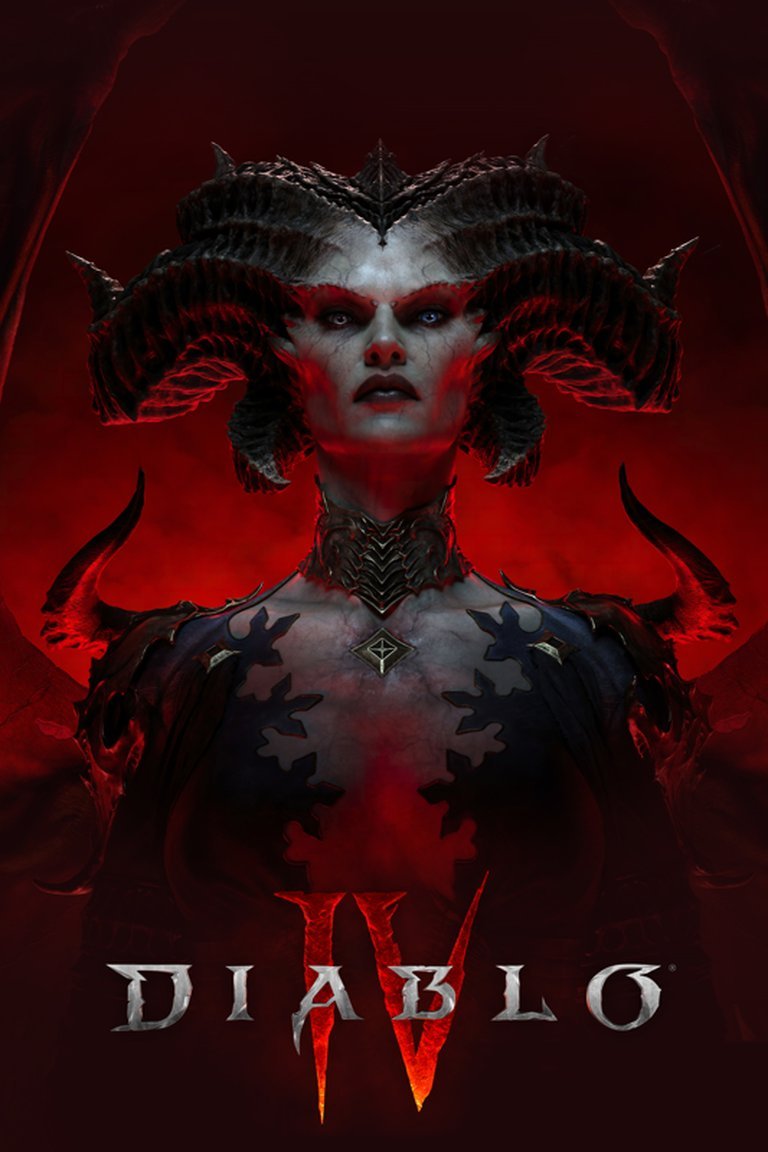
Diablo IV is an action role-playing game set in the dark fantasy world of Sanctuary, where players battle demons, cultists, and corrupted forces as they confront Lilith, the daughter of Mephisto, whose return threatens to plunge the world into chaos. Players choose from classes like Barbarian, Sorcerer, or Necromancer, each with unique abilities, and explore an open world filled with dungeons, world events, and multiplayer challenges. The game blends real-time combat, deep character progression, and a grim narrative, offering both solo and cooperative gameplay in a shared online world.
Gameplay Videos
Where to Buy Diablo IV
PC
Diablo IV Mods
Diablo IV Guides & Walkthroughs
Diablo IV Reviews & Reception
metacritic.com (86/100): Diablo IV is a triumphant return to the series that captures the essence of what made the franchise so beloved while introducing fresh and innovative elements.
ign.com : A masterful ARPG that’s diabolically hard to put down.
pcgamer.com : Diablo 4 is packed with powerful class builds and exciting loot to find, but clouds its most creative aspects with an overly bleak world and restrictive endgame systems.
Diablo IV: A Triumphant Return to Darkness
Introduction
Diablo IV is not just a game; it’s a testament to the enduring legacy of the Diablo franchise. With its release on June 6, 2023, Blizzard Entertainment has once again plunged players into the dark, gothic world of Sanctuary, where the forces of Heaven and Hell clash in an eternal struggle. This latest installment in the series has been met with critical acclaim, praised for its narrative depth, atmospheric world-building, and engaging gameplay mechanics. Diablo IV is a masterful blend of the best elements from its predecessors, offering a fresh yet familiar experience that captivates both longtime fans and newcomers alike.
Development History & Context
The development of Diablo IV has been a journey marked by ambition, challenges, and a commitment to reviving the dark, gothic roots of the franchise. Announced at BlizzCon 2019, the game was developed by Blizzard Team 3 and Blizzard Albany, with a vision to create a more grounded and immersive experience than its predecessor, Diablo III. The game’s development spanned over six years, during which the team faced significant challenges, including leadership changes and the impact of the California Department of Fair Employment and Housing v. Activision Blizzard lawsuit.
The game’s aesthetic was inspired by heavy metal and the works of artists like Frank Frazetta and Gerald Brom, blending the darkness of Diablo II with the hand-painted feel of Diablo III. The development team drew on past editions of Diablo to design characters, ensuring that each class had a distinct identity and gameplay style. The game was released on multiple platforms, including PlayStation 4, PlayStation 5, Windows, Xbox One, and Xbox Series X/S, with crossplay and cross-progression features to enhance the multiplayer experience.
Narrative & Thematic Deep Dive
Diablo IV’s narrative is a compelling exploration of the eternal conflict between the High Heavens and the Burning Hells, set in the world of Sanctuary. The story revolves around Lilith, the daughter of Mephisto, who has been summoned back to Sanctuary after centuries of fragile peace. The player takes on the role of a wandering adventurer entangled in the struggle between the forces of Heaven and Hell, pursuing Lilith’s followers and uncovering dark secrets.
The narrative unfolds through cinematic cutscenes and dialogue with key characters, revealing the consequences of ancient conflicts and the manipulation of mortals by higher powers. The game’s themes of hatred, power, and redemption are explored through the player’s journey, as they confront the dark forces threatening to plunge Sanctuary into chaos. The story is a testament to Blizzard’s storytelling prowess, offering a rich and immersive experience that draws players into the world of Sanctuary.
Gameplay Mechanics & Systems
Diablo IV’s gameplay is a masterful blend of the best elements from its predecessors, offering a fresh yet familiar experience. The game features five playable classes at launch: Barbarian, Sorcerer, Druid, Rogue, and Necromancer, each with distinct abilities and playstyles. The combat system is designed to be visceral and engaging, with a focus on chaining attacks, using cooldown-based skills, and combining class-specific mechanics.
The game’s progression system is tied to experience points earned from defeating enemies and completing quests. Leveling up grants points that can be assigned to an expansive skill tree, allowing for specialization in offensive or defensive powers. The inventory system allows players to manage limited space while prioritizing gear improvements, socketing gems, and using consumables like healing potions.
Diablo IV introduces several innovative systems, including the Paragon Board, which features a vast talent tree to continue empowering the player character. The game also includes a new harvesting mechanic, allowing players to gather herbs and ores to upgrade their potions and craft gems. The evade function, assigned to the space bar on PC, allows players to dodge enemy attacks, making them completely invincible for the duration of time.
World-Building, Art & Sound
Diablo IV’s world-building is a testament to Blizzard’s commitment to creating a dark, immersive, and atmospheric experience. The game’s setting, Sanctuary, is a world plagued by demons, cultists, and corrupted humans, where the forces of Heaven and Hell clash in an eternal struggle. The game’s art direction is inspired by heavy metal and the works of artists like Frank Frazetta and Gerald Brom, blending the darkness of Diablo II with the hand-painted feel of Diablo III.
The game’s sound design is equally impressive, with a haunting and daunting soundtrack that complements the game’s dark and atmospheric world. The voice acting is top-notch, with performances that bring the game’s characters to life and enhance the overall narrative experience. The combination of visual and auditory elements creates a world that is both beautiful and terrifying, drawing players into the dark and immersive world of Sanctuary.
Reception & Legacy
Diablo IV has been met with critical acclaim, praised for its narrative depth, atmospheric world-building, and engaging gameplay mechanics. The game has received “generally favorable” reviews for the Windows and PlayStation 5 versions, and “universal acclaim” for the Xbox Series X version, according to review aggregator Metacritic. Critics have praised the game’s atmosphere, storytelling, visuals, level design, and overall improvements to the gameplay over its predecessor.
The game has also been a commercial success, generating $666 million in revenue within the first five days after launch and reaching 12 million players by August 2023. Diablo IV’s success is a testament to Blizzard’s commitment to creating a dark, immersive, and engaging experience that captivates both longtime fans and newcomers alike. The game’s legacy is one of triumph, marking a return to form for the Diablo franchise and setting a new standard for the action RPG genre.
Conclusion
Diablo IV is a triumphant return to the dark, gothic roots of the Diablo franchise. With its compelling narrative, atmospheric world-building, and engaging gameplay mechanics, the game offers a fresh yet familiar experience that captivates both longtime fans and newcomers alike. The game’s success is a testament to Blizzard’s commitment to creating a dark, immersive, and engaging experience that sets a new standard for the action RPG genre. Diablo IV is not just a game; it’s a testament to the enduring legacy of the Diablo franchise, marking a return to form and setting the stage for future installments in the series.