
- Release Year: 2015
- Platforms: Linux, Macintosh, Windows
- Publisher: Pixel Barrage Entertainment, Inc.
- Developer: Pixel Barrage Entertainment, Inc.
- Genre: Action
- Perspective: Side view
- Game Mode: Single-player
- Gameplay: Platform
- Setting: Fantasy
- Average Score: 84/100
Description
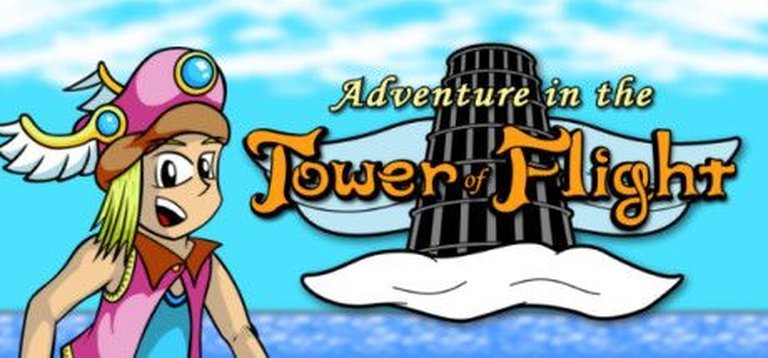
Adventure in the Tower of Flight is a nostalgic 2D platformer that channels the spirit of classic NES games. Players embark on a challenging journey to climb a towering structure filled with diverse, themed environments—from fiery depths to snowy peaks—battling monsters, collecting coins, and uncovering hidden secrets. With retro-inspired visuals, a straightforward yet engaging gameplay loop, and a mix of action and exploration, the game tasks players with reaching the summit to claim rulership over the world. While the level design and enemy variety shine, the boss fights are notably simplistic, detracting from an otherwise polished retro experience.
Gameplay Videos
Where to Buy Adventure in the Tower of Flight
PC
Adventure in the Tower of Flight Guides & Walkthroughs
Adventure in the Tower of Flight Reviews & Reception
saveorquit.com : A decent retro platformer with enjoyable hours, but disappointing boss fights.
steambase.io (84/100): Very Positive rating with a Player Score of 84/100.
indiegamerchick.com : A decent neo-retro platformer that plays it safe, but lacks originality.
niklasnotes.com (84/100): Well-received for its nostalgic appeal and fun gameplay, but criticized for its short playtime and linear design.
Adventure in the Tower of Flight: A Retro Revival with Mixed Results
Introduction
Adventure in the Tower of Flight (2015) is a retro-styled 2D platformer that attempts to recapture the magic of classic NES-era games while introducing a unique flight mechanic. Developed by Pixel Barrage Entertainment, this indie title positions itself as a love letter to the golden age of platformers, blending familiar tropes with modern sensibilities. However, its reception has been mixed, with critics and players praising its nostalgic charm while lamenting its lack of innovation and underwhelming boss encounters. This review will dissect the game’s development, narrative, gameplay, aesthetics, and legacy to determine whether it soars or stumbles in its quest to revive retro platforming.
Development History & Context
The Studio and Vision
Pixel Barrage Entertainment, a small indie studio, set out to create a game that would evoke the nostalgia of 1980s platformers while incorporating contemporary design elements. The studio’s vision was clear: craft a title that felt like a lost NES classic, complete with pixel art, chiptune music, and tight, responsive controls. The game was built using the Unity engine, allowing for cross-platform releases on Windows, macOS, and Linux—a nod to modern accessibility while retaining retro aesthetics.
Technological Constraints and Design Choices
Despite its retro inspirations, Adventure in the Tower of Flight leveraged modern tools to refine its mechanics. The flight mechanic, a central innovation, was designed to differentiate the game from traditional platformers like Super Mario Bros. or Castlevania. However, the studio faced challenges in balancing this mechanic, as the limited flight duration could frustrate players accustomed to more fluid movement. Additionally, the game’s linear level design and lack of backtracking opportunities were deliberate choices to emulate the straightforward progression of classic platformers, though this decision was later criticized for limiting exploration.
The Gaming Landscape in 2015
The mid-2010s saw a resurgence of retro-inspired indie games, with titles like Shovel Knight (2014) and Axiom Verge (2015) setting high standards for the genre. Adventure in the Tower of Flight entered this competitive space with a modest budget and a niche appeal, targeting players who yearned for the simplicity and challenge of 8-bit platformers. However, its release coincided with a market saturated with similar titles, making it difficult to stand out despite its unique flight mechanic.
Narrative & Thematic Deep Dive
Plot Overview
The game’s story is a straightforward fantasy adventure: players assume the role of Wing, a young adventurer tasked with climbing a tower to collect five sacred relics and become the ruler of the known world. The narrative is minimal, serving primarily as a framework for the gameplay. The tower itself is divided into themed sections, each culminating in a boss battle, a structure reminiscent of Castlevania or Ghosts ‘n Goblins.
Themes and Symbolism
While the plot is thin, the game’s themes of perseverance and ambition are reinforced through its level design and progression. The tower symbolizes both a physical and metaphorical challenge, with each floor representing a trial that Wing must overcome. The relics, once symbols of divine favor, now serve as tests of worthiness, reflecting the game’s emphasis on skill and determination.
Characters and Dialogue
The game’s cast is sparse, with Wing as the sole protagonist and a handful of NPCs providing minimal interaction. The dialogue is functional but unremarkable, focusing on exposition rather than character development. The lack of depth in the narrative is a deliberate choice, prioritizing gameplay over storytelling—a common trait in retro platformers.
Gameplay Mechanics & Systems
Core Gameplay Loop
Adventure in the Tower of Flight is a side-scrolling platformer with a twist: instead of traditional jumping, players can fly for short bursts, adding a layer of verticality to the gameplay. This mechanic is central to the game’s identity, requiring players to time their flights carefully to navigate obstacles and enemies. The controls are responsive, though the flight duration is limited, forcing players to strategize their movements.
Combat and Progression
Combat is simple but effective, with Wing wielding a sword that can be upgraded throughout the game. Enemies are varied in appearance but follow predictable patterns, making encounters more about reflexes than strategy. The game features a currency system with coins and feathers, which can be spent on health refills, extra lives, and revive bottles. However, the shop system is underutilized, offering little beyond basic consumables.
Level Design and Exploration
The level design is one of the game’s strongest aspects, with each themed section of the tower offering distinct visuals and challenges. From fiery caverns to icy peaks, the environments are diverse and well-crafted. Hidden passages and secret rooms reward exploration, though the linear progression limits backtracking. The difficulty curve is well-balanced, with higher difficulty modes providing a challenge for veteran players.
Boss Fights: A Missed Opportunity
The game’s most significant flaw lies in its boss encounters. Despite their visual distinctiveness, the bosses follow predictable patterns and lack the depth or creativity seen in other retro-inspired titles. This shortcoming undermines the game’s otherwise solid mechanics, leaving players with a sense of unfulfilled potential.
World-Building, Art & Sound
Visual Design and Atmosphere
The game’s pixel art is a standout feature, faithfully recreating the aesthetic of NES-era platformers while incorporating modern polish. The environments are vibrant and detailed, with each themed section of the tower offering a unique visual identity. The character designs, particularly the enemies, are creative and varied, though the limited enemy types can make encounters feel repetitive.
Sound and Music
The chiptune soundtrack is a highlight, evoking the nostalgic charm of classic platformers while maintaining a distinct identity. The music is catchy and well-composed, though some tracks may feel generic to players accustomed to more innovative retro-inspired scores. The sound effects are functional, with each action accompanied by appropriate audio cues.
Atmosphere and Immersion
The game’s atmosphere is heavily influenced by its retro aesthetic, creating a sense of nostalgia that will appeal to fans of classic platformers. The tower’s verticality and themed sections contribute to a sense of progression, though the lack of narrative depth may limit immersion for some players.
Reception & Legacy
Critical and Commercial Reception
Adventure in the Tower of Flight received mixed reviews upon release. Critics praised its faithful recreation of retro platforming mechanics and its charming visuals but criticized its lack of innovation and underwhelming boss fights. The game’s reception on Steam has been largely positive, with an 84% approval rating from players who appreciate its nostalgic appeal. However, its commercial success was limited, with the game struggling to stand out in a crowded market.
Influence and Legacy
While Adventure in the Tower of Flight did not achieve the same level of acclaim as contemporaries like Shovel Knight, it remains a notable entry in the retro platformer genre. Its unique flight mechanic and faithful retro aesthetic have influenced subsequent indie titles, though its legacy is overshadowed by more innovative games. The title’s mixed reception serves as a cautionary tale for indie developers seeking to balance nostalgia with modern design sensibilities.
Conclusion
Adventure in the Tower of Flight is a competent but unremarkable retro platformer that succeeds in recreating the feel of classic NES games while failing to innovate beyond its inspirations. Its flight mechanic and diverse level design are highlights, but the underwhelming boss fights and lack of narrative depth prevent it from reaching the heights of its contemporaries. For fans of retro platformers, it offers a nostalgic and enjoyable experience, but those seeking innovation or depth may find it lacking.
Final Verdict: 7/10 – A solid retro platformer with charming visuals and tight controls, but held back by uninspired boss fights and a lack of innovation.