
- Release Year: 2023
- Platforms: Macintosh, Windows
- Publisher: Ariorick
- Developer: Ariorick
- Genre: Adventure
- Perspective: Side view
- Game Mode: Single-player
- Gameplay: Visual novel
- Setting: Fantasy
- Average Score: 95/100
Description
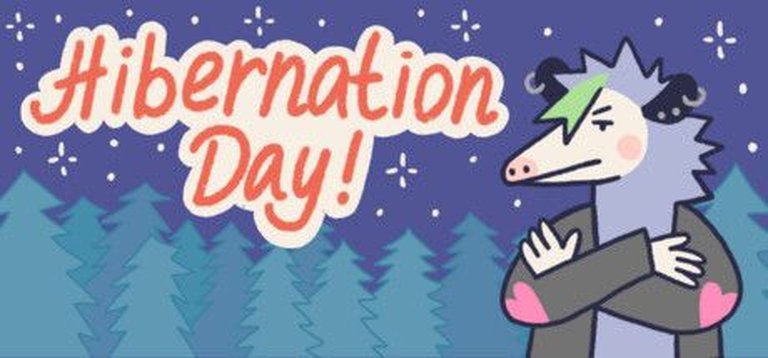
Hibernation Day is a short, heartfelt visual novel set on the eve of a long winter slumber, where family tensions rise as the holiday celebration unravels. As the player, you navigate the struggles of a fractured household—mediating between a disgruntled older sister, a missing younger brother, and bickering parents—while uncovering moments of humor and warmth. With a runtime of about 20 minutes, the game blends a slightly non-linear narrative with cozy winter dialogue, offering a relatable, New Year’s-inspired story about reconciliation and the bonds that hold families together.
Gameplay Videos
Where to Buy Hibernation Day
PC
Hibernation Day Patches & Updates
Hibernation Day Guides & Walkthroughs
Hibernation Day Reviews & Reception
steambase.io (96/100): Hibernation Day has earned a Player Score of 96 / 100.
store.steampowered.com (95/100): Very Positive (95% of the 204 user reviews for this game are positive).
Hibernation Day: A Cozy, Heartfelt Exploration of Family and Winter’s Warmth
Introduction: A Small Game with a Big Heart
In an era where video games often prioritize sprawling open worlds, high-octane action, or hundred-hour RPGs, Hibernation Day arrives as a quiet, unassuming gem—a 20-minute visual novel that manages to say more about family, conflict, and warmth than many titles ten times its length. Released on December 14, 2023, by the tiny indie studio Ariorick, this free-to-play adventure is a testament to the power of concise storytelling, charming aesthetics, and emotional resonance.
At its core, Hibernation Day is a dialogue-driven, side-view visual novel that places players in the role of a young possum navigating the tensions of their family on the eve of a long winter hibernation. The premise is simple: the holiday celebration is falling apart, siblings are at odds, parents are arguing, and the player must mediate these conflicts before the fireworks begin. Yet, within this modest framework lies a richly layered narrative about familial bonds, personal growth, and the small, meaningful choices that define relationships.
This review will dissect Hibernation Day in exhaustive detail—from its development origins and narrative depth to its gameplay mechanics, artistic direction, and cultural impact. By the end, we’ll determine whether this brief but brilliant experience deserves a place in the pantheon of indie storytelling masterpieces or if it remains a charming, if forgettable, diversion.
Development History & Context: A Labor of Love from a Tiny Team
The Studio: Ariorick’s Humble Beginnings
Ariorick is not a household name in gaming—far from it. The studio consists of just three people:
– Serezhka Korneevskii (Developer & Game Designer)
– Aleksandr Korneevskii (Writer)
– Nastasia Viatkina (Artist)
This trio, operating with minimal resources, crafted Hibernation Day as a passion project, drawing from their own personal experiences with family dynamics. The game’s Steam description even playfully warns players: “You must be aware that this game is our love-child, and if you treat it poorly, you should expect us to visit your parents for the explanations.” This tongue-in-cheek threat underscores the deep personal investment the team had in the project.
From Game Jam to Steam: A Rapid Evolution
Hibernation Day began as an entry in the Cozy Winter Jam 2022, where it was developed in just three days. The initial version was a rough but promising prototype, featuring the core premise of a possum family struggling to reconcile before hibernation. Encouraged by positive feedback, the team expanded it over the next month for the Winter Visual Novel Jam 2022, adding:
– Branching dialogue (though the game remains largely linear)
– Additional characters (including a surprising late-game reveal)
– A full finale complete with fireworks and emotional resolution
The final product, released on Steam and itch.io in December 2023, is a polished, heartfelt experience that retains the cozy, handcrafted charm of its game jam origins while refining its narrative and visual presentation.
Technological Constraints & the Godot Engine
Built using the Godot Engine, an open-source alternative to Unity and Unreal, Hibernation Day leverages the engine’s lightweight, 2D-friendly toolset to create a visually appealing yet technically undemanding experience. The game’s minimal system requirements (Windows XP/Vista/7/8/10, 4GB RAM, 512MB VRAM) ensure it runs smoothly on even the most modest hardware—a deliberate choice to maximize accessibility.
The decision to use Godot also reflects the team’s indie ethos, avoiding the financial and ethical complications of proprietary engines. This aligns with the game’s free-to-play model, which removes barriers to entry and allows the story to reach as wide an audience as possible.
The Gaming Landscape in Late 2023: A Breath of Fresh Air
At the time of Hibernation Day’s release, the gaming industry was dominated by:
– AAA blockbusters (Baldur’s Gate 3, Starfield, The Legend of Zelda: Tears of the Kingdom)
– Live-service controversies (Diablo IV, Call of Duty: Modern Warfare III)
– Indie darlings with massive scope (Sea of Stars, Cocoon)
In this environment, Hibernation Day stood out as a deliberately small, intimate experience—a palate cleanser for players weary of bloated runtimes and microtransactions. Its free price tag, short playtime, and wholesome themes made it an instant hit among fans of visual novels, cozy games, and narrative-driven experiences.
Narrative & Thematic Deep Dive: A Possum Family’s Last Day Before Hibernation
Plot Summary: A Holiday in Crisis
The game takes place on Hibernation Day, a fictional holiday marking the last day before a family of possums enters their winter slumber. The player assumes the role of the middle child, tasked with mediating the family’s conflicts before the night’s fireworks display.
The setup is deceptively simple:
– The older sister is frustrated at being stuck at home.
– The younger brother is missing, adding to the tension.
– The parents are arguing (as they “often do”).
– The player must navigate these relationships, making choices that determine whether the family reconciles or remains fractured.
Character Analysis: A Family of Flawed but Lovable Possums
Each family member is distinct, relatable, and flawed, making their conflicts feel authentic rather than contrived.
-
The Player Character (Middle Child)
- Serves as the mediator, the one who must listen, empathize, and guide the family toward resolution.
- Unlike many visual novel protagonists, they are not a silent cipher—their personality shines through in their dialogue options.
-
The Older Sister
- Rebellious, independent, and resentful of being confined to the family home.
- Represents the struggle for autonomy common in older siblings.
- Her dialogue is sharp, sarcastic, and often funny, but her underlying frustration is palpable.
-
The Younger Brother
- Playful, mischievous, and absent for much of the game, creating a sense of mystery.
- His eventual appearance (and the reason for his disappearance) adds a touching emotional beat to the story.
-
The Parents
- Arguing over mundane but meaningful issues (likely financial stress, differing parenting styles, or unmet expectations).
- Their conflict is never fully detailed, leaving room for player interpretation—a smart narrative choice that makes the story universally relatable.
Themes: More Than Just a Cute Animal Story
Beneath its whimsical, cartoony exterior, Hibernation Day explores profound, universally human themes:
-
The Fragility of Family Bonds
- The game doesn’t shy away from conflict—arguments, resentment, and misunderstandings are central to the experience.
- Yet, it also celebrates reconciliation, showing how small acts of kindness can mend even deep-seated tensions.
-
The Weight of Responsibility (Especially for Middle Children)
- The player’s role as the peacemaker reflects the real-life burden often placed on middle children in families.
- The game subtly critiques the expectation that one person must “fix” everything, while also affirming the value of empathy.
-
The Passage of Time and the Fear of Missing Out
- The looming hibernation serves as a metaphor for change, growth, and the inevitability of separation.
- The older sister’s frustration at being “stuck” mirrors the anxiety of youth—wanting independence but fearing the loss of familial connection.
-
Humor as a Coping Mechanism
- The game’s witty, often absurd dialogue prevents it from becoming overly sentimental.
- Jokes about possum biology, sibling rivalry, and parental quirks keep the tone lighthearted yet meaningful.
Dialogue & Writing: Sharp, Witty, and Emotionally Resonant
Aleksandr Korneevskii’s writing is the heart of Hibernation Day. The dialogue is:
– Natural and fluid, avoiding the stiffness of many visual novels.
– Humor is seamlessly woven into serious moments, preventing the game from feeling melodramatic.
– Player choices matter, not in a “save the world” way, but in subtle, character-driven shifts that alter how family members perceive one another.
Example of Strong Writing:
Older Sister: “Ugh, I can’t believe we’re stuck here again. It’s like Groundhog Day, but with less Bill Murray and more possum drama.”
Player (Option 1): “At least we have snacks?”
Player (Option 2): “You could try talking to Mom and Dad instead of sulking.”
Player (Option 3): “I mean… Bill Murray is overrated.”
Each option reveals different facets of the player’s personality, and the responses from family members adapt accordingly, making replayability rewarding.
The Ending: Fireworks and Emotional Payoff
The game culminates in a fireworks display, a symbolic release of tension as the family (hopefully) reconciles. The exact nature of the ending depends on player choices, but the overarching message is one of hope—that even in dysfunction, families can find moments of warmth.
The final lines (which vary based on decisions) often carry a bittersweet, reflective tone, reinforcing the game’s central theme: family is messy, but it’s worth fighting for.
Gameplay Mechanics & Systems: Simple but Effective
Core Gameplay Loop: A Dialogue-Driven Adventure
Hibernation Day is, at its core, a visual novel with light adventure elements. The gameplay revolves around:
1. Exploring the family home (a side-view environment with clickable hotspots).
2. Engaging in branching conversations with family members.
3. Making choices that influence relationships and the story’s outcome.
Combat & Progression: None (And That’s Okay)
There is no traditional combat, no inventory management, no skill trees. Instead, “progression” comes from:
– Unlocking new dialogue options based on previous choices.
– Discovering hidden interactions (e.g., finding the younger brother’s hiding spot).
– Achieving different endings (though the variations are subtle).
This minimalist approach ensures the focus remains on narrative and character, a refreshing contrast to games that bury their stories under layers of mechanics.
UI & Navigation: Clean and Intuitive
The user interface is simple but effective:
– Side-view perspective allows for expressive character animations (e.g., possums slouching, gesturing, or hugging).
– Menu-based dialogue selection is smooth, with no awkward pauses or loading screens.
– No save system—the game is designed to be completed in one 20-minute sitting, encouraging replayability rather than save-scumming.
Innovations & Flaws
Innovations:
✅ Dynamic Narration – The game subtly adjusts dialogue based on previous choices, making each playthrough feel slightly different.
✅ Short but Replayable – The 20-minute runtime is perfect for modern attention spans, and the branching dialogue incentivizes multiple playthroughs.
✅ Free-to-Play with No Monetization – A rare example of a truly free game with no ads, no microtransactions, no DLC.
Flaws:
❌ Limited Interactivity – Some players may find the lack of puzzles or gameplay variety underwhelming.
❌ Minor Technical Issues – Early Steam reviews noted achievement bugs (since patched).
❌ Very Short – While the brevity is a strength, some may wish for more depth in side characters or additional story branches.
World-Building, Art & Sound: Crafting a Cozy Winter Wonderland
Setting & Atmosphere: A Homey, Snowy Retreat
The game takes place entirely within the possum family’s home and immediate surroundings, a cozy, snow-covered setting that evokes the warmth of winter holidays. The limited scope works in the game’s favor, as it focuses the player’s attention on the family’s interactions rather than distracting with unnecessary exploration.
Visual Direction: Hand-Drawn Charm
Artist Nastasia Viatkina delivers a distinct, cartoony art style that is:
– Expressive – Characters emote vividly through body language and facial animations.
– Colorful yet muted – The winter palette (soft blues, whites, and warm indoor tones) creates a calming, inviting atmosphere.
– Whimsical – The possum designs are cute but not overly saccharine, striking a balance between humor and sincerity.
Standout Visual Moments:
– The fireworks finale, which uses simple but effective particle effects to convey wonder.
– The snowy outdoor scenes, where the gentle fall of snowflakes adds to the game’s tranquil mood.
Sound Design & Music: A Calming Winter Soundtrack
The game’s audio design is subtle but immersive:
– Ambient sounds (crackling fire, wind howling outside) enhance the cozy, intimate setting.
– The original soundtrack (composed by an uncredited musician, likely part of the team) features soft, acoustic melodies that complement the emotional beats without overpowering them.
– Voice acting is absent, but the text delivery is so strong that it doesn’t feel like a missing element.
Reception & Legacy: A Sleeper Hit with Lasting Appeal
Critical & Commercial Reception: Overwhelmingly Positive
Despite its lack of mainstream marketing, Hibernation Day has been a critical and commercial success among its target audience:
– Steam Reviews: 95% Positive (204 reviews) as of 2026.
– itch.io Rating: 4.8/5 stars (20 ratings).
– Player Score on Steambase: 96/100.
Why Did It Resonate?
– Relatability – The family dynamics struck a chord with players of all ages.
– Brevity – In an era of 100-hour games, a 20-minute experience felt refreshing.
– Wholesome Appeal – The game’s humor and heart made it a viral hit in cozy gaming communities.
Influence & Legacy: Inspiring a Wave of Short-Form Visual Novels
While Hibernation Day is not a genre-defining masterpiece, its success has:
– Proven that free, short-form visual novels can thrive on platforms like Steam and itch.io.
– Inspired other indie devs to create small, emotionally resonant games without the pressure of AAA-scale production.
– Strengthened the reputation of Godot Engine as a viable tool for narrative-driven indie games.
Comparisons to Similar Games
Hibernation Day shares DNA with:
– OneShot (2016) – A short, emotional, meta-narrative game with animal protagonists.
– A Short Hike (2019) – A cozy, brief adventure about family and self-discovery.
– Coffee Talk (2020) – A dialogue-heavy, slice-of-life experience with wholesome themes.
However, Hibernation Day stands out due to its:
✔ Hyper-focused narrative (no filler, no padding).
✔ Unique possum family dynamic (a fresh twist on the “family drama” trope).
✔ Perfect runtime (long enough to feel satisfying, short enough to replay).
Conclusion: A Masterclass in Concise, Emotional Storytelling
Hibernation Day is not a game that will redefine the medium, nor is it one that will be remembered for groundbreaking mechanics or cutting-edge graphics. Instead, it is a perfectly crafted, deeply personal experience—one that understands the power of brevity, the weight of family, and the beauty of small, meaningful choices.
Final Verdict: 9/10 – A Must-Play for Fans of Narrative Games
Pros:
✅ Exquisite writing – Sharp, funny, and emotionally resonant.
✅ Charming art & sound design – A cozy, immersive winter atmosphere.
✅ Perfect length – 20 minutes of pure, undiluted storytelling.
✅ Free-to-play with no strings attached – A rare, genuine gift to players.
✅ Replayable branching dialogue – Encourages multiple playthroughs.
Cons:
❌ Extremely short – Some may wish for more depth or side content.
❌ Limited interactivity – Not for players seeking gameplay complexity.
❌ Minor technical hiccups (mostly resolved in patches).
Where Does It Stand in Gaming History?
Hibernation Day is not a revolutionary game, but it is an exemplary one—a shining example of what indie games can achieve with limited resources, a clear vision, and heart. It proves that a game doesn’t need to be long or expensive to leave a lasting impact.
In the years to come, it will likely be remembered as:
– A cult classic among visual novel and cozy game enthusiasts.
– A benchmark for short-form narrative design.
– A testament to the power of free, accessible gaming.
Final Recommendation:
If you have 20 minutes to spare, do yourself a favor and play Hibernation Day. It’s funny, touching, and beautifully crafted—a small game with a big soul.
And who knows? By the time the fireworks fade, you might just find yourself missing your own family a little less—or understanding them a little more.
Play it for free on Steam or itch.io.
Support indie devs. Cherish your family. And never underestimate the power of a good winter’s nap. 🦝❄️