
- Release Year: 2024
- Platforms: Windows
- Publisher: Xinyue Gongzuoshi
- Developer: Xinyue Gongzuoshi
- Genre: Japanese-style RPG (JRPG), Role-playing (RPG)
- Perspective: Side view
- Game Mode: Single-player
- Gameplay: Turn-based combat
- Setting: Fantasy
- Average Score: 97/100
Description
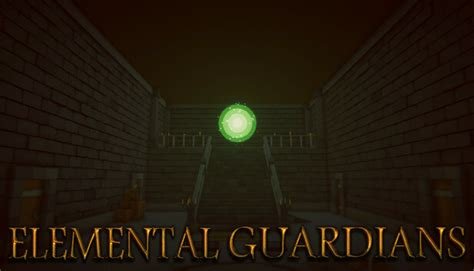
Elementalt Guardian is a Japanese-style fantasy action card RPG where players collect and nurture over 40 unique characters to battle global challenges. Set in a vibrant anime-inspired world, the game features deep character progression—including levels, grades, weapons, and elemental skills—alongside a rich, adventure-driven plot. With stunning visuals and dynamic skill animations, players lead their team through an expansive fantasy continent, unlocking new abilities and facing powerful enemies in a blend of strategy and action.
Elementalt Guardian Reviews & Reception
gameinformer.com (97.5/100): Shadow of the Erdtree is one hell of a mic drop that further cements this adventure as one of the finest ever crafted.
Elementalt Guardian: A Bold but Flawed Fusion of JRPG and Card-Based Strategy
Introduction: The Enigma of Elementalt Guardian
Elementalt Guardian is a game that defies easy categorization. Marketed as a “Japanese-style fantasy action card game,” it attempts to blend the depth of a traditional JRPG with the strategic layering of a collectible card game (CCG). Released in October 2024 by the relatively obscure studio Xinyue Gongzuoshi (also known as Crescent Studio), the game arrived with little fanfare but ambitious promises: over 40 unique characters, a rich fantasy narrative, and a robust progression system. Yet, despite its bold vision, Elementalt Guardian struggles to carve out a distinct identity in an oversaturated market. This review will dissect its mechanics, narrative, and design to determine whether it succeeds as an innovative hybrid or falters under the weight of its own ambition.
Development History & Context: A Game Born in Obscurity
The Studio Behind the Curtain
Xinyue Gongzuoshi, the developer and publisher of Elementalt Guardian, is a name that carries little recognition in the Western gaming sphere. Based in China, the studio appears to specialize in niche, anime-inspired titles, with Elementalt Guardian being one of its few notable releases. The game’s development history is shrouded in mystery—there are no pre-release interviews, dev diaries, or significant marketing campaigns to speak of. This lack of transparency raises questions about the studio’s experience and resources, which may explain some of the game’s rough edges.
Technological Constraints and Design Choices
Built on the Unity engine, Elementalt Guardian leverages a familiar toolset but does little to push its technical boundaries. The game’s visuals are serviceable, adhering to a generic anime aesthetic that feels more functional than inspired. The side-view perspective, a staple of classic JRPGs, is employed here but lacks the polish or innovation seen in modern titles like Octopath Traveler or Sea of Stars. The decision to blend card-based mechanics with traditional RPG combat is ambitious, but the execution suggests a team still grappling with the complexities of merging genres.
The Gaming Landscape of 2024: A Crowded Fantasy
Elementalt Guardian entered a market dominated by heavyweights like Final Fantasy VII Rebirth, Dragon’s Dogma 2, and Elden Ring: Shadow of the Erdtree. Even among indie titles, it faced stiff competition from critically acclaimed games like Animal Well and Balatro. The JRPG genre, while niche in the West, is fiercely competitive, with fans demanding either nostalgic perfection (e.g., Persona 3 Reload) or bold innovation (e.g., Metaphor: ReFantazio). Elementalt Guardian’s hybrid approach—mixing card mechanics with turn-based combat—could have set it apart, but its lack of polish and originality makes it difficult to stand out.
Narrative & Thematic Deep Dive: A Tale of Potential Unfulfilled
Plot Overview: A Familiar Fantasy
The game’s premise is straightforward: players assume the role of a hero tasked with restoring balance to a world thrown into chaos after the corruption of its elemental guardians. The story unfolds on a “fantasy continent” where magic academies, ancient prophecies, and world-ending crises collide. While the setup is classic JRPG fare, the execution feels perfunctory. The narrative lacks the emotional depth of titles like Final Fantasy VII Rebirth or the political intrigue of Metaphor: ReFantazio. Instead, it relies on tired tropes—chosen ones, dark magic, and benevolent mentors—without adding meaningful twists or character development.
Characters: A Roster Without Depth
Elementalt Guardian boasts over 40 playable characters, a feature that should, in theory, offer rich storytelling opportunities. However, the sheer number of characters works against the game. Most are underdeveloped, serving as little more than interchangeable avatars for the player’s strategic needs. Dialogue is minimal and often stilted, with little effort made to flesh out personalities or motivations. Compare this to Persona 3 Reload, where even minor characters feel distinct and memorable, and Elementalt Guardian’s narrative shortcomings become glaring.
Themes: A Missed Opportunity
The game’s central theme—restoring balance to a corrupted world—is ripe for exploration. Yet, Elementalt Guardian fails to delve into the moral complexities of its premise. Questions of power, sacrifice, and redemption are touched upon but never examined in depth. The “elemental guardians” themselves, who could have been compelling tragic figures, are reduced to generic bosses with little backstory. The game’s world, while visually diverse, lacks the lore-rich depth of titles like Elden Ring or The Legend of Zelda: Echoes of Wisdom.
Gameplay Mechanics & Systems: Innovation or Gimmick?
Core Gameplay Loop: Cards Meet Combat
Elementalt Guardian’s most defining feature is its fusion of JRPG combat with card-based mechanics. Players collect and “nurture” companions, each with unique abilities represented as cards. These cards are used in battle to execute attacks, cast spells, or trigger special abilities. On paper, this system sounds innovative, but in practice, it feels clumsy.
- Combat: Battles are turn-based, with players selecting cards from their hand to perform actions. The side-view perspective limits tactical depth, as positioning and environmental interactions are minimal. Unlike Slay the Spire, where card synergies create dynamic strategies, Elementalt Guardian’s combat often devolves into repetitive cycles of playing the strongest available cards.
- Character Progression: Characters level up through traditional RPG mechanics, unlocking new abilities and “grades” (a tiered progression system). However, the sheer number of upgrade paths—levels, grades, weapons, skills, and elemental affinities—can feel overwhelming without clear guidance. The lack of a cohesive tutorial exacerbates this issue, leaving players to experiment blindly.
- Elemental System: Each character is tied to one of five elements (heat, cold, nature, wind, light/shadow), which should theoretically encourage strategic team-building. In reality, the system is underutilized. Elemental weaknesses and resistances are present but rarely impact battles in meaningful ways.
UI and Quality-of-Life Issues
The game’s user interface is functional but unintuitive. Managing a roster of 40+ characters is cumbersome, with no efficient way to sort or filter companions. The card inventory system is similarly clunky, making it difficult to build cohesive decks. These design flaws suggest a lack of playtesting or iteration, which is surprising given the game’s 2024 release date.
Innovation vs. Execution
Elementalt Guardian’s hybrid mechanics are its biggest selling point, but they also highlight its greatest weakness: a lack of polish. The card system could have been a fresh take on JRPG combat, but it feels tacked on rather than integrated. Compare this to Voice of Cards, where card mechanics enhance the narrative experience, or SteamWorld Quest, where deck-building is seamlessly woven into turn-based combat. Elementalt Guardian’s mechanics, while ambitious, ultimately feel like a missed opportunity.
World-Building, Art & Sound: Aesthetic Mediocrity
Setting: A Generic Fantasy Continent
The game’s world is a pastiche of familiar fantasy tropes: magic academies, ancient altars, and elemental guardians. While the premise is serviceable, the world lacks distinct identity. There’s no sense of history or culture beyond the bare minimum required to justify the plot. Games like Genshin Impact or Tower of Fantasy demonstrate how to create a vibrant, lived-in world; Elementalt Guardian’s setting feels like a hollow backdrop.
Visual Design: Anime by the Numbers
The art style is unmistakably anime/manga-inspired, but it lacks the charm or originality of standout titles like Persona 5 or Fire Emblem. Character designs are generic, with little effort made to differentiate the vast roster. The “gorgeous vision” promised in the Steam description is underwhelming—skill animations are flashy but repetitive, and environmental designs are forgettable.
Sound Design: A Forgettable Score
The game’s soundtrack is functional but unremarkable. Battle themes are energetic but lack memorability, and ambient tracks fail to evoke the game’s fantasy setting. Voice acting, where present, is minimal and often stiff. Compare this to the operatic grandeur of Metaphor: ReFantazio or the haunting melodies of Elden Ring, and Elementalt Guardian’s audio design pales in comparison.
Reception & Legacy: A Game Lost in the Shuffle
Critical and Commercial Reception
As of this writing, Elementalt Guardian has received virtually no critical attention. Metacritic lists no critic reviews, and user scores are nonexistent. On Steam, the game has a mere three user reviews, split evenly between positive and negative. This lack of engagement suggests that the game has failed to resonate with either critics or players.
Why Did It Fail to Connect?
Several factors contribute to Elementalt Guardian’s obscurity:
1. Lack of Marketing: The game’s release was quiet, with no significant promotional push. In a year dominated by blockbuster titles, Elementalt Guardian was easily overlooked.
2. Genre Fatigue: The JRPG market is crowded, and hybrid mechanics alone aren’t enough to stand out. Without a compelling narrative or innovative gameplay, the game struggles to justify its existence.
3. Technical Limitations: The game’s clunky UI, repetitive combat, and underdeveloped world make it difficult to recommend, even to genre enthusiasts.
Influence and Legacy
It’s unlikely that Elementalt Guardian will leave a lasting impact on the industry. Its hybrid mechanics are interesting but not groundbreaking, and its execution is too flawed to inspire imitators. At best, it may serve as a cautionary tale for indie developers attempting to blend genres without sufficient resources or polish.
Conclusion: A Game of Unfulfilled Promise
Elementalt Guardian is a game with ambitious ideas but lackluster execution. Its attempt to merge JRPG combat with card-based strategy is admirable, but the result is a clumsy hybrid that satisfies neither camp. The narrative is forgettable, the characters are underdeveloped, and the world lacks depth. While the game’s mechanics show glimpses of potential, they are ultimately undermined by poor design choices and a lack of polish.
In a year that saw the release of masterpieces like Elden Ring: Shadow of the Erdtree, Balatro, and Astro Bot, Elementalt Guardian feels like a relic of a bygone era—a game that might have found an audience in the early 2010s but struggles to compete in 2024. It’s not a terrible game, but it’s difficult to recommend when superior alternatives exist in nearly every aspect.
Final Verdict: 5/10 – A Bold Experiment That Falls Short
Elementalt Guardian is a curiosity—a game that tries to innovate but ultimately stumbles over its own ambitions. For hardcore JRPG fans willing to overlook its flaws, there may be some enjoyment to be found. For everyone else, it’s a forgettable footnote in a year of extraordinary games.