
- Release Year: 2013
- Platforms: Linux, Macintosh, Nintendo Switch, Windows
- Publisher: 1999UEM, bitComposer Entertainment AG, Dreamworlds Development, Senpai Studios, Untold Tales S.A.
- Developer: Dreamworlds Development
- Genre: Action
- Perspective: Top-down
- Game Mode: Co-op, Single-player
- Gameplay: Shooter
- Setting: Zombies
- Average Score: 58/100
Description
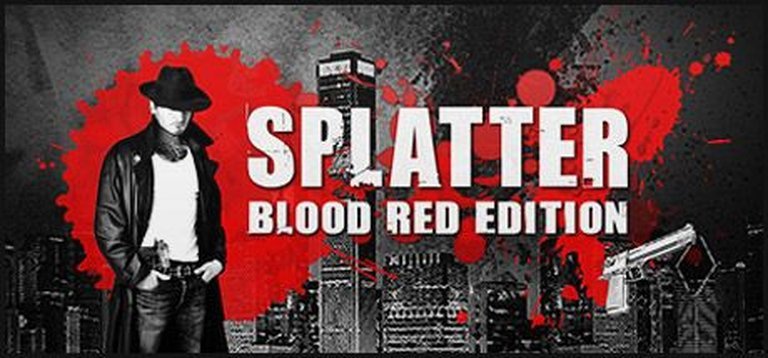
Splatter: Zombiecalypse Now is a top-down twin-stick shooter set in a chaotic, zombie-infested world. Players battle through hordes of the undead in a fast-paced, action-packed campaign, with additional arcade modes and local multiplayer for up to four players. The game embraces a B-movie aesthetic, offering over-the-top gameplay, explosive weapons, and a grind-friendly upgrade system, all wrapped in a deliberately campy, self-aware tone.
Gameplay Videos
Where to Buy Splatter: Zombiecalypse Now
Splatter: Zombiecalypse Now Mods
Splatter: Zombiecalypse Now Guides & Walkthroughs
Splatter: Zombiecalypse Now Reviews & Reception
metacritic.com (70/100): A rather robust bit of B-movie action with decent atmosphere and solid shooting gameplay.
purenintendo.com (40/100): Splatter – Zombiecalypse Now is a wild, over-the-top, trigger-happy shooter where your ZR button will be worn out if you stick with it for more than a few levels – and well done if you do!
mkaugaming.com (60/100): If you’re looking for a fairly mindless slaughter-fest to pass the time, this game provides that.
switchscores.com (63.5/100): A pretty decent indie zombie blaster.
Splatter: Zombiecalypse Now Cheats & Codes
PC (Trainer v1.0.95)
Use the trainer while the game is running.
| Code | Effect |
|---|---|
| F1 | Max Gun Power Ammo |
| F2 | Keys |
| F3 | Force Down |
| F4 | No Spike Damage |
| F5 | Infinite Calories |
| F6 | No Guard Rail Crashes |
| F7 | Infinite Health/Shield |
| F8 | Unlimited Battery Power |
| F9 | Edit: Weapon 3 Level |
| HOME | Disable All |
PC (Cheat Engine v1.5)
Use Cheat Engine with the provided table.
| Code | Effect |
|---|---|
| Hotkey | Infinite Health |
| Hotkey | Infinite Ammo |
| Hotkey | 10 Million Score |
| Hotkey | 10K Cash |
| Hotkey | No Poisonous Gas Damage |
PC (Cheat Engine Build.10165133)
Use Cheat Engine with the provided table.
| Code | Effect |
|---|---|
| Hotkey | One Hit Kill |
| Hotkey | Score Manager |
| Hotkey | Object Take Pickups |
| Hotkey | Weapon |
| Hotkey | Character |
Splatter: Zombiecalypse Now – A Retrospective Analysis of a Cult Twin-Stick Shooter
Introduction: The B-Movie Charm of a Zombie Apocalypse
Splatter: Zombiecalypse Now (2013) is a game that embraces its identity with unapologetic fervor—a top-down twin-stick shooter that revels in its own absurdity, blending the grit of film noir with the over-the-top gore of a B-movie zombie flick. Developed by Dreamworlds Development and published by Untold Tales, it emerged during a golden age for indie shooters, standing alongside titles like Hotline Miami and Crimsonland while carving its own niche. This review dissects Splatter’s development, narrative quirks, gameplay mechanics, and lasting legacy, arguing that its flaws are as integral to its charm as its strengths.
Development History & Context: A Labor of Love in the Indie Boom
Splatter was born in Dresden, Germany, under the creative direction of Thomas Ziegenhagen (aka “Schrompf”) and his small team at Dreamworlds. Released in June 2013 for Windows (with later ports to Linux, macOS, and Nintendo Switch in 2022), it arrived during a renaissance for twin-stick shooters, fueled by digital distribution and a hunger for retro-inspired action.
Technological Constraints & Design Philosophy
- Engine & Performance: Built with a proprietary engine, Splatter prioritized destructible environments and physics-based gore, a technical feat for its time. However, its reliance on SM3.0 GPUs and 2GB RAM (minimum specs) occasionally led to slowdown during chaotic encounters—a recurring critique in early reviews.
- Inspirations: The team cited Hotline Miami’s brutal efficiency and Crimsonland’s arcade sensibilities as influences, but Splatter distinguished itself with a film-noir aesthetic and tactical light mechanics (zombies recoil from flares and flashlights).
- Indie Challenges: As a small studio, Dreamworlds faced limitations in polish. The game’s stiff voice acting, repetitive mission design, and clunky vehicle sections (notably the infamous combine harvester level) reflect the trade-offs of ambition versus resources.
The Gaming Landscape of 2013
Splatter launched alongside heavyweights like The Last of Us and BioShock Infinite, making its niche appeal both a strength and a weakness. While AAA titles dominated discourse, indie shooters thrived on Steam Greenlight, where Splatter found its audience. Its $6.99 price point and local multiplayer (supporting up to four players) positioned it as a budget-friendly alternative to Left 4 Dead’s cooperative mayhem.
Narrative & Thematic Deep Dive: Noir Meets Nonsense
Plot: A Paper-Thin Apocalypse
The story follows Max, a fedora-wearing, trench-coat-clad antihero who narrates his survival tale with the gravitas of a dime-store detective. The premise is deliberately pulpy:
– A zombie outbreak erupts in a metropolis, and Max—armed with little more than a pistol and a flashlight—becomes an unlikely savior.
– The narrative unfolds through black-and-white comic-style cutscenes, evoking Sin City’s high-contrast visuals, though the execution often feels more MS Paint than Frank Miller.
– Key Themes:
– Existential Detachment: Max’s disdain for humanity (“I hate people, but here I am saving them”) mirrors classic noir protagonists.
– Absurd Heroism: The game’s tone oscillates between self-serious grit and self-aware camp, never fully committing to either.
– Survival as Catharsis: The lack of deeper character arcs or moral dilemmas reduces the story to a vehicle for carnage, which may frustrate narrative-driven players but delights those seeking mindless fun.
Characters & Dialogue: Cheese with a Side of Charm
- Max’s Voice Acting: Falk Schulze’s gravelly delivery is the game’s standout audio feature, though the script’s localization quirks (“I’ll make them eat lead like it’s candy!”) occasionally veer into unintentional comedy.
- Supporting Cast: NPCs like Jenny (a survivor fueling her car) and soldiers provide fleeting interactions, but their dialogue is functional at best. The game’s lack of emotional stakes is offset by its B-movie energy.
Thematic Successes & Failures
- Strengths:
- The film-noir/zombie fusion is a refreshing twist in an oversaturated genre.
- The light-and-shadow mechanics (zombies fear illumination) add a tactical layer rarely seen in twin-stick shooters.
- Weaknesses:
- The narrative’s brevity (4–6 hours) and lack of depth make it feel like a prologue rather than a complete story.
- Missed Opportunities: A deeper exploration of Max’s backstory or the apocalypse’s origins could have elevated the experience.
Gameplay Mechanics & Systems: Brutal, Repetitive, and Oddly Addictive
Core Gameplay Loop
Splatter’s moment-to-moment action is its strongest suit:
– Twin-Stick Shooting: Movement and aiming are responsive, with a satisfying weight to weapons like the shotgun and laser rifle.
– Weapon Variety: From the infinite-ammo pistol to the grenade launcher, each gun feels distinct, though ammo scarcity (except for the pistol) forces strategic switching.
– Destructible Environments: Barrels explode, cars flip, and walls crumble, creating dynamic kill zones. Chaining explosions to wipe out hordes is viscerally rewarding.
Progression & Upgrades
- Money System: Players collect cash to upgrade weapons at workbenches, but the high cost of upgrades and scarcity of funds make progression feel grindy.
- Difficulty Modes: Ranging from Harmless (easier) to Maniac (brutal), these adjust enemy spawn rates and damage, but even Harmless retains a surprising challenge.
Flawed Systems
- Vehicle Sections: The combine harvester and car levels are notorious for clunky controls, breaking the game’s otherwise tight pacing.
- Lack of Checkpoints: Deaths send players back to the start of a level, a frustrating design choice in longer stages.
- Repetition: Enemy waves and level layouts recycle too frequently, making the latter half of the campaign feel stale.
Multiplayer & Replayability
- Local Co-Op (4 Players): A standout feature, allowing friends to team up against hordes. The chaos of coordinated fire is a highlight.
- Survival Mode: A score-attack variant where players fend off endless waves, though it lacks the depth of Crimsonland’s survival challenges.
- Leaderboards & Achievements: Steam integration adds replay incentive, but the core campaign’s brevity limits long-term engagement.
World-Building, Art & Sound: Grit Meets Gore
Visual Design: A Blood-Soaked Canvas
- Top-Down Aesthetic: The zoomed-out perspective emphasizes strategic positioning but sacrifices detail. Blood splatters persist, turning levels into abstract gore paintings.
- Lighting & Atmosphere: The flashlight mechanic is a visual and tactical triumph, casting eerie glows that repel zombies. Rain effects and flickering neon signs enhance the noir ambiance.
- Cutscenes: The black-and-white comic panels are stylish but static, relying on voiceovers to convey drama.
Sound Design: A Mixed Bag
- Voice Acting: Max’s hardboiled narration is the star, though supporting characters often sound stiff or overacted.
- Music: The synth-heavy soundtrack ramps up during combat, but it lacks memorable themes. Boss battles, in particular, feel underscored.
- Sound Effects: Gunshots, explosions, and zombie groans are crisp and impactful, selling the game’s over-the-top violence.
Reception & Legacy: A Cult Classic in the Making?
Critical Reception: “Flawed but Fun”
Splatter’s Metacritic score of 57 (Switch) and MobyGames score of 6.3 reflect its polarizing nature:
– Praised For:
– Solid twin-stick shooting (Touch Arcade: “A robust bit of B-movie action”).
– Local co-op chaos (God is a Geek: “Very satisfying few hours”).
– Budget-friendly price (The Gaming Slush Pile: “Can’t go wrong for seven dollars”).
– Criticized For:
– Repetitive gameplay (Video Chums: “Dozens of better twin-stick shooters”).
– Technical issues (Hardcore Gamer: “Viscera causes serious slowdown”).
– Lack of innovation (Finger Guns: “Feels lost in time”).
Commercial Performance & Community
- Sales: Estimated 313,000 units sold (via GameRebellion), a modest success for an indie title.
- Player Sentiment: 89% “Generally Favorable” on Steam, with users praising its arcade-style fun despite its rough edges.
- Modding & Longevity: While lacking official mod support, the game’s Steam Workshop hosts minor tweaks and community challenges.
Influence & Industry Impact
Splatter didn’t redefine the genre, but its blend of noir and gore influenced later titles like The Hong Kong Massacre (2019). Its light-based tactics and destructible environments also prefigured mechanics in Zombieland: Headshot Fever (2019) and World War Z (2019).
Conclusion: A Flawed Gem Worth Unearthing
Splatter: Zombiecalypse Now is a game of contradictions—a brutal, repetitive shooter that somehow remains charming and engaging. Its B-movie narrative, tactical light mechanics, and local co-op chaos elevate it above its technical limitations, while its grind-heavy progression and lack of innovation hold it back from greatness.
Final Verdict: 7/10 – “A Blood-Soaked Guilty Pleasure”
- For Fans Of: Hotline Miami, Crimsonland, Left 4 Dead’s co-op mayhem.
- Avoid If: You seek deep storytelling, polished presentation, or long-term replayability.
- Best Experienced: In short bursts with friends in local co-op, where its flaws fade into the background noise of zombie-slaughtering fun.
Splatter may not be a masterpiece, but in an era of overproduced AAA shooters, its unapologetic dumb fun is a breath of fresh, blood-scented air. As Max himself might growl: “It ain’t pretty, but it gets the job done.”
Further Reading:
– Steam Community Discussions
– MobyGames Entry
– 3rd-Strike Review