
- Release Year: 2014
- Platforms: Linux, Macintosh, Windows
- Genre: Puzzle
- Perspective: 1st-person
- Game Mode: Single-player
- Gameplay: Falling block puzzle
- Average Score: 89/100
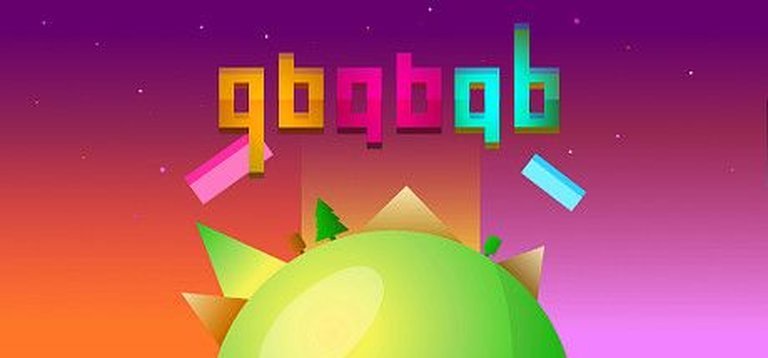
Description
QbQbQb is a two-dimensional puzzle game that blends elements of classic falling block puzzles like Tetris and Klax. Developed by Rezoner and released in 2014, the game challenges players with a first-person perspective and fixed/flip-screen visuals, offering a unique twist on the genre. Players must strategically manipulate blocks to clear lines and achieve high scores, all while navigating a minimalist yet engaging gameplay experience.
Where to Buy QbQbQb
PC
QbQbQb Guides & Walkthroughs
QbQbQb Reviews & Reception
store.steampowered.com (90/100): Where QbQbQb really stands out is in its soundtrack. Each level possesses an original, cheerful electronic track that’s instantly catchy
gamepressure.com (90/100): An independent puzzle game developing ideas started in the cult Tetris.
steambase.io (90/100): QbQbQb has earned a Player Score of 90 / 100.
niklasnotes.com (89/100): Overall, QbQbQb is well-received for its fantastic soundtrack, addictive gameplay, and charming visuals, though it faces criticism for frustrating controls and limited replayability.
QbQbQb: A Masterclass in Minimalist Puzzle Design
Introduction
In the vast ocean of puzzle games, where Tetris clones and Candy Crush imitators dominate the landscape, QbQbQb emerges as a rare gem—a game that reimagines the match-three mechanic with elegance, innovation, and an infectious sense of joy. Developed by Polish indie developer Przemysław “Rezoner” Sikorski, QbQbQb is a testament to the power of constraint, creativity, and the magic that happens when a single visionary crafts a game in just 48 hours. This review explores how QbQbQb transcends its humble origins to become a modern classic, blending hypnotic gameplay, a mesmerizing soundtrack, and a minimalist aesthetic into an experience that feels both timeless and fresh.
Development History & Context
The Birth of a Game Jam Miracle
QbQbQb was born during Ludum Dare 26, a 48-hour game jam where developers are challenged to create a game from scratch based on a theme. The theme for LD26 was “Minimalism,” and Sikorski’s response was nothing short of brilliant. In just two days, he crafted a game that embodied minimalism not just in its visuals but in its design philosophy. The constraints of the game jam forced Sikorski to focus on core mechanics, resulting in a game that feels polished and deliberate despite its rapid development.
The Indie Scene in Poland
Poland has long been a hotbed for indie game development, producing titles like The Witcher series (before CD Projekt Red’s rise) and This War of Mine. Sikorski, operating under the moniker Rezoner, is part of this vibrant community. His work on QbQbQb reflects the indie ethos of experimentation and passion, proving that a single developer with a clear vision can create something as compelling as any AAA title.
Technological Constraints and Cross-Platform Ambitions
Originally released in June 2013 for PC, QbQbQb was later ported to Android, iOS, Linux, and Mac, showcasing Sikorski’s technical prowess. The game’s lightweight engine and minimalist design made it ideal for mobile platforms, where it found a second life among casual gamers. The Steam release in October 2014 solidified its place in the indie pantheon, with features like local co-op, colorblind support, and gamepad compatibility adding to its accessibility.
Narrative & Thematic Deep Dive
A Story Told Through Sound and Aesthetics
QbQbQb is not a narrative-driven game in the traditional sense. There are no characters, no dialogue, and no cutscenes. Instead, the game’s “story” is conveyed through its atmosphere, music, and karaoke menu song. The opening menu features a whimsical, melancholic tune sung by a confused robot, setting the tone for the game’s playful yet introspective vibe. This lack of traditional storytelling is not a flaw but a strength—QbQbQb lets players project their own emotions onto the experience, making it deeply personal.
Themes of Harmony and Chaos
At its core, QbQbQb is about balance. The gameplay revolves around matching blocks on a rotating planet, a metaphor for the delicate equilibrium between order and chaos. As the game progresses, the speed increases, the music intensifies, and the player must adapt to maintain control. This mirrors life’s own struggles—how we navigate the overwhelming pace of modern existence while trying to keep things in harmony.
The Karaoke Robot: A Touch of Whimsy
The karaoke feature, where players can sing along to the menu song, adds a layer of absurdity and charm. It’s a small but memorable detail that reinforces the game’s identity as something unapologetically fun and quirky. The robot’s lyrics—confused, existential, and oddly endearing—hint at a deeper narrative without ever spelling it out.
Gameplay Mechanics & Systems
The Core Loop: Match-Three Reinvented
QbQbQb takes the familiar match-three mechanic and flips it on its head. Instead of moving blocks around a grid, players rotate the planet itself to align falling blocks. This simple twist transforms the gameplay, requiring spatial awareness and quick reflexes. The controls are intuitive—left and right arrows rotate the planet, while up and down adjust the speed of falling blocks—but mastering them is a challenge.
Difficulty Modes: From Casual to Brutal
The game offers three difficulty settings, each altering the gameplay significantly:
- Easy Mode: Blocks are single-colored and fall in straight lines, making it accessible for beginners.
- Medium Mode: Blocks conform to the planet’s curvature, and each block has two colors, requiring strategic placement.
- Hard Mode (Mirror): Blocks fall from both sides of the planet, creating a chaotic, high-stakes experience that tests even the most skilled players.
The Speed and Energy System
A unique mechanic in QbQbQb is the energy meter, which allows players to temporarily speed up or slow down falling blocks. This adds a layer of strategy—do you burn energy to set up a combo, or conserve it for a desperate moment? The risk-reward dynamic keeps players engaged, as mismanaging energy can lead to a swift defeat.
Co-Op and Versus Modes
While the single-player experience is compelling, QbQbQb shines in local co-op and versus modes. Playing with a friend turns the game into a frantic, collaborative (or competitive) experience, where communication and quick thinking are key. The lack of online multiplayer is a minor drawback, but the local play is so well-executed that it’s hard to fault.
World-Building, Art & Sound
Minimalist Visuals That Mesmerize
QbQbQb’s art style is deliberately minimalist, with clean lines, vibrant colors, and a focus on clarity. The planets are simple spheres, the blocks are geometric, and the animations are smooth. This aesthetic serves a dual purpose:
– Functionality: The minimalist design ensures that players can focus on the gameplay without visual clutter.
– Atmosphere: The game’s simplicity creates a hypnotic, almost meditative quality, especially when the screen fills with fireworks and butterflies during combos.
A Soundtrack That Elevates the Experience
The music in QbQbQb is nothing short of extraordinary. Each planet has its own synthesized techno track, and the falling blocks contribute to the melody, creating a dynamic, interactive soundtrack. The music isn’t just background noise—it’s an integral part of the gameplay, reacting to the player’s actions and intensifying as the score increases.
Key highlights:
– The menu song: A catchy, melancholic tune that players can sing along to via the karaoke feature.
– Planet-specific tracks: Each of the six planets has a unique musical theme, ranging from upbeat and energetic to slow and atmospheric.
– Dynamic audio: The soundtrack evolves as the game progresses, with new layers added at key milestones (e.g., every 100 points).
Sound Design: The Unsung Hero
Beyond the music, the sound design is impeccable. The clinks of blocks aligning, the whoosh of the planet rotating, and the explosions of combos all contribute to a satisfying sensory experience. The audio feedback is so precise that players can almost “feel” the game, making it immersive in ways that many puzzle games fail to achieve.
Reception & Legacy
Critical and Commercial Reception
QbQbQb was met with overwhelmingly positive reviews upon release. On Steam, it holds a 90% “Very Positive” rating from over 100 reviews, with players praising its addictive gameplay, fantastic soundtrack, and charming visuals. Critics highlighted its innovative take on the match-three genre and its ability to appeal to both casual and hardcore gamers.
However, it wasn’t without its detractors. Some players found the controls frustrating, particularly the planet rotation, which could feel imprecise at high speeds. Others criticized the limited replayability, noting that the game’s simplicity could lead to monotony after extended play.
Influence on the Puzzle Genre
While QbQbQb didn’t spawn a wave of direct imitators, its design philosophy has influenced indie developers. Games like Sentris (which Sikorski mentioned in interviews) and other music-driven puzzle games owe a debt to QbQbQb’s innovative approach. Its success also proved that game jam projects could evolve into full-fledged commercial releases, inspiring other developers to refine their prototypes.
A Cult Classic in the Making
Over a decade after its initial release, QbQbQb remains a beloved cult classic. Its legacy is one of creativity under constraint, proving that a game doesn’t need a massive budget or team to leave a lasting impact. For many players, it’s a nostalgic reminder of indie gaming’s golden age, when small, passionate projects could capture the hearts of gamers worldwide.
Conclusion: A Timeless Puzzle Masterpiece
QbQbQb is more than just a puzzle game—it’s a sensory experience, a test of reflexes and strategy, and a celebration of minimalist design. Przemysław Sikorski’s creation stands as a testament to what a single developer can achieve with vision, creativity, and a deep understanding of gameplay mechanics. While it may not have the name recognition of Tetris or Bejeweled, it deserves a place alongside them as one of the great puzzle games of the modern era.
Final Verdict: 9/10 – A Must-Play for Puzzle Enthusiasts
QbQbQb is a rare gem—a game that is simple yet deep, challenging yet accessible, and above all, joyful. Whether you’re a casual player looking for a quick fix or a hardcore gamer seeking a new challenge, QbQbQb delivers an experience that is as rewarding as it is hypnotic. Its legacy as a game jam miracle and a cult classic is well-deserved, and it remains a shining example of indie innovation at its finest.
Play it. Love it. And let the blocks fall where they may.