
- Release Year: 2016
- Platforms: iPad, iPhone, Macintosh, Windows
- Publisher: Carlburton LLC
- Developer: Carlburton LLC
- Genre: Adventure
- Perspective: Point and select
- Game Mode: Single-player
- Gameplay: Meditative, Zen
- Average Score: 80/100
Description
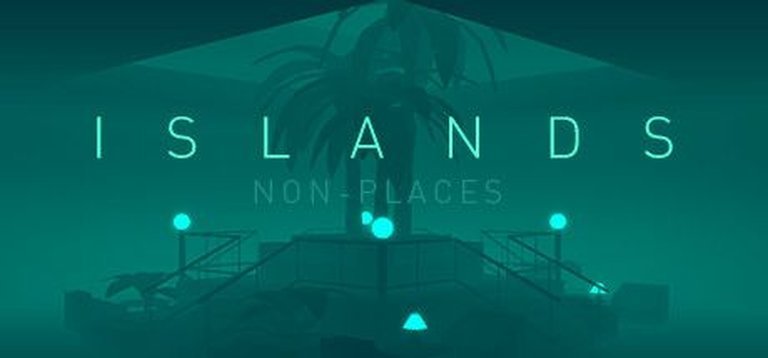
Islands: Non-Places is a 2016 abstract art game developed by Carl Burton, featuring a series of surreal, liminal environments rendered in a minimalist, stylized aesthetic. Players explore anonymous, human-free spaces like parking lots and hotel lobbies, interacting with objects to trigger subtle, dreamlike transformations. The gameplay is meditative and puzzle-free, emphasizing observation and atmosphere over traditional mechanics, drawing inspiration from anthropological concepts of ‘non-places’ and the works of artists like James Turrell.
Gameplay Videos
Where to Buy Islands: Non-Places
PC
Islands: Non-Places Free Download
Islands: Non-Places Guides & Walkthroughs
Islands: Non-Places Reviews & Reception
metacritic.com (80/100): ISLANDS is so beautiful and haunting that you cannot walk away from the experience unmoved.
opencritic.com (80/100): A playful, often humorous tour of the modern world’s transition spaces.
twinfinite.net (80/100): Islands: Non-Places is a game for certain kinds of players, and if you’ve read this review you may well have an idea that it might speak to you; I implore you to go and play it.
eurogamer.net : A playful, often humorous tour of the modern world’s transition spaces.
Islands: Non-Places: A Meditative Journey Through the Mundane and the Surreal
Introduction
In the vast landscape of video games, few titles dare to challenge the conventional boundaries of interactivity, narrative, and player engagement as boldly as Islands: Non-Places. Released in 2016 by artist and animator Carl Burton, this abstract art game is a profound exploration of the liminal spaces that populate our modern world—those anonymous, transitional environments like parking lots, hotel lobbies, and airport terminals that we often overlook. Islands: Non-Places is not just a game; it is an experience, a meditation, and a surrealist journey that transforms the mundane into the magical.
This review will delve deeply into the game’s development history, its narrative and thematic depth, gameplay mechanics, world-building, art and sound design, critical reception, and its lasting legacy. By the end, we will understand why Islands: Non-Places stands as a unique and significant work in the realm of interactive art.
Development History & Context
The Creator: Carl Burton
Carl Burton is an artist and animator whose work has been featured in prestigious publications such as The New York Times, Serial, Colossal, and Medium. Before venturing into game development, Burton was best known for his animated GIF illustrations, particularly those created for the second season of the Serial podcast. His background in experimental animation and his collaboration with Sheldon Brown at the Experimental Game Lab at UCSD laid the groundwork for his foray into interactive media.
The Vision and Inspiration
Islands: Non-Places was born out of Burton’s desire to expand his animations into an interactive space. He sought to capture the mood and atmosphere of his previous work while allowing players to engage with the environments in a meaningful way. The game’s concept was heavily influenced by the book Non-Places: An Introduction to Supermodernity by French anthropologist Marc Augé. Augé’s theory of “non-places”—anonymous, interchangeable spaces that serve as transitions between destinations—resonated deeply with Burton, who saw an opportunity to explore the surreal and dreamlike qualities of these often-overlooked environments.
Burton’s vision was to create a game that felt accessible and intuitive, avoiding the traditional challenges of puzzles and complex mechanics. He wanted players to experience a sense of “momentary confusion,” akin to the feeling of trying to figure out how to use a friend’s shower. This approach was designed to make the game feel more like a gentle, exploratory experience rather than a challenging obstacle course.
Technological Constraints and Tools
Developed over six to eight months, Islands: Non-Places was created using Unity, Playmaker, and Cinema 4D. These tools allowed Burton to craft the game’s distinctive visual style and interactive elements efficiently. The use of Unity, a versatile game engine, enabled Burton to bring his artistic vision to life while maintaining a smooth and responsive player experience.
The Gaming Landscape in 2016
The year 2016 was a pivotal time for indie games, with titles like Inside, Hyper Light Drifter, and Stardew Valley pushing the boundaries of what independent developers could achieve. Islands: Non-Places emerged in this vibrant landscape, offering a unique blend of interactive art and minimalist gameplay. Its release on multiple platforms—Windows, macOS, iOS, and Linux—ensured that it reached a wide audience, further solidifying its place in the indie game scene.
Narrative & Thematic Deep Dive
The Absence of Traditional Narrative
Islands: Non-Places eschews traditional narrative structures in favor of a more abstract and experiential approach. There are no characters to interact with, no dialogue to follow, and no overarching plot to uncover. Instead, the game presents a series of ten vignettes, each depicting a different “non-place.” These environments, though devoid of human presence, are rich with implied stories and hidden meanings.
Themes of Liminality and Surrealism
The game’s central theme is the exploration of liminal spaces—those transitional areas that exist between destinations. These spaces, often characterized by their anonymity and interchangeability, are transformed into surreal and dreamlike landscapes through Burton’s artistic lens. The game invites players to reconsider the mundane, to see the beauty and strangeness in the everyday.
Each scene in Islands: Non-Places begins with a familiar setting—a bus stop, a parking lot, a hotel lobby—but quickly evolves into something unexpected and surreal. For example, an empty bus stop becomes an incubator for eggs, while a malfunctioning fountain reveals a vast underground space. These transformations challenge the player’s perceptions and invite them to see the world in a new light.
The Role of the Player
The player’s role in Islands: Non-Places is that of an observer and an explorer. By clicking on interactive elements within each scene, the player triggers animations and sound effects that reveal the hidden depths of these environments. The game’s minimalist approach to interaction—limited to clicking and rotating the camera—ensures that the focus remains on the visual and auditory experience rather than on complex mechanics.
The Influence of Art and Sound
Burton’s artistic influences are evident throughout the game. The installation art of James Turrell, known for his work with color and light in large built spaces, inspired the neon palette and haziness of Islands: Non-Places. The game’s soundtrack, inspired by the field recordings of experimental musician Chris Watson, consists of ambient environmental sounds and artificial sound effects that enhance the surreal atmosphere.
The combination of visual and auditory elements creates a dreamlike experience that is both mesmerizing and thought-provoking. The game’s abstract nature allows players to interpret its meaning in their own way, making each playthrough a deeply personal journey.
Gameplay Mechanics & Systems
Minimalist Interaction
Islands: Non-Places is a game of minimalist interaction. The player’s primary means of engaging with the environment is through clicking on interactive elements, which are often highlighted by light sources. This simple mechanic ensures that the game remains accessible and intuitive, allowing players to focus on the visual and auditory experience rather than on complex controls.
The Role of the Camera
The camera in Islands: Non-Places can be rotated around each scene in a fixed circle, providing the player with different perspectives on the environment. This mechanic encourages exploration and discovery, as players are invited to examine each scene from multiple angles. The fixed camera path also contributes to the game’s dreamlike quality, as it creates a sense of detachment and observation.
The Absence of Puzzles and Goals
Unlike traditional games, Islands: Non-Places does not feature puzzles to solve or goals to achieve. The game’s only objective is to interact with the environment and observe the transformations that unfold. This lack of traditional gameplay elements has been both praised and criticized by players and critics alike. While some appreciate the game’s meditative and exploratory nature, others find its minimalist approach frustrating and unsatisfying.
The Game’s Structure
Islands: Non-Places consists of ten scenes, each representing a different “non-place.” The game can be completed in less than an hour, making it a brief but impactful experience. The short playtime ensures that the game remains focused and cohesive, allowing players to fully immerse themselves in each scene without feeling overwhelmed.
World-Building, Art & Sound
The Visual Style
The visual style of Islands: Non-Places is characterized by its use of solid monotone colors, dark shadows, and foggy backgrounds. This stylized approach creates a dreamlike and surreal atmosphere that is both familiar and alien. The game’s low-poly aesthetic, combined with its neon palette, gives it a distinctive and memorable look that sets it apart from other games in the genre.
The Role of Color
Color plays a crucial role in Islands: Non-Places, with each scene featuring a unique palette that reflects its mood and atmosphere. Burton’s intuitive approach to color selection—sometimes literal, sometimes abstract—adds depth and meaning to each environment. For example, a dark purple hue might represent night, while a warm orange could suggest the heat of a tropical forest.
The Sound Design
The soundtrack of Islands: Non-Places is a carefully crafted blend of ambient environmental sounds and artificial sound effects. Inspired by the field recordings of Chris Watson, the game’s audio design enhances the surreal and dreamlike quality of the visuals. The sounds are not always directly connected to the on-screen action, creating a sense of disorientation and wonder that complements the game’s abstract nature.
The Atmosphere
The combination of visual and auditory elements in Islands: Non-Places creates a unique and immersive atmosphere. The game’s dreamlike quality is enhanced by its minimalist interaction and fixed camera path, which encourage players to slow down and appreciate the beauty of each scene. The result is a meditative and introspective experience that lingers in the player’s mind long after the game is over.
Reception & Legacy
Critical Reception
Islands: Non-Places received generally positive reviews from critics, with many praising its abstract visuals, atmospheric sound design, and unique approach to interactive art. The game was nominated for the Nuovo Award at the 2016 Independent Games Festival, further solidifying its place in the indie game scene.
Critics were divided on the game’s minimalist gameplay, with some finding it mesmerizing and thought-provoking, while others criticized its lack of traditional gameplay elements. Despite these differences in opinion, most reviewers agreed that Islands: Non-Places offered a unique and memorable experience that challenged the boundaries of what a video game could be.
Comparisons to Other Games
Islands: Non-Places has been compared to other minimalist art games, such as Flower (2009) by Thatgamecompany, Monument Valley (2014) by Ustwo, and Mountain (2014) by David OReilly. These games share a focus on abstract visuals, atmospheric sound design, and minimalist interaction, making them natural points of comparison for Islands: Non-Places.
The Game’s Influence
While Islands: Non-Places may not have had a direct influence on the development of subsequent games, its unique approach to interactive art has contributed to the ongoing conversation about the boundaries of video games as an artistic medium. The game’s success has demonstrated that there is an audience for experimental and abstract experiences, encouraging other developers to explore similar themes and mechanics.
The Legacy of Carl Burton
Following the release of Islands: Non-Places, Carl Burton announced his follow-up game, Mirria, at Day of the Devs 2025. Published by Mografi Games, Mirria promises to continue Burton’s exploration of surreal and dreamlike environments, further cementing his legacy as a pioneer in the field of interactive art.
Conclusion
Islands: Non-Places is a remarkable achievement in the realm of interactive art. Through its minimalist gameplay, abstract visuals, and atmospheric sound design, the game invites players to explore the hidden beauty and strangeness of the mundane. While its lack of traditional gameplay elements may not appeal to everyone, those who are open to its unique approach will find a deeply meditative and thought-provoking experience.
Carl Burton’s vision of transforming liminal spaces into surreal and dreamlike landscapes has resulted in a game that is both visually stunning and emotionally resonant. Islands: Non-Places stands as a testament to the power of interactive art, challenging players to see the world in a new light and to appreciate the beauty that lies hidden in the everyday.
In the ever-evolving landscape of video games, Islands: Non-Places remains a shining example of what can be achieved when artistry and interactivity converge. It is a game that lingers in the mind long after the final scene fades to black, leaving players with a renewed sense of wonder and a deeper appreciation for the world around them.