
- Release Year: 2023
- Platforms: Windows
- Publisher: Chilla’s Art, LLC
- Developer: Chilla’s Art, LLC
- Genre: Adventure
- Perspective: 1st-person
- Game Mode: Single-player
- Gameplay: Puzzle elements
- Setting: Futuristic, Japan, Modern
- Average Score: 84/100
Description
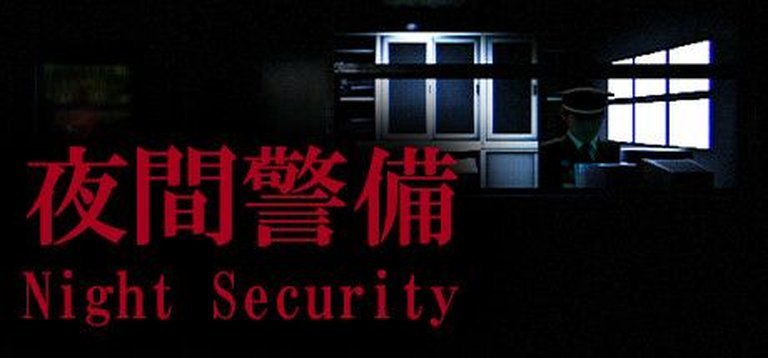
Night Security is a first-person horror adventure game set in a modern/futuristic Japanese office building. You play as a night security guard tasked with patrolling 11 floors, monitoring cameras, and ensuring the building’s safety. However, the previous guard has mysteriously vanished, and as you explore, you encounter paranormal phenomena, including vengeful spirits, possessed janitors, and creepy ventriloquist dolls. Each floor reveals more of the building’s dark past, with televisions showing memories of a ghostly office manager and her doomed relationship with the former guard. Your goal is to survive the night while unraveling the haunting secrets of the cursed office.
Gameplay Videos
Where to Buy Night Security
Night Security Patches & Updates
Night Security Guides & Walkthroughs
Night Security Reviews & Reception
store.steampowered.com (89/100): Very Positive (89% of the 812 user reviews for this game are positive).
metacritic.com (80/100): Generally Favorable Based on 6 User Ratings.
Night Security Cheats & Codes
PC
The code is the date from the calendar in the beginning.
| Code | Effect |
|---|---|
| 1023 | Unlocks Ending 2 |
Night Security: A Haunting Masterpiece of Psychological Horror
Introduction
The clock strikes midnight, and the fluorescent lights hum ominously as you step into the elevator of a seemingly ordinary office building. Night Security, the 2023 psychological horror game from Chilla’s Art, is not just another haunted workplace simulator—it’s a meticulously crafted descent into guilt, memory, and the inescapable weight of the past. With its slow-burn tension, unsettling atmosphere, and layered narrative, Night Security stands as a modern classic in the J-horror tradition, blending the mundane with the supernatural to create an experience that lingers long after the credits roll.
At its core, Night Security is a game about repetition, regret, and the thin veil between reality and nightmare. You play as a security guard—initially believed to be a new hire—tasked with patrolling an 11-floor office building after the mysterious disappearance of the previous guard, Keigo Ochigi. What begins as a routine shift quickly spirals into a surreal, blood-soaked odyssey through a building that seems to exist outside of time. The game’s brilliance lies in its ability to weaponize the familiar: the hum of an elevator, the flicker of a dying bulb, the eerie silence of an empty office. These elements, combined with a narrative that unfolds like a puzzle box, make Night Security a standout in the crowded horror genre.
This review will dissect Night Security in exhaustive detail, exploring its development, narrative depth, gameplay mechanics, and the ways it subverts player expectations. By the end, it will be clear why this game is not just a fleeting scare-fest, but a haunting meditation on guilt and the fragility of the human psyche.
Development History & Context
The Studio Behind the Horror
Chilla’s Art is a name synonymous with atmospheric, slow-burn horror. The studio, known for its deeply Japanese-inspired narratives and immersive environments, has carved a niche in the indie horror scene with titles like The Convenience Store, The Closing Shift, and Parasocial. These games often eschew jump scares in favor of psychological dread, relying on environmental storytelling and subtle audio cues to unnerve players. Night Security continues this tradition while pushing the studio’s ambitions further, both in scope and narrative complexity.
The game was developed using the Unity engine, a choice that allowed Chilla’s Art to craft a visually cohesive and technically stable experience. Given the studio’s history of releasing games with minimal bugs and polished presentations, Night Security benefits from this expertise, offering a seamless, if linear, journey through its nightmarish setting.
The Vision: A Haunting Grounded in Reality
Chilla’s Art’s vision for Night Security was to create a horror experience rooted in the mundane. Unlike many horror games that rely on overtly supernatural or grotesque imagery, Night Security draws its terror from the familiar. The office building, with its fluorescent lighting, drab cubicles, and humming electronics, is a place many players will recognize. This grounding in reality makes the game’s descent into the surreal all the more unsettling.
The developers have cited classic J-horror films like Ringu and Ju-On as influences, particularly in their use of atmosphere and psychological tension. The game’s setting—a modern Japanese office building—is a deliberate choice, reflecting the pressures of corporate life and the isolation of the night shift. The protagonist’s role as a security guard, a figure often overlooked and undervalued, further reinforces the themes of invisibility and neglect.
Technological Constraints and Design Choices
Night Security was released in June 2023, a time when indie horror games were flourishing on platforms like Steam. The game’s development was likely constrained by the small team size at Chilla’s Art, which necessitated a focus on strong environmental design and narrative rather than complex mechanics or open-world exploration. The result is a tightly scripted, linear experience that prioritizes atmosphere and storytelling over player agency.
One of the most notable design choices is the game’s use of a first-person perspective. This perspective immerses the player in the protagonist’s experience, making the horror feel personal and immediate. The lack of a visible character model also enhances the sense of isolation, as the player is left to navigate the building’s horrors alone.
The game’s sound design is another standout feature. The ambient noise of the office—flickering lights, distant footsteps, the hum of machinery—creates a constant undercurrent of unease. The absence of a traditional soundtrack allows these sounds to take center stage, heightening the tension.
The Gaming Landscape at Release
Night Security entered a market saturated with horror games, from the jump-scare-heavy Five Nights at Freddy’s to the psychological terror of Silent Hill. However, its release in 2023 positioned it as a refreshing alternative to the more action-oriented horror games that dominated the scene. The game’s focus on slow-burn tension and narrative depth set it apart, appealing to players who preferred atmosphere over adrenaline.
The game’s reception on Steam has been overwhelmingly positive, with an 89% approval rating from over 800 user reviews. This success is a testament to Chilla’s Art’s ability to craft a horror experience that resonates with players on a deeper level, beyond mere scares.
Narrative & Thematic Deep Dive
The Plot: A Descent into Madness
Night Security begins with a deceptively simple premise: you are a security guard starting your first shift at an office building. The previous guard, Keigo Ochigi, has vanished under mysterious circumstances, and your job is to ensure the building is secure for the night. As you begin your rounds, you encounter lingering employees, flickering lights, and strange occurrences that hint at something far more sinister lurking within the building’s walls.
The game’s narrative unfolds across 11 floors, each more unsettling than the last. Early floors introduce the player to the building’s eerie atmosphere, with minor anomalies like flickering lights and distant noises. However, as you ascend, the horrors become more pronounced: blood-soaked corridors, possessed janitors, and ventriloquist dolls that seem to watch your every move.
The true horror of Night Security lies in its narrative twist: the protagonist is not a new hire, but Keigo Ochigi himself, reliving the night of October 22nd in an endless loop. The game’s two endings—one hopeful, one tragic—reveal that Keigo is haunted by the ghost of his ex-lover, a woman who died under mysterious circumstances. Her spirit, consumed by jealousy and rage, has trapped Keigo in a cycle of guilt and punishment, forcing him to confront the consequences of his infidelity.
Characters: The Ghosts of the Past
The game’s cast is small but deeply symbolic. Keigo Ochigi, the protagonist, is a man burdened by guilt. His infidelity led to the death of his ex-lover, and his inability to confront this guilt has trapped him in a nightmarish loop. The ghost of his ex-lover, known as the “Red Eyed Monster,” is a manifestation of his regret, a vengeful spirit who refuses to let him escape his past.
Other characters, such as the janitor and the lingering employees, are spectral remnants of the building’s tragic history. Their presence reinforces the game’s themes of isolation and the inescapable nature of guilt. The janitor, in particular, is a haunting figure, compelled to clean up the blood and mess left by the vengeful spirit, symbolizing the futility of trying to erase the past.
Themes: Guilt, Memory, and the Cycle of Trauma
Night Security is, at its core, a game about guilt. Keigo’s infidelity and the subsequent death of his ex-lover have left him trapped in a cycle of punishment, unable to move on. The game’s setting—a looping, nightmarish office building—serves as a metaphor for this cycle, a place where the past is inescapable and the present is a constant reminder of one’s sins.
The game also explores the theme of memory. The protagonist’s fragmented recollections of his past, revealed through VHS tapes and environmental clues, highlight the ways in which memory can be both a prison and a path to redemption. The game’s two endings reflect this duality: in the “Hopeful Ending,” Keigo escapes the cycle by confronting his guilt, while in the “Real Ending,” he succumbs to it, doomed to repeat his mistakes forever.
The Endings: A Choice Between Redemption and Damnation
Night Security features two endings, each offering a different resolution to Keigo’s torment.
-
The Hopeful Ending (Good Ending): In this ending, Keigo inputs his daughter’s birthday (1023) into a keypad, escaping the building and waking up in a hospital. His wife and daughter rush to his side, but the ghost of his ex-lover lingers in the background, a reminder that while he has escaped the cycle, his guilt will never fully leave him.
-
The Real Ending (Bad Ending): In this ending, Keigo is caught by the vengeful spirit and killed. The credits reveal that he is trapped in an endless loop, reliving the night of October 22nd over and over again. This ending underscores the game’s central theme: that guilt, if left unconfronted, can become a prison from which there is no escape.
Gameplay Mechanics & Systems
Core Gameplay Loop: The Night Shift
Night Security is a first-person horror game with a strong emphasis on exploration and puzzle-solving. The core gameplay loop involves patrolling each floor of the office building, completing tasks such as locking doors, turning off lights, and sending lingering employees home. As the night progresses, the building becomes increasingly hostile, with supernatural occurrences disrupting the protagonist’s routine.
The game’s structure is linear, with each floor presenting a new set of challenges and horrors. Early floors are relatively mundane, with minor anomalies like flickering lights and distant noises. However, as the player ascends, the horrors become more pronounced, culminating in the nightmarish 11th floor, where the building’s true nature is revealed.
Combat and Survival: The Horror of Helplessness
Night Security is not a combat-heavy game. The protagonist is armed only with a flashlight, and the game’s horrors are largely environmental. The lack of traditional combat mechanics enhances the sense of helplessness, forcing the player to rely on stealth and quick thinking to survive.
The game’s most intense sequences involve evading the vengeful spirit, who pursues the protagonist through the building’s corridors. These chase sequences are tense and unpredictable, with the spirit’s movements dictated by the player’s actions. The lack of a traditional “fight or flight” mechanic makes these encounters all the more terrifying, as the player is forced to rely on their wits to escape.
Puzzle-Solving: Unraveling the Mystery
Puzzle-solving is a key component of Night Security. The game’s puzzles are largely environmental, requiring the player to interact with objects and uncover clues to progress. For example, the player must find a missing fuse to restore power to a floor, or input a code into a keypad to escape the building.
The game’s puzzles are well-integrated into the narrative, with each solution revealing more about the building’s dark history. The VHS tapes scattered throughout the building are particularly important, as they provide crucial insights into the protagonist’s past and the nature of the haunting.
UI and Interface: Minimalism in Service of Horror
Night Security features a minimalist UI, with no HUD or on-screen prompts. This design choice enhances the game’s immersion, forcing the player to rely on environmental cues to navigate the building. The lack of a map or objective marker also heightens the sense of disorientation, as the player is left to explore the building’s labyrinthine corridors on their own.
The game’s interface is intuitive, with controls that are easy to grasp but difficult to master. The protagonist’s flashlight is a crucial tool, both for navigation and for revealing hidden clues. The game’s sound design also plays a key role in the UI, with ambient noises and distant footsteps providing crucial information about the building’s state.
Innovative Systems: The Elevator as a Narrative Device
One of Night Security’s most innovative systems is its use of the elevator as a narrative device. The elevator serves as a transition point between floors, but it also reflects the protagonist’s psychological state. Early in the game, the elevator is a place of relative safety, a brief respite from the horrors of the building. However, as the night progresses, the elevator becomes increasingly hostile, with blood-stained walls and erratic movements that mirror the protagonist’s descent into madness.
The elevator’s role in the game’s climax is particularly noteworthy. In the “Hopeful Ending,” the elevator is restored to its normal state, symbolizing the protagonist’s escape from the cycle of guilt. In the “Real Ending,” the elevator becomes a place of terror, reflecting the protagonist’s inability to break free from his past.
World-Building, Art & Sound
Setting: The Office as a Haunted Space
Night Security’s setting—a modern Japanese office building—is a masterclass in environmental storytelling. The building is a character in its own right, a place where the mundane and the supernatural collide. The early floors are relatively normal, with drab cubicles and fluorescent lighting that evoke the banality of corporate life. However, as the player ascends, the building becomes increasingly distorted, with blood-soaked corridors, upside-down rooms, and spectral apparitions that defy logic.
The game’s setting is deeply symbolic, reflecting the protagonist’s psychological state. The office building, a place of order and routine, becomes a nightmarish labyrinth, a physical manifestation of Keigo’s guilt and trauma. The building’s 11 floors serve as a metaphor for the protagonist’s descent into madness, with each floor representing a new layer of his torment.
Art Direction: The Beauty of the Macabre
Night Security’s art direction is a standout feature, blending realistic environments with surreal, nightmarish imagery. The game’s visuals are inspired by classic J-horror films, with a focus on atmospheric lighting and eerie, unsettling details. The use of blood, in particular, is striking, with entire corridors drenched in crimson, creating a sense of dread that permeates every frame.
The game’s character designs are equally impressive. The vengeful spirit, with her red eyes and tattered dress, is a haunting figure, a visual representation of the protagonist’s guilt. The ventriloquist dolls, with their uncanny, lifelike movements, are another standout, evoking a sense of unease that lingers long after the game is over.
Sound Design: The Symphony of Terror
Night Security’s sound design is a masterclass in atmospheric horror. The game’s lack of a traditional soundtrack allows the ambient noises—flickering lights, distant footsteps, the hum of machinery—to take center stage, creating a constant undercurrent of unease. The sound of the protagonist’s footsteps, in particular, is a crucial element, reinforcing the sense of isolation and vulnerability.
The game’s use of silence is equally effective. Moments of quiet are often the most terrifying, as the player is left to anticipate the next horror. The vengeful spirit’s screams, when they do occur, are jarring and unpredictable, breaking the tension in a way that is both shocking and deeply unsettling.
Reception & Legacy
Critical and Commercial Reception
Night Security was released to critical acclaim, with players and critics alike praising its atmosphere, narrative depth, and innovative use of horror tropes. On Steam, the game holds an 89% approval rating from over 800 user reviews, a testament to its ability to resonate with players on a deep, emotional level.
Critics have highlighted the game’s slow-burn tension, its meticulously crafted environment, and its thought-provoking narrative. The game’s two endings, in particular, have been praised for their emotional weight and their ability to subvert player expectations.
Influence on the Horror Genre
Night Security’s influence on the horror genre is already evident. The game’s focus on psychological horror, its use of environmental storytelling, and its innovative narrative structure have inspired a new wave of indie horror games. Titles like The Mortuary Assistant and Madison owe a debt to Night Security, particularly in their use of atmosphere and their emphasis on narrative over jump scares.
The game’s success has also cemented Chilla’s Art’s reputation as a leader in the indie horror scene. The studio’s ability to craft deeply immersive, emotionally resonant horror experiences has set a new standard for the genre, proving that horror can be more than just scares—it can be a medium for exploring complex themes and emotions.
The Game’s Place in Video Game History
Night Security is a game that will be remembered for its bold narrative choices, its meticulous world-building, and its ability to evoke a sense of dread that lingers long after the credits roll. It is a game that challenges the player, not just with its horrors, but with its themes of guilt, memory, and the inescapable nature of the past.
In the pantheon of horror games, Night Security stands as a modern classic, a testament to the power of atmosphere, storytelling, and psychological tension. It is a game that will haunt players long after they’ve put down the controller, a reminder that the most terrifying horrors are not the ones that lurk in the dark, but the ones that reside within us.
Conclusion: A Haunting Masterpiece
Night Security is more than just a horror game—it is a meditation on guilt, memory, and the fragility of the human psyche. Through its meticulously crafted environment, its slow-burn tension, and its thought-provoking narrative, the game creates an experience that is as emotionally resonant as it is terrifying.
Chilla’s Art has crafted a masterpiece of psychological horror, a game that challenges the player to confront their own fears and insecurities. Night Security is not just a game to be played—it is a journey to be experienced, a descent into the darkest corners of the human mind.
For those who dare to step into its haunted halls, Night Security offers a horror experience unlike any other. It is a game that will linger in the mind long after the final credits roll, a reminder that the most terrifying horrors are not the ones that lurk in the shadows, but the ones that reside within us.
Final Verdict: 9.5/10 – A modern classic of psychological horror, Night Security is a must-play for fans of atmospheric, narrative-driven horror experiences.