
- Release Year: 2012
- Platforms: OnLive, PlayStation 3, Windows, Xbox 360
- Publisher: SEGA Europe Ltd., SEGA of America, Inc.
- Developer: SEGA Studios Australia
- Genre: Sports
- Perspective: Third-person
- Game Mode: Online PVP, Single-player
- Gameplay: Button mashing, Quick Time Events, Rhythm-based, Timing-based
- Setting: 2010s, City – London
- Average Score: 80/100
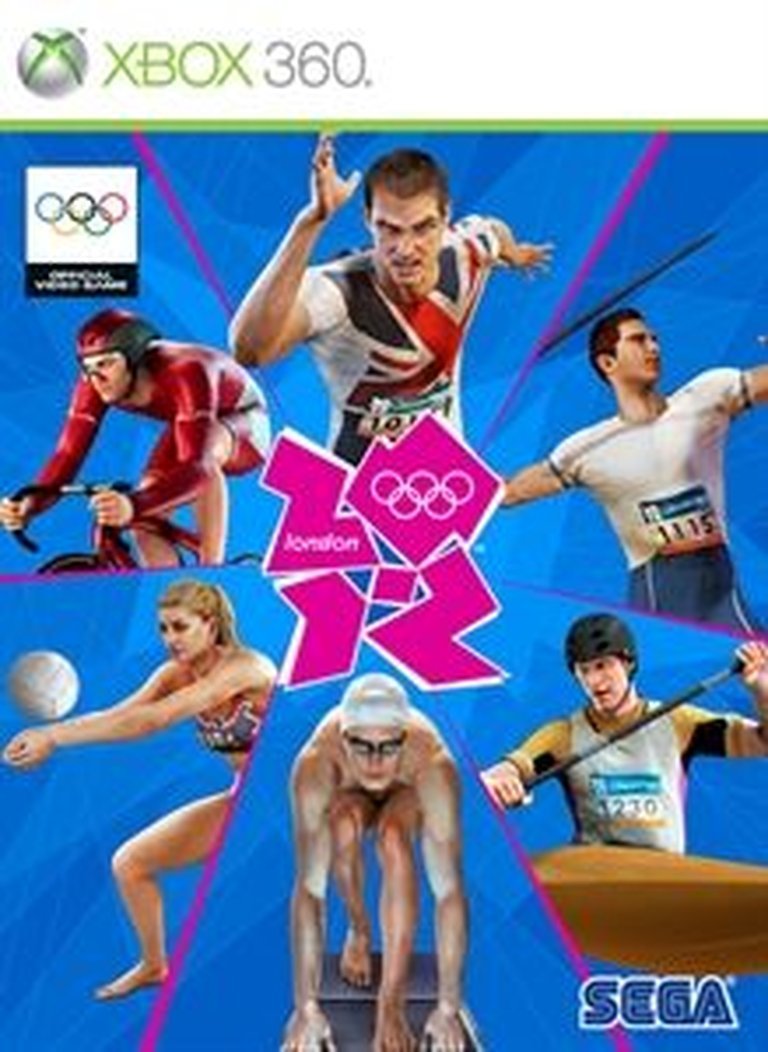
Description
London 2012: The Official Video Game of the Olympic Games is the officially licensed game of the 2012 London Olympics, featuring a variety of sports events as mini-games. Players compete in disciplines like athletics, swimming, gymnastics, and more, using quick-time events, rhythmic button presses, and timed actions to win. The game includes both single-player and multiplayer modes, with customizable athletes and support for motion controls on consoles. While the locations are authentic, the athletes are fictional, though their names and appearances can be edited.
Gameplay Videos
London 2012: The Official Video Game of the Olympic Games Cracks & Fixes
London 2012: The Official Video Game of the Olympic Games Guides & Walkthroughs
London 2012: The Official Video Game of the Olympic Games Reviews & Reception
metacritic.com (80/100): Sega Studios Australia has surprised me with the depth and quality of their official London 2012 game.
ign.com : Sega’s celebration of the year’s biggest sporting event is better than you might expect.
London 2012: The Official Video Game of the Olympic Games: A Comprehensive Retrospective
Introduction: The Olympic Dream in Digital Form
The Olympic Games are a celebration of human achievement, a global spectacle where athletes push the boundaries of physical excellence. Capturing this grandeur in a video game is no small feat, yet London 2012: The Official Video Game of the Olympic Games attempted to do just that. Released in 2012 by Sega Studios Australia, this title was the official tie-in to the London Summer Olympics, offering players the chance to compete in a variety of events, from track and field to swimming and gymnastics. But how well did it succeed in translating the Olympic spirit into interactive entertainment? This review will delve into the game’s development, gameplay mechanics, reception, and legacy, providing a thorough analysis of its place in gaming history.
Development History & Context
The Studio Behind the Game
London 2012 was developed by Sega Studios Australia, a studio that had recently separated from Creative Assembly. This was the studio’s first and only Olympic title before its closure, making London 2012 a unique entry in Sega’s portfolio. The game was published by Sega and released across multiple platforms, including Xbox 360, PlayStation 3, Windows, and OnLive, with mobile versions developed by Neowiz for iOS and Android.
Technological Constraints and Innovations
The game was developed during a transitional period in gaming, with motion controls becoming increasingly popular. London 2012 incorporated these controls, particularly in its multiplayer modes, allowing players to use the Kinect on Xbox 360 and the PlayStation Move on PS3. However, the implementation of these controls was met with mixed reactions, highlighting the challenges of integrating new technologies into traditional gameplay mechanics.
The Gaming Landscape of 2012
In 2012, the gaming industry was dominated by titles like Call of Duty: Modern Warfare 3, The Elder Scrolls V: Skyrim, and Mass Effect 3. Sports games, particularly those tied to major events like the Olympics, often struggled to compete with these blockbusters. London 2012 faced the additional challenge of living up to the legacy of previous Olympic games, such as Beijing 2008, and the popular Mario & Sonic series.
Narrative & Thematic Deep Dive
The Olympic Spirit
London 2012 aimed to capture the essence of the Olympic Games, emphasizing competition, national pride, and the pursuit of excellence. The game’s narrative, such as it is, revolves around the player’s journey through various Olympic events, striving to win medals and achieve personal bests. While there is no traditional story or character development, the game’s thematic focus on the Olympic spirit is evident in its presentation and gameplay.
Characters and Customization
The game features fake athletes, allowing players to customize their appearance and names. This lack of real-world athletes is a notable omission, as it detracts from the authenticity of the Olympic experience. However, the customization options provide a degree of personalization, enabling players to create their own Olympic heroes.
Dialogue and Commentary
London 2012 includes commentary from broadcaster Seth Bennett and former athlete Allison Curbishley, adding a layer of authenticity to the events. The commentary is contextual, responding to the player’s performance and enhancing the immersive experience. However, the dialogue can sometimes feel repetitive, detracting from the overall presentation.
Gameplay Mechanics & Systems
Core Gameplay Loops
The gameplay in London 2012 is centered around a series of mini-games, each representing a different Olympic event. These events range from track and field to swimming, gymnastics, and more. Each mini-game has its own unique mechanics, requiring players to master different controls and strategies.
Event-Specific Mechanics
- Track and Field: Events like the 100m sprint and 400m race require players to maintain a gauge in the green to keep their athlete at top speed. Overfilling the meter causes the athlete to slow down, adding a layer of strategy to the races.
- Field Events: Events like the javelin throw and shot put use the analog stick to determine the trajectory of the throw. Players must flick the stick at the right angle to achieve the best distance.
- Swimming: Swimming events involve rapid tapping to power through the water, followed by rhythmic strokes to maintain speed. The timing of these strokes is crucial for success.
- Gymnastics and Diving: These events play out as extended quick-time events (QTEs), where players must press buttons at the right time to execute routines. The feedback can feel limited, making the scoring seem arbitrary at times.
- Beach Volleyball: This event is particularly disappointing, lacking the depth and polish of other events. It’s a missed opportunity, given Sega’s previous work on Beach Spikers.
Multiplayer and Online Modes
London 2012 includes both local and online multiplayer modes, allowing players to compete against friends and strangers alike. The online mode features a “national pride” ranking system, where players can collect medals for their chosen country. This adds a layer of competition and camaraderie, enhancing the Olympic experience.
Party Play and Motion Controls
The Party Play mode, available on consoles, offers a selection of events that can be played with motion controls. While the idea is innovative, the implementation is flawed. The Kinect controls, in particular, are problematic, with gestures often going unrecognized. This makes events like archery and kayaking frustrating to play, detracting from the overall experience.
World-Building, Art & Sound
Visual Presentation
London 2012 features vibrant and colorful visuals, capturing the excitement and pageantry of the Olympic Games. The character models are well-drawn and decently animated, though they may not rival the graphical fidelity of other contemporary titles. The arenas and environments are detailed, with iconic London landmarks like the London Eye and Big Ben adding to the authenticity.
Sound Design
The sound design in London 2012 is a standout feature. The hearty cheers from the crowd, the contextual commentary, and the atmospheric sounds of the Olympic venues all contribute to an immersive experience. The background music is simplistic but adequate, consisting of pianos, violins, and guitars that complement the Olympic theme.
Atmosphere and Immersion
The game’s presentation is surprisingly strong, creating a sense of excitement and competition. The vibrant colors, detailed environments, and enthusiastic commentary all work together to immerse players in the Olympic experience. However, the lack of real-world athletes and the repetitive dialogue can detract from this immersion.
Reception & Legacy
Critical Reception
London 2012 received mixed or average reviews from critics. On Metacritic, the game holds scores of 66/100 for the iOS version, 65/100 for the PC version, 66/100 for the PS3 version, and 64/100 for the Xbox 360 version. Critics praised the game’s presentation, variety of events, and multiplayer modes, but criticized its repetitive gameplay, flawed motion controls, and lack of depth.
Commercial Performance
Despite the mixed reviews, London 2012 performed well commercially. The game held the top spot of the UK All Format chart for three weeks following its release and reached number 9 in the PS3 PAL downloads chart. As of May 2013, the game had sold 680,000 copies in the US and Europe, demonstrating its popularity among casual and sports gaming audiences.
Legacy and Influence
London 2012 is remembered as a competent but flawed Olympic tie-in. While it improved upon its predecessor, Beijing 2008, it failed to innovate significantly or provide a deep, engaging experience. The game’s legacy is somewhat overshadowed by the Mario & Sonic series, which has become the go-to choice for Olympic-themed gaming. However, London 2012 remains a notable entry in the genre, offering a unique blend of events and multiplayer competition.
Conclusion: A Bronze Medal Effort
London 2012: The Official Video Game of the Olympic Games is a mixed bag of successes and shortcomings. On the one hand, it captures the spirit of the Olympic Games with its vibrant presentation, varied events, and competitive multiplayer modes. On the other hand, it suffers from repetitive gameplay, flawed motion controls, and a lack of depth that prevents it from standing out in the crowded sports gaming landscape.
In the end, London 2012 is a game that is best enjoyed in short bursts, particularly in multiplayer settings where the competitive spirit can shine. It may not be a gold medalist, but it certainly deserves a respectable bronze for its efforts to bring the Olympic experience to life. For fans of sports games and Olympic enthusiasts, London 2012 offers a fun, if somewhat shallow, journey through the world of competitive athletics.