
- Release Year: 2024
- Platforms: PlayStation 5, Windows, Xbox Series
- Publisher: Microids SA
- Developer: Savage Level
- Genre: Role-playing (RPG), Tactical RPG
- Perspective: Diagonal-down
- Game Mode: Single-player
- Gameplay: Dice mechanics, Pirate adventure, Tactical RPG, Turn-based combat
- Setting: Caribbean, Sea pirates
- Average Score: 65/100
Description
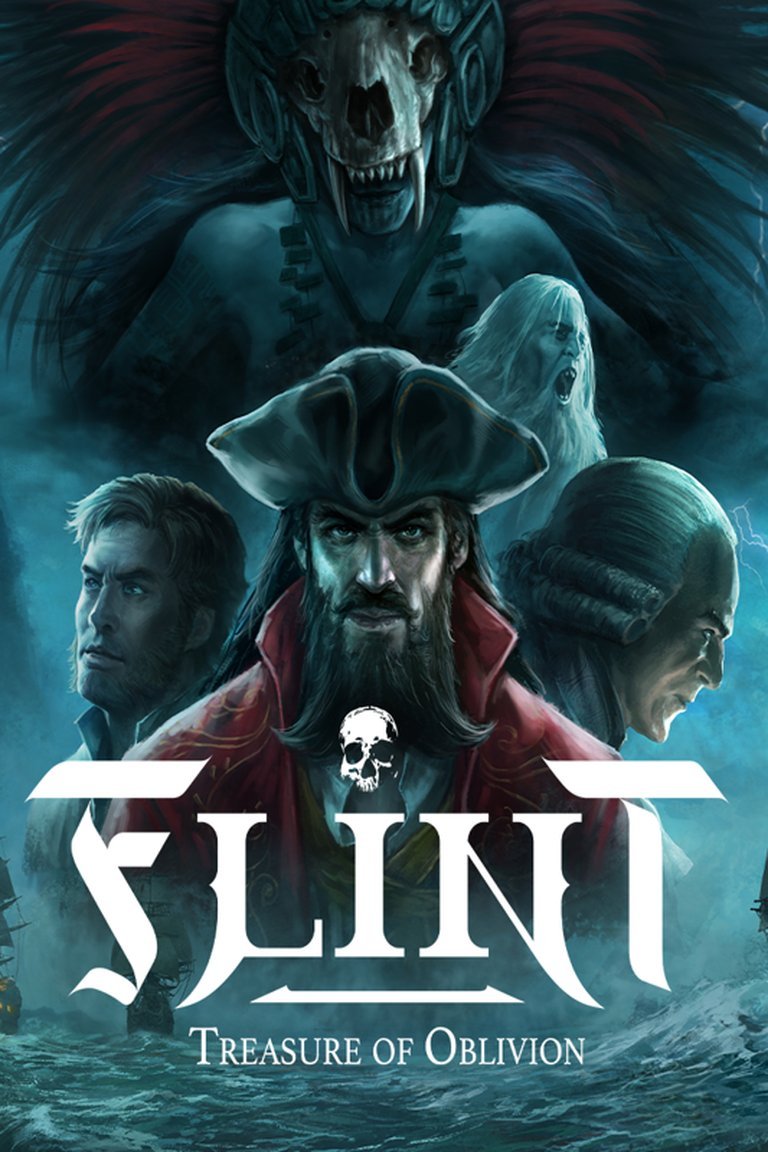
Flint: Treasure of Oblivion is a turn-based tactical RPG set in a pirate-themed Caribbean world, where players embark on a structured, story-driven adventure. Combining strategic combat with dice mechanics inspired by games like Baldur’s Gate 3, the game emphasizes terrain use and underhanded tactics to outmaneuver enemies. With a visually appealing free-camera perspective and a narrative rich in pirate lore, it offers a blend of exploration, tactical depth, and a compelling story inspired by classic pirate tales.
Gameplay Videos
Where to Buy Flint: Treasure of Oblivion
Flint: Treasure of Oblivion Free Download
Flint: Treasure of Oblivion Cracks & Fixes
Flint: Treasure of Oblivion Guides & Walkthroughs
Flint: Treasure of Oblivion Reviews & Reception
metacritic.com (60/100): Flint: Treasure of Oblivion has some interesting ideas when it comes to gameplay mechanics but struggles to fully explain them quickly and efficiently.
opencritic.com (61/100): Flint: Treasure of Oblivion is a good-looking adventure with enough pilfering, parrots and peg-legs to pacify all the pirate purists.
puredeadgaming.com (75/100): Flint: Treasure of Oblivion is a game that’s strengths outweigh its weaknesses.
Flint: Treasure of Oblivion Cheats & Codes
PC
Press F1 at main menu to activate the trainer. Listen for ‘Trainer Activated’. Press desired hotkey.
| Code | Effect |
|---|---|
| NumPad1 | Unlimited HP |
| NumPad2 | Unlimited AP |
| NumPad3 | Weak Enemies HP |
| NumPad4 | Game Speed |
PC (Trainer +7)
Activate trainer and use the following hotkeys.
| Code | Effect |
|---|---|
| Numpad 1 | Infinite health |
| Numpad 2 | Infinite action points |
| Numpad 3 | Infinite gold |
| Numpad 4 | Infinite ship |
| Numpad 5 | Infinite team health |
| Numpad 6 | Infinite lucky charms |
| Numpad 7 | Instant ki |
Flint: Treasure of Oblivion: A Swashbuckling Tactical RPG with Rough Edges
Introduction
Flint: Treasure of Oblivion is a bold attempt to merge the golden age of piracy with the tactical depth of a turn-based RPG. Developed by Savage Level and published by Microids, this game draws inspiration from Robert Louis Stevenson’s Treasure Island, offering a narrative-driven adventure that blends historical accuracy with dark fantasy. While its ambitious design and unique aesthetic make it a standout in the pirate-themed gaming landscape, its execution is marred by clunky mechanics, poor tutorials, and an over-reliance on randomness. This review will delve into the game’s development, narrative, gameplay, world-building, reception, and legacy to determine whether Flint: Treasure of Oblivion is a buried treasure or a shipwreck.
Development History & Context
Savage Level, a studio founded in 2021 by industry veterans Maxime and Aurélien Josse, set out to create a game that would redefine pirate narratives in video games. The studio’s vision was to craft a historically accurate yet fantastical world, drawing from Franco-Belgian comics for its narrative style. The game was built using Unreal Engine 5, which allowed for detailed environments and atmospheric effects, though the final product often struggles to fully utilize the engine’s capabilities.
The gaming landscape at the time of Flint’s release was dominated by sprawling CRPGs like Baldur’s Gate 3, which set a high bar for narrative depth and player agency. Flint aimed to carve its niche by focusing on a more structured, linear story with a unique comic-book aesthetic. However, the game’s development was not without challenges. The lack of a proper tutorial system and the over-reliance on dice mechanics suggest that the studio may have underestimated the learning curve for players unfamiliar with tabletop RPG mechanics.
Narrative & Thematic Deep Dive
Flint: Treasure of Oblivion follows Captain James Flint and his crew as they embark on a quest to uncover a legendary treasure. The story begins in the dungeons of Saint-Malo, where Flint and his second-in-command, Billy Bones, escape and set sail on a journey filled with betrayal, mutiny, and dark fantasy elements. The narrative is presented through a mix of comic-book panels, real-time cutscenes, and in-game dialogue, creating a disjointed but visually striking experience.
The game’s themes revolve around greed, ambition, and the cost of freedom. Flint is a morally ambiguous protagonist, driven by a desire for vengeance and wealth, which makes him a compelling but often unlikable character. The supporting cast, including Sarah Claymore and Ezekiel Black, add depth but remain underdeveloped, failing to escape their clichéd roles. The dialogue, delivered through silent comic panels, lacks the emotional resonance of voice-acted performances, which could have elevated the story’s impact.
Gameplay Mechanics & Systems
Flint: Treasure of Oblivion is a turn-based tactical RPG with a heavy emphasis on dice mechanics and card-based abilities. The combat system is built on hexagonal tiles, where players command a crew of pirates with unique skills and weapons. Each action is determined by dice rolls, which can lead to frustrating moments of randomness. The game’s reliance on luck, combined with its lack of a proper tutorial, makes it inaccessible to newcomers and occasionally infuriating for veterans.
The progression system is another area of contention. Players earn booty (money) through combat, which is used to both purchase items and level up crew members. This dual-purpose currency forces players to make difficult choices, but the lack of a robust crafting or equipment system limits strategic depth. The game’s difficulty curve is inconsistent, with some encounters feeling overly punishing due to poor balancing.
World-Building, Art & Sound
The game’s world is a mix of bustling pirate cities and exotic landscapes, all rendered in Unreal Engine 5. The environments are detailed and atmospheric, though they often lack the polish expected of modern RPGs. The comic-book aesthetic is a standout feature, with vibrant panels that punctuate key moments in the story. However, the in-game graphics are a mixed bag, with low-resolution textures and repetitive character models detracting from the immersion.
The soundtrack is one of the game’s strongest elements, featuring sea shanties and orchestral pieces that enhance the pirate theme. The sound design, however, is underwhelming, with battles lacking impactful audio cues. The absence of voice acting during key moments further diminishes the story’s emotional weight.
Reception & Legacy
Flint: Treasure of Oblivion received mixed reviews upon release, with critics praising its unique aesthetic and ambitious design but criticizing its clunky mechanics and poor tutorials. The game’s Metacritic score of 60 reflects this divide, with some reviewers calling it a hidden gem for pirate enthusiasts and others dismissing it as a frustrating mess.
The game’s legacy is likely to be that of a cult classic, appealing to a niche audience of tactical RPG fans and pirate aficionados. Its influence on subsequent games may be limited, but its bold attempt to blend comic-book storytelling with turn-based combat could inspire future developers to explore similar mechanics.
Conclusion
Flint: Treasure of Oblivion is a game of contradictions. Its ambitious design and unique aesthetic make it a standout in the pirate-themed gaming landscape, but its execution is marred by clunky mechanics, poor tutorials, and an over-reliance on randomness. For players willing to tolerate its flaws, it offers a richly detailed world and a compelling narrative. However, for those seeking a polished, accessible experience, it may be best to walk the plank and look elsewhere.
Final Verdict: 6.5/10 – A flawed but ambitious pirate adventure that may appeal to niche audiences.