
- Release Year: 2016
- Platforms: Macintosh, Windows
- Publisher: Terminal Press
- Developer: Terminal Press
- Genre: Action
- Perspective: Top-down
- Game Mode: Single-player
- Gameplay: Arcade, Shooter
- Average Score: 78/100
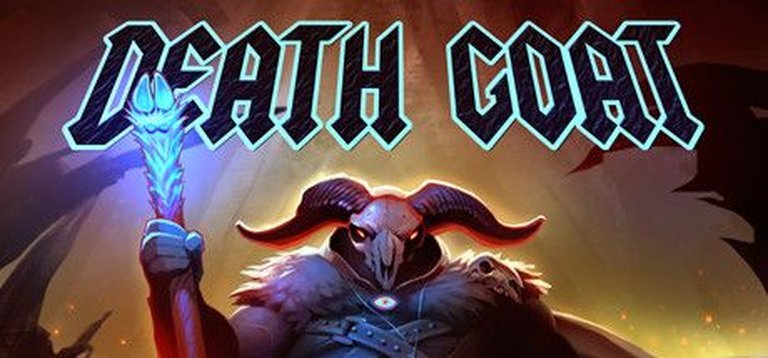
Description
Death Goat is a fast-paced, top-down arcade shooter where players battle relentless hordes of brutal enemies to the soundtrack of heavy metal. Set in a chaotic, blood-soaked world, the game challenges players to survive wave after wave of foes while racking up high scores and unlocking achievements. With its direct control interface and intense action, Death Goat delivers a visceral, adrenaline-fueled experience for fans of arcade-style shooters.
Gameplay Videos
Death Goat Free Download
Death Goat Patches & Updates
Death Goat Guides & Walkthroughs
Death Goat Reviews & Reception
steambase.io (76/100): Death Goat has earned a Player Score of 76 / 100.
336gamereviews.com : Death Goat is a Heavy Metal inspired twin stick shooter where you are tasked to slay all manner of monsters while the headbanging soundtrack blasts in the background.
mobygames.com (80/100): Average score: 4.0 out of 5
Death Goat: A Bloody, Heavy Metal-Inspired Arcade Shooter That Defies Convention
Introduction: The Unlikely Hero of the Apocalypse
In the vast, often homogenized landscape of indie games, Death Goat (2016) stands as a defiant, bleating anomaly—a game that embraces absurdity, brutality, and heavy metal with unapologetic fervor. Developed by the obscure studio Terminal Press, Death Goat is a top-down twin-stick shooter that tasks players with controlling a demonic goat armed with a guitar, mowing down waves of grotesque enemies while headbanging to a soundtrack of ear-splitting metal. It’s a game that doesn’t just wear its influences on its sleeve; it is its influences, distilled into a chaotic, gore-soaked experience.
At first glance, Death Goat might seem like a mere curiosity, a footnote in the long line of quirky indie shooters. Yet, beneath its crude pixel art and over-the-top violence lies a game that is both a love letter to classic arcade shooters like Robotron: 2084 and Smash TV and a bold, if flawed, experiment in sensory overload. This review will dissect Death Goat in exhaustive detail, exploring its development, narrative (or lack thereof), gameplay mechanics, artistic direction, and legacy. By the end, we’ll determine whether Death Goat is a forgotten gem, a cult oddity, or a cautionary tale of ambition outpacing execution.
Development History & Context: The Birth of a Metal Goat
The Studio Behind the Slaughter: Terminal Press
Terminal Press is not a household name in the gaming industry, and Death Goat remains one of its few notable releases. The studio’s portfolio is a mix of experimental and niche titles, including Star Fighters, Claria’s Great Maze, and Doge Simulator, none of which achieved mainstream success. Death Goat was developed using Multimedia Fusion / Clickteam Fusion 2.5, a game engine known for its accessibility to indie developers but often criticized for its limitations in performance and scalability.
The choice of engine is telling. Clickteam Fusion has been used for a variety of indie projects, from The Escapists to Five Nights at Freddy’s, but it’s not typically associated with high-performance action games. This technological constraint likely influenced Death Goat’s design, pushing the developers toward a simpler, arcade-style experience rather than a more complex, system-heavy game.
The Vision: A Love Letter to Metal and Arcade Shooters
The creators of Death Goat were clearly inspired by two things: heavy metal music and classic arcade shooters. The game’s Steam description proudly declares it a “bloody arcade shooter featuring hordes of brutal enemies & eardrum destroying Heavy Metal,” and this ethos permeates every aspect of the game. The developers sought to create an experience where players could “zone out, sharpen their arcade twitch skills and decimate demons” to a soundtrack featuring bands like Between The Buried And Me, Byzantine, Holy Grail, and Dethlehem.
This vision was ambitious, if niche. The game was designed to be a pure, unadulterated arcade experience, eschewing complex narratives or deep mechanics in favor of raw, fast-paced action. The inclusion of a customizable soundtrack—where players could choose which metal tracks played during their slaughter—was a unique touch, catering directly to the game’s target audience: fans of both retro shooters and heavy metal.
The Gaming Landscape in 2016: A Crowded Indie Scene
Death Goat launched on June 7, 2016, into an indie gaming scene that was both thriving and oversaturated. The mid-2010s saw an explosion of indie titles, thanks in part to platforms like Steam Greenlight and the rise of crowdfunding. Games like Undertale (2015), Stardew Valley (2016), and Inside (2016) dominated conversations, while twin-stick shooters like Nuclear Throne (2015) and Enter the Gungeon (2016) set new standards for the genre.
In this environment, Death Goat faced an uphill battle. It lacked the polish, depth, or marketing push of its contemporaries. Its $2.99 price point (later made free) suggested the developers were aware of its limitations, positioning it as a budget curiosity rather than a must-play experience. The game’s delisting from Steam in later years further obscured its legacy, leaving it as a cult oddity rather than a mainstream success.
Narrative & Thematic Deep Dive: The Absurdity of a Goat’s Rampage
Plot: Minimalism as a Statement
Death Goat is not a game concerned with storytelling. There is no opening cinematic, no lore-heavy codex, no character development. The “narrative” can be summarized in a single sentence: You are a demonic goat, and you must kill everything in sight.
This minimalism is both a strength and a weakness. On one hand, it allows the game to focus entirely on its core gameplay loop—shooting, surviving, and headbanging. On the other, it leaves little room for emotional investment or thematic depth. The game’s setting is a series of generic, blood-soaked arenas, each filled with waves of enemies that exist solely to be slaughtered.
Characters: The Goat and Its Brethren
The game features four playable characters, each with slight variations in stats and abilities:
- Death Goat: The default character, balanced in speed, strength, and health.
- War Goat: A tanky variant with high health and strength but low speed.
- Speed Goat: A fast, fragile character with low health and strength.
- Metal Goat: A powerful but slow character with high strength and health.
Despite these differences, the characters are largely interchangeable. Their abilities don’t significantly alter the gameplay, and their visual designs are minimalistic, with the Death Goat being the most iconic (a horned, red-eyed beast wielding a guitar).
Themes: Metal, Violence, and Catharsis
Death Goat’s themes are as subtle as a sledgehammer to the face. The game is a celebration of violence, chaos, and heavy metal culture, drawing inspiration from:
- Metal Album Covers: The enemy designs resemble grotesque, demonic creatures straight out of a black metal or death metal album. Skulls with spider legs, worm-bodied babies, and other abominations populate the arenas, each designed to evoke a sense of visceral horror.
- Arcade Catharsis: The game’s relentless waves of enemies and high-score chasing harken back to the golden age of arcade games, where the goal was simple: survive as long as possible and rack up points.
- Anti-Establishment Aesthetics: The goat as a protagonist is a deliberate choice, symbolizing rebellion, chaos, and the absurd. Goats have long been associated with Satanic imagery in metal culture (e.g., the Baphomet symbol), and Death Goat leans into this imagery without irony.
Dialogue and Sound: The Power of Metal
There is no dialogue in Death Goat. The only “voice” in the game comes from the heavy metal soundtrack, which is arguably the game’s strongest feature. The soundtrack includes tracks from 20 different metal bands, spanning subgenres like progressive metal, death metal, and black metal. The music is loud, aggressive, and relentless, perfectly complementing the on-screen carnage.
The sound design extends beyond the music:
– Gunfire is replaced with the sound of a guitar riff, reinforcing the game’s metal theme.
– Enemy screams and explosions are exaggerated, adding to the game’s over-the-top aesthetic.
– Power-up sounds are similarly bombastic, ensuring the player is constantly immersed in a wall of noise.
Gameplay Mechanics & Systems: Twin-Stick Slaughter with a Side of Frustration
Core Gameplay Loop: Shoot, Survive, Repeat
Death Goat is a twin-stick shooter at its core, with the following basic mechanics:
– Movement: Controlled with the left stick (or WASD).
– Aiming/Shooting: Controlled with the right stick (or mouse).
– Special Ability: Activated with a button press (varies by character).
The goal is simple: survive as long as possible against increasingly difficult waves of enemies. Each wave introduces new enemy types, and the game tracks your high score, encouraging replayability.
Combat: A Test of Twitch Reflexes
The combat in Death Goat is fast-paced and chaotic, with several key elements:
– Basic Weapon: A weak, rapid-firing guitar that serves as your primary weapon. It’s intentionally underpowered, forcing players to rely on power-ups and strategic movement.
– Power-Ups: Randomly dropped by enemies, these temporary upgrades include:
– Blue Orb (Lightning): A weak, short-range attack.
– Purple Orb (Spread Shot): A powerful, wide-area attack.
– Other Orbs: Various effects, though their usefulness is inconsistent.
– Shield System: Players start with a blue shield that can absorb three hits before breaking. Once broken, the next hit kills you.
– Pentagram Spells: A last-resort ability that clears the screen of enemies. You start with three and can only replenish them by finding rare drops.
Character Progression: A Shallow System
Death Goat lacks traditional character progression. There are no RPG elements, skill trees, or permanent upgrades. The only “progression” comes from:
– Unlocking New Characters: Achieved by surviving long enough or meeting certain score thresholds.
– Leaderboard Competition: The game’s Steam Leaderboards encourage players to chase high scores.
This lack of depth is both a design choice and a limitation. The game is pure arcade, for better or worse.
UI and Controls: Functional but Flawed
The game’s UI is minimalistic, with:
– A health/shield indicator.
– A score counter.
– A wave counter.
The controls are responsive but suffer from technical issues, particularly with higher refresh rate monitors. Players with 120Hz+ displays report that the goat moves at uncontrollable speeds, making the game nearly unplayable. This bug, never patched, is a glaring oversight.
Innovative or Flawed Systems?
Death Goat’s most innovative feature is its customizable soundtrack, allowing players to curate their own metal playlist for the slaughter. However, the game’s core mechanics are derivative, borrowing heavily from classics like Robotron: 2084 and Smash TV without adding much new.
The power-up system is flawed:
– Orbs disappear abruptly, with no visual or auditory warning.
– Some power-ups are nearly useless (e.g., the blue orb’s weak attack).
– The randomness of drops can make runs feel unfair or tedious.
The achievement system is also controversial. The “Vengeful God” achievement, requiring 1,000,000 kills, is grindy to the point of absurdity, with players reporting it takes 100+ hours of gameplay to unlock. This has led to community backlash, with many arguing it’s an unreasonable ask for a game of this scale.
World-Building, Art & Sound: A Metal Album Come to Life
Setting: The Arena of the Damned
Death Goat takes place in a series of generic, blood-soaked arenas, each with minimal environmental detail. The settings are interchangeable, with little to differentiate them beyond color palettes. This lack of variety is a missed opportunity, as the game’s metal theme could have lent itself to more creative, hellish landscapes.
Visual Direction: Crude but Effective
The game’s pixel art style is simple and functional, with:
– Grotesque enemy designs that evoke metal album covers.
– Bright, garish colors that emphasize the game’s over-the-top violence.
– Minimal animation, with enemies often moving in stiff, predictable patterns.
The art direction is not polished, but it fits the game’s aesthetic. The Death Goat itself is the most iconic visual element, with its horned silhouette and guitar becoming the game’s defining image.
Sound Design: The Heart of the Experience
The soundtrack is the star of Death Goat. Featuring 20 tracks from underground metal bands, the music is loud, aggressive, and perfectly suited to the game’s frenetic action. The inclusion of bands like Between The Buried And Me and Dethlehem gives the game a legitimate metal pedigree, appealing directly to fans of the genre.
The sound effects are equally exaggerated:
– Guitar riffs replace gunfire.
– Enemies scream in agony when killed.
– Explosions are thunderous, adding to the sensory overload.
The lack of voice acting is a non-issue, as the game’s soundtrack and effects carry the auditory experience.
Atmosphere: Chaos and Catharsis
Death Goat’s atmosphere is one of controlled chaos. The combination of relentless metal music, gory visuals, and fast-paced gameplay creates a visceral, almost trance-like experience. Players are encouraged to zone out and embrace the carnage, making the game a unique form of stress relief for those who enjoy its brand of madness.
Reception & Legacy: A Cult Oddity in the Indie Landscape
Critical Reception: Mixed but Generally Positive
Death Goat received little mainstream attention, but the reviews it did garner were mostly positive, with an average score of 4/5 on MobyGames and a 76/100 Player Score on Steambase. Critics praised:
– The heavy metal soundtrack.
– The fast-paced, arcade-style gameplay.
– The absurd, over-the-top premise.
However, criticisms focused on:
– The lack of depth and variety.
– Technical issues (e.g., refresh rate bugs).
– The grindy achievement system.
Commercial Performance: A Niche Success
The game was initially commercial but later made free-to-play, suggesting it didn’t sell well enough to justify its price. Its delisting from Steam further limited its reach, though it remains available on other platforms.
Community Response: A Divided Fanbase
The Death Goat community is small but passionate. Steam discussions reveal a mix of dedicated fans and frustrated players:
– Some players love the game’s simplicity and soundtrack, with one player (🌸Slaytanica🌸) proudly announcing they were the first female to reach 1,000,000 kills.
– Others complain about technical issues, with reports of the game crashing on launch or being unplayable with controllers.
The game’s leaderboards and high-score chasing have kept a hardcore fanbase engaged, though the lack of updates has left many feeling abandoned.
Influence & Legacy: A Footnote in Twin-Stick History
Death Goat has had little direct influence on the gaming industry, but it stands as a cult oddity—a game that embodies a specific, uncompromising vision. Its legacy is one of:
– A love letter to metal and arcade shooters.
– A flawed but fascinating experiment in sensory overload.
– A reminder that games don’t need complex narratives to be memorable.
It exists in the shadow of Goat Simulator (2014), a game that also embraced absurdity but with greater polish and mainstream appeal. While Death Goat lacks the humor and physics-based chaos of Goat Simulator, it carves its own niche as a brutal, metal-infused shooter.
Conclusion: The Goat That Could (But Didn’t Quite)
Death Goat is a game of contradictions. It is brutal yet simple, chaotic yet repetitive, ambitious yet flawed. It doesn’t aspire to be a masterpiece, nor does it pretend to offer deep mechanics or storytelling. Instead, it embraces its identity as a loud, bloody, metal-fueled arcade shooter, and in doing so, it succeeds on its own terms.
The Good:
✅ A killer heavy metal soundtrack that elevates the experience.
✅ Fast-paced, twitch-based gameplay that rewards skill.
✅ A unique, absurd premise that stands out in a crowded genre.
✅ High replay value for score chasers and metal fans.
The Bad:
❌ Lack of depth and variety in gameplay and environments.
❌ Technical issues (e.g., refresh rate bugs) that were never fixed.
❌ Grindy achievements that feel punitive rather than rewarding.
❌ Minimal polish compared to contemporaries like Nuclear Throne or Enter the Gungeon.
Final Verdict: 7/10 – A Flawed but Memorable Cult Classic
Death Goat is not a must-play for most gamers, but it is a must-experience for fans of twin-stick shooters, heavy metal, and absurd indie games. It’s a game that knows exactly what it is—a bloody, chaotic, metal-infused power fantasy—and it delivers on that promise, warts and all.
In the grand tapestry of video game history, Death Goat will likely remain a footnote, a curious relic of the mid-2010s indie boom. But for those who embrace its madness, it offers a unique, cathartic experience—one where you can headbang, shoot demons, and revel in the sheer absurdity of being a goat with a guitar.
If you’re looking for depth, look elsewhere. If you want to kill things to metal, Death Goat is your game.
Final Score: 7/10 – “A Bloody, Beautiful Mess”