
- Release Year: 2022
- Platforms: Windows
- Genre: Dungeon crawler, Role-playing (RPG)
- Perspective: 1st-person
- Game Mode: Single-player
- Gameplay: Action RPG, Roguelike
- Setting: Fantasy
- Average Score: 88/100
Description
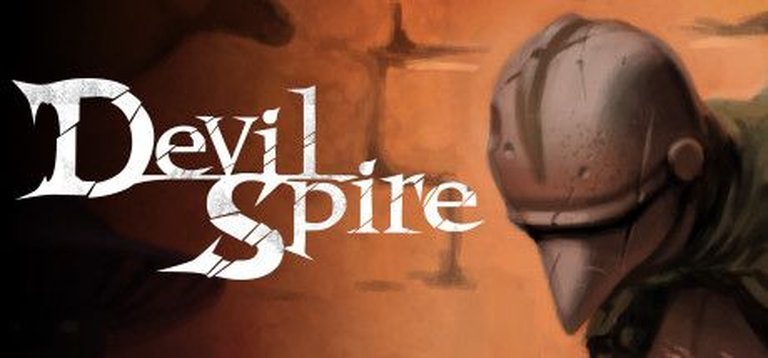
Devil Spire is a first-person action RPG roguelike with a retro 2.5D aesthetic, drawing inspiration from classics like Hexen and Doom. Set in a procedurally generated, atmospheric spire filled with deadly pixel-art enemies, players must ascend through treacherous floors, managing limited resources, weapon durability, and weight constraints. With multiple game modes, including a challenging ascent mode and boss rush, players can customize their builds—from heavy weapon warriors to fragile spellcasters—while navigating dark, maze-like environments teeming with bizarre foes.
Gameplay Videos
Where to Buy Devil Spire
PC
Devil Spire Mods
Devil Spire Guides & Walkthroughs
Devil Spire Reviews & Reception
steamcommunity.com : Firstly I want to say I’m totally loving this. My favorite game in months, already.
steambase.io (88/100): Devil Spire has earned a Player Score of 88 / 100.
store.steampowered.com : Very Positive (91% of 389)
indiegamereviewer.com : Devil Spire is a solid action RPG that achieves its goal of providing a retro-dungeon crawling experience in the first-person genre.
Devil Spire: A Retro Roguelite Dungeon Crawler That Embodies the Spirit of the ’90s
Introduction: A Towering Challenge in a Wasted World
Devil Spire is not just a game—it’s a love letter to the golden age of first-person dungeon crawlers, a time when games like King’s Field, Hexen, and Doom ruled the PC landscape. Released in February 2022 by indie developer Ithiro Sumi and his small team, Devil Spire is a hardcore, pseudo-3D roguelite action RPG that dares to embrace the past while incorporating modern design sensibilities. It’s a game that doesn’t just wear its influences on its sleeve—it is those influences, reimagined for a new generation of players who crave challenge, atmosphere, and depth.
At its core, Devil Spire is about ascending a monstrous, procedurally generated tower that looms over a land ravaged by war, plague, and famine. Players are drawn to its dark halls by promises of fortune, salvation, or forbidden knowledge, but the spire itself is a malevolent force, testing their resolve at every turn. With its deliberate combat, punishing difficulty, and oppressive atmosphere, Devil Spire is a game that demands patience, strategy, and adaptability. It’s not for the faint of heart, but for those who persevere, it offers one of the most rewarding dungeon-crawling experiences in recent memory.
This review will dissect Devil Spire in exhaustive detail, exploring its development, narrative, gameplay mechanics, world-building, and legacy. By the end, you’ll understand why this game is more than just a retro throwback—it’s a testament to the enduring appeal of classic dungeon crawlers.
Development History & Context: A Labor of Love in Quarantine
The Birth of a Passion Project
Devil Spire was born out of necessity and passion. Developed by Ithiro Sumi alongside Lucas Perdomo and Lucas Bressan, the game was conceived during the COVID-19 pandemic, a period that forced many indie developers to channel their creativity into new projects. Ithiro, the lead developer, has been vocal about his love for classic dungeon crawlers, particularly King’s Field and Hexen, and Devil Spire is his attempt to modernize those experiences while preserving their essence.
The game was built using GameMaker, a tool often associated with 2D games but repurposed here to create a pseudo-3D environment reminiscent of early ’90s PC titles. This choice was deliberate—Ithiro wanted to evoke the low-poly, sprite-based aesthetics of the era, where imagination filled in the gaps left by technological limitations. The result is a game that feels authentically retro, not because it lacks polish, but because it embraces the constraints of its inspirations.
The Gaming Landscape at Release
Devil Spire launched on February 2, 2022, into a gaming market dominated by open-world epics, battle royales, and live-service titles. Yet, it found its niche among fans of roguelites, dungeon crawlers, and retro-inspired experiences. The game’s release coincided with a resurgence of interest in classic-style RPGs, thanks in part to the success of titles like Dark Souls, Blasphemous, and Ultrakill.
What sets Devil Spire apart is its unapologetic difficulty and minimalist design. Unlike many modern games that hold the player’s hand with tutorials, waypoints, and excessive UI cues, Devil Spire throws players into its world with little explanation, trusting them to learn through experimentation and failure. This design philosophy aligns with the “Souls-like” ethos, where mastery comes from understanding mechanics rather than brute-forcing through content.
Post-Launch Support and Community Engagement
Since its release, Devil Spire has received multiple updates, including the “Immersive Update” (v1.4) and the “Final Update” (v1.5999), which introduced new features, balance tweaks, and quality-of-life improvements. The developers have been actively engaged with the community, responding to feedback on Steam forums, Discord, and Reddit, and even incorporating player suggestions into patches.
The game’s modding scene has also begun to flourish, with players creating custom weapons, spells, and even entirely new dungeon types. The Nexus Mods page for Devil Spire is a testament to the game’s longevity and the dedication of its fanbase.
Narrative & Thematic Deep Dive: A Tower of Mystery and Despair
The Premise: A Beacon of Hope or a Trap?
Devil Spire’s story is deliberately minimalist, relying on environmental storytelling and cryptic lore rather than exposition-heavy cutscenes. The game begins with a simple premise:
“A massive tower of stone emerged one day in a land wasted by war, plague, and famine. You are one of the many drawn to it by legends of fortune and salvation. Will you succumb to it, conquer it, or discover the secrets deep within?”
This setup is reminiscent of Dark Souls, where the world is steeped in tragedy, and the player’s journey is one of discovery and survival rather than a traditional hero’s quest. The spire itself is a living entity, a force that lures adventurers with promises of power but consumes them just as readily. The game’s lore, scattered across item descriptions and environmental details, hints at a deeper mystery—one that players must piece together themselves.
Themes: Isolation, Survival, and the Cost of Power
Devil Spire explores several dark themes that resonate with its retro aesthetic:
- The Futility of Greed – The tower is filled with treasures, but every reward comes at a cost. Players must decide whether to risk their lives for powerful gear or play it safe and survive another floor.
- The Weight of Choice – The game’s inventory and weight system reinforce the idea that every decision matters. Carrying too much slows you down; carrying too little leaves you unprepared.
- The Unknown as the Ultimate Enemy – Unlike modern games that map every objective, Devil Spire thrives on uncertainty. Players never know what lies around the next corner—a powerful artifact, a deadly trap, or an ambush.
- The Cycle of Failure and Growth – As a roguelite, death is inevitable, but each run teaches the player something new. The tower is a teacher as much as it is a prison.
Characters and Lore: A World Shrouded in Mystery
The game’s NPC interactions are sparse but meaningful. The starting village serves as a hub where players can purchase supplies, but the vendors are cryptic and untrustworthy, reinforcing the game’s oppressive tone. Some characters hint at the tower’s true nature, while others seem to be cursed or maddened by their time within it.
The enemies themselves are a mix of the bizarre and the terrifying, from knife-throwing goats to spell-casting mushroom creatures. Their designs are surreal, blending folk horror with dark fantasy, and their behavior reinforces the idea that the tower is a place where reality itself is warped.
Gameplay Mechanics & Systems: A Masterclass in Retro Design
Core Gameplay Loop: Ascend or Perish
Devil Spire’s gameplay revolves around ascending the tower through procedurally generated floors, each filled with enemies, traps, and secrets. The structure is reminiscent of The Binding of Isaac or Spelunky, but with a far more methodical and punishing approach to combat.
Combat: Deliberate, Weighty, and Deadly
Combat in Devil Spire is not about reflexes—it’s about positioning, timing, and resource management. Every swing of a weapon feels heavy and impactful, and enemies don’t go down easily. The game encourages defensive play, with blocking, dodging, and even kicking (yes, there’s a dedicated kick button) being essential tools for survival.
- Weapons & Durability – There are 24 weapon classes, ranging from swords and axes to ranged crossbows and throwing knives. However, every weapon degrades with use, forcing players to scavenge for replacements or risk being caught with a broken blade mid-fight.
- Magic & Spells – With 48 unique spells, magic is powerful but costly. Spells can backfire, drain mana quickly, and often require precise aiming. A misfired fireball can be just as dangerous to the caster as to the enemy.
- Dual-Wielding & Enchantments – Players can dual-wield weapons for faster attacks or enchant their gear with special effects, adding layers of customization.
Character Progression: Build Your Doomed Hero
Character creation allows for deep customization, with stats like Strength, Vitality, Agility, and Intelligence shaping playstyle:
- Strength – Increases melee damage and equip weight limit (critical for heavy armor users).
- Vitality – Boosts health and inventory capacity, allowing players to carry more loot.
- Agility – Improves dodging and attack speed, making it essential for lightweight, evasive builds.
- Intelligence – Enhances spell power but comes with high risk, as magic can be unpredictable.
The roguelite structure means that while each run is fresh, meta-progression exists in the form of unlockable starting gear, spells, and character portraits, giving players small but meaningful advantages in subsequent attempts.
Inventory & Weight Management: A Constant Struggle
One of Devil Spire’s most controversial yet brilliant mechanics is its weight system:
- Equip Weight – Determines how much gear a character can wear (armor, weapons, shields).
- Inventory Weight – Dictates how much a character can carry in their backpack.
This system forces players to make tough choices:
– Do you carry extra healing potions at the cost of movement speed?
– Do you equip heavy armor for defense but sacrifice dodging ability?
– Do you hoard loot for later or drop it to stay agile?
The tension this creates is palpable—every item picked up is a gamble, and every enemy encounter could be the one that overwhelms you.
Procedural Generation: Familiar Yet Unpredictable
The tower’s floors are procedurally generated, but unlike some roguelites that feel random for randomness’ sake, Devil Spire’s design ensures that each dungeon type has a distinct identity:
- Dank Dungeons – Classic stone corridors with traps and undead.
- Flooded Chambers – Waterlogged halls where movement is slowed.
- Hedge Mazes – Overgrown, labyrinthine gardens with hidden paths.
- And more…
Each environment has unique enemies, traps, and secrets, ensuring that no two runs feel identical. However, the underlying mechanics remain consistent, meaning that mastery is rewarded—players who learn enemy patterns and trap behaviors will survive longer, even in unfamiliar layouts.
World-Building, Art & Sound: A Haunting Masterpiece
Visual Design: Retro Aesthetics with Modern Polish
Devil Spire’s pseudo-3D, sprite-based graphics are a deliberate throwback to early ’90s dungeon crawlers, but they’re far from primitive. The game uses:
- Low-resolution textures that evoke King’s Field and Hexen.
- Hand-drawn enemy sprites that are grotesque and memorable.
- Dynamic lighting that casts eerie shadows, making exploration tense and immersive.
The result is a game that feels like a lost classic, but with modern sensibilities in level design and animation. The hazy, grainy visuals create an oppressive atmosphere, where every corridor feels like it could hide something lethal.
Sound Design: Silence as a Weapon
Devil Spire’s audio design is minimalist but masterful. Instead of a constant soundtrack, the game relies on:
- Ambient noise – Dripping water, distant echoes, the creaking of old stone.
- Enemy cues – Growls, footsteps, and spell-charging sounds that warn of danger.
- Combat sounds – The clang of steel, the thud of a successful block, the scream of a dying foe.
This restrained approach makes the game far more immersive than many modern titles. The absence of music in exploration segments heightens tension, making the player hyper-aware of their surroundings.
Atmosphere: A Tower That Feels Alive
The spire itself is the game’s greatest character—a living, breathing dungeon that hates you. The way the game plays with light and darkness (requiring players to manage lamp oil) reinforces the feeling of isolation and vulnerability. Traps are brutal but fair, often telegraphed by subtle environmental clues that reward observant players.
The bosses are grotesque, towering figures that feel like eldritch horrors, reinforcing the game’s dark fantasy tone. Each one is a test of skill and endurance, requiring players to learn patterns rather than brute-force their way to victory.
Reception & Legacy: A Cult Classic in the Making
Critical Reception: Praise for Its Bold Design
Devil Spire has been overwhelmingly well-received, particularly among fans of retro dungeon crawlers and roguelites. On Steam, it holds a “Very Positive” rating (91% positive from 389 reviews), with players praising its:
✅ Atmosphere – The game’s oppressive, retro aesthetic has been a major selling point.
✅ Challenge – The punishing but fair difficulty has earned comparisons to Dark Souls and King’s Field.
✅ Depth – The weapon variety, spell system, and build customization offer endless replayability.
✅ Price – At $9.99, it’s seen as an incredible value for the amount of content.
However, some critics have noted:
❌ Technical Issues – A few players have reported bugs and crashes, though patches have addressed many of these.
❌ Lack of Explanation – The game’s minimalist tutorial can be overwhelming for newcomers.
❌ Weight System Frustrations – Some find the inventory management too tedious.
Influence & Future Prospects
Devil Spire has already inspired modders and speedrunners, with a thriving community on Discord, Reddit, and Steam. The game’s success has also led to sequel announcements, including Devil Spire Falls (a direct follow-up) and Devil Spire 2 (a more ambitious project).
Its legacy will likely be as a cult classic—a game that doesn’t appeal to everyone but deeply resonates with those who love hardcore, atmospheric dungeon crawlers. It proves that retro aesthetics and modern design can coexist, and that challenge is still a valuable part of gaming.
Conclusion: A Modern Classic for Retro Enthusiasts
Devil Spire is not just a game—it’s an experience. It’s a love letter to the dungeon crawlers of the ’90s, a test of skill and patience, and a masterclass in atmospheric design. It doesn’t hold your hand, it doesn’t apologize for its difficulty, and it doesn’t need to.
For players who crave challenge, who miss the days of King’s Field and Hexen, or who simply love a good roguelite, Devil Spire is essential. It’s a game that respects its players, trusting them to learn, adapt, and overcome.
Final Verdict: 9/10 – A Must-Play for Dungeon Crawler Fans
Devil Spire is one of the best retro-inspired dungeon crawlers in years, and its legacy will endure among those who appreciate deep mechanics, punishing difficulty, and an atmosphere that lingers long after the game is turned off.
If you love:
✔ Hardcore, methodical combat
✔ Procedurally generated dungeons with meaning
✔ Retro aesthetics with modern polish
✔ Games that reward mastery over reflexes
Then Devil Spire is waiting for you at the top of its cursed tower. Will you conquer it—or will it conquer you?