
- Release Year: 2015
- Platforms: Linux, Macintosh, Windows
- Publisher: Odd Comet Games AB
- Developer: Odd Comet Games AB
- Genre: Action, Strategy, Tactics
- Perspective: Top-down
- Game Mode: Single-player
- Gameplay: Base building, Turn-based combat
- Average Score: 54/100
Description
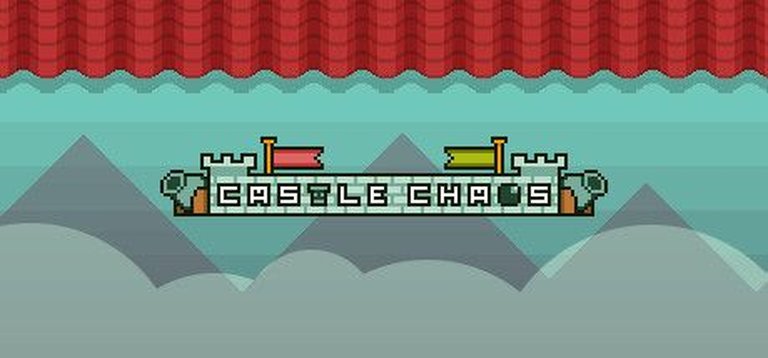
Castle Chaos is a fast-paced local multiplayer game for 1 to 4 players, inspired by the classic game ‘Rampart’. Set in a medieval-themed world, players build and defend their castles using Tetris-like blocks while strategically firing cannons to destroy opponents’ fortifications. The game combines action and strategy in a top-down, fixed-screen perspective, offering a mix of competitive and cooperative gameplay for PC, Mac, and Linux.
Where to Buy Castle Chaos
PC
Castle Chaos Free Download
PC
Castle Chaos Patches & Updates
Castle Chaos Guides & Walkthroughs
Castle Chaos Reviews & Reception
steambase.io (57/100): Castle Chaos has earned a Player Score of 57 / 100.
store.steampowered.com (50/100): All Reviews: Mixed (50% of 38)
niklasnotes.com (56/100): 56% Mixed
Castle Chaos: A Retro Revival of Strategic Mayhem
Introduction
In the vast ocean of indie games, few titles manage to capture the essence of classic arcade strategy while injecting fresh, chaotic energy into the formula. Castle Chaos, developed by Odd Comet Games AB and released in December 2015, is one such gem. A spiritual successor to the beloved Rampart (1990), this game distills the frantic castle-building and cannon-blasting action of its predecessor into a modern, accessible package. With its Tetris-like construction mechanics, local multiplayer focus, and charming retro aesthetic, Castle Chaos carves out a niche for itself in the competitive indie landscape.
This review will dissect Castle Chaos from every angle—its development history, narrative (or lack thereof), gameplay systems, artistic direction, and legacy—to determine whether it stands as a worthy homage or a forgettable imitation. By the end, we’ll answer the critical question: Does Castle Chaos deserve a place in the pantheon of modern retro revivals?
Development History & Context
The Studio Behind the Chaos
Odd Comet Games AB, a small indie studio, developed Castle Chaos as a passion project. The team’s vision was clear: revive the magic of Rampart for a new generation while modernizing its mechanics and accessibility. The studio’s modest size allowed for a tight-knit development process, but it also meant limited resources compared to larger indie darlings. The game was built using the Unity engine, a popular choice for indie developers due to its flexibility and cross-platform support.
Technological Constraints and Design Choices
Released in 2015, Castle Chaos faced the challenge of balancing retro charm with modern expectations. The game’s top-down, fixed/flip-screen perspective and simple visuals were deliberate choices to evoke nostalgia while ensuring smooth performance across Windows, Mac, and Linux. The minimal system requirements (e.g., Windows XP compatibility) reflect the studio’s commitment to accessibility, though this also limited the game’s graphical fidelity.
The Gaming Landscape in 2015
The mid-2010s were a golden era for indie games, with titles like Undertale, Stardew Valley, and Rocket League dominating the scene. Local multiplayer games, however, were experiencing a resurgence thanks to titles like TowerFall Ascension and Nidhogg. Castle Chaos entered this competitive space with a unique selling point: its blend of Rampart-inspired strategy and Tetris-like puzzle mechanics. While it lacked the polish or marketing push of bigger indies, its niche appeal and low price point ($2.99) made it an attractive option for retro enthusiasts.
Narrative & Thematic Deep Dive
Plot and Characters: Minimalism by Design
Castle Chaos is not a story-driven game. There are no protagonists, no lore-heavy cutscenes, and no overarching narrative. Instead, the game thrives on its pure, unadulterated gameplay loop. Players assume the role of unnamed castle builders, tasked with constructing fortifications and defending them against opponents. The absence of a traditional narrative is not a flaw but a deliberate design choice—one that keeps the focus squarely on the action.
Themes: Chaos, Strategy, and Playful Competition
The game’s themes are embedded in its mechanics:
– Chaos vs. Order: The frantic construction and destruction cycles embody the struggle between structure and entropy.
– Resource Management: Players must balance limited building materials and cannon placements, mirroring real-time strategy games.
– Playful Rivalry: The local multiplayer emphasis fosters a lighthearted, competitive atmosphere, perfect for couch gaming sessions.
While Castle Chaos lacks the depth of a narrative-driven experience, its thematic simplicity is its strength. It’s a game about pure, unfiltered fun—a rare commodity in an era of cinematic storytelling.
Gameplay Mechanics & Systems
Core Gameplay Loop
Castle Chaos revolves around three distinct phases, mirroring Rampart’s structure:
1. Construction Phase: Players use Tetris-like blocks to build or repair their castle walls. The goal is to create a fully enclosed fortress while strategically placing cannons.
2. Combat Phase: Players take turns firing cannons at opponents’ castles, aiming to destroy walls and leave gaps that are difficult to repair.
3. Repair Phase: Players scramble to patch up their damaged walls before the next combat phase begins.
This loop repeats until only one castle remains standing. The tension between construction and destruction is the game’s heartbeat, and it’s executed with precision.
Combat and Strategy
The combat system is deceptively simple. Players aim and fire cannons, but the real strategy lies in:
– Cannon Placement: Positioning cannons to maximize coverage while minimizing blind spots.
– Wall Integrity: Ensuring walls are thick enough to withstand multiple hits.
– Gnome Interference: The game introduces “annoying gnomes” that plant bushes, adding a layer of unpredictability.
The AI opponents are competent but lack the cunning of human players, making local multiplayer the definitive way to experience Castle Chaos.
Character Progression and Customization
Castle Chaos is light on progression systems. There are no unlockable characters, skills, or upgrades. Instead, the game offers:
– Customizable Matches: Players can adjust settings like the number of castles, cannons, and even bush density.
– Difficulty Settings: AI opponents can be set to Easy, Medium, or Hard, though the challenge scales predictably.
This lack of progression may disappoint some players, but it aligns with the game’s arcade roots—every match is a self-contained battle of wits.
UI and Controls
The UI is functional but unremarkable. The top-down perspective and simple menus ensure clarity, but the controls can feel clunky, especially on keyboard. The game supports gamepads, which are the preferred input method for precision during the construction phase. One notable flaw is the inability to remap keys, a missed opportunity for accessibility.
World-Building, Art & Sound
Setting and Atmosphere
Castle Chaos embraces a whimsical, cartoonish aesthetic. The castles, cannons, and gnomes are rendered in bright, blocky colors reminiscent of 16-bit era games. The fixed/flip-screen perspective enhances the retro feel, though it limits the game’s visual ambition.
The atmosphere is lighthearted and chaotic, perfectly suited for local multiplayer shenanigans. The lack of a detailed world or lore is compensated by the game’s playful tone.
Visual Direction
The visuals are intentionally simplistic, prioritizing readability over detail. The Tetris-like blocks are easy to distinguish, and the bright color palette ensures that even the most chaotic battles remain visually coherent. The game’s charm lies in its unapologetic retro styling, which will appeal to fans of classic arcade games.
Sound Design and Music
The sound design is minimal but effective. Cannon blasts, wall collapses, and gnome chatter provide auditory feedback, while the soundtrack consists of upbeat, chiptune-inspired tracks that complement the game’s frenetic pace. The music is catchy but repetitive, which may grate during extended play sessions.
Reception & Legacy
Critical and Commercial Reception
Castle Chaos received mixed reviews upon release. Critics praised its faithful recreation of Rampart’s mechanics and its local multiplayer appeal, but many noted its lack of depth and polish. The game’s Steam reviews reflect this divide, with a 50% positive rating (as of 2026). Players either loved its chaotic charm or found it too simplistic for prolonged engagement.
Commercially, Castle Chaos was a modest success. Its low price point and niche appeal ensured a steady stream of sales, though it never achieved mainstream recognition. The game’s legacy is tied to its cult following—those who appreciate its retro-inspired gameplay and local multiplayer focus.
Influence on Subsequent Games
While Castle Chaos didn’t spawn a genre of its own, it contributed to the ongoing revival of local multiplayer games. Titles like Ultimate Chicken Horse and Overcooked owe a debt to the chaotic, cooperative spirit that Castle Chaos embodies. Its influence is subtle but undeniable, particularly in the indie scene’s embrace of retro mechanics.
Conclusion: A Flawed but Fun Homage
Castle Chaos is a game that knows exactly what it is: a love letter to Rampart, wrapped in modern indie sensibilities. It doesn’t innovate, but it doesn’t need to—its strength lies in its faithful recreation of a beloved classic. The game’s simplicity is both its greatest asset and its most glaring limitation. For those seeking a deep, narrative-driven experience, Castle Chaos will disappoint. But for fans of local multiplayer mayhem and retro strategy, it’s a hidden gem.
Final Verdict: Castle Chaos is a worthy spiritual successor to Rampart, offering chaotic, strategic fun in bite-sized bursts. While it lacks the polish and depth of modern indies, its charm and accessibility make it a must-play for retro enthusiasts and local multiplayer aficionados.
Score: 7/10 – A flawed but fun homage to a classic.