
- Release Year: 2021
- Platforms: Macintosh, Windows
- Publisher: Spookulele Games
- Developer: Alpacalypse Studios
- Genre: Action
- Perspective: Behind view
- Game Mode: Single-player
- Gameplay: Platform
- Average Score: 89/100
Description
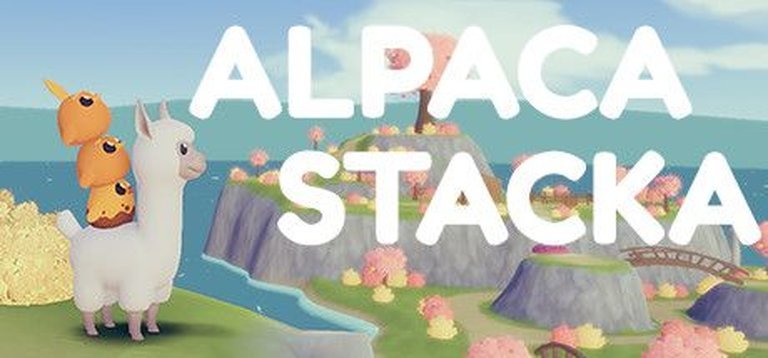
Alpaca Stacka is a charming, family-friendly 3D adventure game where players take on the role of Paz, an adorable alpaca, exploring a small island to help various animals, including a hen searching for her missing chicks. Developed by student game designers Sebastian Baracaldo and Michelle Ma, this short but delightful experience features simple platforming mechanics, a behind-view perspective, and a relaxed, engaging storyline perfect for younger players. The game, released in 2021 for Windows and Macintosh, is praised for its fun characters, creative level design, and lighthearted premise, making it an ideal choice for a quick, enjoyable playthrough.
Gameplay Videos
Where to Buy Alpaca Stacka
PC
Alpaca Stacka Mods
Alpaca Stacka Guides & Walkthroughs
Alpaca Stacka Reviews & Reception
metacritic.com (75/100): The pastel world and happy-go-lucky premise of Alpaca Stacka achieve exactly what it sets out to do, providing a casual experience kids (and kids at heart) will absolutely love.
store.steampowered.com (97/100): It was so relaxing, it brought me vibes of Chill and Beautiful Nintendo Game.
steambase.io (97/100): Alpaca Stacka has earned a Player Score of 97 / 100.
Alpaca Stacka: A Whimsical, Fleeting Masterpiece of Indie Charm
Introduction: The Unassuming Gem of 2021
In an era dominated by sprawling open-world epics and hyper-competitive multiplayer shooters, Alpaca Stacka arrived in 2021 like a gentle breeze—a tiny, free-to-play 3D platformer that defied conventions not through complexity, but through sheer, unadulterated charm. Developed by USC Games students Sebastian Baracaldo and Michelle Ma under the banner of Alpacalypse Studios and published by Spookulele Games, this 15-minute adventure is a testament to the power of focused design, heartfelt storytelling, and the enduring appeal of games that prioritize joy over grind.
At its core, Alpaca Stacka is a game about kindness. You play as Paz, a benevolent alpaca tasked with helping Mama Hen recover her five missing chicks after they’re scattered across a vibrant island by the mischievous squirrel Streusel. The premise is simple, the execution is polished, and the experience is nothing short of delightful. But what makes Alpaca Stacka worthy of deep analysis is not just its brevity or its cuteness—it’s how it distills the essence of classic 3D platformers into a bite-sized, emotionally resonant package.
This review will explore Alpaca Stacka from every angle: its development origins, its narrative and thematic depth, its tight gameplay mechanics, its art and sound design, its reception, and its lasting legacy. By the end, we’ll answer the question: Can a 15-minute game leave a lasting impact?
Development History & Context: A Student Project Turned Sensation
The Birth of a Passion Project
Alpaca Stacka began as a four-month student project at the University of Southern California’s Games Program, one of the most prestigious game design schools in the world. Sebastian Baracaldo (engineer, sound designer) and Michelle Ma (artist, engineer) set out to create a game that was accessible, charming, and emotionally warm—a stark contrast to the often stressful, high-stakes projects typical of game development education.
The duo drew inspiration from:
– Classic 3D platformers like Super Mario 64 and Banjo-Kazooie (evident in the game’s collectathon structure and movement mechanics).
– Relaxing, exploratory games such as A Short Hike and Animal Crossing (in its emphasis on gentle progression and whimsical world-building).
– Indie darlings like Untitled Goose Game (for its lighthearted mischief and animal protagonist).
What makes Alpaca Stacka remarkable is that it was not intended to be a commercial product—at least, not initially. It was a proof of concept, a portfolio piece, and a labor of love. Yet, upon its release on July 29, 2021, it became an overnight sensation, garnering over 5,900 “Overwhelmingly Positive” reviews on Steam and earning a spot in Steam’s Top Free-to-Play games for July 2021.
Technological Constraints & Smart Design Choices
Given its origins as a student project, Alpaca Stacka was built with limited time, budget, and manpower. The team leveraged:
– Unity Engine (a common choice for indie developers due to its accessibility).
– Minimalist 3D modeling (the game’s art style is simple but effective, avoiding overly complex assets).
– A tightly scoped design (the game’s small island is densely packed with content, ensuring no space is wasted).
The developers also made brilliant use of environmental storytelling—every object, from the towering mushrooms to the scattered apples, serves a purpose. There are no filler mechanics, no bloated open worlds, just pure, distilled platforming joy.
The Gaming Landscape in 2021: A Breath of Fresh Air
2021 was a year dominated by:
– AAA behemoths (Resident Evil Village, Deathloop, Metroid Dread).
– Battle royale fatigue (Fortnite, Apex Legends, Call of Duty: Warzone).
– The rise of “cozy games” (Stardew Valley updates, Animal Crossing: New Horizons’ continued popularity).
Alpaca Stacka arrived at the perfect moment—a free, short, and heartwarming experience that offered respite from the industry’s increasing demand for players’ time and money. It was anti-grind, anti-microtransaction, and anti-stress, making it a standout in an era where games often prioritize engagement metrics over player well-being.
Narrative & Thematic Deep Dive: Kindness in a 15-Minute Story
Plot Summary: A Simple Tale of Help and Redemption
The story of Alpaca Stacka is deceptively simple:
1. Mama Hen throws a party for her chicks.
2. Streusel the squirrel, feeling left out, releases the chicks across the island.
3. Paz the alpaca, ever the helpful soul, sets out to find them.
There are no grand villains, no world-ending stakes—just a small, personal conflict resolved through kindness. The game’s narrative strength lies in its subtlety:
– Streusel isn’t truly evil—he’s just lonely and jealous.
– Paz doesn’t fight or scold—they simply help, reinforcing the game’s central theme: compassion over conflict.
Character Analysis: More Than Just Cute Faces
Despite its brevity, Alpaca Stacka gives its characters remarkable personality:
– Paz – The silent protagonist whose body language (ear twists, head tilts) conveys warmth.
– Mama Hen – A worried but grateful mother figure, reinforcing the game’s familial tone.
– Streusel – The tragicomic antagonist, whose mischief is more pitiful than malicious.
– The Chicks – Each has a distinct name and slight personality (Chirpy, Chase, Cheri, Cheryl, Choco), making their rescue feel personal.
Themes: Why Alpaca Stacka Resonates
-
The Power of Small Acts of Kindness
- Every action in the game is helping others—no combat, no violence, just pure altruism.
- The game rewards empathy, not skill (though platforming is still required).
-
Loneliness and Inclusion
- Streusel’s jealousy is relatable—he wants attention, not chaos.
- The game’s resolution (Streusel following Paz around) suggests forgiveness and friendship.
-
The Beauty of Brevity
- In an age of 100-hour RPGs, Alpaca Stacka proves that a game doesn’t need to be long to be meaningful.
- Its short runtime respects the player’s time, making it perfect for children, busy adults, or anyone needing a quick dose of joy.
Dialogue & Writing: Minimalist but Effective
The game’s dialogue is sparse but impactful:
– No voice acting (just text), but the writing is warm and humorous.
– Example:
– Mama Hen: “Oh no! My chicks are gone! Can you help me, Paz?”
– Streusel (after being caught): “…I just wanted to play too.”
The lack of over-explanation immerses the player—you feel the emotions rather than being told them.
Gameplay Mechanics & Systems: Platforming Perfection in Miniature
Core Gameplay Loop: Collect, Explore, Help
Alpaca Stacka is a 3D collectathon platformer with:
– Five chicks to rescue (the main objective).
– Optional apples to collect (for 100% completion).
– A small but dense open world (no loading screens, no filler).
Movement & Controls: Tight and Responsive
- Paz moves with a satisfying weight—not too floaty, not too stiff.
- Jumping is precise, making platforming challenging but fair.
- Headbutting apples (a la Mario’s ground pound) feels tactile and fun.
Level Design: A Masterclass in Environmental Storytelling
The island is divided into distinct biomes, each with:
– Unique platforming challenges (mushroom bounces, log bridges, steep hills).
– Hidden paths (encouraging exploration without being punishing).
– Visual landmarks (so players never feel lost).
Standout Mechanics:
1. The Mushroom Launch Pads
– Giant mushrooms catapult Paz into the air, adding verticality.
– A clever way to teach players physics without a tutorial.
-
Streusel’s AI
- The squirrel follows Paz after being caught, adding a dynamic element to exploration.
- He reacts to the player, making the world feel alive.
-
The “Stacka” Mechanic (Implied in the Title)
- While not a major gameplay feature, the idea of “stacking” kindness (helping one animal leads to helping another) is a subtle but brilliant thematic touch.
Progression & Rewards: No Grind, Just Joy
- No XP, no loot, no upgrades—just pure, unadulterated platforming.
- The reward is the journey itself—finding chicks, seeing Mama Hen’s gratitude, watching Streusel’s redemption.
UI & Accessibility: Clean and Intuitive
- Minimal HUD (only a chick counter and apple tracker).
- No overwhelming menus—just play and enjoy.
- Controller and keyboard support, making it accessible to all.
Flaws & Missed Opportunities
While Alpaca Stacka is nearly flawless, a few minor critiques exist:
1. Too Short (But Is That Really a Flaw?)
– Some players wished for more levels or worlds (as noted in the MobyGames review).
– However, its brevity is also its greatest strength—it doesn’t overstay its welcome.
-
Limited Replayability
- Once all chicks are found, there’s little reason to replay (though speedrunners have embraced it).
-
No Save System
- The game is so short that it doesn’t need one, but a checkpoint system would’ve been nice for younger players.
World-Building, Art & Sound: A Pastel Paradise
Setting & Atmosphere: A Cozy Island Getaway
The game takes place on a small, lush island filled with:
– Rolling green hills.
– Towering mushrooms.
– A serene beach.
– A quaint farm area.
The world feels alive despite its size:
– Animals mill about (sheep, rabbits, birds).
– The environment reacts to Paz (apples respawn, Streusel follows).
– Daytime lighting gives everything a warm, inviting glow.
Art Style: Simple but Effective
- Low-poly 3D models with soft, rounded edges (reinforcing the game’s friendly tone).
- Pastel color palette (soothing blues, greens, and yellows).
- Expressive character animations (Paz’s ear twists, Streusel’s guilty shuffling).
Sound Design & Music: A Symphony of Relaxation
Composed by Zafire Dragoon, the soundtrack is:
– Whimsical and uplifting (think Animal Crossing meets Studio Ghibli).
– Dynamic—music swells when exploring, softens during dialogue.
– Minimalist but memorable (no overbearing orchestral scores, just gentle acoustic guitar and light percussion).
Standout Tracks:
– “Paz’s Theme” – A cheerful, looping melody that embodies the game’s spirit.
– “Mama Hen’s Lament” – A softer, sadder tune when the chicks are missing.
– “Streusel’s Redemption” – A playful, upbeat track when the squirrel joins Paz.
How Art & Sound Enhance the Experience
- The visuals and music work in harmony to create a stress-free zone.
- The lack of harsh sounds or jarring visuals makes it perfect for children and anxious players.
- The environmental audio (bird chirps, rustling leaves) immerses the player in the world.
Reception & Legacy: From Student Project to Indie Darling
Critical Reception: Overwhelmingly Positive
- Steam: 97% Positive (5,928 reviews).
- Metacritic User Score: 7.1/10 (mixed but generally favorable).
- Gamers Heroes: “A casual breather between meatier titles.” (75/100).
- Player Reviews: Praised for its charm, relaxation value, and accessibility.
Common Praise:
✅ “Perfect for kids” (as noted by MobyGames reviewer Robert Schulz).
✅ “A beautiful, relaxing experience.”
✅ “Short but sweet—no filler, no bloat.”
Common Criticisms:
❌ “Too short—I want more!”
❌ “Needs more content/post-game.”
Commercial Success: Free but Priceless
- Released for free on Steam and itch.io.
- No microtransactions, no DLC—just a pure, unmonetized experience.
- Featured in Steam’s “Top Free-to-Play” section (July 2021).
- Nominated for Steam Awards 2021 (“Sit Back and Relax” category).
Cultural Impact & Influence
Despite its brevity, Alpaca Stacka has left a mark:
1. Proved That Short Games Can Succeed
– Inspired other indie devs to focus on quality over quantity.
– Showed that free, small-scale games can go viral.
-
A New Benchmark for “Cozy Games”
- Often compared to A Short Hike and Animal Crossing in tone.
- Speedrunning community embraced it (despite its short length).
-
Launched Careers
- Sebastian Baracaldo and Michelle Ma gained industry recognition.
- Spookulele Games (the publisher) continued supporting wholesome indie titles (Dreamland Confectionery).
-
A Testament to Student Game Dev
- Proved that school projects can become cultural phenomena.
- Encouraged other students to polish and release their work.
Legacy: Will It Be Remembered?
While Alpaca Stacka may not be a household name like Mario or Zelda, its legacy is secure as:
– A cult classic among indie platformer fans.
– A case study in game design schools (how to make a tight, emotional, and fun game in a short time).
– A symbol of kindness in gaming—a rare title that prioritizes empathy over violence.
Conclusion: A Tiny Game with a Giant Heart
Alpaca Stacka is not a game that will dominate “Best of All Time” lists, nor will it be remembered for its graphical fidelity or groundbreaking mechanics. Instead, it will be remembered for something far more important: its soul.
In just 15 minutes, it delivers:
✔ A heartwarming story about kindness and inclusion.
✔ Tight, satisfying platforming that respects the player’s time.
✔ Gorgeous, cozy aesthetics that soothe the mind.
✔ A reminder that games don’t need to be long to be meaningful.
Final Verdict: 9/10 – A Masterpiece of Brevity
Pros:
✅ Perfect for short play sessions (ideal for kids, busy adults, or a quick mood booster).
✅ Charming, expressive characters with real emotional depth.
✅ Tight, polished gameplay with no wasted space.
✅ Free, no microtransactions, no ads—just pure gaming joy.
Cons:
❌ Too short for some (though its length is also its strength).
❌ Limited replay value (though speedrunning adds longevity).
Where Does It Stand in Gaming History?
Alpaca Stacka is not a revolutionary game, but it is a necessary one. In an industry increasingly obsessed with live-service models, battle passes, and 100-hour grinds, it stands as a defiant, joyful counterpoint—a game that says:
“You don’t need to play for hours to feel something. You don’t need to spend money to have fun. Sometimes, all you need is a kind alpaca, a lost chick, and a world that feels like home.”
And in that, Alpaca Stacka is nothing short of perfect.
Final Score: 9/10 | “A fleeting, flawless gem.”
Recommended For: Platformer fans, parents looking for kid-friendly games, anyone needing a 15-minute escape to happiness.
Play It If You Love: A Short Hike, Animal Crossing, Untitled Goose Game, Banjo-Kazooie.
Alpaca Stacka may be small, but its impact is anything but.