
- Release Year: 2013
- Platforms: Windows
- Publisher: Panzar Studio
- Developer: Troxit Service Ltd.
- Genre: Strategy, Tactics
- Perspective: Behind view
- Game Mode: Online PVP
- Gameplay: ARTS, MOBA
- Setting: Fantasy
- Average Score: 50/100
Description
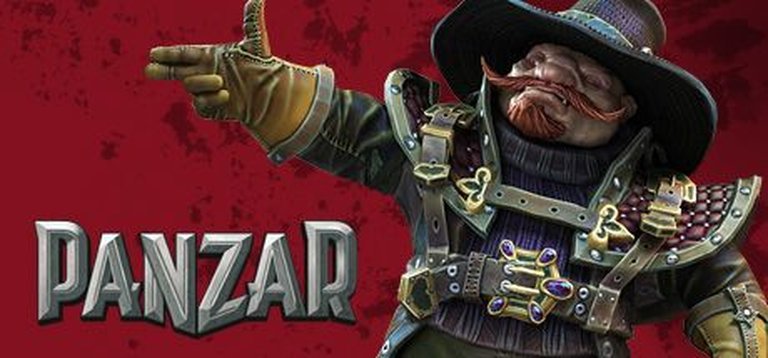
Panzar is a free-to-play fantasy-themed multiplayer online battle arena (MOBA) game set across diverse landscapes like frozen wastelands, grasslands, and subterranean cities. Players choose from eight distinct classes across four races—Orcs, Dwarves, Elves, and Humans—each with unique abilities, such as the Berserker’s brute strength, the Ice Witch’s frost magic, or the Sapper’s tactical traps. The game features multiple competitive modes, including Domination, King of the Hill, and Rugby, blending strategic teamplay with fast-paced combat in a visually rich environment powered by CryEngine 3.
Where to Buy Panzar
PC
Panzar Guides & Walkthroughs
Panzar Reviews & Reception
metacritic.com (35/100): The developers had valuable ideas neither for the combat system, nor for the world or the visuals (they failed to make good use of CryEngine 3), so I bid Panzar farewell without regrets. With great relief even.
mmommorpg.com : Panzar is still a stellar game that could benefit from a shot in the arm and new players.
steambase.io (66/100): Panzar has earned a Player Score of 66 / 100.
mmoreviews.com : Panzar is a free-to-play fantasy title with an action combat system and it was a pretty unique experience if compared to the usual MOBA style games like League of Legends, DOTA or Heroes of Newerth.
Panzar Cheats & Codes
PC
Press Ctrl+Alt+Shift+C to enter a cheat code.
| Code | Effect |
|---|---|
| prestige #N | Adds #N to prestige (can be negative) |
| core #N | Adds #N to core slots (can be negative) |
| aux #N | Adds #N to aux slots (can be negative) |
| sea #N | Adds #N to sea transports num (can be negative) |
| air #N | Adds #N to air transports (can be negative) |
| rail #N | Adds #N to rail transports (can be negative) |
| exp #N | Sets experience of the selected unit to #N |
| str #N | Sets strength of the selected unit to #N |
| ent #N | Sets entrenchment of the selected unit to #N |
| fuel #N | Sets fuel of the selected unit to #N |
| ammo #N | Sets ammo of the selected unit to #N |
| turns #N | Adds #N to scenario turn count. Can be negative. |
| weather #N | Sets current weather (0=clear, 1=overcase, 2=raining, 3=snowing) |
| ground #N | Sets ground state (0=dry, 1=muddy, 2=frozen) |
| fog of war | Shows enemy’s units on the map (the opponent will not see our units until he enteres this code on his turn). Entering the code again disables this mode. |
| all eqp | Allows to buy any future equipment. Entering the code again disables this mode. |
| no zoc | Disables ZOC for our units. Entering the code again disables this mode. |
| uber units | Every attack of our units completely kills the opponent. Entering the code again disables this mode. |
| turbo units | All units move at speed 50. Entering the code again disables this mode. |
| force retreat | Any attack by our units forces the enemy to retreat. Entering the code again disables this mode. |
| endscn #N | Ends current scenario with outcome #N (in campaigns 0=decisive victory, 1=marginal victory, 2=loss). |
| chess | Makes all combats play exactly as they were predicted (unless rugged defense happens) |
| reform units | All killed units move to reserve with zero strength and can be reformed before the next scenario. |
Panzar: A Forgotten Gem in the MOBA Landscape
Introduction
In the crowded arena of multiplayer online battle arenas (MOBAs), Panzar stands as a fascinating anomaly—a game that dared to blend the strategic depth of MOBAs with the visceral combat of third-person action RPGs. Released in 2013 by Russian developer Panzar Studio, Panzar offered a unique take on the genre, emphasizing skill-based melee combat, deep character progression, and a dark fantasy aesthetic. Yet, despite its innovations, the game remains largely overlooked, a footnote in the annals of MOBA history. This review seeks to explore Panzar in exhaustive detail, examining its development, gameplay, narrative, and legacy to understand why it failed to capture the mainstream audience and what lessons it offers for the future of competitive multiplayer games.
Development History & Context
The Studio and Vision
Panzar was developed by Panzar Studio, a Russian studio that sought to carve a niche in the burgeoning MOBA market. The game was built using CryEngine 3, a powerful engine known for its stunning visuals and physics, which allowed the developers to craft a visually rich and immersive fantasy world. The studio’s vision was ambitious: to create a MOBA that eschewed the top-down, click-to-move mechanics of games like League of Legends and Dota 2 in favor of a third-person, action-oriented combat system reminiscent of games like Tera and RaiderZ.
The developers aimed to combine the strategic teamplay of MOBAs with the tactical depth of action RPGs, offering players a more immersive and skill-based experience. This hybrid approach was intended to appeal to both MOBA enthusiasts and fans of action RPGs, bridging the gap between the two genres.
Technological Constraints and Challenges
While CryEngine 3 provided a strong foundation for Panzar‘s visuals, it also presented challenges. The engine’s demand for high-end hardware limited the game’s accessibility, particularly for players with lower-spec machines. Additionally, the transition from a traditional MOBA control scheme to a third-person action system required significant refinement to ensure fluid and responsive gameplay—a task that proved difficult to perfect.
The game’s free-to-play model was another double-edged sword. On one hand, it lowered the barrier to entry, allowing players to jump in without an upfront cost. On the other, it relied heavily on microtransactions for revenue, which could potentially alienate players if not balanced carefully. The developers attempted to mitigate this by focusing on cosmetic upgrades and progression boosts rather than pay-to-win mechanics, but the perception of monetization still loomed large.
The Gaming Landscape in 2013
Panzar launched into a market dominated by established MOBAs like League of Legends, Dota 2, and Heroes of Newerth. These games had already cemented their positions, with massive player bases and thriving esports scenes. Additionally, the rise of hero shooters like Team Fortress 2 and the impending release of Overwatch in 2016 further complicated the competitive landscape.
In this environment, Panzar‘s hybrid approach was both its greatest strength and its biggest liability. While it offered something fresh, it also struggled to define its identity clearly enough to attract a dedicated audience. The game’s Russian origins and limited marketing outside of Eastern Europe further hindered its global appeal, leaving it to languish in relative obscurity.
Narrative & Thematic Deep Dive
The World of Panzar
Panzar is set in a dark fantasy world where four ancient races—Orcs, Dwarves, Elves, and Humans—engage in perpetual warfare. The game’s lore is sparse but evocative, painting a picture of a world ravaged by conflict, where the only purpose left is the thrill of battle. This grim setting is reinforced by the game’s brutal aesthetic, which draws inspiration from Warhammer rather than the more cartoonish or anime-inspired styles of other MOBAs.
The narrative is minimal, with no overarching story or campaign. Instead, the game focuses on arena-based combat, where players assume the roles of warriors fighting for glory and survival. This lack of narrative depth is a deliberate choice, emphasizing gameplay over storytelling and allowing players to immerse themselves in the action without distractions.
Characters and Classes
Panzar features eight distinct classes, each representing a unique playstyle and role within the team. These classes are divided among the four races, with each race offering two specialized roles:
- Berserker (Orc): A melee powerhouse wielding a two-handed club, excelling in raw damage output.
- Tank (Orc): A heavily armored juggernaut with a shield, capable of absorbing massive amounts of damage.
- Gunner (Dwarf): A defensive engineer who can deploy traps and war machines to fortify positions.
- Sapper (Dwarf): An offensive engineer focused on sabotage, capable of building teleporters and other disruptive devices.
- Ice Witch (Elf): A sorceress specializing in ice magic, capable of crowd control and defensive spells.
- Sister of Fire (Elf): A fire-based mage with devastating offensive spells and mana restoration abilities.
- Inquisitor (Human): A dual-wielding assassin with stealth and mobility, ideal for flanking and eliminating high-priority targets.
- Paladin (Human): A holy knight with healing and support abilities, capable of resurrecting fallen allies at higher levels.
Each class is designed to fulfill a specific role within a team, encouraging strategic composition and cooperation. The Inquisitor, for example, thrives on stealth and burst damage, while the Paladin serves as a crucial support role, keeping allies alive and removing debuffs. This diversity ensures that matches are dynamic and require careful coordination.
Themes of War and Survival
The overarching theme of Panzar is war as a way of life. The game’s world is one where conflict is eternal, and the only meaning left is found in battle. This theme is reflected in the game’s dark, gritty visuals, where blood and gore are commonplace, and the environments—ranging from frozen wastelands to subterranean cities—are scarred by the ravages of war.
The lack of a traditional narrative allows the game to focus on the immediacy of combat, reinforcing the idea that survival and victory are the only things that matter. This thematic approach aligns Panzar more closely with gladiatorial combat than with the heroic quests of traditional RPGs, making it a unique entry in the MOBA genre.
Gameplay Mechanics & Systems
Core Gameplay Loop
At its heart, Panzar is a team-based PvP game where two teams of players battle across various maps and game modes. The core gameplay loop revolves around capturing control points, eliminating enemies, and completing objectives, all while leveraging the unique abilities of each class.
The game’s third-person perspective sets it apart from traditional MOBAs, offering a more immersive and tactile combat experience. Players control their characters using a WASD + mouse scheme, with left-click for standard attacks, right-click for power attacks, and additional keys for blocking, sprinting, and using abilities. This control scheme is intuitive for players familiar with action RPGs or third-person shooters, but it requires precision and timing to master.
Combat and Skill-Based Mechanics
Combat in Panzar is fast-paced and skill-based, emphasizing manual aiming, timing, and positioning. Unlike traditional MOBAs, where abilities are often targeted with a mouse click, Panzar requires players to aim their attacks manually, adding a layer of depth and challenge.
- Blocking and Parrying: Players can block incoming attacks with the Ctrl key, reducing damage taken. Timing blocks correctly can also allow for parries, creating openings for counterattacks.
- Power Attacks: Each class has a power attack that deals increased damage but may leave the player vulnerable if mistimed.
- Class Abilities: Abilities are mapped to number keys, allowing for quick access during combat. These abilities range from healing spells to stealth and teleportation, depending on the class.
The combat system rewards precision and reflexes, making it more akin to an action RPG than a traditional MOBA. This approach appeals to players who enjoy twitch-based gameplay but may alienate those accustomed to the more strategic, macro-focused play of games like League of Legends.
Game Modes
Panzar offers five primary game modes, each with its own objectives and strategies:
- Domination: Teams compete to control a central point, earning points while in control. The first team to reach 500 points wins.
- King of the Hill: Similar to Domination, but the controlling team’s respawn point moves closer to the objective, encouraging defensive play.
- Mechanism: Multiple control points teleport around the map, requiring teams to adapt quickly to shifting objectives.
- Rugby: A magical ball must be carried to the enemy’s gate. The first team to score three points wins.
- Siege: One team attacks while the other defends, with the attackers needing to capture all control points within a time limit.
These modes offer variety, but the small map sizes and limited objectives can lead to repetitive gameplay over time. The lack of a custom game mode—where players could choose maps and settings—further limits the game’s replayability.
Character Progression and Crafting
One of Panzar‘s most innovative features is its persistent character progression. Unlike traditional MOBAs, where characters reset after each match, Panzar allows players to level up their characters permanently, unlocking new abilities and gear over time.
- Experience and Gold: Players earn experience and gold by participating in matches, with bonuses for victories and performance.
- Skill Trees: Each class has a skill tree where players can spend points to unlock new abilities or enhance existing ones.
- Crafting System: Players can gather resources from matches and use them to craft new gear in the Forge. Recipes can be purchased with gold or found as rewards.
- Premium Currency: Gems, the game’s premium currency, can be used to purchase cosmetic items, dyes, and progression boosts. Importantly, gems cannot be used to buy direct power upgrades, ensuring a fair playing field.
This progression system adds long-term depth to Panzar, giving players a sense of investment in their characters. However, the requirement to level each class individually can be daunting, particularly for players who want to experiment with different roles.
User Interface and Accessibility
The game’s user interface (UI) is functional but unremarkable. The main menu provides access to character customization, the forge, the shop, and social features, but it lacks the polish of more mainstream titles. The in-game UI is similarly utilitarian, with health and mana bars, ability cooldowns, and objective markers displayed clearly but without much flair.
One notable omission is the lack of a detailed tutorial. While the game offers a brief introductory mission, it does little to explain the nuances of each class or the deeper mechanics of combat. This oversight can make the game difficult for newcomers to grasp, particularly those unfamiliar with action-based combat systems.
World-Building, Art & Sound
Visual Design and Atmosphere
Panzar‘s visual design is one of its strongest assets. Powered by CryEngine 3, the game boasts detailed character models, lush environments, and impressive special effects. The fantasy world is rendered with a dark, gritty aesthetic, eschewing the vibrant colors of games like League of Legends in favor of a more realistic and brutal tone.
- Character Design: The races are distinct and well-realized, with Orcs appearing as hulking brutes, Dwarves as sturdy engineers, Elves as ethereal mages, and Humans as versatile warriors. The lack of customization options at launch was a missed opportunity, but later updates introduced cosmetic changes like dyes and emotes.
- Environments: The maps are varied, ranging from frozen tundras to ancient ruins, each with its own unique layout and hazards. However, many maps are small and linear, which can lead to congested battles and limited tactical options.
- Special Effects: Spells and abilities are visually striking, with fireballs, ice shards, and lightning bolts rendered in vivid detail. The physics engine adds realism to combat, with weapons clashing and bodies reacting dynamically to attacks.
The game’s atmosphere is one of perpetual war, reinforced by the grim environments and the absence of non-combat areas. This focus on combat immersion is effective but may feel repetitive over time, as there are no exploration or narrative elements to break up the action.
Sound Design and Music
The sound design in Panzar is competent but unexceptional. The clash of steel, spells, and environmental effects are well-executed, creating a satisfying auditory experience during combat. However, the voice acting is minimal, with characters grunting and shouting rather than delivering meaningful dialogue.
The musical score is similarly understated, with orchestral and ambient tracks that set the tone for battle but do little to stand out. The lack of memorable themes or dynamic music shifts means that the soundtrack fades into the background, serving as functional rather than immersive.
Reception & Legacy
Critical and Commercial Reception
Panzar received mixed reviews upon release, with critics praising its innovative combat and visuals while criticizing its lack of depth and limited content. The game’s Metacritic score reflects this divide, with a user score of 5.1 indicating a polarized player base.
-
Positive Aspects:
- Unique Combat System: The third-person, action-based combat was widely praised for its depth and skill requirement.
- Visual Fidelity: The use of CryEngine 3 resulted in stunning graphics that surpassed many free-to-play titles of the era.
- Fair Monetization: The game’s microtransactions were non-intrusive, focusing on cosmetics and progression boosts rather than pay-to-win mechanics.
-
Negative Aspects:
- Limited Content: The small number of maps and game modes led to repetitive gameplay.
- Steep Learning Curve: The lack of a comprehensive tutorial made the game difficult for newcomers to pick up.
- Low Player Base: The game struggled to retain players, leading to long queue times and a declining community.
Commercially, Panzar failed to make a significant impact. While it attracted a niche audience of players who appreciated its hybrid gameplay, it never achieved the mainstream success of its competitors. The game’s Russian origins and limited marketing outside of Eastern Europe further hindered its global appeal.
Evolution of Reputation
Over time, Panzar‘s reputation has softened somewhat, with some players and critics recognizing it as an ambitious but flawed experiment. The game’s unique blend of MOBA and action RPG mechanics has been cited as an influence on later titles, particularly those seeking to innovate within the MOBA genre.
However, Panzar remains largely forgotten, overshadowed by the dominance of League of Legends and Dota 2. Its Steam reviews reflect this divide, with a mixed rating and a small but dedicated fanbase keeping the game alive through community guides and discussions.
Influence on Subsequent Games
While Panzar did not spawn direct successors, its hybrid gameplay model has influenced other titles that seek to blend MOBA mechanics with action combat. Games like Smite and Battlerite have explored similar territory, offering third-person or action-oriented alternatives to traditional MOBAs.
Panzar‘s emphasis on skill-based combat and persistent progression also foreshadowed trends in later multiplayer games, particularly in the hero shooter genre. Titles like Overwatch and Paladins have adopted similar class-based teamplay and progression systems, albeit with more polished execution.
Conclusion: A Bold Experiment That Fell Short
Panzar is a game of contradictions—a bold experiment that sought to redefine the MOBA genre but ultimately fell short of its ambitions. Its innovative combat system, stunning visuals, and deep character progression set it apart from its peers, offering a unique experience for players willing to invest the time to master its mechanics. However, its limited content, steep learning curve, and lack of mainstream appeal relegated it to the status of a cult classic rather than a genre-defining hit.
In the grand tapestry of MOBA history, Panzar stands as a fascinating footnote—a game that dared to challenge the conventions of its genre but was ultimately overshadowed by more polished and accessible competitors. For those willing to delve into its depths, Panzar offers a rewarding and skillful combat experience, but its flaws are too significant to ignore.
Final Verdict: Panzar is a flawed gem—a game with immense potential that never fully realized its promise. It deserves recognition for its innovations but remains a niche title best appreciated by those seeking something different in the MOBA landscape.
Score: 7/10 – A bold experiment with notable strengths, but held back by execution and market challenges.