
- Release Year: 2015
- Platforms: Arcade, PlayStation 3, PlayStation 4, Windows
- Publisher: Aksys Games Localization, Inc., Arc System Works Co., Ltd.
- Developer: Arc System Works Co., Ltd.
- Genre: Action
- Perspective: Side view
- Game Mode: Online PVP, Single-player
- Gameplay: Fighting
- Setting: Anime, Manga
- Average Score: 66/100
Description
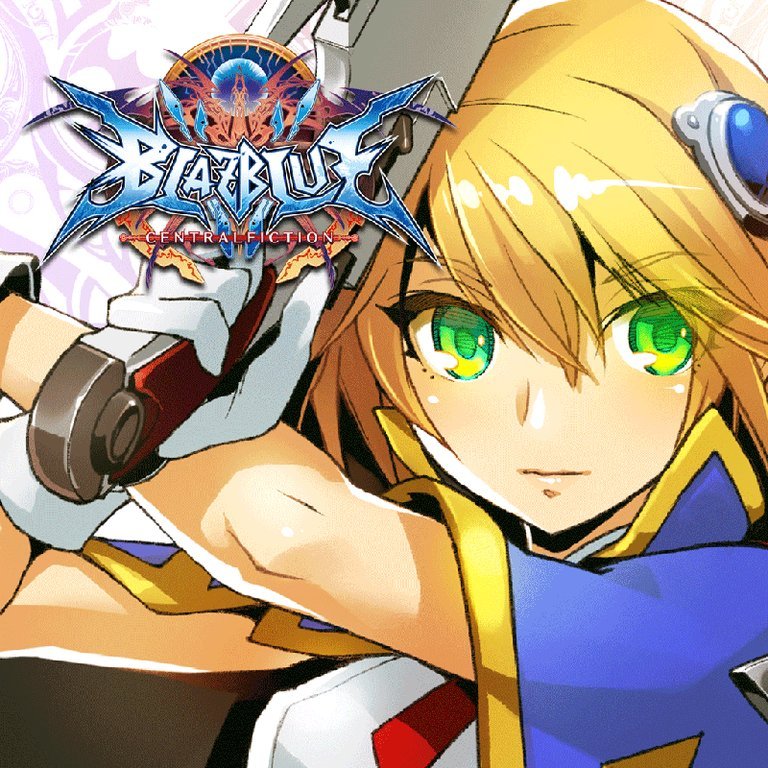
BlazBlue: Central Fiction is a 2D fighting game that concludes the BlazBlue saga, featuring over 30 characters and a narrative-driven story mode. The game combines traditional fighting mechanics with unique Drive abilities, an Overdrive system, and a variety of modes including Arcade, Story, and online multiplayer.
Gameplay Videos
Where to Buy BlazBlue: Central Fiction
PC
BlazBlue: Central Fiction Patches & Updates
BlazBlue: Central Fiction Mods
BlazBlue: Central Fiction Guides & Walkthroughs
BlazBlue: Central Fiction Reviews & Reception
metacritic.com (84/100): With tons of content the best story mode ever created for a fighting game and its well known great fighting system, BlazBlue: Central Fight is the best 2D fighting surprise we’ve had this year.
opencritic.com (85/100): With an exciting and epic visual novel campaign that will take the fastest readers more than a dozen hours, a huge playable roster of wonderfully unique, personality filled and intricately designed characters, scores of unlockable artwork, movies, additional scenes, full online suite and customization options, BlazBlue Central Fiction is certainly the total package and surely a worthy pickup for fans of visual novels, fighting games and everything in between.
imdb.com (10/100): I know 7.7 is good but this game is a 2D fighting masterpiece.
wethenerdy.com : As the final(supposedly) entry in the Blazblue series it does tie a nice bow on the world.
BlazBlue: Central Fiction: Review
The Final Chapter of a Legendary Saga
BlazBlue: Central Fiction stands as both the culmination of one of anime fighting’s most beloved sagas and a testament to Arc System Works’ mastery of the genre. Released in 2015 as the fourth mainline entry in the BlazBlue series, this game represents the definitive conclusion to Ragna the Bloodedge’s story while delivering what many consider the most refined fighting game experience in the franchise’s history.
Development History & Context
BlazBlue emerged in 2009 as Arc System Works’ ambitious response to the fighting game renaissance sparked by Street Fighter IV. The series carved out its niche with stunning 2D visuals, complex mechanics, and a narrative that embraced anime melodrama with unapologetic enthusiasm. By the time Central Fiction arrived, the fighting game landscape had evolved significantly. Street Fighter V had launched with mixed reception, Tekken 7 was on the horizon, and the indie fighting scene was beginning to flourish.
Arc System Works faced a unique challenge: how to conclude a story that had spanned multiple entries while maintaining the series’ identity and satisfying both hardcore fans and newcomers. The decision to return to the familiar setting of Kagutsuchi while fundamentally altering its nature through the game’s central narrative device—the Embryo—demonstrates the developers’ understanding of their audience’s attachment to the series’ world while pushing the story in bold new directions.
The technological constraints of the era were minimal for Arc System Works, who had already perfected their 2D sprite-based engine. Instead, the development focused on refining existing systems, adding new mechanics, and creating what would be the final chapter in this particular story arc. The result is a game that feels both familiar and revolutionary, built on eight years of accumulated knowledge and player feedback.
Narrative & Thematic Deep Dive
The story of Central Fiction is ambitious in scope and execution. The game begins with Ragna awakening with amnesia, setting the stage for a narrative that questions reality itself. The introduction of the Embryo—a crystallization of Azure that can reshape reality—allows the developers to explore themes of identity, memory, and the nature of existence itself.
The narrative structure is particularly noteworthy. Rather than following a single linear path, the story mode is divided into episodes that focus on different characters, each offering their perspective on the unfolding events. This approach serves multiple purposes: it provides context for the complex mythology, allows players to experience different fighting styles through the story, and creates a sense of a living, breathing world where multiple events occur simultaneously.
Thematically, Central Fiction explores the consequences of seeking absolute power, the nature of free will versus determinism, and the cyclical nature of conflict. The concept of “Qualified” individuals chosen to inhabit the next world raises questions about worthiness and the right to determine the fate of others. The game doesn’t shy away from dark themes—characters face existential crises, confront their past traumas, and make difficult choices with far-reaching consequences.
The resolution of long-standing plot threads is handled with care. Ragna’s journey comes full circle as he confronts his role as the “Central Fiction”—the dream that the Master Unit Amaterasu keeps observing. The revelation that the world has been reset countless times for the sake of one girl’s desire adds layers of tragedy to the narrative. The ending, where Ragna sacrifices himself to break the cycle, is both heartbreaking and thematically appropriate, though it leaves some questions unanswered about the nature of his existence after the final battle.
Character development throughout the story is substantial. Tsubaki’s redemption arc reaches its conclusion, Jin and Ragna’s brotherly conflict finds resolution, and even secondary characters like Litchi and Bang receive meaningful moments that tie into the larger narrative. The introduction of new characters like Nine the Phantom and Hibiki Kohaku adds fresh dynamics while serving the story’s themes of power, ambition, and the cost of pursuing one’s desires.
Gameplay Mechanics & Systems
At its core, Central Fiction maintains the traditional 2D fighting game formula that made the series popular. The four-button control scheme (light, medium, heavy attacks, and Drive) remains intuitive while allowing for deep strategic possibilities. However, the game introduces several new mechanics that significantly impact gameplay.
The Overdrive system returns with enhancements. When activated, Overdrive not only provides temporary power boosts but now includes the Exceed Accel mechanic—a powerful attack that can only be performed during Overdrive. This adds a layer of risk-reward decision-making, as players must choose between extending their Overdrive duration or unleashing a potentially match-ending attack.
The Active Flow mechanic represents one of the most significant additions to the series’ combat system. By maintaining offensive pressure and avoiding defensive play, players enter Active Flow, which increases damage output and improves Burst Gauge recovery. This system encourages aggressive playstyles and creates dynamic momentum shifts during matches. The visual feedback of the character’s emblem turning purple-pink when entering Active Flow provides clear indication of this status change.
The Heat Gauge system remains central to advanced gameplay, allowing for Distortion Drives (super moves) and Counter Assaults. The addition of Crush Trigger—a universal overhead attack that costs 25% Heat—adds another tool to break through defensive opponents. The Barrier Block system continues to reward precise timing and defensive skill, creating a balanced system where offense and defense have distinct advantages and disadvantages.
Character balance received significant attention, with each of the 35+ fighters receiving adjustments to ensure viability in competitive play. The diversity of playstyles is remarkable—from Ragna’s aggressive rushdown to Rachel’s zoning to Izanami’s projectile-based pressure. Each character feels distinct, with unique mechanics that reward mastery while remaining accessible to newcomers.
The tutorial system deserves special mention. Central Fiction includes comprehensive lessons that guide players from basic movement to advanced combo techniques. The Challenge Mode provides specific combo trials for each character, while the Training Mode offers extensive customization options for practice scenarios. This accessibility is crucial for a series known for its complexity, as it allows new players to gradually learn the systems without feeling overwhelmed.
World-Building, Art & Sound
Visually, Central Fiction represents the pinnacle of Arc System Works’ sprite-based artistry. The character animations are fluid and expressive, with each fighter having unique idle animations, movement patterns, and attack animations that reflect their personality. The backgrounds are detailed and atmospheric, from the bustling streets of Kagutsuchi to the ethereal spaces of the Embryo.
The art direction maintains the series’ anime aesthetic while pushing the visual fidelity to new heights. Character portraits during story sequences are beautifully rendered, and the special effects during combat—particularly during Overdrive and Astral Heat animations—are spectacular without being distracting. The use of lighting and particle effects enhances the impact of attacks while maintaining clarity during fast-paced action.
The sound design complements the visuals perfectly. The soundtrack, composed by Daisuke Ishiwatari (also known for Guilty Gear), features a diverse range of tracks that capture the emotional tone of each scene and the intensity of combat. From the melancholic piano melodies of story sequences to the high-energy rock tracks during battles, the music enhances the overall experience.
Voice acting, while limited to Japanese in the Western release, is of exceptional quality. The emotional performances bring the characters to life, particularly during dramatic story moments. The absence of an English dub was a point of controversy among Western fans, but the Japanese performances are so strong that they largely mitigate this concern.
The world-building extends beyond the immediate narrative. The game’s lore is rich and detailed, drawing from previous entries while introducing new concepts. The distinction between different possibilities (BlazBlue, XBlaze, Bloodedge Experience) adds depth to the universe, and the exploration of concepts like the Azure, the Boundary, and Phenomenon Intervention creates a cohesive mythological framework.
Reception & Legacy
Upon release, Central Fiction received widespread critical acclaim. Review aggregator Metacritic shows a score of 84/100, with particular praise directed at the gameplay mechanics, character roster, and story mode. Critics consistently noted that the game represented the culmination of everything the series had achieved while refining and improving upon previous entries.
The fighting game community embraced Central Fiction for its depth and balance. The diverse character roster and intricate mechanics made it a popular choice for competitive play, with tournaments featuring the game well into the next generation of fighting games. The rollback netcode implementation in 2022 further extended the game’s competitive lifespan, demonstrating the developers’ commitment to supporting their community.
Commercially, the game performed well, particularly in Japan where the fighting game market remains strong. The PlayStation 4 version sold over 26,000 copies in its first week, while the PlayStation 3 version added another 9,000 sales. The Steam release in 2017 and the Nintendo Switch version in 2019 expanded the game’s reach to new audiences.
The legacy of Central Fiction extends beyond its immediate success. As the conclusion to Ragna’s story, it set a precedent for how fighting game narratives could be handled with depth and emotional resonance. The game’s approach to storytelling—combining visual novel-style presentation with traditional fighting game mechanics—influenced subsequent entries in the genre.
The decision to end the main series while leaving the universe open for future exploration proved prescient. Arc System Works has since developed new fighting games set in the BlazBlue universe, including Cross Tag Battle and the upcoming BlazBlue Entropy Effect, demonstrating that the franchise remains viable even after concluding its main storyline.
Conclusion
BlazBlue: Central Fiction stands as a remarkable achievement in fighting game design and narrative storytelling. It successfully concludes a complex, multi-game story while delivering what many consider the definitive 2D fighting game experience. The combination of refined mechanics, diverse character roster, comprehensive tutorial systems, and emotionally resonant story creates a package that satisfies both competitive players and story enthusiasts.
The game’s influence can be seen in subsequent fighting game releases, particularly in how it handles narrative presentation and character development. The rollback netcode implementation in 2022 demonstrates the developers’ understanding that a fighting game’s value extends beyond its initial release, and their commitment to supporting the competitive community.
For fans of the series, Central Fiction provides the closure they’ve been waiting for while leaving enough ambiguity to fuel discussion and theory-crafting. For newcomers, it offers the most complete and polished entry point into the BlazBlue universe. And for fighting game enthusiasts in general, it represents a masterclass in how to balance accessibility with depth, narrative with gameplay, and tradition with innovation.
In the pantheon of fighting games, BlazBlue: Central Fiction deserves recognition not just as a great entry in a beloved series, but as a game that pushed the boundaries of what the genre could achieve. It’s a fitting farewell to Ragna’s story and a testament to Arc System Works’ position as one of the premier developers in the fighting game space.