
- Release Year: 2011
- Platforms: Android, iPad, iPhone, Windows
- Publisher: Hosted Games LLC
- Developer: Hosted Games LLC
- Genre: Adventure
- Perspective: Text-based / Spreadsheet
- Game Mode: Single-player
- Gameplay: Interactive fiction, Text adventure
- Setting: Fantasy, Futuristic, Sci-fi
- Average Score: 45/100
Description
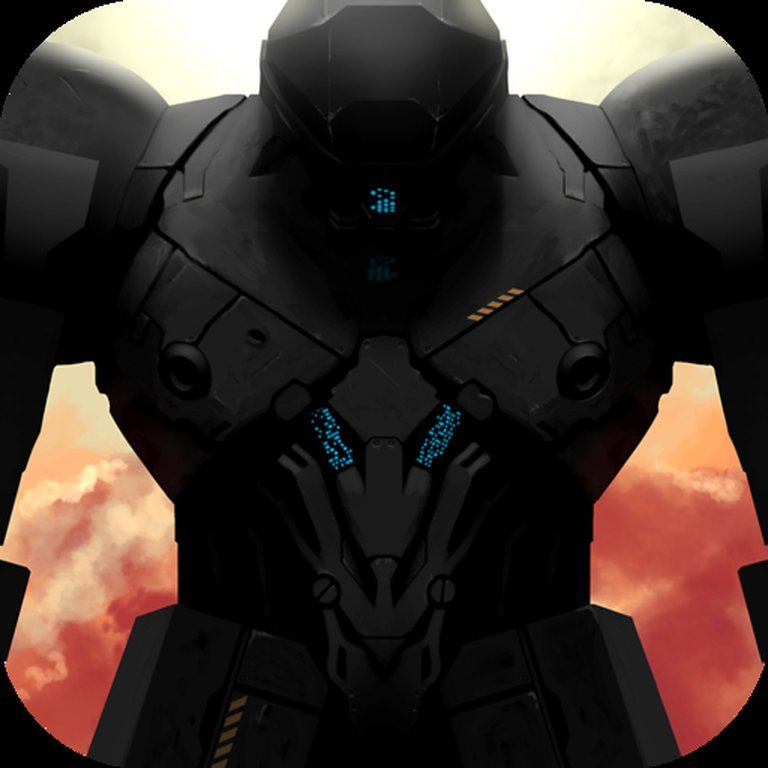
Magikiras is a text-based interactive adventure set in a near-future world where magic and technology coexist, allowing players to assume the role of a soldier equipped with customizable powered armor. The game features over a million words of narrative-driven gameplay, where choices shape alliances, battles against terrorists and eldritch aliens, and character development across diverse paths including normal soldiers or magically gifted warriors. Developed by Hosted Games, this point-and-select interactive novel immerses players in a sci-fi/fantasy setting with branching storylines and strategic armor customization.
Where to Buy Magikiras
PC
Magikiras Mods
Magikiras Guides & Walkthroughs
Magikiras Reviews & Reception
metacritic.com (40/100): My understanding is that Magikiras is this author’s first gamebook, which at least provides some explanation behind some of its issues. While I applaud the author’s creativity and certainly respect the effort that must have gone into creating such a large adventure, I hope any future efforts are handled a bit more elegantly than this one.
Magikiras: Review
Introduction
In the vast, often visually saturated landscape of modern gaming, Magikiras stands as a defiant anomaly—a 1.1-million-word interactive novel that strips away graphics and sound, relying solely on the power of narrative and player imagination. Released in 2011 by Hosted Games LLC, this text-driven adventure occupies a unique niche, blending near-future military sci-fi with high-fantasy elements. Its premise—piloting customizable powered armor against terrorists and eldritch aliens in a world where magic and technology coexist—promises a rich, branching experience. Yet, Magikiras’s legacy is one of polarized reception: celebrated for its ambitious scope and genre fusion, yet criticized for execution flaws and repetitive design. This review dissects its historical context, narrative depth, mechanical systems, and enduring impact, arguing that while it never achieves mainstream brilliance, it remains a fascinating artifact in the evolution of interactive fiction.
Development History & Context
Magikiras emerged from the creative ecosystem of Hosted Games LLC, a studio founded by Dan Fabulich, the principal developer of the ChoiceScript engine—a specialized tool for creating branching text adventures. The project was spearheaded by Gabriel Chia (writer), with Mats Evensson providing promotional art. The development team included a dedicated beta-testing collective (CeciliaRosewood, Chasmee, JLBH, Lycoris, Pagliacci, Phoenixthe_Pirate), reflecting the participatory nature of indie IF communities. Released on March 11, 2011, for Windows, it later expanded to Android (2016) and iOS/iPad (2016), capitalizing on the mobile revolution’s appetite for accessible narratives. Its technological constraints were deliberate: built on the ChoiceScript framework, it eschews graphics/sound, prioritizing text-based interaction—a choice that harked back to the golden age of IF while embracing modern digital distribution. The game’s 2011 debut coincided with a resurgence of text adventures on platforms like iOS, where Magikiras stood alongside titles like Choice of Broadsides in the burgeoning Hosted Games catalog. This period saw IF games exploring mature themes beyond puzzles, with Magikiras targeting a niche audience craving narrative depth and player agency.
Narrative & Thematic Deep Dive
At its core, Magikiras is a meditation on duality—technology versus magic, order versus chaos, and human agency versus cosmic horror. The narrative opens with players assuming the role of a “fresh private” in a near-future military force, thrust into a world where corporations wield arcane power and extraterrestrial entities (“eldritch aliens”) threaten global stability. The plot hinges on a brilliant structural choice: players can align with one of two factions (e.g., the technocratic Global Defense Force or the mystical Order of Magi) and even choose their primary antagonist, framing the same conflict from opposing perspectives. This dualism extends to character customization, allowing players to be either a standard soldier or a “magic-user,” fundamentally altering dialogue options and combat scenarios. Key characters include enigmatic commanders, rogue AIs, and alien entities whose motivations blur the line between malevolence and tragedy. Dialogue leans heavily on military jargon and arcane terminology (“mana converters,” “psionically resonant alloys”), creating a thematic tapestry where cold logic meets mystical intuition. The narrative explores themes of imperialism (via corporate militarism), the ethics of weaponizing the supernatural, and the loneliness of command—all delivered through thousands of branching paths where choices ripple into radically different endings. Yet, the sheer scale (1.1 million words) occasionally leads to narrative bloat, with subplot threads resolving perfunctorily to maintain pace.
Gameplay Mechanics & Systems
Magikiras’s gameplay is a masterclass in minimalist design. Built on the ChoiceScript engine, it employs a point-and-select interface where players navigate text prompts, make stat-based decisions, and witness consequences unfold. Core systems include:
– Character Progression: Players allocate points into attributes like Strength, Intelligence, and Magic Affinity, which influence combat efficacy and dialogue options. Magic-users access spells like “Aetheric Shield” or “Soul Strike,” while tech-focused characters optimize armor modules (e.g., “Plasma Cannons” or “Stealth Cloaks”).
– Armor Customization: The titular “Magikiras” armor is modular, allowing players to swap weapons, defensive systems, and utility tools (e.g., radar jammers or force-field generators). This system encourages replayability, as different loadouts unlock unique narrative paths.
– Branching Narrative: Choices determine alliances, romance options, and survival. For example, sparing a captured alien may unlock a “Xenophile” path, while executing it militarizes the storyline.
– UI & Accessibility: The interface is austere yet functional, with stats displayed cleanly and choices color-coded for clarity. Steam integration adds achievements (e.g., “Pacifist” or “Warlord”) and cloud saves, though mobile versions lack these features.
Despite these strengths, combat encounters often devolve into repetitive “stat checks” (e.g., “Your Strength is 7. Do you [Punch] or [Kick]?”), undermining tension. Additionally, the game’s linearity within branches—despite massive word count—can feel constrained, as major plot points often converge regardless of player choices.
World-Building, Art & Sound
Magikiras’s world-building is its most potent asset. The setting—a “not too distant future” where neon-drenched megacopires hover over blighted wastelands—is sketched with vivid prose. Corporations like OmniTek and AetherCorp dominate, their skyscrapers festooned with holographic ads and runic wards. Mecha battles unfold in “cratered cityscapes” or “alien jungles,” described with tactile detail: “The Magikiras’s hydraulic joints groaned under the strain of plasma fire.” The fusion of magic and technology is seamlessly integrated: soldiers enchant their rifles with Glyphs, while mages bind spirits to power reactors.
Art direction is entirely text-based, relying on Evensson’s promotional art (e.g., stylized armor schematics) to anchor the imagination. This constraint becomes a strength, however, as the prose compels players to visualize environments—from the sterile corridors of a military base to the bioluminescent horrors of an alien hive. Sound is entirely absent, but this absence amplifies the narrative’s focus; the “sizzle of overheating circuits” or the “whisper of summoning incantations” exists only in the mind’s ear. The result is an atmosphere of oppressive grandeur, where players inhabit a universe as much through suggestion as description.
Reception & Legacy
Upon release, Magikiras polarized audiences. On Steam, it holds a “Mixed” rating (46% positive), with 13 reviews praising its narrative scope but criticizing repetitive gameplay. One Steam user noted: “The armor customization is brilliant, but combat feels like rolling dice.” Mobile reviews were equally divided, with iOS users praising portability but lamenting clunky text formatting. TouchArcade (2016) awarded it a 40/100, criticizing its “unrefined elegance” but acknowledging the author’s ambition. Commercially, it found niche success on mobile, where its low price point ($11.99 on Steam) and offline accessibility appealed to commuters and IF enthusiasts.
Magikiras’s legacy is twofold. It cemented Hosted Games as a leader in mobile interactive fiction, paving the way for titles like Choice of Robots. Thematically, its fusion of mecha combat and magical realism influenced later IF works, such as Magikarp Jump’s absurd take on genre tropes. Yet, it also highlighted the limitations of text-only design in an era of AAA spectacle. Its cult status persists among branching-novel fans, who debate its branching pathways on forums like Reddit’s r/choiceofgames. Ultimately, Magikiras remains a testament to IF’s potential—a flawed but fascinating artifact where ambition outpaces execution.
Conclusion
Magikiras is a paradox: a game of immense scale yet intimate focus, rich in concept yet uneven in delivery. Its strengths—an innovative genre blend, deeply branching narrative, and immersive world-building—set it apart in the IF landscape. Yet, repetitive combat, narrative bloat, and technical constraints prevent it from reaching the heights of its peers. For players seeking a text-driven epic where choices truly matter, it remains a compelling choice. For those expecting dynamic action or polished mechanics, it may feel archaic. In the annals of video game history, Magikiras stands not as a masterpiece, but as a vital experiment—a reminder that in gaming, sometimes the most powerful experiences are those conjured by the mind alone. Its legacy endures in the hearts of those who, for a few hours, lived inside its armor, fighting terrorists and aliens in a world where magic and machines danced on the edge of oblivion.