
- Release Year: 2022
- Platforms: Nintendo Switch, PlayStation 4, Windows
- Publisher: SimFabric Sp. z o.o.
- Developer: All Those Moments, SimFabric Sp. z o.o., Sleepwalking Potatoes
- Genre: Simulation
- Perspective: 1st-person
- Game Mode: Single-player
- Gameplay: Crafting, Exploration
- Setting: Fantasy
- Average Score: 70/100
Description
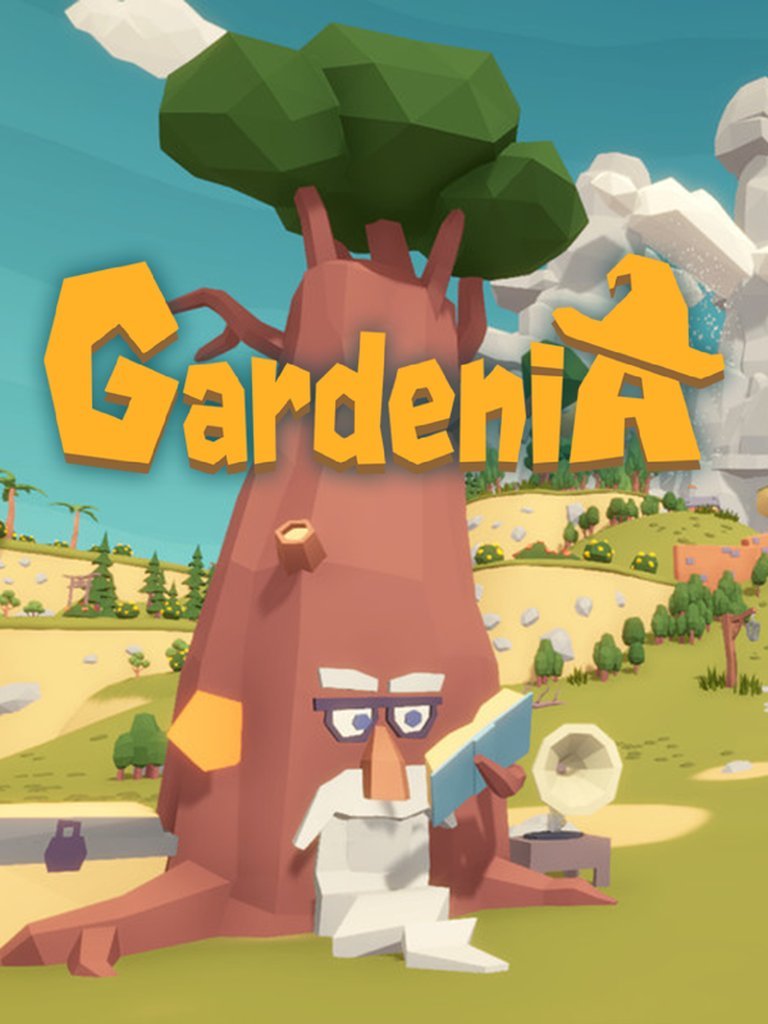
Gardenia is a relaxing first-person gardening simulator and fairy-tale adventure where players help Wood Grandpa clean up a polluted island, restore its beauty, and uncover the mystery behind the environmental blight. Featuring sandbox-style gameplay, players freely arrange gardens, gather resources for crafting, explore for treasure and magic mushrooms, and interact with inhabitants to bring the island’s former residents home.
Where to Buy Gardenia
PC
Gardenia Reviews & Reception
metacritic.com (70/100): Cute and mostly entertaining, Gardenia needs better signposting and could have made better use of the gardening aspect.
Gardenia Cheats & Codes
PC
Run the PLITCH trainer and activate the desired cheat.
| Code | Effect |
|---|---|
| Refill Energy | Refill Energy |
| Low Energy | Low Energy |
| Set Movement-Speed (default = 8) | Set Movement-Speed (default = 8) |
| Set Jump-Height (default = 3) | Set Jump-Height (default = 3) |
| Set Gravity (default = -25) | Set Gravity (default = -25) |
| Unlimited Tool Durability | Unlimited Tool Durability |
| Set Item Count | Set Item Count |
| Unlimited Energy | Unlimited Energy |
| Add Blue Mushrooms | Add Blue Mushrooms |
| Add Black Mushrooms | Add Black Mushrooms |
Gardenia: Review
Introduction
In an industry saturated with high-octane action and sprawling epics, Gardenia emerges as a gentle oasis—a meditative fusion of gardening simulation and whimsical fairy-tale adventure. Released on October 28, 2022, for PlayStation 4 (with subsequent ports to Nintendo Switch and Windows in 2023), this title invites players to step into the shoes of a nameless protagonist tasked with restoring a blighted fantasy island. Under the stewardship of developers SimFabric Sp. z o.o., Sleepwalking Potatoes, and All Those Moments, Gardenia promises a sandbox experience rooted in tranquility, exploration, and environmental storytelling. Yet, beneath its pastoral veneer lies a narrative mystery and a gameplay loop that, while charming, struggle to fully harmonize its disparate elements. This review dissects Gardenia’s legacy—from its development ethos to its thematic resonance—to determine whether it cultivates a fulfilling experience or remains a patchwork of unfulfilled potential.
Development History & Context
Gardenia’s journey reflects a collaborative indie ethos, with SimFabric Sp. z o.o. handling publishing while Sleepwalking Potatoes and All Those Moments spearheaded development. Announced in August 2021, the project garnered early traction through a free Prologue demo released on Steam in November 2021—a strategic move to gather player feedback ahead of the full launch. This iterative approach, evidenced by post-launch patches addressing critical bugs (e.g., physics glitches that crippled core mechanics), underscores the team’s commitment to refinement.
Technologically, Gardenia operates without cutting-edge ambition, opting for a first-person perspective that immerses players in the island’s tactile details. The game’s development unfolded against a backdrop of the “cozy game” boom—titles like Stardew Valley and Animal Crossing dominating the zeitgeist. However, Gardenia distinguishes itself by blending gardening with adventure—a niche that, while innovative, risks diluting both genres’ strengths. The team’s vision, as articulated in Steam announcements, prioritized accessibility and relaxation, aiming for a “garden space [that] can be arranged freely.” This ethos guided their minimalist design, but the result often feels constrained by the era’s hardware limitations and the inherent challenges of merging sandbox freedom with structured quests.
Narrative & Thematic Deep Dive
Gardenia’s narrative unfolds as a slow-burn mystery wrapped in fairy-tale whimsy. Players arrive on an island decaying from an unnamed pollution, guided by the enigmatic “Wood Grandpa,” a grandfatherly figure who tasks them with cleansing the land to lure back displaced inhabitants. The story’s strength lies in its environmental storytelling: abandoned homes, overgrown gardens, and scattered trash fragments hint at a community torn asunder by ecological neglect. Characters like Foxy Holmes, a fox-like investigator, and Mr. C, a whimsical NPC, add color but lack depth—their dialogue, while endearing, rarely transcends archetypes.
Thematically, Gardenia explores ecological restoration and community reclamation. The pollution serves as a metaphor for industrial neglect, while the act of gardening becomes a tangible act of defiance against decay. Yet, the mystery of “who is behind the pollution” remains frustratingly underdeveloped. Despite clues and interactions with NPCs, the climax feels abrupt, leaving thematic threads (e.g., consequences of human greed) unresolved. The game’s comedic tone, evident in playful character exchanges, occasionally clashes with its somber premise, creating a tonal dissonance that undermines its emotional core.
Gameplay Mechanics & Systems
Gardenia’s gameplay revolves around three core loops: exploration, crafting, and environmental interaction. As a first-person sandbox, it emphasizes freedom, yet its systems often feel disjointed.
- Gardening & Crafting: Players collect raw materials (mushrooms, wood, trash) to craft tools and decorations at a “magic crafting table.” The gardening itself is rudimentary—planting seeds, watering flowers—but lacks the strategic depth of dedicated simulators. Crafting menus are initially intuitive, with a welcome “pin recipe” feature added post-launch based on feedback. However, physics glitches (e.g., items launching into the sky) and inventory limitations (three rows of pocket storage) stifle creativity.
- Exploration & Quests: The island is segmented into biomes, each housing quests tied to inhabitants. For instance, aiding Foxy Holmes involves solving minor puzzles or locating hidden treasures. A guiding arrow system, improved via patches to include distance markers, helps navigation, but objectives sometimes feel arbitrary. A notorious bug involving “stuck trash” highlights the fragility of these systems, occasionally halting progress.
- Combat & Platforming: Combat is minimal, limited to fending off aggressive fauna with crafted tools. Platforming elements, such as jumping between rocks, are simplistic and rarely challenging. These inclusions feel tacked-on, diluting the game’s meditative pace without adding meaningful engagement.
The UI, while clean, suffers from poor signposting. Quests lack clear urgency, and the day/night cycle, noted in community feedback as “too quick,” disrupts immersion. Ultimately, Gardenia’s mechanics succeed in fostering relaxation but falter in delivering cohesive gameplay satisfaction.
World-Building, Art & Sound
Gardenia’s fantasy island is a character in its own right, rendered in a soft, painterly art style that evils Studio Ghibli’s pastoral charm. Vibrant flora, decaying structures, and biomes ranging from mossy forests to sandy beaches create a visually cohesive world. The first-person perspective amplifies this, allowing players to appreciate the tactile details of dewy leaves or crumbling brickwork. Character designs, like the googly-eyed Foxy Holmes, lean into whimsy, ensuring even polluted spaces retain a sense of wonder.
Sound design reinforces the game’s zen ethos. Gentle piano melodies, rustling leaves, and distant birdcalls form an auditory tapestry that mirrors the visual serenity. However, the absence of dynamic music during exploration or quests creates a static atmosphere, while voice acting (largely non-existent beyond text) leaves interactions feeling flat. Pollution’s visual manifestation—inky sludge and withered plants—is starkly contrasted against the island’s beauty, effectively conveying environmental decay without explicit storytelling.
Reception & Legacy
At launch, Gardenia received modest acclaim. PC Invasion awarded it a 70/100, praising its “cute” aesthetic while criticizing its lack of signposting and underutilized gardening mechanics. Community feedback on Steam echoed these sentiments, with players enjoying the “comfy” vibe but reporting bugs (e.g., unresponsive NPCs, inventory glitches) and a “thin” narrative. Commercially, the game found a niche audience on PlayStation 4 and Switch, though it never achieved mainstream breakout status.
Gardenia’s legacy remains nascent but hints at a cult following. Its free Prologue demo garnered positive word-of-mouth, and the developers’ patch responsiveness—addressing critical issues within weeks—fostered goodwill. In the broader gaming landscape, Gardenia occupies a space adjacent to titles like Spiritfarer and A Short Hike, blending relaxation with light adventure. However, its failure to fully realize its ambitious fusion of gardening and mystery has limited its influence. It stands as a testament to the challenges of indie game development: a heartfelt vision constrained by technical and design limitations.
Conclusion
Gardenia is a flawed but endearing experiment—a game that wears its heart on its sleeve, even as its ambition occasionally outpaces its execution. Its strengths lie in its ability to evoke tranquility, its vibrant world-building, and its commitment to player freedom. Yet, technical hiccups, narrative underdevelopment, and mechanically shallow systems prevent it from reaching its full potential. For players seeking a meditative escape, Gardenia offers a worthwhile, if imperfect, retreat. For the industry, it serves as a reminder that the most compelling experiences often arise from the intersection of passion and polish—a lesson the developers’ post-launch efforts have begun to heed. In the grand garden of video games, Gardenia may not be the most robust bloom, but its unique fragrance lingers, inviting players to return for a moment of quiet reflection.