
- Release Year: 2021
- Platforms: Linux, Macintosh, Windows
- Publisher: Raptorsoft Games
- Developer: Ralf Corella
- Genre: Adventure
- Perspective: First-person
- Game Mode: Single-player
- Setting: Dream world, Fantasy, Realm
Description
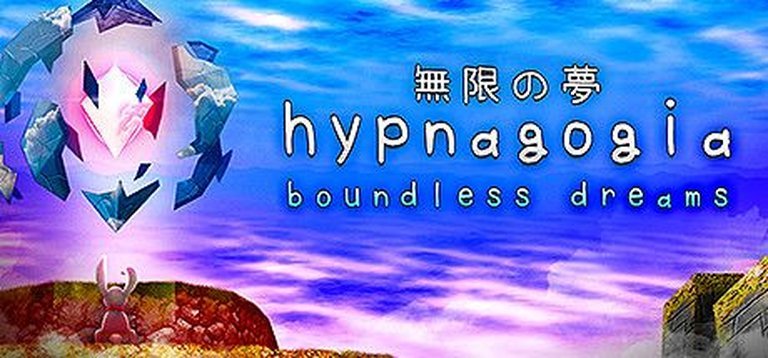
Hypnagogia: Boundless Dreams is a first-person adventure game set in a surreal dream realm composed of eight distinct worlds inspired by real dreams and 90s console aesthetics like the Dreamcast and PlayStation. Players, as the Dreamer, must recover shards of the shattered Dream Crystal after Gogi, the dream protector, is kidnapped by a mysterious shadow, with guidance from Hypno, engaging in exploration, interactions with dream denizens, and fetch quests across fantastical settings.
Gameplay Videos
Where to Buy Hypnagogia: Boundless Dreams
PC
Hypnagogia: Boundless Dreams Guides & Walkthroughs
Hypnagogia: Boundless Dreams Reviews & Reception
steamcommunity.com : This game is more than just visually striking or mechanically enjoyable—it’s the first game I’ve managed to finish in a very long time.
Hypnagogia: Boundless Dreams: Review
Introduction: The Dream Catcher’s Call
In the sprawling,Often-saturated landscape of modern gaming, where photorealism and mega-franchises dominate the conversation, certain titles whisper rather than shout. They are digital artifacts born not from committee-designed focus groups, but from the singular, unvarnished vision of a creator deeply fascinated by a specific aesthetic and psychological space. Hypnagogia: Boundless Dreams is one such title—a meticulously crafted, low-fidelity odyssey into the fragile borderlands between sleep and wakefulness, fantasy and nightmare. Developed almost entirely by a single auteur, Ralf Corella (operating as sodaraptor), this 2021 sequel to a 2020 game jam project is a masterclass in atmosphere over mechanics, theme over scale, and profound personal expression over mainstream appeal. It is a game that understands the hypnagogic state—that fleeting, hallucinatory threshold of consciousness—not just as a setting, but as a fundamental design philosophy. This review will argue that Hypnagogia: Boundless Dreams is a flawed but essential piece of interactive surrealist art, a game whose technical and pacing shortcomings are often inextricably tied to its greatest strengths, and whose influence is already being felt in the nascent “liminal space” and “PS1 horror” indie movements.
Development History & Context: A Solo Dreamer’s Odyssey
The genesis of Hypnagogia: Boundless Dreams is a story of pure, unadulterated indie development. Its predecessor, Hypnagogia 催眠術, was created in a compressed timeframe for the 2020 LSDJAM (a game jam themed around the psychedelic). This first entry was a proof-of-concept, a rough but potent exploration of a dream-logic adventure. The success of that jam project—and the clear passion behind it—directly catalyzed its follow-up.
Corella, as the sole credited developer for the core team (with additional coding by Jerome Lester and a sprawling list of musicians contributing a stunningly diverse original soundtrack), embarked on an eight-month development cycle for Boundless Dreams. Using Unity (specifically the FPS Microgame template as a base), he set out to expand the premise into a full-fledged commercial release. The technological constraints were self-imposed and artistic: a deliberate embrace of the “late 90’s 3D visual style” inspired by the Dreamcast and PlayStation. This meant low-polygon models, pixelated and often warped textures, and a general aesthetic of charming, janky 3D that immediately evokes the era of Silent Hill, Mass Effect‘s original Mako sequences, and Oddworld. It was a technical limitation transformed into a cohesive, nostalgic, and deeply atmospheric artistic style.
This places the game in a specific niche within the 2020s indie scene. Released in October 2021, it arrived alongside a wave of games mining similar retro-futuristic or liminal aesthetics (Paratopic, Ad Infinitum, the work of developers like Sopheria). It stands apart, however, in its consistent commitment to a first-person “walking simulator” framework fused with light platforming and puzzle-solving, all wrapped in an unusually coherent and emotionally charged narrative about mental health and self-worth. The “solo dev” story is not just a marketing point; it’s the game’s central truth. Every polygon, every note of music, every line of dialogue carries the unmistakable signature of one person’s obsession, a fact that lends the entire experience a unique, intimate, and sometimes uneven authenticity.
Narrative & Thematic Deep Dive: The Fractured Self
At its surface, Boundless Dreams presents a straightforward quest: the Dreamer’s guardian, the bunny-like Gogi, is kidnapped by a shadowy force, and the mystical Dream Crystal—the “nexus of all worlds” and metaphorical core of the Dreamer’s mind—shatters. The player must traverse eight (plus several secret) dream worlds to recover the shards. This simplistic plot serves as a skeleton for a far more intricate and thematically rich autopsy of a psyche in distress.
The narrative is structured as a descent from whimsy into horror, mirroring the protagonist’s own journey. The early worlds—the Candy World, the Mall World, the Desert World—are vibrant, strange, but largely benevolent. Their inhabitants are quirky, helpful, and often melancholic (the freezing rabbit people by their trashcan bonfires, the overworked miners in the Cave World). These are the “joyful fantasies” of the ad blurb, but they are tinged with a subtle, pervasive sadness. The Dreamer, a featureless protagonist whose only defining trait is their “Bookworm” knowledge of mythology, acts as a gentle, curious guide.
The true narrative engine is the conflict between Gogi and Hypno. Gogi is the Righteous Rabbit, the guardian who operates on a principle of non-interference (“he wants them to grow and develop”). He represents wholesome protection, the part of the self that preserves innocence and sacred imaginative spaces. His statement, “dreams are sacred experiences of imagination and self-reflection, and were never supposed to be corrupted by nightmares or have ‘a goal'”, is the game’s core thematic thesis.
Hypno, in stark contrast, is the Vile Villain, Laughable Lackey‘s master—an Eldritch Abomination born not from external evil, but from the Dreamer’s own Despair Event Horizon. Her motivation is explicitly laid out: the Dreamer’s profound hopelessness in the face of “a harsh, cruel reality” where “goodness… is on the evident decline” allowed her to manifest. She is the personification of a psyche that has “gradually abandon[ed] and reject[ed] all their hopes and dreams.” Her attempt to use the reassembled Dream Crystal to create a “paradise of eternal nightmare” is a perversion of its purpose—turning the mind’s creative wellspring into a prison of curated suffering.
The game’s most brilliant narrative twist is that Hypno isn’t an external invader, but an internal Nightmare Weaver. The final confrontation is therefore not a physical battle but a psychic reclamation. Gogi’s Heroic Sacrifice—mortally injuring his physical form to shield the Dreamer—is the ultimate act of guardian love, allowing the Dreamer to confront and reject the internalized despair. The Stairway to Heaven sequence in the Tower World/Hell, where the Dreamer encounters the “rejected husks of all the dreams they have cast off,” is a powerful visualization of confronting one’s own discarded aspirations. The ultimate resolution, where Gogi (reborn or reasserted) banishes Hypno, is less a victory over a monster and more a re-integration of a fractured self, choosing hope and imagination over nihilistic despair.
The dialogue choices, while largely Non-Lethal Bottomless Pits for the narrative (no major branch points), are crucial. They are moments where the Dreamer’s empathy—their choice to be kind and helpful—is constantly reaffirmed. This reinforces the theme: salvation comes through connection and reaffirming one’s capacity for goodness, not through aggression or selfishness. The Continuity Nod with the Snow Child from the first game, and the Model Museum easter egg (showcasing every model with polygon counts and dev commentary), are beautiful meta-textual acknowledgments of the game’s history and construction, reminding the player they are exploring a constructed dreamscape made tangible.
Gameplay Mechanics & Systems: Fetch Quests and Flawed Realities
Mechanically, Hypnagogia: Boundless Dreams is a hybrid of first-person exploration, light platforming, and classic “fetch quest” adventure logic. The core loop in each world is disembark from the Dream Nexus, explore a contained level, interact with NPCs to acquire items or information, and ultimately retrieve a Dream Crystal shard, often by solving a simple environmental puzzle.
The gameplay systems are deliberately archaic, echoing its PS1 inspirations. The platforming is famously floaty, a common trait of early 3D platformers. This is a double-edged sword. In simple jumps between nearby platforms, it adds a gentle, dreamlike weightlessness. However, in more demanding sections (like the large ocean platforming in the second world or certain moving platform puzzles in the Haunted World mansion), it becomes a source of genuine frustration, as noted by multiple Steam community members. The lack of precise control is a defining flaw that several reviewers highlighted as a major point of friction.
The most significant and oft-criticized systemic flaw is the lack of save points within individual levels. Worlds like the sprawling Mysterious Forest can take over an hour to complete on a first playthrough. Quitting or crashing means restarting the entire world from its beginning. This is not a “Roguelike” feature but a punishing relic that clashes with modern play habits. As one Steam user (“Pearl Blue Soul”) detailed, it forces players to either marathon sessions or risk losing significant progress. The developer, sodaraptor, has not patched this, suggesting it was a deliberate, if punishing, design choice to emulate the “no saves” feel of early 3D adventure games or to maintain a certain tension. The post-game Dream Hub that allows level replay mitigates this slightly for completionists, but does nothing for someone stuck mid-level.
The UI is diegetic and minimalist, fitting the dream aesthetic. The inventory is a simple list. The map is non-existent, relying on environmental storytelling and subtle visual cues (like the occasional glowing star mentioned on TV Tropes as an Anti-Frustration Feature). This can lead to obtuse navigation, especially in labyrinthine areas like the Forest World, where players report feeling “lost” despite the world’s clear design. The dialogue choices provide flavor and character but rarely impact the critical path, making them feel like atmospheric enhancements rather than true branching.
Innovation lies in the world-specific mechanics. The Space World’s jet pack, the Sunken World’s malfunctioning diving suit interface (Diegetic Interface), the ability to ride Strider-like birds in the Desert—these are small but effective touches that differentiate each vignette. The game also includes several secret worlds (Lava World, Candy World, Nightmare School) that are Permanently Missable on a first run without a guide, rewarding obsessive exploration but potentially frustrating players who value completionism.
In summary, the gameplay is the game’s weakest link, a series of simple fetch quests and unforgiving platforming strung together by an exceptional atmosphere. Its flaws are a direct result of its nostalgic aspirations, creating an experience that is often less fun in a conventional sense and more compelling in an atmospheric, experiential one.
World-Building, Art & Sound: A Masterclass in Surreal Aesthetics
This is where Hypnagogia: Boundless Dreams achieves genius. Every single one of its 12+ worlds is a perfectly realized piece of surrealist art, each with a distinct visual palette, architectural logic, and soundscape that coalesces into an unforgettable dream image.
The art direction is a triumph of constrained design. Using the PSX/Dreamcast aesthetic not as a limitation but as a language, Corella builds worlds that feel simultaneously familiar and alien. The Candy World is a sickly-sweet pastel nightmare of giant sweets and floating platforms. The Mall World is a standout piece of liminal space horror, transforming a bustling 90s mall into a eerie, empty, vaporwave-inspired ghost town (with reflective water and bright pinks/blues as noted). The Lava World is a Hell Has New Management corporate hellscape of bureaucrat devils, a brilliant satire of soul-crushing modern work life. The Haunted World (mansions, graveyards) masterfully channels Silent Hill‘s psychological dread without relying on cheap jump scares, instead using fog, distorted audio, and unsettling character designs (the Creepy Doll Mimic).
The sound design and music are equally integral. With contributions from multiple composers (primarily Armund Dünn III/Reeez), each world has a unique, fully realized original music track that defines its emotional core—from the mall’s mallsoft remix to the cave’s industrial clatter to the space station’s ambient dread. The sound effects are sourced from freesound.org but curated to perfection: the distant echo of dripping water in a cave, the muffled moans in a haunted hallway, the cheerful jingle of a candy world bell. The audio doesn’t just accompany the visuals; it builds them, creating a fully immersive synesthetic experience.
The atmosphere is the game’s ultimate achievement. It moves seamlessly from Scenery Porn (the gorgeous, vibrant vistas of the opening worlds) to genuine, unnerving psychological horror. The shift in the final third, where the dreamscape itself begins to corrupt under Hypno’s influence—colors leaching, geometry twisting, friendly NPCs replaced by hostile nightmares—is a masterful technical and narrative coup. You feel the Dreamer’s mental stability unraveling through the environment. The Dream Apocalypse threat is made viscerally real.
Reception & Legacy: A Cult Classic in the Making
At its October 2021 launch, Hypnagogia: Boundless Dreams was a niche product on Itch.io and Steam, flying under the radar of mainstream gaming press. Its critical reception, as aggregated on Steam, is Overwhelmingly Positive (95% of 670 reviews). Praise consistently zeroes in on its aesthetic, atmosphere, originality, and emotional impact. Reviewers like Paul’s Steam review call it a “masterpiece in its genre,” highlighting the “vibrant, hand-crafted environments” and “excellent” sound design. The user “Jetter06” compares its impact favorably to “Undertale or Hollow Knight,” a testament to its powerful, personal resonance.
However, the negative and critical feedback is strikingly consistent and centers on the same gameplay flaws discussed earlier. The Forest World’s excessive length and lack of saves is the number one complaint. The floaty controls and obtuse puzzles are repeatedly cited as frustration points. Some, like the review on “thebinarymessiah.com,” bluntly state the “level design itself is quite atrocious and can even be downright boring.” Accessibility issues are also raised (e.g., text not OCR-friendly for screen readers, as noted by user “JERICHO DREAD™”).
Its commercial performance is modest but healthy for a solo indie project. It has sold enough to be collected by 16 players on MobyGames (a small but dedicated number) and maintains a small but steady concurrent player count (around 2 as per recent data). It has not broken into the mainstream, but it has cultivated a fervent, cult-like fanbase who actively create guides, fanart, and Russian localizations.
Its legacy and influence are already perceptible within specific indie circles. It is a quintessential example of the “PS1 horror/exploration” aesthetic that exploded post-2020, alongside games like Visage and Madison. Its focus on dream logic, liminal spaces, and abstract world-building directly feeds into the “surreal exploration” genre. The Shout-Out page on TV Tropes links it to a lineage including LSD: Dream Emulator and Eastern Mind: The Lost Souls of Tong Nou—obscure, visionary titles that prioritize mood over mechanics. Hypnagogia is arguably the most accessible and narratively coherent entry in that lineage. The developer’s own history with the “LSDJAM” and the game’s thematic core cement its place as a significant work in the small canon of games explicitly about the hypnagogic state and mental health.
Conclusion: A Flawed Jewel in the Crown of Indie Surrealism
Hypnagogia: Boundless Dreams is not a game for everyone. Its insistence on archaic design choices—no in-level saves, floaty physics, sometimes labyrinthine layouts—will alienate players seeking polished, user-friendly experiences. But for those willing to surrender to its dream logic, to accept its roughness as part of its texture, it offers something profound and rare: a guided tour through a beautifully realized, emotionally honest, and often terrifying subconscious.
Ralf Corella has crafted a singular vision where every pixel, polygon, and note serves a unified theme of psychological struggle and hope. The game’s greatest success is making the player feel the Dreamer’s journey—from the whimsy of the Candy World to the bureaucratic horror of the Lava World to the pure existential dread of the Haunted World’s final stretches. Its narrative about rejecting internalized despair and protecting one’s inner world of imagination is delivered with a sincerity that bypasses cynicism.
Therefore, my definitive verdict is this: Hypnagogia: Boundless Dreams is a flawed masterpiece and an essential artifact of 2020s indie surrealism. Its gameplay systems are often frustrating, its pacing occasionally stagnant, and its reliance on secrets can feel punitive. Yet, its artistic coherence, atmospheric mastery, and narrative bravery elevate it far above the sum of its parts. It is a game that deserves to be studied, preserved, and experienced by anyone interested in the expressive potential of interactive art. It may not have polished its edges, but those edges are sharp with meaning. In the gallery of games that truly capture the fragmented, beautiful, and terrifying nature of dreams, Hypnagogia: Boundless Dreams occupies a place of honor—a boundless, broken, and breathtaking dream etched into silicon.