
- Release Year: 2021
- Platforms: Android, iPad, iPhone, Linux, Macintosh, Nintendo Switch, PlayStation 4, Windows Apps, Windows, Xbox Cloud Gaming, Xbox One, Xbox Series
- Publisher: Neowiz Games Corporation, Playdigious SAS
- Developer: SouthPAW Games
- Genre: Action
- Perspective: Side view
- Game Mode: Single-player
- Gameplay: Combat, Platforming, Roguelite, Skull-swapping
- Setting: Fantasy
- Average Score: 81/100
Description
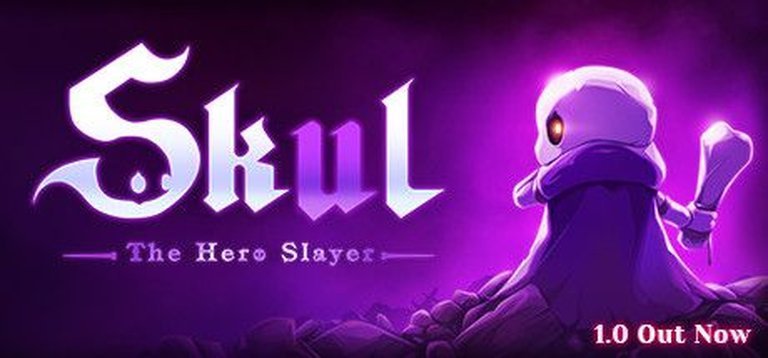
Skul: The Hero Slayer is a hardcore rogue-lite action platformer set in a fantasy realm where players control Skul, a skeletal warrior defending the Demon King’s castle from invading heroes. Featuring a unique skull-swapping mechanic that allows for dynamic ability changes, the game combines challenging combat with stunning pixel art, demanding adaptability and skill in its side-scrolling levels.
Gameplay Videos
Where to Buy Skul: The Hero Slayer
PC
Skul: The Hero Slayer Free Download
Skul: The Hero Slayer Mods
Skul: The Hero Slayer Guides & Walkthroughs
Skul: The Hero Slayer Reviews & Reception
metacritic.com (80/100): Simple enough to draw you in, yet complex enough to keep you interested for the long haul.
ign.com : There’s awesome combat and loads of replayability in this bone-afide retro rogue-lite.
opencritic.com (83/100): Skul: The Hero Slayer puts skull-swapping and fast combat front and center in this bone-afide retro rogue-lite.
Skul: The Hero Slayer: A Bone-Afide Masterclass in Rogue-Lite Design
Introduction: The Unlikely Hero’s Journey
In a genre saturated with stories of chosen heroes ascending from the ashes, Skul: The Hero Slayer emerges not just as another entry, but as a deliberate, clever, and immensely satisfying subversion. It asks a deceptively simple question: what if you were the monster? Developed by the South Korean indie studio SouthPAW Games and published by Neowiz, this 2021 release thrusts players into the decaying boots (or lack thereof) of Skul, the last surviving skeleton of the Demon King’s guard, on a desperate quest to rescue his monarch from a victorious, zealous human empire. The game’s legacy is secured not by mere novelty, but by the flawless execution of a core, genius mechanic—the ability to swap your own skull for those of your fallen enemies—and its integration into a tight, challenging, and endlessly replayable action-platformer. My thesis is this: Skul: The Hero Slayer stands as a pinnacle of the modern rogue-lite, a title that understands the genre’s addictive loop while carving its own identity through unparalleled build diversity, a charming subversion of fantasy tropes, and a difficulty curve that rewards mastery over mere persistence.
Development History & Context: From Crowdfunding to Critical Darling
Studio Vision & The Long Road to 1.0
SouthPAW Games, a small independent team from South Korea, conceived Skul with a clear vision: to create a fast-paced, character-driven rogue-lite where the protagonist’s identity was fluid. Early prototypes, as noted in community sources like the NamuWiki, were a top-down game developed for eight months before being scrapped for the side-scrolling format that defined the final product. This willingness to pivot was crucial. The game entered Steam Early Access on February 19, 2020, with a promise of a short early access period, ultimately remaining in that state for nearly a year. This period was not one of stagnation but of active community engagement and iterative development. The developers participated in events like G-Star and PAX East 2020, gathering feedback that directly shaped the full release.
The financial model relied on a successful crowdfunding campaign on Tumblbug in late 2019, which exceeded its goals dramatically. Interestingly, a unique tier allowed sponsors to name in-game NPCs or design specific skulls, a practice that embedded community directly into the game’s fabric. The publishing partnership with Neowiz, a major Korean publisher, was secured in November 2019, providing the resources for a polished multiplatform launch. The full 1.0 release arrived on January 21, 2021, for PC (Windows, macOS, Linux), with console ports (PS4, Xbox One, Switch) following on October 21, 2021. A mobile version arrived much later, in June 2024, published by Playdigious.
Technological Constraints & The Indie Landscape
Built in the Unity engine, Skul leverages a vibrant, detailed pixel art style that maximizes expressiveness within technical constraints. The 2D side-scrolling framework allowed for precise hitboxes and fluid animation—critical for a game where frame-perfect dodges and combos are paramount. The soundtrack, composed by EIM (a studio renowned for its work on MapleStory and Mabinogi Heroes), provides a dynamic, chiptune-infused score that shifts with boss battles and areas, adding significant atmosphere without overwhelming the action.
The game launched into a “golden age” of the rogue-lite. 2020 had seen the genre-defining releases of Hades and Risk of Rain 2, setting an exceptionally high bar for narrative integration and combat depth. Skul’s success is testament to its ability to stand beside these titans not by模仿 them, but by offering a distinct, complementary experience with its own core fantasy.
Narrative & Thematic Deep Dive: A Story of Perspective and Sacrifice
Plot and Structure
The narrative of Skul is delivered sparingly, primarily through short, voiced cutscenes after each zone’s boss and environmental storytelling in the Demon King’s Castle hub. The premise is a genre-reversal: the demonic realm, long the target of heroic invasions, has been genuinely crushed. The Carleon Empire, aided by the legendary “First Hero” and a cabal of powerful adventurers, has razed the Demon King’s castle and captured its denizens. The sole survivor is Skul, a lowly skeleton guard. His quest is simple: rescue the Demon King and the captured senators.
However, the story unfolds with surprising emotional weight. As Skul battles through the corrupted lands of Carleon—the Forest of Echoes, the Carleon Fortress, the Black Lab, and beyond—he uncovers a conflict far more complex than “demons good, humans bad.” The primary antagonists are not the common soldiers, but the leaders of Carleon: the fanatical Archbishop St. Joan II of the Leonia Order, the mad scientist Black Lab Chief, and ultimately, the ailing, vengeance-driven First Hero and the power-hungry Emperor Alexander.
Characters and Thematic Core
Thematically, Skul operates on several interconnected levels:
* Role Reversal & Perspective: The central, sustained joke is that the “heroes” are the invading, genocidal force. The “adventurers” are bloodthirsty sportsmen. The “demons” are the established, peaceful civilization. This allows the game to explore “Fantastic Racism” from both sides, as noted in TV Tropes: past demonic attacks are referenced, but the current human campaign is an unrestrained atrocity.
* The Corruption of Power: The source of human strength is Dark Quartz, a substance “derived from the pain and hate of life itself.” It grants monstrous power but corrupts and controls, turning the Leiana Sisters, the Chimera, and even the First Hero into tragic, mindless engines of war. The Black Lab’s horrific experiments on captured demons cement the humans as the true monsters.
* Mistaken Identity and Grief: The game’s heart-wrenching reveal is that the First Hero’s rampage is built on a tragic mistake. He believes the Witch and Demon King murdered his young son, who wished to be a hero. In truth, the boy died at the hands of a Dark Quartz-empowered soldier, and the demonic party was trying to heal him. The Demon King, sensing the child’s potential for future harmony, had taken an interest in him.
* The Bittersweet Rebirth (Spoiler Territory): The ultimate twist is that the child was reborn as Skul himself. The final, peaceful ending sees the Demon King and the First Hero make peace, but Skul chooses not to reveal his identity, letting the dying First Hero believe his son is truly gone while they quietly bond in his final days. This is a profound, melancholic resolution that elevates the narrative beyond simple villainy.
The supporting cast, from the cowardly, knitting-obsessed Death Knight to the shape-shifting Witch, provides levity and depth, making the Demon King’s castle feel like a genuine home worth saving.
Gameplay Mechanics & Systems: The Skull-Swapping Symphony
Core Loop and Combat
The gameplay is a masterclass in tight, responsive 2D action. Each run consists of traversing five procedurally generated zones (with the challenging “Black Mirror” hard mode adding more), each culminating in a boss fight. The primary goal is to rescue captured NPCs (who offer minor rewards) and reach the final boss. Death is permanent, but permanent upgrades via “Black Magic Stones” allow for gradual power increases.
The combat is fast, fluid, and demanding. Skul’s base form is weak, but his defining ability is Skull Swapping. Defeated enemies (and some chests) drop their skulls, which Skul can equip—two at a time—switching between them instantly with a button press. This is not a cosmetic change; it’s a complete transformation of moveset, stats, and strategy.
Skull Taxonomy and Buildcraft
Skulls are categorized by type and rarity:
1. Types:
* Power: Slow, high damage, often with powerful single hits or slow attacks (e.g., Ent, Werewolf in some upgrades). They often have dash attacks that destroy projectiles.
* Speed: Fast, low damage, high mobility, often with multi-hit or rapid attacks (e.g., Harpy, Ninja).
* Balance: Mix of speed and power, typically the most versatile (e.g., Warrior, Hunter).
* Special: Unique mechanics, like the self-destructing Bomber or the rock-summoning Rock Star.
2. Rarities: Common, Rare, Unique, Legendary. Higher rarities have dual skills and better stats. The post-launch Skull Awakening system (introduced in the full release) allows players to upgrade a skull’s rarity using “Bone Fragments” gathered from destroying unwanted skulls or from specific NPCs. This mitigates RNG, allowing a skilled player to elevate a common skull into a viable endgame tool.
Systemic Depth and Interplay
The true genius lies in the interplay between systems:
* Dash Invincibility: A fundamental mechanic. Skul’s dash grants brief invincibility, destroying projectiles. Mastering dash timing is essential for survival and is a core skill ceiling.
* Items & Imprints: Found in chests, shops, or from bosses, items provide stat boosts and special effects. They have “Imprints”—secondary effects with specific conditions (e.g., “Poisoning,” “Bleeding,” “Criticals on low HP”). Building synergistic combinations between skull skills, item imprints, and “Essences” (third-skill items) is the key to powerful runs.
* The Black Market & Cooking: An Orc Chef sells food that restores HP and grants temporary buffs (e.g., +Attack Speed, +Damage). Prices increase per zone, creating a resource management tension.
* Status Ailments: Post-patch, ailments like Poison, Burn, Bleed, and Freeze have been rebalanced to be more integrated into buildcraft (e.g., Bleed deals a huge burst when stacked).
* Progression: Between runs, players spend Black Magic Stones at the Witch’s altar in the hub to increase base stats (Max HP, Attack, Cooldown Reduction) and unlock utility perks (e.g., extra dash, shop discounts).
Flaws and Balance Considerations
The game is not without its rough edges, as consistently noted in critical and community analysis:
* Difficulty Spikes: TheNamuk’i wiki and user reviews frequently cite a brutal difficulty increase starting in Zone 3/4, with enemies that have high armor, self-destruct, and complex patterns. “Rookie Mode” (50% damage reduction) was added to address this, but some find even that punishing later on.
* Boss Variety: Critics like IGN’s Travis Northup noted that while excellent, boss patterns can become repetitive after multiple runs, lacking the transformative phases found in other genre leaders.
* Balance Meta: Post-launch patches have iterated heavily on balance. The NamuWiki details a meta where “Offense is the best defense,” with many tank builds being less viable. Power skulls and physical damage builds have historically been favored over magic or slower tank types, though patches have worked to broaden the viable pool. The game’s RNG can still make or break a run based on skull, item, and essence synergy drops.
* Linear Progression: As COGconnected pointed out, the path through zones is largely linear, with only a choice between two doors per level offering different rewards but ultimately the same route. Diverging paths are a requested feature for future depth.
World-Building, Art & Sound: A Pixel-Perfect Hellscape
Visual Design
Skul’s world is a masterclass in expressive pixel art. The color palette is vibrant and saturated, contrasting the grim premise with a surprisingly cheerful, almost Saturday morning cartoon aesthetic. The sprite work is exceptional: every skull has a distinct silhouette and animation set, from the lumbering, Groot-like Ent to the chaotic, multi-limbed Ghoul. Enemy design is equally creative, blending fantasy archetypes (knights, wizards) with grotesque, Dark Quartz-corrupted forms. The environmental storytelling is strong—the lush but dangerous Forest of Echoes, the grim, trap-laden Carleon Fortress, the cold, industrial horror of the Black Lab. Each zone tells a story through its visuals and enemy types.
Sound Design and Music
The soundtrack, composed by EIM, is a standout feature. It features energetic, melodic tracks that change dynamically—often switching to a more intense, driving remix during boss fights. The “Rock Star” skull’s ability even triggers a special rock version of the adventurer boss theme, a delightful “Autobots, Rock Out!” touch (as cataloged on TV Tropes). Sound effects are crisp and satisfying, from the crunches of bone on armor to the explosive pops of self-destructing enemies. The voice acting, while limited, is competent, with the Witch and certain bosses delivering memorable performances (though the translation from Korean is occasionally cited as stilted).
Atmosphere and Cohesion
The art and sound work in concert to create a unique atmosphere. It’s dark in theme but light in execution. You’re slaying “heroes,” but they look like colorful knights and adventurers; you’re a skeleton, but you’re often cute or imposing rather than grotesque. This dissonance is the game’s charm—it makes the violent, roguelike action feel playful and approachable, even when it’s brutally difficult.
Reception & Legacy: From Early Access Promise to Genre Staple
Critical and Commercial Reception
Upon its full release in January 2021, Skul was met with generally favorable reviews. On Metacritic, it holds an 80/100 based on 22 critic reviews. The aggregate MobyGames critic score is 78% from 8 reviews. Praise was nearly universal for its core skull-swapping mechanic, addictive gameplay loop, and charming presentation. Common critiques, as seen in outlets like Polygon and Gameplay (Benelux), centered on its punishing difficulty, repetitive boss fights, and sometimes poor translation.
Commercially, the game was a significant success for an indie title. By late December 2021, it had sold over 1 million copies, a landmark for a Korean indie game. This figure grew to over 2 million copies by late December 2023, a testament to its enduring popularity through ports and continued updates.
Post-Release support and Expansions
SouthPAW Games supported Skul heavily after launch, a key part of its legacy. Major updates included:
* Black Mirror (March 2021): A massive, free update adding a brutal new hard mode with its own parallel story, new “Black” skull abilities, and intense new enemy types. It was praised for its challenge and added content but criticized for being prohibitively difficult even for veterans.
* Mythology Pack (DLC, November 2023): Added new legendary skulls and content.
* Demon King’s Castle Defense Battle (Final Major Update, 2024): Added a new final boss (the true Emperor Alexander), a hidden boss, and the “Engraving Modification” system, allowing players to reroll item imprints for better synergies. This update was seen as a satisfying capstone to the game’s lifecycle, providing meaningful endgame content.
Influence and Place in the Industry
Skul: The Hero Slayer does not have the seismic cultural impact of Hades, but its influence is clear and respected within the rogue-lite community:
1. Mainstreaming the “Head-Swapping” Mechanic: While not the first game to feature identity-swapping, Skul made it the absolute core of its identity, executing it with more variety and impact than most. It’s a mechanic frequently cited in discussions of innovative rogue-lite combat.
2. A Benchmark for Indie Polish: It demonstrated how an Early Access period could be used effectively to build a community and refine a game to a highly polished state, avoiding the pitfalls of abandoned projects.
3. Korean Indie Success Story: Alongside games like Cuphead (though Western), its success helped put a spotlight on the capability of smaller Korean studios to produce globally competitive titles.
4. Crossover Credibility: Its inclusion of the Dead Cells protagonist, the Prisoner, as a playable skull (who evolves into “The King”) is a celebrated nod that cemented its place in the “rogue-lite家族.”
5. Accessibility Through Depth: While difficult, its upgrade systems (Awakening, Engraving Modification) and clear mechanical identities for each skull make it a game that players can “git gud” at systematically, rather than one that feels hopelessly random.
Conclusion: A Skeleton in the Closet of Great Roguelites
Skul: The Hero Slayer is more than the sum of its parts. It is a game that understands the fundamental pleasure of the rogue-lite: the “one more run” itch driven by the promise of a new combination, a new strategy, a new way to experience its fantastic combat. Its skull-swapping mechanic is not a gimmick but a foundational design choice that creates unparalleled build variety and keeps the core loop fresh for hundreds of hours. It backs this up with responsive controls, a memorable world with a surprisingly poignant story, and a willingness to evolve through substantial, free updates.
Its flaws are real—a repetitive boss roster in the base game, occasional balance oddities, and a difficulty curve that can alienate newcomers—but they are the flaws of an ambitious, living project. The developers listened, patched, and expanded. The final product, culminating in the Demon King’s Castle Defense update, is a robust, content-rich package.
In the pantheon of action rogue-lites, Skul may not have the narrative sophistication of Hades or the sheer流动性 of Dead Cells, but it occupies a crucial and beloved middle ground. It is more mechanically diverse than Hades, more thematically cohesive and charming than Dead Cells. It is a game that encourages experimentation, rewards system mastery, and wraps it all in a deceptively sweet, pixelated package. For anyone who has ever enjoyed a well-timed dash, a perfectly synergized build, or the simple joy of punching a knight in the face with a tree, Skul: The Hero Slayer is an essential, bone-fide classic. It proves that sometimes, the best way to save the world is to start by losing your head.