
- Release Year: 2016
- Platforms: Windows
- Publisher: GPAC, LLC
- Developer: Professional Imagination
- Genre: Role-playing
- Perspective: Diagonal-down
- Game Mode: Single-player
- Gameplay: Point-and-select, Turn-based
- Setting: Fantasy
- Average Score: 88/100
Description
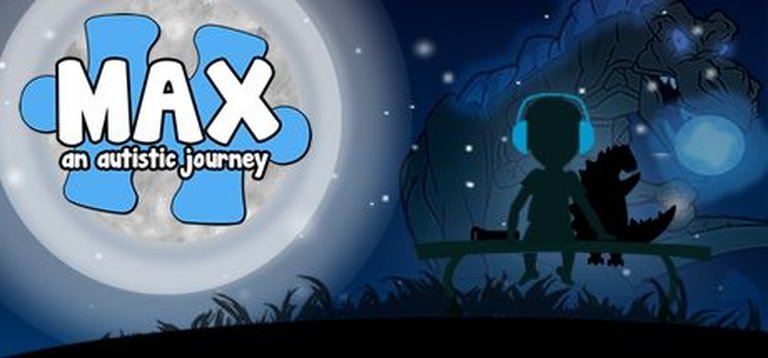
Max: An Autistic Journey is a retro-style role-playing game that immerses players in a single day of Max, an autistic boy based on the developer’s son. Set in a fantasy world with 2D scrolling visuals and turn-based mechanics, the game uses RPG segments and mini-games to portray Max’s everyday challenges—like getting dressed and navigating school—through his imaginative lens, offering an authentic and empathetic look at autism.
Gameplay Videos
Max: An Autistic Journey Cracks & Fixes
Max: An Autistic Journey Guides & Walkthroughs
Max: An Autistic Journey Reviews & Reception
metacritic.com (100/100): In my eyes this game was just heartwarming and explained a lot on how an autistic child’s or adult’s mind works.
gamegrin.com (77/100): It’s educational and fun at the same time.
Max: An Autistic Journey: A Landmark of Empathy in Interactive Media
In an industry often dominated by power fantasies and escapist spectacle, few games have ever attempted, let alone succeeded, in so profoundly and intimately rendering the interior life of a neurodivergent individual. Max: An Autistic Journey stands not as a blockbuster but as a quiet revolution—a heartfelt, meticulously crafted interactive documentary that uses the language of classic Japanese role-playing games (JRPGs) to translate the daily reality of autism spectrum disorder (ASD) into a form accessible and moving for neurotypical players. Developed by Stéphane Cantin as a collaborative project with his son Max, the game transcends its humble RPG Maker origins to become an essential historical document, a therapeutic tool, and a towering achievement in empathetic game design. This review will argue that Max: An Autistic Journey is a seminal work, whose legacy lies in its masterful synthesis of personal narrative and systemic gameplay to foster genuine understanding, and whose influence can be felt in the subsequent rise of “serious games” focused on mental health and neurodiversity.
Development History & Context: A Father’s Love in Code
The genesis of Max: An Autistic Journey is inseparable from the biography of its creator. Stéphane Cantin, under the studio banner Professional Imagination, developed the game not as a commercial venture first and foremost, but as an act of familial devotion and educational outreach. The game is explicitly based on his son Max, who was born with autism. This direct, lived-experience source material is the project’s greatest strength and its most significant ethical grounding, avoiding the pitfalls of external, clinical observation that can render such subjects as objects of study rather than people.
The game was released on August 19, 2016, for Windows. Its technological context is explicitly retro, built on the accessible but limited RPG Maker engine. This choice was both pragmatic and profound. The RPG Maker aesthetic immediately evokes the SNES-era JRPGs (like EarthBound or early Final Fantasy titles) that many players identify with childhood wonder and structured adventure. Cantin weaponized this nostalgic visual language, contrasting the colorful, pixelated fantasy of Max’s imagination with the more mundane, sometimes harsh, reality of his daily life. The “retro style” is not merely an aesthetic but a conceptual framework: it positions Max’s rich inner world as the epic, game-worthy adventure it feels like to him, while the “real world” challenges are rendered as RPG dungeon crawls.
The 2016 indie landscape was fertile for such personal projects. The maturation of digital storefronts like Steam, coupled with lowered barriers to entry for game development tools, allowed for an explosion of idiosyncratic, auteur-driven games. Max arrived in a year that also saw the release of titles like Night in the Woods (exploring mental health in a small town) and That Dragon, Cancer (a raw, autobiographical game about a child’s illness). It fits within this “indie emotional realism” movement but carves its own unique niche by focusing on a neurodevelopmental condition rarely explored with such specificity and respect in any medium, let alone games.
Narrative & Thematic Deep Dive: The Architecture of a Day
The narrative structure is deceptively simple: a single day in the life of ten-year-old Max, from waking up to a late-night power outage. This “extremely short timespan” is a masterstroke. By compressing the epic journey of an RPG into the scope of a weekday, the game forces a direct, unbroken confrontation with the cumulative weight of sensory, social, and routine-based challenges that define Max’s existence. There is no overarching villain; the antagonists are anxiety, misunderstanding, and sensory overload—manifested in-game as the “monsters” of Max’s imagination.
Max’s world is populated by two layers of reality:
1. The “Real” World: The home, the car ride, the school. Here, tasks are dictated by a pictogram schedule left by his father. Social rules are opaque and often painful.
2. The Imaginative World: A constant, intrusive fantasy layer where mundane objects (sock drawers, school lockers) become dungeons, and everyday social interactions transform into turn-based battles against literal monsters (slimes, dinosaurs, aliens). This “Fantasy Kitchen Sink” is justified perfectly: Max’s mind is not concerned with genre purity, only with categorizing and conquering his fears.
Key Themes & Depictions:
- Routine as Sanctuary & Rupture: The game opens with Max’s father establishing the day’s pictogram schedule. The opening of the wrong bathroom stall triggers immediate, visible distress. This is not portrayed as a tantrum but as a systemic collapse. The anxiety meter (a core UI element) visually charts this, moving from green (calm) to yellow to red (panic). This mechanic is the game’s most important educational tool, translating an internal emotional state into an intuitive, visible system for the player.
- Sensory Overload as Monster Swarm: The school hallway scene is pivotal. The cacophony of other children is rendered as a sea of roaring, monstrous creatures. Max can only navigate it safely after obtaining his noise-canceling headphones, a literal item that quiets the world. This brilliantly externalizes sensory hypersensitivity.
- Social Miscommunication & Innocent Insensitivity: Max’s interactions are fraught with “No Social Skills” and “Lack of Empathy” (both tropes listed in the source material). He bluntly tells a classmate he’s “boring,” not understanding the social consequence. He aggressively reclaims earmuffs he believes are his, only to discover they belonged to his classmate Mathis all along (“Not Evil, Just Misunderstood” applies to both boys in this scenario). These moments are framed not as malice but as cognitive gaps, often followed by confusion or a stern lecture from his teacher, Mrs. Caroline. The game brilliantly shows the consequences of these social errors on Max’s anxiety meter and social standing.
- Special Interests as Power Sources: Max’s encyclopedic knowledge of dinosaurs and his love for Five Nights at Freddy’s are not quirks; they are his cognitive anchors and sources of joy. His favorite toy, the “Not Zilla” “King of Monsters,” manifests as his imaginary friend/conscience, providing advice and calming presence. His deep-dive presentation on emperor penguins, where he “speaks fluent animal” to them, turns a school task into a triumphant, imaginative victory.
- Coping Mechanisms as Game Mechanics: The breathing mini-game is a perfect ludonarrative integration. When Max’s anxiety peaks, the player must rhythmically press keys in time with a visual cue to help him “breathe slowly and deeply.” Success prevents a “Heroic BSoD” (a meltdown). This simple interaction is the game’s most powerful empathy engine, forcing the player to perform the very regulation strategy Max uses. It later becomes a learned “skill” he can use in battles.
- Family as a Support System: The portrayal of Max’s family is uniformly positive (“Good Parents,” “Good Stepmother”). His father is inventive and patient (the pictograms, the driving mini-game map), his stepmother Gege is kind, and his brothers Jimmy and sister Elisabeth are shown as occasionally frustrated but ultimately supportive (“Aloof Big Brother” downplayed). The DLC, Max’s Birthday, further explores the family dynamic, notably showing Max’s father managing the coulrophobia (fear of clowns) crisis.
The narrative’s thesis is clear: Max’s autism is neither a tragedy nor a superpower. It is a different way of being, fraught with unique challenges but also containing profound depths of passion, imagination, and love. The story’s power comes from its mundanity transformed into significance.
Gameplay Mechanics & Systems: Anxiety as a Resource
Max: An Autistic Journey employs a traditional top-down, turn-based RPG system, but every mechanic is re-contextualized to serve its theme.
- Core Loop & Exploration: The player navigates Max’s home and school from a diagonal-down perspective, encountering preset enemies (the monsters of his imagination). Combat is “Pre-existing Encounters”—no random battles. This is a critical design choice. The encounters are expected and meaningful, tied directly to narrative beats (e.g., monsters in the sock drawer when getting dressed). This removes frustration and aligns with Max’s need for predictability.
- Combat System: A standard RPG Maker combat suite: Attack, Specials, Magic, Guard, Items. Max and later his siblings (Jimmy, Charles, Elisabeth) have unique skills. Max’s strongest ability is “Summon Magic”—calling forth the King of All Monsters. The system is functional but, as noted in the 3rd-strike review, can become “tiresome” and suffers from a “Guide Dang It!” issue with target selection (the game sometimes chooses a different enemy than the player intends, thwarting strategy). This minor flaw ironically mirrors Max’s own sense of losing control.
- Progression & Economy: Experience points are gained from defeating monsters and from completing real-world tasks (like finishing a presentation). Leveling up increases HP/MP. However, the game features a notable “Money for Nothing” quirk: coins are collected but have no meaningful use in the main game (the DLC adds a post-game shop, but it’s too late to matter). This is a missed opportunity to integrate a theme (perhaps buying comfort items or routine objects) but stands as an odd design relic.
- The Anxiety Meter as a Central Mechanic: This is the game’s defining systemic innovation. It’s not a player-managed “sanity” like in Amnesia, but a direct narrative readout. Events—being late, social conflict, sensory overload—fill it. If it fills completely, Max has a meltdown, leading to a game over or a severe penalty. The primary counter is the breathing mini-game. Later, this technique can be learned as a battle skill (“Calm”). This makes anxiety a tangible, managed resource, teaching the player that regulation is an active, exhausting process.
- Mini-Games as Thematic Set Pieces: The game is punctuated by diverse mini-games:
- The Car Ride: A timed, Pac-Man-esque maze where you navigate a road map, collecting fruit for achievements. It represents the structured, goal-oriented journey to school.
- The Penguin Presentation: A “Speaks Fluent Animal” dialogue puzzle where Max must correctly gather facts from penguins.
- Music Class: A rhythm-based game playing a psaltery.
- The Vaccination Shmup: An optional, bizarre, and intense shoot-’em-up that can be triggered, representing a profound fear.
These mini-games break up RPG monotony while directly illustrating specific challenges or special interests.
- Interface & User Experience: The UI is clear, with the anxiety meter always visible. The use of pictograms (visual reminders from Dad) is inspired, replacing text-heavy quest logs with intuitive icons. The save point is a friendly, large dinosaur (“Mr. Imagination” personified), reducing anxiety around saving.
The gameplay is not about challenge in a traditional sense; it’s about simulation and perspective. The systems are designed to make the player feel the constraints, anxieties, and coping strategies of autistic daily life, not to test their reflexes.
World-Building, Art & Sound: A Dichotomy of Perception
The game’s audio-visual presentation masterfully reinforces its dual-world narrative.
- Visual Style: A deliberate “Fantasy Kitchen Sink” aesthetic.
- Real World: Simple, pixelated top-down environments reminiscent of Pokémon or Mother. Characters have expressive, chibi-style portraits during dialogue, with clear facial expressions showing confusion, anger, or happiness. This style is accessible and nostalgic.
- Imaginative World: A more vibrant, sometimes surreal, fantasy palette. Monsters are drawn with a childlike sense of awe—slimes, goofy dinosaurs, aliens. The “King of Monsters” is a clear, affectionate parody of Godzilla. This visual separation makes it instantly clear when we are in Max’s head, and the whimsy of these designs contrasts poignantly with the “real” threats they represent.
- Pop Culture Shout-Outs: The game is peppered with affectionate references (Star Wars, Game of Thrones, Five Nights at Freddy’s, Lord of the Rings). These serve two purposes: they root Max’s imagination in shared cultural touchstones for the player, and they demonstrate how autistic special interests can hyper-focus on specific pop culture artifacts.
- Sound Design & Music: The soundtrack is a critical emotional conduit. The overworld theme is gentle and forward-moving. Battle music swells appropriately, sometimes with a heroic, Final Fantasy VII-esque brass section. Most importantly, the music dynamically underscores emotional shifts—becoming tense during anxious moments, somber during meltdowns, and warm during family scenes. The lack of voice acting is a budgetary constraint, but the text is concise and the character portraits do heavy lifting. The sound effects for monster encounters and jumpscares (in the blackout sequence) are intentionally jarring, simulating sensory shock.
Together, art and sound create a dichotomy of perception: the world is both ordinary and fantastical, terrifying and wonderful, depending on which lens—Max’s or the player’s—is being used.
Reception & Legacy: From Niche Curiosity to Educational Touchstone
Max: An Autistic Journey enjoyed a quietly positive critical and commercial reception. Its Steam reviews are “Very Positive” (81% of 65 reviews at time of writing), with many reviewers (like GameGrin‘s Anna Duncan) awarding perfect scores based on its emotional impact and educational value. A common refrain in user reviews is gratitude from parents and relatives of autistic individuals for providing a window into their loved one’s experience. Critic reviews were sparse (only one aggregated on Metacritic, also a 100), but the lone professional review echoed the sentiment: it’s “heartwarming,” “well made,” and “worth the money.”
Its legacy is multifaceted:
1. As an Educational Tool: The game has been cited in academic and therapeutic contexts (as noted by Gaming the Mind, a blog by mental health professionals). Its ability to simulate anxiety and coping mechanisms makes it a powerful empathy-building exercise, far more engaging than a pamphlet or documentary.
2. Within the “Serious Games” Movement: It stands as a benchmark for how to embed serious subject matter into traditional game genres without being either preachy or trivializing. It demonstrates that gameplay mechanics can be the message, not just a vehicle for a message.
3. Representation of Autism: It is frequently referenced in discussions of autism in media for its authentic, first-person perspective (via the developer/father). It avoids common tropes of the “magical autistic” or the purely tragic figure, showing Max as a whole child: imaginative, stubborn, loving, capable, and struggling.
4. Influence on Indie Design: Its success proved there was an audience for hyper-personal, emotionally resonant games built with accessible tools. It likely inspired other developers to explore neurodiversity and mental health through an interactive, rather than cinematic, lens.
5. A Cult Classic with a Mission: The developer’s commitment to donating a portion of proceeds to the Miriam Foundation, which supports people with ASD, cements its status as a project with a social conscience. Its low price point (often discounted to under $1) and modest commercial expectations mean it has never been “mainstream,” but its impact within its target communities is profound.
Conclusion: A Definitive Verdict on a Vital Game
Max: An Autistic Journey is not a perfect game. Its RPG combat can feel repetitive and occasionally unresponsive. Its systems are simple, and its scope is small. To judge it by the standards of a (Final Fantasy or The Witcher) is to miss its point entirely. To judge it as an interactive empathy simulator, however, it is nearly flawless.
Stéphane Cantin and Professional Imagination achieved something extraordinary. They took the universal language of the adventure game—a hero fighting monsters in dungeons—and recast every element to tell a specific, deeply personal, and universally human story about difference, anxiety, love, and resilience. The “monsters” are not to be slain for glory, but understood and managed. The “treasure” is not gold, but a completed pictogram schedule, a successful social interaction, or a moment of calm. The final “boss” is not a dark lord, but the all-consuming anxiety of a power outage, defeated through the support of family and self-regulation.
In the canon of video game history, Max: An Autistic Journey occupies a crucial, hallowed space. It is a testament to the medium’s unique power to foster perspective-taking. It is a work of scholarship disguised as a fairy tale, a love letter that serves as a Rosetta Stone for neurotypical audiences to begin understanding an autistic mind. It is a game that does not merely depict autism; it enacts its structural challenges and coping strategies through its very mechanics. For this reason, it is not just a good game about autism. It is one of the most important games ever made about the human condition. Its legacy is secure as a pioneering, compassionate, and enduring landmark in the evolution of interactive storytelling.
Final Score: 9.5/10 – An essential, educational, and deeply moving experience that transcends its technical limitations to become a work of profound historical and social significance.