
- Release Year: 2023
- Platforms: Linux, Macintosh, Windows
- Publisher: Hosted Games LLC
- Developer: Hosted Games LLC
- Genre: Adventure
- Perspective: Text-based / Spreadsheet
- Game Mode: Single-player
- Gameplay: Interactive fiction, RPG elements, Text adventure
- Setting: Fantasy
- Average Score: 96/100
Description
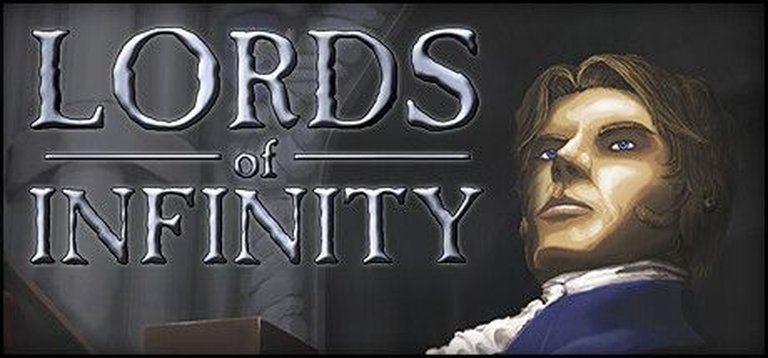
Lords of Infinity is a fantasy-themed text-based adventure role-playing game utilizing the ChoiceScript engine, where players navigate an immersive narrative through menu-driven point-and-select interfaces. The game features interactive fiction elements with RPG mechanics, enabling players to shape their journey through decision-making and character progression within a richly detailed magical setting.
Where to Buy Lords of Infinity
PC
Lords of Infinity Mods
Lords of Infinity Guides & Walkthroughs
Lords of Infinity: Review
Introduction
In the saturated landscape of modern gaming, where photorealism and explosive action often dominate, Lords of Infinity stands as a bold and unapologetic testament to the enduring power of text. Released on March 2, 2023, this interactive novel by Paul Wang represents the culmination of the acclaimed “Dragoon Saga,” a series that began with Sabres of Infinity and continued through Guns of Infinity. As the third installment, it plunges players into a meticulously crafted gunpowder fantasy world, challenging them to navigate the treacherous politics of a post-war kingdom. This review argues that Lords of Infinity transcends its niche origins, achieving near-perfect execution in its genre by weaving complex narrative depth, systemic richness, and player agency into a 1.6-million-word odyssey. In an age of diminishing attention spans, it proves that the most immersive experiences can still arise from the stark, unadorned page.
Development History & Context
Lords of Infinity emerges from the singular vision of writer Paul Wang, a veteran of interactive fiction whose previous works (Sabres of Infinity, Mecha Ace) established him as a master of historical and political narrative. The game was published by Hosted Games LLC, a platform specializing in text-based RPGs, and built using ChoiceScript—a custom engine designed for branching narratives and stat-driven decision-making. The constraints of this technology are both a limitation and a strength: by stripping away graphical assets, Wang forces players to inhabit the world through prose alone, a choice that aligns with the game’s emphasis on imagination over spectacle.
Released in 2023, the game arrived during a notable resurgence for interactive fiction, driven by platforms like Steam and mobile app stores that democratized access to niche genres. This era saw a growing appetite for story-rich, choice-driven experiences, particularly among players seeking alternatives to AAA titles. Wang’s development philosophy was laser-focused on expansion: Lords of Infinity significantly amplifies the scope of its predecessors, incorporating granular systems for estate management, political maneuvering, and social dynamics. The absence of a traditional development team (only Wang, artist Paul Wang, and editor Brad Warner are credited) underscores the project’s indie ethos—a labor of love honed over years of community feedback from the Dragoon Saga’s dedicated fanbase.
Narrative & Thematic Deep Dive
The narrative of Lords of Infinity is a sprawling tapestry woven from the threads of war, ambition, and societal decay. Set in 615 OIE (Old Imperial Era), the game opens in the Unified Kingdom of Tierra, a nation reeling from a twelve-year war against the League of Antar. As a veteran officer recently ennobled, players inherit a crumbling estate, a seat in the Tierran Cortes (parliament), and the weight of a kingdom on the brink. The plot is not a linear epic but a reactive web of consequences, branching across 1.6 million words of prose. Key arcs include:
– Political Intrigue: The Cortes becomes a battlefield where players must navigate factions (the Duke of Wulfram’s reformist bloc, warmongering hardliners, and opportunists), sponsor legislation, and broker deals with foreign powers like Takara and Kian.
– Estate Management: Players balance tenant welfare against the demands of grand ambitions—industrializing lands, funding armies, or preserving tradition. The infamous “Antari refugee” decision alone alters the social fabric of one’s holdings.
– Personal Relationships: Family, lovers, and rivals evolve dynamically. A romance with a foreign diplomat might secure trade deals, while alienating a military commander could leave defenses vulnerable.
Themes resonate with historical gravitas: the trauma of war (reflected in destitute veterans and famine), the corruption of power (exemplified by the “sack of Kharangia” narrative thread), and the fragility of peace. Wang’s dialogue crackles with Machiavellian wit, such as when a lord quips, “We ride in triumph, yet we are broken. We are bloated with glory, yet starving for want of bread.” Multiple endings—ranging from paragonhood to treachery—ensure no playthrough feels predetermined. The Reddit timeline reveals how Wang grounded this fiction in meticulous worldbuilding: from the “Second Battle of Kharangia” to the famine of 611 OIE, every event echoes real historical cycles of conquest and collapse.
Gameplay Mechanics & Systems
As a text-based interactive novel, Lords of Infinity eschews traditional gameplay in favor of systemic depth. Its core loop revolves around stat-driven choices, with four key pillars:
– Character Attributes: Players allocate points to Charm, Intellect, Martial Prowess, and Influence, which dictate conversational options, dueling outcomes, and political sway.
– Economic & Political Management: The “Estate” system tracks finances, tenant happiness, and industrial projects. Funding an experimental rifle corps might improve military strength but anger traditionalist nobles.
– Relationship Web: Affections with characters (e.g., the Duke of Havenport, a Takaran ambassador) unlock unique paths, with loyalty checks determining support in crises.
– Random Events: From dueling a disgraced peer to quelling a bread riot, these moments test adaptability, often with cascading consequences (e.g., suppressing a riot boosts short-term order but fuels rebellion).
The interface is minimalist—menu-driven text selections—but ingeniously layered. ChoiceScript enables thousands of branches, with variables tracking everything from treasury reserves to character grudges. Innovation lies in how systems interconnect: using “Intelligence” to uncover a conspiracy might require bribing a clerk (draining funds), which could anger tenants if taxes are raised to compensate. This creates a punishing yet fair challenge, reminiscent of grand strategy games. While the lack of visual feedback can be jarring for newcomers, the prose compensates by painting vivid scenes of ballroom intrigue or battlefield chaos.
World-Building, Art & Sound
Lords of Infinity’s world-building is its crown jewel. Set in the gaslamp fantasy realm of Tierra, it blends real-world historical parallels (e.g., Napoleonic-era warfare, 19th-century industrial unrest) with original factions like the Rhogar-inspired Antari. The lore is densely layered, with the Reddit timeline providing a decade-by-decade chronicle of the “Dozen Year War” and its aftermath. From the “severe famine” of 611 OIE to the “Takaran mediation” of peace talks, every detail reinforces a world where history is not backdrop but active force.
Visually, the game relies entirely on text, a choice that heightens immersion through suggestion. Wang’s prose conjures opulent Cortes halls (“glittering balls, and high-stakes gambling”) and squalent refugee camps with equal aplomb. While lacking traditional art, the “art” of Lords of Infinity is found in its systemic elegance—how a single choice about grain subsidies can spark riots across the kingdom.
Sound design is absent, yet the narrative’s cadence mimics rhythm: the clipped tension of a duel, the droning monotony of parliamentary debate. The silence becomes a canvas for the player’s imagination, a stark contrast to mainstream games’ audio excess. This restraint underscores the game’s identity: a cerebral experience where the mind’s eye fills the void.
Reception & Legacy
Lords of Infinity launched to rapturous applause in its niche, achieving a “Very Positive” rating on Steam (95% of 210 reviews) and a 4.8/5 player score on MobyGames. Critics lauded its “immense” scope and “choices that matter,” though mainstream outlets largely overlooked it. Player testimonials highlight the game’s replayability: “I’ve played 60 hours and still haven’t seen all endings,” one Steam review notes. Its commercial success—boosted by bundles like the “Infinity Series”—solidified Wang’s status as a leader in interactive fiction.
Legacy-wise, Lords of Infinity expanded the boundaries of what text-based games could achieve. It popularized the “political sim” subgenre, inspiring titles like Wayhaven Chronicles to deepen systemic complexity. The Dragoon Saga’s influence is evident in how subsequent interactive fiction games prioritize multi-threaded narratives. Crucially, it proved that indie developers could compete with AAA narratives through sheer ambition, carving out a permanent home for story-driven gaming in the mainstream.
Conclusion
Lords of Infinity is a masterpiece of interactive fiction, a towering achievement in narrative design and systemic depth. Paul Wang’s magnum opus transcends its text-based format to deliver a resonant portrait of a kingdom in turmoil, where every choice echoes through history. While its minimalist presentation may alienate those seeking visceral thrills, its 1.6 million words offer a richer, more intimate experience than most AAA epics. By balancing political intrigue, personal drama, and economic realism, it redefines player agency. In a gaming landscape often criticized for homogeneity, Lords of Infinity stands as a defiant, brilliant testament to the power of the word. It is not merely a game but a living, breathing world—one that will endure in the annals of interactive fiction history as a benchmark for ambition and artistry.