
- Release Year: 2018
- Platforms: Arcade, Blacknut, Nintendo Switch, PlayStation 4, PlayStation 5, Windows
- Publisher: AOne Games SpA, Eastasiasoft Limited, Unico Inc.
- Developer: AOne Games SpA
- Genre: Action
- Perspective: Side view
- Game Mode: Single-player
- Gameplay: Fighting
- Setting: Fantasy
- Average Score: 63/100
Description
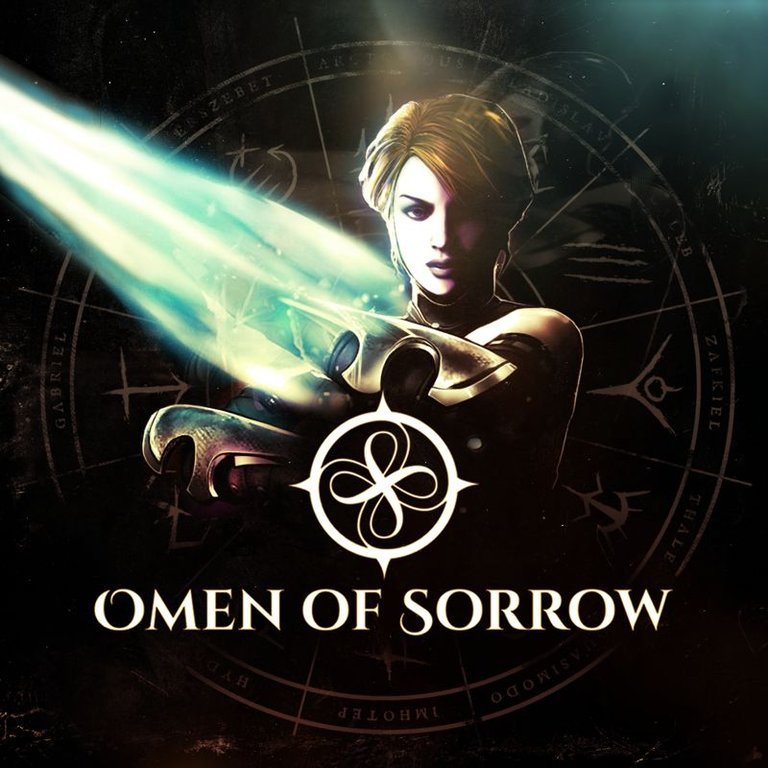
Omen of Sorrow is a 2D side-scrolling fighting game set in a dark fantasy horror universe, featuring a roster of uniquely designed characters with distinct abilities and movesets. Developed by AOne Games SpA, this indie title blends gothic aesthetics with competitive gameplay, available across multiple platforms including PlayStation, Windows, and Nintendo Switch, appealing to fans of both fighting games and dark fantasy themes.
Gameplay Videos
Where to Buy Omen of Sorrow
PC
Omen of Sorrow Free Download
Omen of Sorrow Patches & Updates
Omen of Sorrow Mods
Omen of Sorrow Guides & Walkthroughs
Omen of Sorrow Reviews & Reception
metacritic.com (64/100): It’s great to see a new ‘contenter’ in a category of games occupied by giants. Omen of Sorrow is by no means a perfect game, but what it tries to do it does it right and it paves the way for AOne games to become a major player in the genre.
opencritic.com (62/100): I’m not saying Omen of Sorrow is a bad game in the slightest, I just think it definitely is missing a real personality to make it worth paying the $50.
Omen of Sorrow: Review
Introduction
In the pantheon of fighting games, few genres demand such precision, passion, and polish as the 2D fighter. Yet, amid titans like Street Fighter and Mortal Kombat, occasionally a challenger emerges from unexpected corners to challenge the hierarchy. Such is the case with Omen of Sorrow, a 2018 release from Chilean developer AOne Games that promised to resurrect the grim, gothic spirit of classic arcade brawlers while injecting modern sensibilities. Conceived as a love letter to horror folklore and arcade-era mechanics, it arrives as a flawed, ambitious artifact—a passion project steeped in dark fantasy but hampered by technical and narrative inconsistencies. This review dissects Omen of Sorrow through the lens of its development, design, and cultural impact, asking whether its innovative vision outweighs its executional failings.
Development History & Context
Studio and Vision
AOne Games, a Santiago-based studio founded by veterans of the cult-hit Zeno Clash developer Ace Team, entered Omen of Sorrow as a bold debut. Their vision, articulated by director Sebastian Gana and lead designer Felipe Muñoz, was twofold: to create a “classic 2D, four-button fighting game” powered by Unreal Engine 4, and to ground it in a world of “classical horror, fantasy, and mythology.” The team drew deeply from European folklore—Dracula, Frankenstein’s Monster, and the Hunchback of Notre-Dame—infusing these archetypes with fresh backstories. As Gana noted, “We’ve always been horror fans… such a rich tapestry to draw from.” This creative DNA aimed to carve a niche in a genre dominated by Japanese aesthetics, offering a distinctly Western gothic sensibility.
Technological Constraints
Unreal Engine 4 enabled lush 2.5D visuals with dynamic lighting inspired by Caravaggio and Rembrandt, yet technical limitations shadowed the project. The team prioritized gameplay fidelity over graphical spectacle, eschewing 4K/60fps on PlayStation 4 Pro due to performance concerns. “We chose to put gameplay first,” Gana explained. Online multiplayer required custom solutions; AOne developed proprietary “Game Weaver” netcode to support cross-platform play—a rarity for 2018—integrating GGPO rollback for smoother matches. However, these ambitions clashed with resource constraints. The small team struggled with optimization, leading to infamous loading times that plagued all versions. As one critic lamented, “loading times are a killer to the fighter genre.”
Gaming Landscape
Released in November 2018, Omen of Sorrow entered a saturated market. The fighting genre was reeling from the success of Dragon Ball FighterZ and the impending arrival of Mortal Kombat 11, both AAA juggernauts with polished netcode and robust content. As an indie title, AOne Games competed on innovation rather than scale. Their pitch—skill-based combat, character-driven horror, and crossplay—resonated with niche audiences but struggled against the genre’s established hierarchies. The 2018 PlayStation Experience had hyped the game as a sizzle-reel standout, yet post-launch, it was overshadowed by its peers, its ambitions outpacing its reach.
Narrative & Thematic Deep Dive
Plot and Structure
The narrative, delivered through a three-chapter Story Mode, attempts to weave a mythology around its roster. At its core is Thalessa, the “Invisible Queen,” a shadowy tyrant seeking to reshape the world by unleashing monsters. Chapters explore character origins—e.g., Vladislav III’s quest to regain humanity after becoming a vampire, or Radegonda’s transformation from a grieving heiress into a vengeful gargoyle. Yet, the plot is widely derided as incoherent and disjointed. The Indie Game Website reviewer noted it felt like “the finale” first, with stakes “lowered as you play,” while dialogue was dismissed as “hammiest I’ve ever heard.” The narrative’s ambition—creating a “world that was real to them”—collided with budgetary limits, resulting in a disjointed, lore-heavy but emotionally hollow experience.
Characters and Motivations
The 12-character roster is Omen of Sorrow’s strongest asset, reimagined literary icons with tragic depth:
– Vladislav III: A vampire count who seeks redemption, using teleportation and blood-based combos.
– Adam: Dr. Frankenstein’s monster, a grappler with electrical attacks yearning for connection.
– Zafkiel: A fallen angel wielding holy wings, driven by 250 years of monster hunting.
– Dr. Hyde: A Jekyll/Hyde hybrid trapped between personas, a “genius bruiser” with debuffing projectiles.
Each character’s design reflects their mythology, from Quasimodo’s cybernetic arm to Erzsébet’s “Bloody Murder” blood manipulation. However, their stories are underexplored, reduced to melodramatic tropes. As TV Tropes notes, the game leans into “Slouch of Villainy” and “That Man Is Dead” clichés without subverting them, leaving motivations paper-thin.
Dialogue and Themes
Dialogue is the narrative’s Achilles’ heel. Lines like “monsters lurk in the darkness” and “chaos reigns” are delivered with stilted gravitas, while the narrator’s “adult acting” tone clashes with the B-movie absurdity. Themes of fate, corruption, and redemption are tethered to the Fortune gauge mechanic—aggression versus defense—but the narrative fails to embody them thematically. The game’s horror tone is undermined by tonal whiplash, oscillating between gothic dread and unintentional camp. As Cubed3 critiqued, it was “reluctant to go wild with its theme,” missing an opportunity to echo Mortal Kombat’s transgressive edge.
Gameplay Mechanics & Systems
Core Combat Loop
Omen of Sorrow’s combat revolves around the “Fortune” gauge, a dynamic meter that rewards aggression. Moving forward or landing attacks fills it, while retreating or taking damage drains it. When maxed, players enter “Blessed” mode, enabling free-form combo cancels for custom strings. Depleting the gauge triggers “Doomed” state, disabling supers and forcing defensive play. This system, inspired by modern Mortal Kombat but distinct, creates a high-risk, high-reward flow. As MKAU Gaming noted, it “rewards aggressive play,” encouraging players to “strategize on the fly.” However, the lack of a traditional block mechanic simplifies defense, leading to spammy tactics.
Character Progression and Balance
With 12 launch characters, the roster offers diverse archetypes: Imhotep (zoning minions), Radegonda (air superiority), and Gabriel (projectile-based mobility). Each has unique command grabs, supers, and stage interactions—e.g., Vladislav III biting foes for health. Yet, balance issues persist. Some characters like Caleb (the “Lost Samaritan” werewolf) feel overpowered with aggressive rushdown, while slower fighters like Dr. Hyde struggle against zoning. Progression is limited to unlockable art and intros, offering little incentive beyond Mastery modes. The AI, even on “Very Hard,” is easily cheesed, rendering Arcade and Survival modes tedious.
UI and Systems
The menu UI is functional but unremarkable, lacking a tutorial to explain complex mechanics like Fortune management. Local multiplayer shines, but online play is crippled by a small player base and matchmaking flaws. One reviewer noted being paired against a “player with over 240 wins” after ten attempts. Patches improved netcode and load times, but core issues persisted. The “Game Weaver” netcode was a technical triumph, yet its potential was wasted on a dwindling community.
World-Building, Art & Sound
Setting and Atmosphere
The game’s stages are triumphs of environmental storytelling. Locations like Dr. Frankenstein’s lab (with bubbling cauldrons and Tesla coils), a burning windmill, and Dracula’s castle evoke classic horror iconography. Each stage hides Easter eggs—e.g., hidden portraits or dynamic events—rewarding exploration. This attention to detail, as Gana noted, was a “labor of love,” aiming to make the world “feel real.” The atmosphere is thick with gothic dread, amplified by dynamic lighting and particle effects like swirling mist and blood splatters.
Visual Direction
Art direction, led by Gonzalo “Genzoman” Ordoñez, blends painterly textures with cel-shaded characters. Character models are detailed—Radegonda’s stone skin, Imhotep’s bandaged decay—but animations often feel stiff, with jerky transitions during supers. Visual fidelity varies by platform; the Switch version suffers from downgraded textures, while the PS4/PC versions leverage UE4 for richer environments. Cinematic finishers, though brief, add flair, with Vladislav III draining foes or Adam electrocuting enemies in gory tableaus.
Sound Design
Francisco Cerda’s score is a standout, blending orchestral horror with industrial beats that pulse with combat intensity. Tracks like “Thalessa’s Theme” and Gabriel’s theme capture characters’ essences, while stage-specific music (e.g., church organs for Quasimodo’s arena) enhances immersion. Sound effects are crisp—clangs of steel, roars of beasts—though voice acting is uneven. Zafkiel’s lines soar with angelic clarity, but Thalessa’s delivery feels flat, undermining her menace.
Reception & Legacy
Launch Reception
Omen of Sorrow debuted to mixed reviews. Aggregators scored it 64 on Metacritic, with critics praising art and mechanics but decrying content and polish. MKAU Gaming called it “a fantastic indie fighter from Chile” with “unique character design,” while Digitally Downloaded deemed it a “missed opportunity” for playing it “too safe.” The most scathing critique came from TheSixthAxis, branding it “flaccid” and “broken,” though PlayStation LifeStyle lauded its “fascinating mechanics.” User reviews were equally divided, with Steam players later awarding it a “Mostly Positive” 73% after ports and price drops.
Evolution of Reputation
Over time, Omen of Sorrow found a cult audience. Ports to PC, Switch, and PS5 (2023) expanded its reach, while patches addressed netcode and AI. Its unique Fortune gauge and roster of horror icons became talking points in fighting game circles, with some comparing its Blessed mode to Injustice’s mechanics. However, commercial success eluded it; its £45 launch price was criticized as “damning” for a “bargain bucket” experience. As OpenCritic noted, it ranked in the 20th percentile of reviewed games—a reflection of its niche appeal.
Influence and Legacy
As an indie fighter, Omen of Sorrow demonstrated that passion projects could innovate. Its crossplay netcode and Fortune system influenced smaller titles like Under Night In-Birth EXE: Late [st], though it never reached their competitive heights. Culturally, it stands as a testament to Chile’s growing game development scene and the enduring appeal of horror in gaming. Yet, its legacy is cautionary: ambition without polish risks obscurity. As one fan wrote, “If a sequel were to happen, AOne Games has something solid to build upon.”
Conclusion
Omen of Sorrow is a game of duality: a triumph of artistic vision undermined by technical and narrative shortcomings. Its roster of horror icons, Fortune-based combat, and gothic aesthetic make it a standout in the fighting genre, yet its incoherent story, imbalanced gameplay, and launch-day bugs prevent it from reaching greatness. For players seeking a niche, atmospheric brawler with a passion-fueled soul, it offers moments of brilliance—especially in local play and character design. For competitive fighters, it remains a curiosity. Ultimately, Omen of Sorrow is less a finished product and more a tantalizing blueprint—a reminder that in the crowded arena of fighting games, even the most passionate challengers must master both art and execution to endure. Its place in history? A flawed, fascinating footnote in the genre’s evolution, and a testament to the courage of developers who dare to defy the darkness.