
- Release Year: 2016
- Platforms: Windows
- Publisher: Suits & Sandals
- Developer: Suits & Sandals
- Genre: Action
- Perspective: Side view
- Game Mode: Single-player
- Gameplay: Boss battles, Bullet deflection, Dash, Platform
- Setting: Fantasy
- Average Score: 89/100
Description
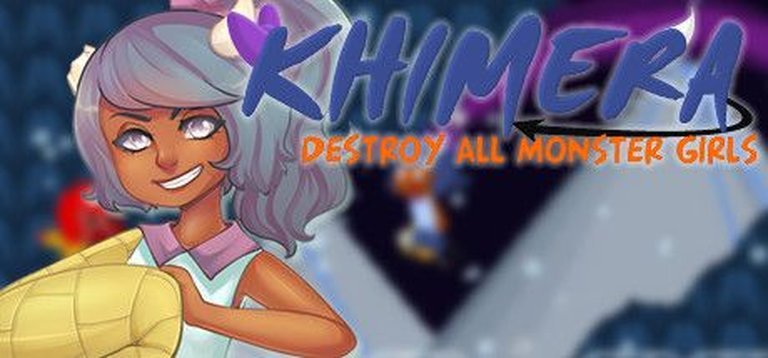
Khimera: Destroy All Monster Girls is a 2D platformer set on the Mediterranean island of Morgana, where a peaceful monster community faces invasion by pirate raiders. Players take control of Chelshia, a synthetic chimera created by a professor to defend the island, using her unique hybrid DNA (combining human, golem, harpy, oni, and mermaid traits) and combat abilities like a giant stone fist, bullet deflection, and dash attacks. Drawing inspiration from classic titles like Mega Man, the game allows Chelshia to acquire new skills by defeating enemies, blending action, platforming, and a cute, humorous art style.
Gameplay Videos
Where to Buy Khimera: Destroy All Monster Girls
PC
Khimera: Destroy All Monster Girls Guides & Walkthroughs
Khimera: Destroy All Monster Girls Reviews & Reception
metacritic.com (83/100): This is a game I’d easily recommend to anyone who’s fond of the platformer genre, without a shadow of a doubt, and one that’s made its way into my personal top five favorite games list.
goldplatedgames.com : The net result is an excellent retro platformer that’ll take you upwards of two hours to beat, and plenty more if you go secret hunting.
Khimera: Destroy All Monster Girls Cheats & Codes
PC
Enter code at the ‘CAKEBOY’ title screen.
| Code | Effect |
|---|---|
| 1, 2 | Changes the starting level in CAKEBOY. Game starts at displayed number + 1. |
Khimera: Destroy All Monster Girls: Review
In the crowded landscape of independent platformers, few titles manage to carve out a niche as distinct and delightful as Khimera: Destroy All Monster Girls. Hailing from the prolific indie studio Suits & Sandals, this free-to-beat-em-up gem arrived in 2016 as a love letter to 8-bit and 16-bit classics, yet blossomed into something uniquely its own. With its endearing chimera protagonist, vibrant monster-girl-filled world, and surprising depth, Khimera defies its humble price tag to deliver a polished, challenging, and endlessly charming experience. This review delves into the heart of this cult classic, exploring its genesis, its masterful blend of retro inspiration and modern design, and its lasting legacy as a beacon of indie craftsmanship.
Development History & Context
Khimera: Destroy All Monster Girls emerged from the creative crucible of Suits & Sandals, a studio already recognized for its quirky, character-driven titles like the Mandew vs. series and Vista Quest. Released on April 15, 2016, after successfully navigating Steam Greenlight, the game was developed using the accessible yet powerful GameMaker engine. This choice allowed the small team to focus on gameplay and artistry without being bogged down by complex engine limitations. The core vision was explicitly nostalgic: to capture the essence of classic platformers such as Mega Man and Shantae, where defeating bosses grants new abilities, while infusing it with a unique, lighthearted monster-girl theme.
The technological constraints of GameMaker, while not prohibitive, were evident in the game’s sprite-based presentation, which the team turned to its advantage by crafting a highly detailed and expressive 2D world. The release context of 2016 was particularly fortuitous. The indie scene was thriving, with platforms like Steam providing unprecedented access for small developers. Khimera capitalized on this by offering a substantial, complete experience entirely for free – a bold move that instantly set it apart from the deluge of paid indie titles. Its “commercial” model on MobyGames belies its reality as a passion project offered as freeware, with only a single $1 DLC costume available. This decision to prioritize player goodwill over profit fostered immense goodwill and community loyalty, a testament to the team’s confidence in their creation.
Narrative & Thematic Deep Dive
The narrative of Khimera is deceptively simple yet executed with remarkable charm and wit. The story unfolds on the idyllic Mediterranean island of Morgana, home to a thriving community of diverse monster girls. This peaceful existence is shattered when the “Sea Spiders,” a crew of rogue and surprisingly charismatic pirates, invade and plunder the island’s riches. In a moment of desperation, the island’s eccentric professor unleashes his greatest creation: Chelshia, the world’s first synthetic chimera. A biological marvel combining human, golem, harpy, oni, and even mermaid DNA (revealed via developer tweets and the Harvest Event), Chelshia is born with a singular purpose: to defeat the pirates and reclaim the stolen treasure.
The narrative strength lies not in epic scope, but in its vibrant character interactions and self-aware humor. The Sea Spiders are not one-dimensional villains. Led by the arachne captain Anchovy (a pizza-themed slime whose hair is literally made of pizza), the crew includes the fiery harpy Amelia, the naga Serpantina, the mimic Mimi, and the cybernetic DJ Doroko. Each boss fight is preceded by introductions that reveal distinct personalities, from Amelia’s burning frustration over rejected corporate designs to Mimi’s surprising 300-year age and hidden piano-playing talent (detailed in Harvest Event notebooks). The dialogue crackles with meta-humor, referencing internet memes (“Marisa Stole the Precious Thing”), gaming tropes (“Never skip Leg Day”), and even the studio’s own previous works (Continuity Nods to Mandew and Vista Quest). The main hub, Ragazza Town (“Ragazza” being Italian for “girl”), serves as a living, breathing world where defeated pirates become residents, side quests emerge (like the intricate Chain of Deals), and characters react dynamically to the player’s progress.
Underpinning the whimsy are subtle themes of found family and redemption. Chelshia, a “0-day-old” synthetic being, is embraced by Bernadette (the professor’s assistant, who harbors a crush on him) and the townsfolk. The defeated pirates, particularly their leader, are offered paths to redemption, integrating into the community they once terrorized. The Harvest Event DLC further explores this, showing the pirates settling down and contributing positively. Even the optional “bad ending,” where Chelshia joins the pirates, carries a darkly comedic weight, contrasting with the game’s generally benevolent tone. The narrative succeeds by prioritizing personality and connection over grand plot, making every NPC encounter feel rewarding.
Gameplay Mechanics & Systems
Khimera is a masterclass in 2D platforming mechanics, distilled to its purest and most enjoyable form. At its core is Chelshia herself, a “Lightning Bruiser” defined by her Giant Stone Fist. This isn’t just a cosmetic feature; it’s the key to interaction. Chelshia can:
* Punch: Standard attacks that deflect bullets and shatter obstacles.
* Dash: A swift invincible lunge that is the cornerstone of combat and traversal. Mastering its timing is crucial for navigating enemy patterns and reaching secrets.
* Ground Pound: A powerful downward smash that can break floors and damage enemies below.
* Use Acquired Abilities: Defeating bosses grants permanent DNA-based upgrades, a clear homage to Mega Man:
* Golem Hand: Enhanced ground pound (“Summon up the power of the Golem Hand!” – a shout-out to God Hand).
* Mermaid Anchor: A giant anchor hand for aerial attacks and breaking ceilings.
* Demon Fire: Unleashes a powerful fire punch when at full health.
* Treasure Box: A Kirby-esque stone form that grants temporary invincibility and allows defeating the mimic Mimi with her own technique.
The game employs a non-linear, Metroidvania-lite structure. After a mandatory introductory stage, the world map opens, allowing players to tackle four primary levels (Ragazza Plains, Sky Fortress, Mt. Afrokupa, Pumpkin Valley) in any order. Each culminates in a boss fight granting a key ability. Four optional EX levels (Windy Way, Brine Cave, Tower of Power, Icy Path) are hidden and require specific abilities to access, often housing optional bosses like the shark-bear hybrid Chibeara and rewarding players with even more powerful tools. This design encourages exploration and experimentation backtracking.
Combat is brisk and satisfying. While enemies range from basic Floof Pirates (one-punch kills) to Bombardier Witches lobbing potions, the dash’s invincibility window makes Chelshia feel powerful. Boss battles, while sometimes susceptible to spam-dashing, are well-designed with unique patterns and arenas (e.g., Mimi forcing you to use her own box form against her spiked traps). The Boss Rush in the final act is a frantic, Dr. Wily-style gauntlet.
Progression is multifaceted:
* Health Upgrades: The Gourmet Gal appears in secret areas, offering food that permanently increases max health.
* Collectibles: Notebooks (scattered throughout levels) fill the Monster Compendium with lore on enemies and characters. Trapped Fairies (found in cages) provide a major reward upon freeing all of them.
* Side Quests: The Chain of Deals involves a complex sequence of trades across NPCs, culminating in a valuable Power-Up Magnet (Lucky Chax Doll).
* Costumes: Primarily cosmetic, except for the Berserker outfit, which triples damage but reduces Chelshia to a “Glass Cannon,” enabling speedrun-focused medals.
Anti-Frustration Features are brilliantly implemented. Dying doesn’t erase found secrets; you respawn at the last checkpoint instantly (skippable death screen). The Boss Rush kitchen allows a full health refill. The game’s difficulty curve is steep but fair, demanding precision without feeling punitive. The Scoring System (based on treasure collected) and Ranking System (A-S based on time and deaths) add replay value for competitive players.
World-Building, Art & Sound
Khimera‘s world is a testament to Suits & Sandals’ world-building prowess. Morgana Island is a Fantasy Kitchen Sink teeming with charm. The central hub, Ragazza Town, is a masterpiece of environmental storytelling. Its Italian-inspired name and architecture (“Ragazza” = “Girl”) create a warm, Mediterranean vibe. The town is populated by an Improbably Female Cast of memorable NPCs: the shy, mouth-faced toy shop owner; the gossiping maids (one a visual expy of Undertale‘s Muffet); the cyclops girl who rips out her eye (which grows back); the talking cat Nyazine (who documents the Monster Compendium); and the red bird Faltzite (a nod to Mandew vs. the Upside Down Machine). As players progress, NPCs from the EX levels move into town, and defeated bosses are found locked in jail, offering further dialogue. This makes the world feel alive and reactive.
The level design is equally inspired. Each stage is distinct thematically and visually:
* Ragazza Plains: Rolling hills dotted with windmills and pirate encampments.
* Sky Fortress: Aerial platforms and airships.
* Mt. Afrokupa: A Hailfire Peaks level, transitioning from snowy peaks to a volcanic cave interior.
* Pumpkin Valley: A whimsical Halloween-themed area with giant vegetables.
* The Oil Rig (Pacifica’s Stage): A gritty industrial setting with underwater sections.
* The Black Widow (Serpantina’s Stage): A dark, vine-covered jungle.
* Mechanical Mayhem: The final gauntlet, featuring a rising spike floor and a Dr. Wily-esque door sequence.
The Art Direction is a vibrant blend of retro pixel art and Animesque charm. Character sprites are exceptionally expressive, with fluid animations for Chelshia’s movements, enemy attacks, and NPC reactions (like Overly Nervous Flop Sweat with swirly Wingding Eyes). The environments, while sometimes using tile repetition (noted by critics), are rich in detail, from the bubbling lava of Mt. Afrokupa’s depths to the clanking machinery of the Oil Rig. The monster girl designs are consistently delightful and diverse, avoiding monotony.
The Sound Design is a standout element. The original soundtrack, composed by the developer, is remarkably catchy and memorable. Tracks like the jaunty “Ragazza Plains,” the intense “The Pirate Captain,” and the atmospheric “Harvestvania” (for the DLC) elevate the experience. Sound effects are crisp and satisfying – the thwack of the fist, the ping of a deflected bullet, the splat of a pizza attack. The lack of voice acting is irrelevant; the written text, delivered with character through expressive portraits and onomatopoeia, conveys personality perfectly. The April Fools 2018 update, flipping the entire game upside down (with F5 to revert), was a brilliant and humorous use of the interface screw mechanic.
Reception & Legacy
Upon its 2016 release, Khimera: Destroy All Monster Girls flew somewhat under the radar of major publications, but it quickly found a dedicated audience through the power of word-of-mouth and its free price tag. Its reception evolved from a hidden gem to a certified cult classic. On Steam, it boasts an Overwhelmingly Positive rating (95% based on 1,394+ reviews as of late 2025), with a Metacritic User Score of 8.3/10. Player reviews consistently praise its incredible value, tight controls, charming art, infectious music, and surprising depth for a free title. One reviewer noted, “I’ve personally 100% completed the game more than fifteen times,” highlighting its replayability. Critics like Audish from Gold-Plated Games compared it favorably to Shovel Knight, calling it “an excellent retro platformer” and justifying ridicule for not playing it. Its impact is most profoundly felt within the indie community.
Khimera‘s legacy is multifaceted. First, it stands as a benchmark for quality freeware, proving that a zero-dollar price point does not equate to low production value. It demonstrated that a passionate small team could deliver a complete, polished experience rivaling commercial releases. Second, its influence on the indie scene is evident in its successful blend of retro inspiration with modern conveniences (anti-frustration features, non-linear design, robust collectibles). Third, it cemented Suits & Sandals’ reputation as a studio with a distinct voice and a knack for creating lovable characters and worlds. This led directly to a spin-off, Khimera: Puzzle Island (2020), a nonogram puzzle game expanding the universe. The core Khimera game itself received continued support, with significant updates adding features like the Sound Test (v3.0) and the Harvest Event DLC in November 2020, which added new levels, bosses (like the Pumpkin King), and extensive lore notebooks. The stinger ending – a cryptic conversation between silhouetted figures hinting at future plans for Morgana Island – remains a tantalizing sequel hook that the community eagerly awaits. Its presence in numerous “Best Free Games” lists and enduring popularity on platforms like itch.io (where it maintains a high 4.9/5 rating) solidify its place in video game history as a beloved, genre-defining indie triumph.
Conclusion
Khimera: Destroy All Monster Girls is far more than just another free indie platformer; it is a meticulously crafted love letter to gaming’s past that carves out its own vibrant identity. Suits & Sandals achieved the remarkable feat of delivering a complete, challenging, and endlessly charming experience without asking for a single cent. The game excels in every facet: its tight, responsive gameplay mechanics centered on the mighty stone fist; its richly detailed world populated by endearing monster girls and witty NPCs; its stunning blend of retro pixel art and Animesque charm; and its infectiously catchy soundtrack. While the narrative is simple, its strength lies in character-driven humor and a surprisingly poignant theme of found family and redemption.
The non-linear structure, rewarding collectibles, and boss ability system provide depth and replayability that belies the game’s initial appearance. Its legacy is secure as a benchmark for freeware quality and a beloved cult classic that continues to delight players and inspire developers. It stands as a testament to the power of passion projects, proving that great games can indeed be found in the unlikeliest of places – even for free. For anyone who cherished the golden age of 2D platformers or appreciates games brimming with heart and humor, Khimera: Destroy All Monster Girls is not just recommended; it is an essential piece of interactive art that has rightfully earned its place in the pantheon of great indie games. Its stone fist may be giant, but its impact on the hearts of players is truly monumental.