
- Release Year: 2015
- Platforms: Windows
- Publisher: Deck13 Interactive GmbH
- Developer: Deck13 Interactive GmbH
- Genre: Action, Strategy, Tactics
- Perspective: 3rd-person (Other)
- Game Mode: Co-op
- Gameplay: Shooter
- Average Score: 67/100
Description
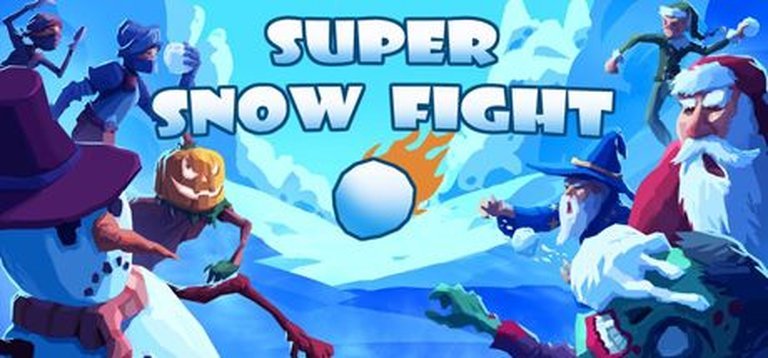
Super Snow Fight is a multiplayer action-strategy game set in a snowy arena where players engage in chaotic combat using snowballs, dynamite traps, and summoned snowmen. Released in 2015 for Windows, it features third-person diagonal-down perspective, direct controls, and split-screen local support for up to players using gamepads, keyboards, or mice.
Where to Buy Super Snow Fight
PC
Super Snow Fight Guides & Walkthroughs
Super Snow Fight Reviews & Reception
opencritic.com (55/100): Super Snow Fight is a fun but shallow experience.
metacritic.com (55/100): Super Snow Fight is a fun but shallow experience.
worthplaying.com : Super Snow Fight isn’t that kind of game. It embraces simplicity from concept to gameplay, for better or worse.
thegamerslibrary.com : While this game is not the greatest, it is fun for what it is.
Super Snow Fight: Review
Introduction
The crisp crunch of snow underfoot, the ephemeral joy of a perfectly aimed snowball, and the unadulterated chaos of a winter skirmish—these are the primal thrills that Super Snow Fight promises to bottle into a digital experience. Released on November 24, 2015, this indie multiplayer brawler, developed by Patrick God and published by Deck13 Interactive, arrives as a niche yet spirited contender in the crowded arena of local multiplayer games. Its legacy is not one of revolution but of refined simplicity: a tribute to the timeless appeal of snowy combat, stripped of pretense but brimming with chaotic potential. This review argues that while Super Snow Fight excels as a accessible, pick-up-and-play party game for short sessions, its shallow content, lack of innovation, and technical limitations prevent it from transcending its “fun but fleeting” status.
Development History & Context
Super Snow Fight emerged from the mind of solo developer Patrick God, a project built within the Unity engine—a pragmatic choice for a small-scale indie venture aiming to deliver cross-platform compatibility (Windows, Mac, Linux). Deck13 Interactive, primarily known for darker, action-RPGs like The Surge, served as publisher, an unusual pairing that highlights the game’s status as a passion project. Released in late 2015—a year dominated by indie darlings like Undertale and Rocket League—Super Snow Fight capitalized on the growing demand for accessible multiplayer experiences in the PC space. Its vision was clear: to replicate the kinetic, low-stakes fun of real-life snowball fights, amplified by over-the-top power-ups and arena-based chaos. However, the constraints of a small team are evident: sparse content, rudimentary visuals, and the absence of online multiplayer (despite community requests) reflect the realities of limited resources. The game’s $4.99 price point underscored its identity as a budget-friendly, no-frills alternative to AAA multiplayer offerings.
Narrative & Thematic Deep Dive
Narrative? What narrative? Super Snow Fight abandons traditional storytelling, instead embracing a purely situational comedy. Players select from over 30 unlockable characters—each a whimsical, cartoonish figure (think gingerbread men, penguins, or snowmen) with no backstory or personality beyond their visual design. Dialogue is nonexistent, replaced by grunts, yelps, and a booming, mismatched announcer whose baritone commands (“EXTERMINATE!”) clash jarringly with the game’s lighthearted tone. The overarching “plot” is a series of escalating snowball skirmishes across four arenas, with no resolution or character arcs. Thematically, the game celebrates winter’s playful absurdity. Power-ups like dynamite, freeze bombs, and missile launchers transform innocent snowballs into instruments of cartoonish mayhem, while friendly turrets and health pickups add strategic layers. This juxtaposition—childlike innocence meets exaggerated violence—creates a slapstick, Looney Tunes-esque ethos, where the only stakes are bragging rights and the goal is pure, unadulterated fun.
Gameplay Mechanics & Systems
Super Snow Fight’s core loop is deceptively simple: grab snow, charge and throw snowballs, and eliminate opponents in top-down arenas. Twin-stick controls govern movement and aiming, though manual aiming is recommended over the inconsistent auto-aim. Each match begins with five health points and five snowballs, requiring players to reload by gathering snow—a mechanic that encourages risk-taking. Charging snowballs increases damage and range, turning a basic throw into a potent projectile.
The game’s depth lies in its power-ups, which spawn randomly and include:
– Offensive: Grenades, dynamite, heat-seeking missiles, and freeze bombs.
– Defensive: Shields, invincibility orbs, and damage-reflecting barriers.
– Support: Health pickups and snowman turrets that fire automatically.
These items introduce tactical variety, allowing players to trap opponents with dynamite, freeze them in place, or unleash missile barrages. Match settings (deathmatch, team deathmatch, bot difficulty, time/score limits) offer modicum of flexibility, but the absence of online play severely restricts longevity.
Character progression is nominal: winning matches unlocks new arenas (three of four, initially) and cosmetic characters. With 30+ characters to unlock, the grind feels rewarding at first but sours once players realize all characters share identical stats. The UI is functional if uninspired, with menus favoring accessibility over polish. Notably, controller support is robust (Xbox 360-style), though community reports of Xbox One controller issues hint at lingering technical flaws. Ultimately, the gameplay loop is a double-edged sword: frantic and satisfying for 10-minute matches, but repetitive due to limited modes, static arenas, and identical characters.
World-Building, Art & Sound
Super Snow Fight’s world is a cartoonish winter wonderland, albeit one with minimal lore. Four arenas—park, graveyard, castle, mine—serve as backdrops for snowball warfare. While each features distinct aesthetics (e.g., haunted tombstones in the graveyard, crystals in the mine) and obstacles (crates, moats), layouts are static, failing to evolve across matches. Environmental hazards like moats add strategic depth, but the overall world-building is superficial.
The art direction prioritizes charm over detail. Character models are angular and simplistic, reminiscent of early PlayStation-era 3D, with exaggerated proportions and vibrant textures. Environments are bright and colorful, though textures are flat, and particle effects (snow impacts, explosions) are basic. The game’s “cuteness” is undeniable—enemies topple with satisfying ragdoll physics, but the visual polish is inconsistent, with some arenas feeling hastily assembled.
Sound design fares better. A jaunty, generic synth-loop soundtrack sets an upbeat tempo, punctuated by squelching snow impacts, explosive booms, and comical yelps. The announcer’s voice, while tonally mismatched, adds a campy grandeur to proceedings. Sound effects are crisp and impactful, though the audio loop can become grating during extended play. Together, the art and sound create an atmosphere of festive chaos, perfect for casual sessions but lacking the cohesion to elevate the experience.
Reception & Legacy
Super Snow Fight launched to muted critical reception. Metacritic aggregated a score of 55, with DarkZero (50/100) dismissing it as “a better choice to head outside,” while Worth Playing (60/100) acknowledged its “fun but shallow” nature. OpenCritic, meanwhile, flagged the game with a -1% approval, citing a lack of reviews. Player sentiment on Steam was more favorable, with a 92/100 Player Score on Steambase (based on 25 reviews), praising its accessibility and multiplayer chaos. However, community discussions highlighted persistent issues: crashes, controller compatibility woes, and a “local-only” focus that alienated online players.
In retrospect, Super Snow Fight occupies a modest space in gaming history. It did not pioneer new mechanics or redefine the multiplayer genre, but it offered a competent, budget-friendly alternative to titles like Bomberman or Super Smash Bros. for PC players. Its legacy lies in its authenticity: it distilled the joy of childhood snowball fights into a digital format, albeit with fleeting depth. While it never achieved mainstream acclaim, its cult following cherishes it as a “guilty pleasure”—a game best enjoyed with friends over eggnog. Deck13’s involvement remains a footnote, and Patrick God’s subsequent projects have not revisited this formula, cementing Super Snow Fight as a one-hit curiosity.
Conclusion
Super Snow Fight is a paradox: a game that succeeds brilliantly at its modest goals yet fails to transcend them. As a local multiplayer experience, it delivers unadulterated fun—chaotic, accessible, and brimming with nostalgic charm. The power-ups, ragdoll physics, and frantic snowball combat create moments of pure, unscripted joy. However, its lack of depth—limited modes, identical characters, and static arenas—ensures that this joy is ephemeral. Technical hiccups and the absence of online play further diminish its replayability for solo players.
In the pantheon of video games, Super Snow Fight is not a landmark title but a time capsule: a snapshot of 2015’s indie scene and the enduring appeal of simple multiplayer mayhem. It is a game to be savored in short bursts, not obsessed over. For $4.99, it offers value as a party game for small groups, but it cannot compete with more robust, evolving multiplayer experiences. Verdict: Super Snow Fight is a charming, if flawed, winter diversion—a digital snowball fight best enjoyed before the thaw.