
- Release Year: 2024
- Platforms: Windows
- Publisher: New Dawn Game Studio
- Developer: New Dawn Game Studio
- Genre: Puzzle
- Perspective: Side view
- Game Mode: Single-player
- Gameplay: Falling block puzzle
- Average Score: 80/100
Description
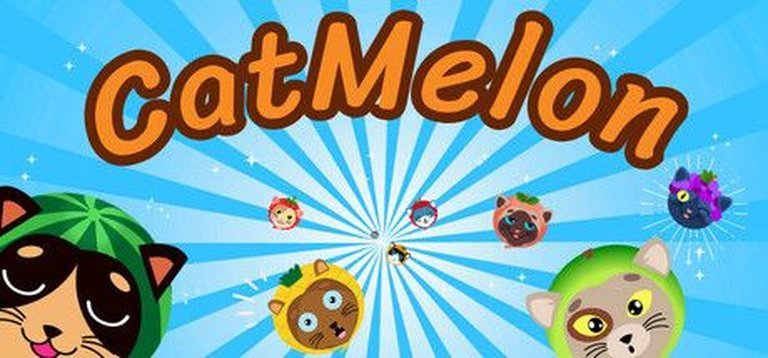
CatMelon: Suika Game is a puzzle game where players drop cat-themed fruits into a box, merging identical types to form larger fruits until the ultimate cat watermelon is achieved and cleared from the board. It features assistance tools like shaking the box to rearrange fruits and deleting specific cat fruits, along with multiple difficulty modes (Classic, No Help, and Speedy Cat) that blend accessibility with challenge, set within a physics-based falling block puzzle framework.
CatMelon: Suika Game Cracks & Fixes
CatMelon: Suika Game Reviews & Reception
ladiesgamers.com : CatMelon—Suika Game is the latest in a long line of Suika games, and it has brought a lot of innovation to the space.
opencritic.com : Overall, CatMelon – Suika Game is a good Suika game. If you like the genre, I think you’ll like this one as well.
store.steampowered.com : The cats are cute, the assistance is a fun addition, and the fact that it has difficulty levels at all is great. There’s accessibility here, and good physics. A good pick for any Watermelon game lover.
CatMelon: Suika Game: Review
Introduction
In the ever-expanding universe of puzzle games, few genres have captured the public imagination quite like the “Suika Game” phenomenon. Originating as a viral sensation in 2021, this merging-fruit puzzle concept has spawned countless iterations, each vying for a place in players’ hearts. CatMelon: Suika Game, released by New Dawn Game Studio in November 2024, enters this crowded arena with a singular twist: adorable cats dressed as fruits. This review argues that while CatMelon doesn’t surpass the genre’s benchmark setters, it distinguishes itself through its charming feline theme, innovative assistance mechanics, and accessible design choices. By blending the addictive core of the “Suika” formula with a whimsical new aesthetic and strategic depth, it offers a delightful, if imperfect, experience that deserves recognition among puzzle game enthusiasts.
Development History & Context
CatMelon: Suika Game emerges from a lineage that traces back to early 2021, when the Chinese browser game “Merge Big Watermelon” (合成大西瓜) went viral. This concept was adapted by Japanese company Aladdin X for their popIn Aladdin projector in April 2021, later debuting on the Nintendo Switch eShop in December 2021. The true explosion came in September 2023, when streamers—particularly VTubers—propelled “Suika Game” to unprecedented viral status, achieving over 11 million downloads by October 2024. This tsunami of interest flooded Steam with clones like Watermelon Challenge and Bubble Dogs, creating a hyper-competitive environment for newcomers.
New Dawn Game Studio, represented by developer Rodrigo Albuquerque, entered this landscape with clear ambitions. As part of the Climbing Goat Games Franchise, CatMelon was developed for Windows with Unity, leveraging modern engine capabilities while maintaining the genre’s core simplicity. The studio aimed to differentiate through thematic innovation (fruit-dressed cats) and mechanical refinement. Its November 2024 release strategically capitalized on the genre’s sustained popularity, priced at $2.99 to match competitors. Albuquerque’s engagement with the Steam community—actively soliciting feedback and bug reports—reflects a developer keen on iterative improvement, a vital trait in a genre defined by incremental refinements.
Narrative & Thematic Deep Dive
Unlike its predecessors, CatMelon foregrounds narrative through thematic storytelling rather than explicit plot. The “story” unfolds in a cardboard box—a universal symbol of feline playfulness—where cats don fruit costumes as if preparing for a masquerade ball. Each cat represents a stage in the evolutionary chain: a tiny blueberry-hatted feline evolves into a majestic watermelon-cat through the alchemy of merging. This anthropomorphism creates an emotional hook absent in abstract fruit games; players aren’t just merging shapes, they’re nurturing adorable characters.
The core theme revolves around transformation and consequence. Merging identical cats represents growth and progress, but the escalating size and risk of overflow introduce palpable tension. The absence of dialogue shifts storytelling to visual cues: cats’ expressive faces (e.g., the pineapple’s “gasp” reaction) and physics-driven movements convey personality. The cardboard box setting—meticulously rendered with folds and shadows—evokes nostalgia and comfort, contrasting with the game’s high-stakes puzzle mechanics. This juxtaposition—cozy environment vs. strategic pressure—creates a unique tension that defines CatMelon’s identity.
Gameplay Mechanics & Systems
At its core, CatMelon retains the “drop, collide, merge” loop that defines the genre. Players drop cats into a container, aiming to pair identical types to evolve them into larger fruit-cats. The cycle progresses from blueberry to the ultimate CatMelon (watermelon), with each merge escalating point values. This simplicity masks profound strategic depth, as players must balance immediate merges with board management to prevent overflow.
Key Innovations:
– Assistance Mechanics: CatMelon introduces two limited-use tools that revolutionize gameplay:
– Bath: Removes obstructing cats (3 uses per game).
– Shake the Box: Jumbles all cats to create merge opportunities (3 uses per game).
These tools transform the genre’s punishing nature into a more forgiving experience, allowing for recovery from mistakes. They also add tactical depth—when to use a bath versus saving a shake for a critical moment.
- Difficulty Modes: Three modes cater to diverse skill levels:
- Classic: Relaxed pace with assistance tools.
- No Help: Hardcore mode eliminating tools.
- Speedy Cat: Escalating drop speed for adrenaline junkies.
This accessibility framework is a standout feature, making the genre welcoming to newcomers while offering veterans a challenge.
Physics & System Flaws: The physics engine uses a “magnetic” attraction between cats, making merges feel satisfyingly intuitive. However, a critical flaw emerges during endgame: the two largest cats (pineapple and watermelon) can push each other upward near the container’s top, causing unintended overflows. This bug, noted by critics, highlights a need for wider collision boundaries. The UI is clean—using mouse, keyboard, or controller—with a global leaderboard adding competitive drive. Achievement integration (27 Steam achievements) further incentivizes mastery.
World-Building, Art & Sound
CatMelon’s world-building is minimalist yet evocative. The cardboard box—a single, meticulously rendered environment—serves as both stage and metaphor. Its textural details (corrugated lines, subtle shadows) and warm, muted palette create a sense of intimacy, reinforcing the theme of feline play. The absence of complex menus or transitions keeps focus on the core puzzle, enhancing immersion.
Art Direction: The fruit-dressed cats are the game’s visual triumph. Each design blends recognizable fruit iconography with feline charm: a blueberry cat’s tiny crown, a strawberry cat’s leafy ears, and a watermelon cat’s seed-speckled fur. Expressive facial animations—surprise when dropped, delight when merged—infuse personality into static shapes. The color progression from vibrant small fruits to the muted grandeur of the CatMelon creates a satisfying visual reward.
Sound Design: Here, CatMelon stumbles. The merging meows are initially endearing but quickly become grating due to repetition. The soundtrack, a looping electronic melody, lacks the dynamism of the gameplay. Critics like LadiesGamers noted that muting the game often became preferable, a significant oversight for a title aiming for charm. Sound effects for assistance tools (sloshing for baths, a rattle for shaking) are satisfying but limited in variety.
Reception & Legacy
CatMelon’s launch was met with cautious optimism. On Steam, it maintains a “Very Positive” user rating (100% of 12 reviews), though sample sizes are small. Critical reception, led by LadiesGamers’ 80% score, praised its “cute cats” and “accessible assistance” but deemed it inferior to genre giants like Suika Game or Watermelon Challenge. The repetitive sound design was universally criticized as a major flaw.
Commercially, CatMelon occupies a modest niche in the $2.99 puzzle market. Its bundling with other Climbing Goat Games titles (Square Logic, One Line) suggests a strategy for audience cross-pollination. While not a breakout hit, it has carved a space as a “good Suika game” with its own distinct identity. Its legacy lies in demonstrating how thematic reimagining and mechanical tweaks can refresh a saturated genre. The assistance mechanics, in particular, may influence future clones, potentially setting a new standard for accessibility in puzzle design.
Conclusion
CatMelon: Suika Game is a testament to the enduring appeal of the merging-puzzle formula. By substituting fruits with fruit-dressed cats, New Dawn Game Studio injects fresh whimsy into a familiar concept. The assistance mechanics and difficulty modes represent significant innovations, making the genre more accessible without sacrificing strategic depth. While the physics bug and repetitive soundscape prevent it from reaching the heights of its predecessors, its charm and polish create an engaging experience. For players seeking a cozy yet challenging puzzle fix, CatMelon delivers—its adorable felines and clever mechanics ensure it stands proudly in the Suika Game lineage. It may not be the genre’s definitive statement, but it is a worthy, delightful evolution. Final Verdict: A charming and accessible addition to the puzzle canon, worth its price for genre enthusiasts and cat lovers alike.