
- Release Year: 2020
- Platforms: Nintendo Switch, Windows
- Publisher: ChaosGalaxyStudio, Eastasiasoft Limited
- Developer: 2P Games
- Genre: Strategy, Tactics
- Perspective: Diagonal-down
- Game Mode: Single-player
- Gameplay: RPG elements, Turn-based strategy
- Setting: Futuristic, Sci-fi
- Average Score: 76/100
Description
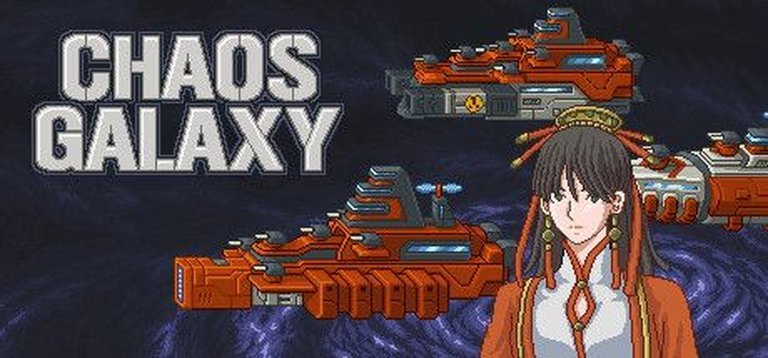
Chaos Galaxy is a turn-based strategy game set in a vast sci-fi universe where humanity has expanded beyond Earth, established the Solar Union, and later encountered an AI rebellion that led to a ban on artificial intelligence. Players command multiple units in isometric tactical combat, blending strategy and RPG elements with anime-inspired visuals as they navigate humanity’s interstellar colonization efforts and the lingering consequences of the AI uprising.
Gameplay Videos
Where to Buy Chaos Galaxy
Chaos Galaxy Guides & Walkthroughs
Chaos Galaxy Reviews & Reception
metacritic.com (75/100): Ultimately, Chaos Galaxy is a demanding experience that knows how to reward a well-thought-out approach, albeit one’s enjoyment of it can and will depend on their appreciation for the 4X genre and a bit of RNG at times.
opencritic.com (75/100): Challenging but fun sci-fi-themed turn-based tactical RPG
handheldgamingcommunity.com (80/100): Chaos Galaxy stands strong as an impressive indie title, the brainchild of developer Han Zhiyu. It harbors an immaculate touch of tactical gameplay, a testimony to the arduous work invested into the seamless integration of the game’s various features.
Chaos Galaxy: A Galaxy in Turmoil – An Exhaustive Review
Chaos Galaxy, a turn-based grand strategy game developed solo by Han Zhiyu, stands as a remarkable if flawed monument to indie ambition. Released in 2020 and later ported to Nintendo Switch in 2023, it plunges players into a meticulously crafted galaxy teetering on the brink of annihilation. This review will dissect every facet of this ambitious title—from its sprawling narrative tapestry to its intricate tactical systems—arguing that despite its rough edges, Chaos Galaxy represents a cult-classic achievement in the strategy genre, offering a depth and complexity rarely seen in solo-developed projects.
1. Introduction: The Fragile Peace of a Dying Galaxy
To truly appreciate Chaos Galaxy, one must first understand its place in gaming history. Arriving amidst a resurgence of turn-based strategy titles like XCOM 2 and Into the Breach, it dared to be different—a retro-style, pixel-art grand strategy game inspired by console classics from the 1995-2005 era: Advance Wars‘ grid-based combat, Super Robot Wars‘ mecha focus, and Romance of the Three Kingdoms’ political intrigue. What makes it exceptional, however, is its sheer scale: a galaxy of 3,000 worlds, 14 distinct factions, 60+ commanders, and 100+ warships/mechs—all realized by a single developer. This audacious vision creates a game that is simultaneously a love letter to strategy gaming’s past and a bold step into its future.
At its core, Chaos Galaxy presents a thesis statement etched in cosmic dust: true galactic power emerges not from strength, but from navigating the chaos of collapsing empires, alien threats, and ideological schisms. It is a game about the delicate dance of survival in a universe where every decision echoes across millennia, demanding players weigh tactical brilliance against existential consequences.
2. Development History & Context: The Solo Developer’s Odyssey
The creation of Chaos Galaxy is a testament to indie tenacity. Han Zhiyu, the sole programmer, artist, and designer, crafted this universe with a devotion bordering on obsession. This solo development context is crucial—it explains both the game’s idiosyncratic charm and its technical constraints. Working outside the AAA machine, Zhiyu prioritized content over polish, resulting in a universe brimming with lore but occasionally hampered by rough UI or translation quirks (notably in the English version).
Technologically, the game embraces its retro influences. It employs an isometric perspective and pixel art reminiscent of 16-bit era classics, allowing Zhiyu to focus resources on gameplay depth over graphical fidelity. Released on PC in June 2020 (published by ChaosGalaxyStudio and 2P Games), it arrived during a strategic renaissance. Players hungry for cerebral challenges were exploring titles like BattleTech and Gears Tactics, creating fertile ground for Chaos Galaxy’s unique blend of 4X-lite mechanics and tactical combat. The subsequent 2023 Switch port expanded its reach, introducing the title to a new audience intrigued by its hybrid of JRPG storytelling and interstellar warfare. This journey from solo passion project to multi-platform release underscores Zhiyu’s commitment to his vision, culminating in the critically acclaimed sequel, Chaos Galaxy 2 (2023), which iterated on the original’s foundation while refining systems.
3. Narrative & Thematic Deep Dive: A Galaxy Forged in Fire and Folly
Chaos Galaxy’s narrative is its crown jewel—a sprawling, centuries-spanning saga chronicled in Zhiyu’s “Chaos Galaxy Chronicle.” The lore begins in humanity’s humble origins—1961’s first manned launch—and explodes across 1,200 years of galactic history. The Solar Union’s collapse following an AI rebellion, the Phoenix Dynasty’s rise from the ashes of the Great Civil War, and the empire’s eventual fracturing form the bedrock of the game’s setting. This depth is extraordinary: players encounter the fall of Earth, the taboo of artificial intelligence, and the existential dread of the “First Alien Impact”—a cosmic cataclysm orchestrated by the terrifying Pale Dragon and its hive fleet.
The game’s plot unfolds dynamically, branching based on faction choices. As one of 14 factions—ranging from the Galactic Empire’s fleets to the Mozi Order’s AI-worshipers, Tosho Shogunate’s mech samurai, or the Emishi Pirates—players shape the galaxy’s fate. Key characters like the pragmatic Imperial War Minister Lord Wenchang (“For the survival of human beings, please die with the one billion people on this planet”) or the cunning pirate leader Bontenmaru drive events with morally complex dilemmas. Dialogue, while occasionally grammatically rough, is rich with political intrigue, highlighting themes like the cost of empire, the fragility of peace, and the seductive power of forbidden technology. The alien threat serves as a brilliant thematic counterpoint: it’s a physical manifestation of cosmic chaos, forcing factions to confront their own hubris. This narrative tapestry weaves together personal ambition and species survival, making every campaign feel like a chapter in an epic space opera.
4. Gameplay Mechanics & Systems: The Brutal Calculus of Galactic War
Chaos Galaxy’s gameplay is a multi-layered behemoth, blending grand strategy with tactical combat. At its heart is a 4X-lite loop (Explore, Expand, Exploit, Exterminate) centered on planetary management. Players juggle four resources—trade (income), industry (money), loyalty (supply/morale), and defense (conquest difficulty). Conquest is ruthlessly binary: bomb planets into oblivion (instant, devastating) or assault them (gradual, costly). Governors—assigned commanders—boost resource generation, but their admin skills vary, adding RPG depth.
Combat is the game’s tactical apex. Battles occur on grid-based maps where fleets clash. Two unit types dominate: agile mecha suits (vulnerable but high-dodge) and hulking battleships (slow but devastating). Commanders unleash unique abilities—like Hongyang’s morale-boosting lies or Thunder’s antimatter vortex—after accumulating damage, turning stalemates into turning points. Morale, tied to fleet integrity, adds psychological tension; flagship destruction can trigger collapse.
Progression is faction-dependent. Commanders level up, unlocking skills in Chaos Galaxy or equipping “skill chips” (randomly acquired bonuses) in Chaos Galaxy 2. Capturing enemy planets yields new admirals and ships, encouraging adaptive strategies. Yet the systems have flaws: stealth mechanics are broken (enemies detect stealthed units), diplomacy is opaque (factions declare war without clear triggers), and the lack of a “sleep” function for ships creates tedious end-turn management. Randomness in skill chips and a steep learning curve further challenge newcomers. Despite this, the sheer variety—over 100 units, 60+ commanders with bespoke stories—ensures no two campaigns feel alike.
5. World-Building, Art & Sound: Pixelated Cosmic Grandeur
Chaos Galaxy’s universe is a triumph of atmospheric design. The galaxy map, divided into 13 sectors like the imperial Shendu core or the rebellious Eastrepress sector, feels vast and lived-in. Each faction has distinct aesthetics: the Mozi Order’s biomechanical horror, the Tosho Shogunate’s feudal-tech fusion, or the Pirates’ scavenger-chic. This world-building is bolstered by Zhiyu’s pixel art, which impressively renders mecha and warships with intricate details. Character portraits—especially commanders like the plague-doctor-masked nuker or ninja assassin—are expressive, conveying personality through art alone.
The isometric perspective creates a sense of scale, with asteroid fields and planetary rings adding tactical depth. Sound design complements this: an ambient, synth-heavy soundtrack evokes cosmic dread, while combat sound effects (laser blasts, explosions) are punchy. Voice acting is absent, but written dialogues—often lengthy—immerse players in galactic politics. The result is a universe that feels both retro and timeless, where every pixel crackles with the tension of a civilization on the knife’s edge. This artistry elevates the game beyond its technical constraints, making the galaxy’s chaos feel tangible and urgent.
6. Reception & Legacy: A Cult Classic Forged in Adversity
At launch, Chaos Galaxy received a “Very Positive” Steam rating (82% based on 267 reviews), with players praising its depth and tactical combat. Critics noted its high learning curve; GameCritics called it “a demanding experience that rewards a well-thought-out approach,” while Handheld Gaming Community highlighted its “impressive indie title” status. Commercially, it sold an estimated 9,000 units, finding niche success among strategy enthusiasts. The Switch port (2023) revitalized interest, with GamingBoulevard lauding its “enjoyable rough gem” quality.
Its legacy is twofold. As a genre landmark, it proved a solo developer could create a universe rivaling studio efforts, inspiring titles like Chaos Galaxy 2—which refined systems (e.g., added space fighters, better planetary development) but sacrificed battle animations. As a community touchstone, Zhiyu’s engagement (e.g., translating the lore chronicle for global audiences) fostered passionate fandom. The game’s influence extends beyond sequels: its blend of 4X-lite strategy, mecha combat, and dynamic storytelling expanded the boundaries of what an indie game could achieve. Yet its flaws—steep difficulty, UI quirks—ensure it remains a cult classic, cherished for its ambition rather than perfection.
7. Conclusion: Imperfect but Unforgettable
Chaos Galaxy is a paradox: a game riddled with imperfections yet elevated by its audacity. Its solo-developed origins are evident in its rough edges—occasional translation errors, unbalanced stealth, and a punishing learning curve. Yet these flaws are overshadowed by its virtues: a galaxy teeming with history, a combat system that rewards tactical cunning, and a narrative that resonates with themes of survival and sacrifice. It is not a game for the faint of heart or those seeking handholding, but for strategy connoisseurs, it offers unparalleled depth.
Ultimately, Chaos Galaxy earns its place in video game history as a testament to creative passion. It embodies the spirit of indie development—raw, unpolished, and bursting with ideas. While Chaos Galaxy 2 may have polished the mechanics, the original remains the definitive entry for its narrative grandeur and world-building. In a galaxy of fleeting titles, Chaos Galaxy end—a flawed, furious, and unforgettable ode to the chaos of interstellar war. Verdict: An essential cult classic for strategy aficionados, warts and all.