
- Release Year: 2015
- Platforms: Linux, Windows
- Publisher: Subworld
- Developer: Subworld
- Genre: Action, RPG
- Perspective: Top-down
- Game Mode: Single-player
- Gameplay: Character customization, Inventory management
- Setting: Fantasy
- Average Score: 84/100
Description
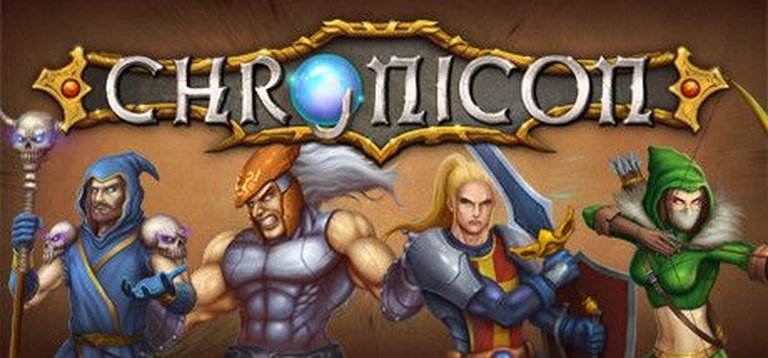
In the world of Chronicon, where the final evil has been vanquished and all quests completed, the legendary Heroes of Old are immortalized through the mystical Chronicon device, which opens portals into their memories and souls. As one of the chosen few each year, players step into these epic tales as champions, exploring a fantasy realm from a top-down perspective in this action RPG, battling through areas like The Fallen Temple, The Elven War, and Clairebourg Castle, while utilizing the Chronicon hub to interact with quirky NPCs, manage gear, and embark on trials in a 2D scrolling adventure filled with skill experimentation and loot collection.
Gameplay Videos
Where to Get Chronicon
Patches & Mods
Guides & Walkthroughs
Reviews & Reception
metacritic.com (74/100): This is a fantastic game that is well worth the price of admission.
saveorquit.com : An expansive pixel-graphic ARPG with Rogue-like elements and masses of loot, but a few issues that prevent it from reaching its potential.
steamcommunity.com : it’s like the diablo 2 we always wanted.
steambase.io (94/100): Very Positive
Chronicon: Review
Introduction
In a gaming landscape dominated by sprawling sequels and live-service behemoths, few titles capture the raw, unfiltered joy of classic action RPGs like Diablo II quite like Chronicon. Imagine a world where every epic quest has been fulfilled, every villain vanquished, and every treasure chest pried open—leaving only echoes of heroism to relive. This is the premise of Chronicon, a pixel-art ARPG that invites players to step into the souls of long-dead legends through a mystical device called the Chronicon. Developed by a tiny Swedish indie studio, the game emerged from Early Access obscurity in 2015 to become a cult favorite among loot-hunters and build-crafters. Its legacy lies not in blockbuster sales but in its relentless evolution: a five-year Early Access journey that ballooned from a modest rogue-lite into a labyrinth of over 900 skills, endless progression, and procedural chaos. My thesis? Chronicon stands as a triumphant indie underdog, proving that passion and community feedback can forge an ARPG masterpiece that rivals industry giants in depth, while humbly nodding to the hack-and-slash roots that defined a genre.
Development History & Context
Subworld, the two-person powerhouse behind Chronicon, embodies the scrappy spirit of indie game development. Founded in the summer of 2015 near Gothenburg, Sweden, by solo developer Daniel “Squarebit” Stigsjöö, the studio began as a one-man operation fueled by Stigsjöö’s vision of a bite-sized rogue-lite project—something he estimated would take no more than a year. Using the accessible GameMaker engine, Stigsjöö aimed to craft a simple top-down action game with procedural elements, drawing inspiration from classics like Diablo and modern indies experimenting with loot-driven loops. However, as prototypes evolved, so did the ambition: what started as a quick diversion morphed into a full-fledged ARPG, incorporating deep skill trees, class systems, and expansive acts.
The Early Access launch on Steam in July 2015 came after just 18 months of quiet development, bypassing the then-new Greenlight process with community approval in mere weeks. This era was pivotal; the mid-2010s ARPG scene was exploding with titles like Path of Exile (2013) and Torchlight II (2012), which emphasized infinite customization and replayability, while Diablo III (2012) had redefined loot addiction but faced criticism for its always-online mandate. Subworld entered this fray as a pixel-art outlier, contrasting the high-fidelity visuals of competitors like Grim Dawn (2016). Technological constraints were evident: GameMaker’s 2D focus limited graphical ambition, leading to blocky sprites and performance hiccups on mid-range hardware, but it enabled rapid iteration. Stigsjöö’s vision centered on player agency—reliving heroes’ memories to sidestep clichéd world-saving tropes—while community forums became a hotbed for suggestions, from expanded crafting to co-op tweaks.
By 2021, Stigsjöö’s fiancée, Marika “Marruu” Assgård, joined as the second core member, bolstering art and project management. The full release in August 2020 capped five years of updates, including major content drops like Act 3’s Castle Clairebourg (2016) and endgame anomalies. DLCs followed: Ancient Beasts (2022) introduced tamable companions, and The Mechanist (2023) added a tech-themed class. Even post-launch, patches like 1.53.x (2024) addressed bugs, added lore books, and refined controller support, showcasing Subworld’s commitment. In a time when indies often rush to market amid Steam’s saturation, Chronicon‘s patient growth—spanning nine years total—highlights how technological humility (pixel art over AAA engines) and era-specific tools like Early Access fostered a diamond in the rough, influencing the rise of community-driven ARPGs.
The Vision and Iterative Evolution
Stigsjöö’s initial rogue-lite intent emphasized short, replayable runs, but player feedback pivoted toward ARPG depth. Features like auto-loot filters and radial pickup emerged from forums, solving pain points in contemporaries. Constraints, such as GameMaker’s limitations on 3D effects, forced creative solutions: dynamic lighting updates in later patches enhanced atmosphere without overhauling the engine. The 2015 landscape, post-Diablo III‘s loot 2.0 revolution, demanded innovation; Chronicon delivered with mastery trees and rune extraction, carving a niche for solo devs against Blizzard’s behemoth.
Narrative & Thematic Deep Dive
Chronicon‘s narrative unfolds like a tapestry of forgotten epics, woven through the titular device—a magical archive that portals players into the memories of ancient heroes. In a post-apocalyptic fantasy where “the last evil lies dead,” society honors the past by annually selecting champions to relive these tales. You, the silent protagonist, are this year’s chosen, embodying classes like the holy Templar, raging Berserker, nature-attuned Warden, or shadowy Warlock (with DLC adding the gadgeteering Mechanist). The story spans five acts, each a self-contained saga: Act 1’s The Fallen Temple delves into a corrupted priestess’s fall in shadowy ruins; Act 2’s The Elven War pits humans against elves in verdant forests; Act 3 explores Clairebourg Castle‘s siege; later acts venture into anomalies and mechanized horrors.
The plot is episodic, lacking a overarching villain but rich in vignettes that humanize the heroes. For instance, the Templar’s arc grapples with faith’s corruption, as Medella’s betrayal echoes themes of zealotry unchecked. Characters shine through quirky NPCs: Tinka the Tinkerer, a goblin-like inventor with acerbic wit (“Your odour distracting Tinka. Smelly.”), provides comic relief while gatekeeping secrets in her domain. Dialogue is punchy and flavorful—Korem the Master of Trials offers stoic guidance (“Use one of the Chronicon portals to begin your trial”), while siblings like Tinka’s “Brotha” hawk potions with sibling rivalry banter (“My brother sell crap. Buy from me!”). Voice acting is sparse but memorable: the Warlock’s gleeful cackles on kill combos evoke dark humor, contrasting Medella’s grating tones.
Thematically, Chronicon probes nostalgia and legacy. Reliving memories questions heroism’s cost—heroes die gloriously, but their echoes fuel a stagnant world. Themes of cyclical violence emerge in the Elven War, mirroring real-world conflicts, while the Mechanist’s DLC explores technology’s hubris. Underlying motifs of greed (endless loot hoarding) and impermanence (procedural resets) add irony: players chase permanence in a fleeting dreamscape. Yet, delivery falters; lore is piecemeal via NPCs and collectible Books of Lore (added 2024), with grammatical slips and chunky UI boxes diluting immersion. Still, the narrative’s restraint—prioritizing gameplay over cutscenes—invites player interpretation, making themes resonate through action rather than exposition.
Character Arcs and Dialogue Nuances
The classes embody archetypes with depth: the Berserker’s primal fury reflects unchecked rage, evolving via masteries into controlled devastation. Tinka’s evolving titles (“Knows,” “Will be king one day”) hint at hidden lore, rewarding exploration. Dialogue evolves with progression—Tinka’s jests turn menacing (“Maybe one Day Tinka kill all human… Tinka joke. A little.”)—building a whimsical yet foreboding tone.
Gameplay Mechanics & Systems
At its core, Chronicon is a loot-fueled whirlwind, blending Diablo-esque hack-and-slash with rogue-lite proceduralism. The loop is addictive: portal into an act’s memory, slaughter procedurally generated enemy hordes in open levels, collect drops, return to the Chronicon hub for upgrades, and repeat at escalating difficulties. Acts fix layouts on first visit but respawn foes and loot per run, creating stepped progression—complete a level to unlock waypoints, or risk resets. Enemies vary from reskinned mobs (skeletons, elves) to elite “named” packs with buffs, culminating in handcrafted boss arenas. Combat thrives on build synergy: over 900 skills across trees allow wild experimentation, like a Templar’s holy shields exploding into AoE or a Warlock’s skeleton summons chaining lightning.
Character progression ditches stat allocation for skill-focused depth. Each class has four themed trees (e.g., Warden’s archery vs. frost summons) plus a mastery tab using separate points for bonuses like +bleed damage. Respecs via cheap potions encourage iteration, yielding infinite scaling via endless ranks. Loot is the star: 700+ items with randomized enchants (e.g., “of Divinity” for stacked holy boosts) span rarities from common to True Legendary sets. Innovative systems shine—rune extraction from uniques for permanent gear mods (up to 8 slots) enables trillion-DPS builds; crafting lets precise mod swaps via materials farmed in anomalies. DLCs expand: Ancient Beasts adds tamable pets with wardrobe cosmetics; The Mechanist introduces drones and turrets for turret-synergy plays.
UI is functional but flawed: customizable elements (resizable minimaps) aid accessibility, but lacks side-by-side comparisons, and dialog boxes strain at 4K. Hotkeys limit to 6-8 binds, forcing spam on favorites amid 12+ actives, while controller hotswap (added 2024) eases hybrid play. Flaws include bloated levels (2-3 hour grinds between waypoints) and performance dips in chaos (e.g., skeleton swarms slideshow on mid-tier PCs). Yet innovations like auto-cast toggles, endless anomalies (up to 213M% monster HP), and radial mid-air looting elevate it, fostering min-max heaven.
Core Loops and Innovative Flaws
The expedition tree’s Golden Crystal sinks enable passive tweaks, extending endgame. Anomalies’ tiered portals (repeat vs. advance) smooth farming, but slow base movement amplifies backtracking tedium. Combat impact feels detached—effects dazzle but feedback is muddy—yet kill counters and combo blasts deliver dopamine hits.
World-Building, Art & Sound
Chronicon‘s world is a mosaic of echoed realms, from the Chronicon hub’s ethereal archive (portals to red-tinged temples, green elven woods, purple castles) to Tinka’s Domain—a mysterious goblin enclave for anomaly runs. Atmosphere builds immersion: dim temple shadows evoke dread, forest canopies buzz with war’s tension, while anomalies warp reality into crystal puzzles or hellish forges. Procedural generation ensures variety—dungeons sprawl with secrets like hidden lore books—contributing to a lived-in feel despite the meta-narrative.
Art direction commits to pixel aesthetics, a 2.5D top-down scroll with blocky sprites that nostalgically recall Diablo II. Enemies and tiles boast detail (e.g., elf archers’ fluid bows), and effects like updated lighting (2024) add bloom-free glows. Yet, it’s divisive: zoomed cutscenes look hideous at high resolutions, and no gear visuals disappoint. Animations stutter in crowds, but the style’s charm lies in cohesion—nostalgic without parody.
Sound design amplifies the frenzy: Michael G. Woodley’s orchestral score blends dark fantasy swells (Act 1 boss theme soars) with repetitive loops that fade into the fray. Effects satisfy—crystal cracks, bubbling potions—but some grate (overused Warlock zaps). Voice snippets, like the Warlock’s maniacal laughs, inject personality, enhancing themes of echoed glory. Overall, these elements forge an intoxicating haze: visuals ground the procedural chaos, audio propels the loot rush, creating an ARPG that feels alive in its artificial memories.
Reception & Legacy
Upon Early Access launch in 2015, Chronicon flew under radars, earning a 79% from GameStar (2020) for fresh ideas amid “bieder” graphics, praising skill experimentation but noting polish lacks. Player scores averaged 3.2/5 on MobyGames (two ratings), but Steam’s 94% Very Positive (9,460 reviews) tells the true tale—addictive loops and build depth hooked ARPG veterans. Commercial success exceeded expectations: Silver award as 2020’s top Early Access grad, with DLCs boosting longevity. Post-release, reputation soared via word-of-mouth; Reddit threads hail it as “Diablo II we wanted,” while critiques linger on UI clunkiness and performance.
Evolution is Subworld’s hallmark: 2024’s Revival update added lore books and autocast, addressing feedback. Influence ripples through indies—Chronicon: Survivors (2024) spun off its formula, inspiring rune-like systems in games like Last Epoch. It shaped the ARPG niche by validating long Early Access (like Hades), proving pixel art’s viability against photorealism, and emphasizing community (forums birthed auto-loot). Commercially modest ($13.99 base), its legacy endures as a blueprint for solo-dev triumphs, influencing procedural depth in titles like V Rising.
Conclusion
Chronicon distills ARPG essence into a pixelated portal of endless possibility: from modest origins, it bloomed into a 900-skill behemoth rewarding experimentation amid procedural splendor. Strengths—build variety, rune crafting, thematic nostalgia—outweigh flaws like UI quirks and graphical datedness, delivering addictive joy for loot aficionados. As an indie beacon, it cements its place in history not as a revolution, but a refined echo of Diablo‘s golden era—essential for ARPG fans seeking depth without disillusion. Verdict: A timeless gem, worthy of your soul’s reliving. Score: 8.5/10