
- Release Year: 2016
- Platforms: Windows
- Publisher: Futuretown Inc.
- Developer: Futuretown Inc.
- Genre: Action
- Perspective: 1st-person
- Game Mode: Single-player
- Gameplay: Arcade, Shooter
- Setting: Futuristic, Sci-fi
- Average Score: 93/100
- VR Support: Yes
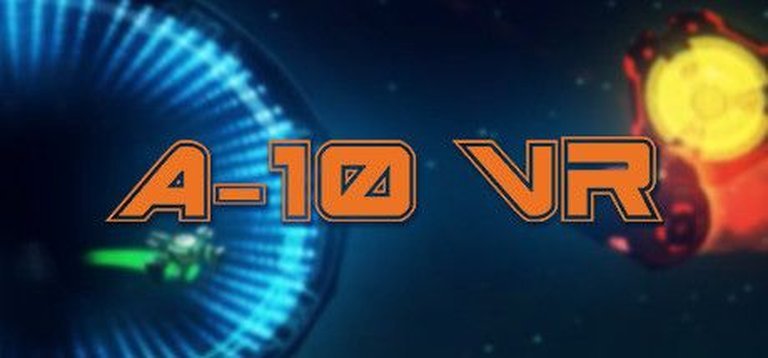
Description
A-10 VR is an action-packed shooter game released in 2016, designed to introduce players to virtual reality. With stunning graphics and simplistic gameplay, it caters to both beginners and experienced gamers. The game features various modes, including a casual practice mode, a high-score challenge, and an intense attack mode where players must dodge incoming missiles while shooting down enemies. A-10 VR also includes global and local leaderboards and 13 challenging Steam achievements to master.
A-10 VR Reviews & Reception
steambase.io (93/100): Very Positive
A-10 VR: A Relentless Arcade Onslaught in Virtual Reality’s Infancy
Introduction
In 2016, as VR headsets like the HTC Vive emerged as costly curiosities, A-10 VR carved out a niche as a no-frills gateway to the medium’s raw potential. Developed by Futuretown Inc., this sci-fi shooter eschewed narrative grandeur in favor of kinetic, score-chasing action. While not a revolutionary title, A-10 VR distilled the thrill of VR immersion into a polished, bite-sized package—a testament to the era’s experimental fervor. This review argues that the game succeeded as an accessible tech demo for early adopters but faltered as a lasting contribution to the VR canon.
Development History & Context
Studio Vision & Constraints
Futuretown Inc. positioned itself as a pioneer in VR arcade experiences, with A-10 VR joining titles like Cloudlands: VR Minigolf and Jeeboman in their portfolio. The studio emphasized intuitive mechanics over complexity, targeting VR newcomers while offering depth for enthusiasts. Built in Unity, the game launched alongside the HTC Vive’s consumer release, leveraging precise motion controls but constrained by the hardware’s limited install base and high system requirements (e.g., GTX 970 minimum).
The 2016 VR Landscape
VR was still a novelty in 2016, dominated by tech demos and experimental projects. Competing shooters like Space Pirate Trainer prioritized style, but A-10 VR distinguished itself with a sterile, minimalist aesthetic and leaderboard-driven replayability. Futuretown’s focus on “simplistic gameplay” (per the Steam description) reflected an industry still grappling with VR’s physical and design limitations—avoiding artificial locomotion, for instance, to minimize nausea.
Narrative & Thematic Deep Dive
A-10 VR dispenses with narrative pretense. Players occupy a lone orbital capsule, fending off waves of abstract enemies: geometric drones, bomb-carrying orbs, and missile-spewing turrets. The absence of lore or characters reinforces its arcade roots, echoing classic shooters like Tempest or Galaga. Dialog is nonexistent; menus and targets communicate solely through stark UI elements and pulsing audio cues.
Themes of Isolation & Endurance
Thematically, the game evokes a sterile, Sisyphean struggle. The player’s static position—trapped in a void-like arena—mirrors VR’s early existential tension: a medium brimming with possibility yet shackled by hardware infancy. The relentless enemy waves and countdown timers amplify this tension, framing survival as both a personal triumph and a fleeting victory.
Gameplay Mechanics & Systems
Core Loop & Modes
The game’s four modes cater to distinct playstyles:
1. Practice Mode: Immortal target practice for newcomers.
2. Time Mode: Race against a dwindling clock.
3. Survival Mode: Endless waves with escalating intensity.
4. Attack Mode: Dodge missiles while prioritizing threats.
Combat revolves around dual-wielding energy pistols—one automatic, one precision-based. Players chain kills for score multipliers and extra lives, balancing frantic shooting with strategic bomb interception. The lack of movement (beyond head-tracking) simplifies controls but limits tactical depth.
Innovations & Flaws
A-10 VR’s standout feature is its weapon calibration system, allowing players to adjust gun angles for ergonomic comfort—a small but critical quality-of-life touch. However, early bugs (e.g., unresponsive settings) frustrated users, and the absence of cooperative multiplayer, requested by fans, felt like a missed opportunity.
World-Building, Art & Sound
Visual Design
The game’s stark, geometric art style—all neon grids and hovering portals—echoes Tron’s digital austerity. While hardly groundbreaking, the clean visuals minimize motion sickness and ensure clarity amid chaos. The orbital capsule’s sterile interior contrasts with the chaotic void outside, reinforcing the player’s vulnerability.
Sound Design
Makoto Nakata’s soundscape pairs pulsing electronic beats with metallic weapon reports and enemy explosion stings. The audio’s precision is functional rather than evocative, mirroring the gameplay’s focus on mechanical satisfaction.
Reception & Legacy
Critical Reception
A-10 VR earned a “Very Positive” Steam rating (93/100 from 146 reviews), praised for its pick-up-and-play accessibility and polished mechanics. Critics noted its value as a VR introduction, though some bristled at the misleading title (expecting an A-10 Warthog simulator).
Lasting Influence
While overshadowed by flashier contemporaries like Superhot VR, A-10 VR demonstrated VR’s potential for score-attack arcade experiences. Futuretown iterated on its lessons in later projects, but the game itself faded into obscurity as VR libraries expanded.
Conclusion
A-10 VR is a time capsule of VR’s awkward adolescence: a competent, unambitious arcade shooter that prioritized approachability over innovation. Its legacy lies not in its design but in its role as a stepping stone—a proof of concept for motion-controlled shooting in VR. For historians, it encapsulates the medium’s growing pains; for players, it remains a fleeting diversion, best suited for nostalgic VR veterans or curious newcomers.
Final Verdict: A solid but ephemeral relic of VR’s early days—worth revisiting as a historical artifact, not a timeless classic.