
- Release Year: 2023
- Platforms: iPad, iPhone, Nintendo Switch, PlayStation 4, PlayStation 5, Windows, Xbox One, Xbox Series
- Publisher: Chorus Worldwide Games, Ltd., Soft Source Pte Ltd, Toge Productions
- Developer: Mojiken Studio
- Genre: Adventure
- Perspective: Side view
- Game Mode: Single-player
- Gameplay: Point and select, Puzzle elements, Visual novel
- Setting: Asia, Fantasy
- Average Score: 80/100
Description
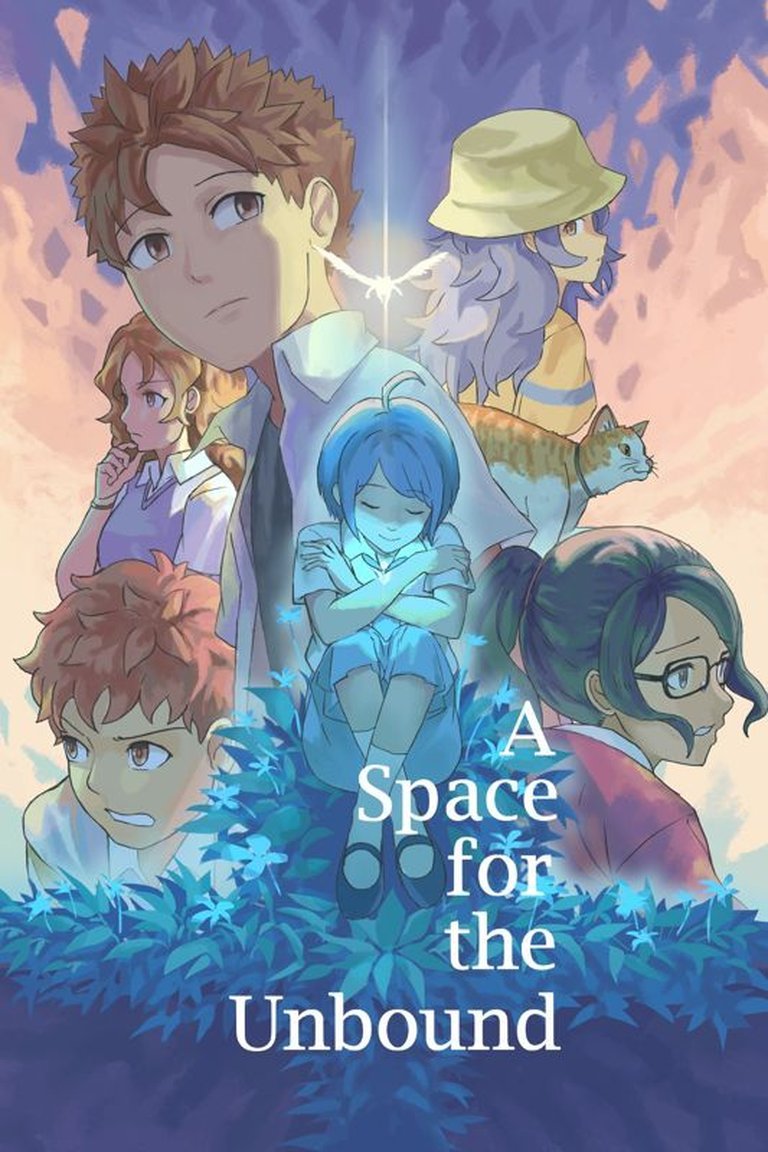
A Space for the Unbound is a narrative-driven adventure game set in a rural Indonesian town during the late 1990s. Players follow the story of two high school students, Atma and Raya, who discover supernatural abilities tied to their emotions and memories. As they explore their surroundings, solve puzzles, and interact with townsfolk, they uncover a deeper mystery about their own pasts and the hidden forces shaping their lives. The game blends slice-of-life storytelling with fantasy elements, featuring hand-drawn visuals, a touching soundtrack, and themes of friendship, loss, and self-discovery.
Gameplay Videos
Where to Buy A Space for the Unbound
A Space for the Unbound Free Download
A Space for the Unbound Cracks & Fixes
A Space for the Unbound Patches & Updates
A Space for the Unbound Guides & Walkthroughs
A Space for the Unbound Reviews & Reception
opencritic.com (85/100): A Space for the Unbound is a wonderful and intensely emotional experience.
metacritic.com (85/100): A Space for the Unbound is a beautiful, emotional journey that stayed with me long after the credits rolled.
eurogamer.net : A Space for the Unbound feels a lot, and it feels hard, and it’s intoxicating as a result.
pixeldie.com : A Space for the Unbound, despite all its flaws, is worth playing.
gamingbible.com (70/100): While it’s far from perfect, I can safely recommend A Space for the Unbound to anyone looking for a cosy indie title with real emotional weight imbued within.
A Space for the Unbound Cheats & Codes
PC (Trainer v1.0.9)
Use the trainer’s function keys during gameplay.
| Code | Effect |
|---|---|
| F1 | Grit |
| F2 | Unlimited Upgrade Credits |
| F3 | Super Movement Speed |
| F4 | Spell Points |
| F5 | Top Crafting Quality |
| HOME | Disable All |
PC (PLITCH)
Use PLITCH software to activate cheats.
| Code | Effect |
|---|---|
| Increase run speed | Increases player movement speed |
| Decrease run speed | Decreases player movement speed |
| Regular run speed | Resets movement speed to default |
| Patroller don’t look behind | Prevents patrollers from detecting the player from behind |
A Space for the Unbound: A Masterclass in Magical Realism and Emotional Storytelling
Introduction
A Space for the Unbound is a poignant, visually stunning adventure that transcends the boundaries of traditional narrative-driven games. Developed by Indonesia’s Mojiken Studio and published by Toge Productions, this 2023 release is a love letter to the late 1990s, rural Indonesian life, and the complexities of adolescent mental health. With its hand-drawn pixel art, evocative soundtrack, and a story that seamlessly blends the mundane with the supernatural, the game has carved a niche for itself in the indie landscape. This review will dissect its development, narrative depth, gameplay mechanics, artistic achievements, and lasting impact, arguing that A Space for the Unbound is not just a game but a cultural artifact—a testament to the power of storytelling in interactive media.
Development History & Context
The Studio and Its Vision
Mojiken Studio, founded in 2013 in Surabaya, Indonesia, began as a collective of graphic design students from Institut Teknologi Sepuluh Nopember (ITS). Initially focused on outsourced creative work, the studio transitioned to indie game development, driven by a desire to create narratives rooted in Indonesian experiences. Their early projects, such as Banyu Lintar Angin (2017) and When the Past Was Around (2020), showcased their knack for surreal storytelling and pixel art, setting the stage for A Space for the Unbound.
The game’s director, Dimas Novan Delfiano, drew inspiration from his own childhood in 1990s Indonesia, aiming to capture the essence of rural life, school routines, and local folklore. The concept of A Space for the Unbound originated in 2015 as a prototype, evolving into a full-fledged narrative adventure centered around “space diving”—a mechanic allowing players to explore characters’ minds. The development process was arduous, with the team struggling to balance emotional storytelling with interactive gameplay. A prologue demo released in January 2020 garnered positive reception, helping refine the game’s pacing and visual style.
Technological and Industry Challenges
The game was built using the Unity engine, which provided the flexibility needed for its side-scrolling exploration and surreal mindscape sequences. However, the studio faced significant challenges, including limited resources and the need to self-fund much of the development. The team’s small size (under 20 members) required them to handle pixel art, narrative scripting, and puzzle design concurrently with other projects.
A major setback occurred in 2022 when Mojiken Studio and Toge Productions accused their publisher, PQube Games, of exploitative practices. The dispute centered around diversity grants intended to support underrepresented developers, which PQube allegedly withheld. This conflict delayed the game’s release but ultimately led to a resolution in October 2022, with Chorus Worldwide taking over as the global publisher. The game launched on January 19, 2023, across multiple platforms, including PC, PlayStation, Xbox, and Nintendo Switch, with an iOS port following in 2025.
The Gaming Landscape at Release
A Space for the Unbound entered a market dominated by high-budget AAA titles but found its audience among players seeking emotionally resonant, narrative-driven experiences. Its release coincided with a growing appreciation for indie games that explore mental health themes, such as Celeste and Night in the Woods. The game’s unique blend of magical realism and slice-of-life storytelling set it apart, earning it a place alongside critically acclaimed titles like To the Moon and Rakuen.
Narrative & Thematic Deep Dive
Plot Overview
The game follows Atma, a high school senior, and his girlfriend Raya, as they navigate the complexities of adolescence in a rural Indonesian town. The story begins with a deceptively simple premise: Atma and Raya create a bucket list of activities to complete before graduation. However, their lives take a supernatural turn when Raya reveals her reality-warping powers, and Atma discovers a magical red book that allows him to “space dive” into people’s minds.
As the narrative unfolds, the couple grapples with an impending apocalypse, which serves as a metaphor for Raya’s internal struggles with depression and trauma. The game’s chapters alternate between realistic depictions of school life and surreal sequences where Atma explores the mindscapes of townsfolk, uncovering their hidden traumas and helping them heal. The story culminates in a heart-wrenching climax where Atma must confront Raya’s fragmented psyche, ultimately helping her accept her past and move forward.
Characters and Dialogue
The characters in A Space for the Unbound are meticulously crafted, each with their own backstories and emotional arcs. Atma and Raya are the emotional core of the game, with their relationship serving as a lens through which players explore themes of love, loss, and self-discovery. Supporting characters, such as Erik (a bully with a troubled home life) and Marin (Raya’s childhood friend), add depth to the narrative, each representing different facets of adolescent struggle.
The dialogue is natural and evocative, capturing the nuances of teenage conversation while also delving into heavier themes. The game’s writing avoids didacticism, instead opting for a subtle, introspective approach that encourages players to empathize with the characters’ experiences.
Themes and Symbolism
A Space for the Unbound is a masterclass in using supernatural elements to explore real-world issues. The “space dive” mechanic, for instance, is a metaphor for the process of confronting and healing from trauma. The game’s depiction of depression and anxiety is grounded in realism, with characters’ struggles manifesting as tangible, otherworldly phenomena. This approach is reminiscent of magical realism, a literary genre that blends the mundane with the fantastical to explore deeper truths.
The rural 1990s Indonesian setting is more than just a backdrop; it is a character in its own right. The game’s environments—from bustling markets to quiet riverbanks—are steeped in nostalgia, evoking a sense of time and place that is both personal and universal. The setting also serves as a critique of escapism, with the supernatural disruptions forcing characters to confront their vulnerabilities rather than avoid them.
The game’s exploration of mental health is particularly noteworthy. Rather than pathologizing depression and anxiety, A Space for the Unbound presents them as natural responses to trauma and adversity. The characters’ journeys toward healing are portrayed as ongoing processes, emphasizing the importance of self-reflection, dialogue, and community support.
Gameplay Mechanics & Systems
Core Gameplay Loop
A Space for the Unbound is a side-scrolling adventure game with point-and-click mechanics. Players control Atma as he explores the town of Loka, interacting with objects, solving puzzles, and engaging in dialogue with NPCs. The game’s pacing is deliberate, with much of the gameplay revolving around exploration and conversation.
The “space dive” mechanic is the game’s most innovative feature. Activated via the magical red book, it allows Atma to enter the minds of other characters, where he must solve puzzles to help them confront their traumas. These mindscapes are surreal, dream-like realms that reflect the characters’ inner turmoil, often requiring players to interpret abstract representations of their struggles.
Combat and Character Progression
While A Space for the Unbound is not a combat-heavy game, it does feature occasional mini-games and quick-time events (QTEs). These sequences, which include button-mashing brawls and stealth sections, are reminiscent of classic 90s games like Street Fighter II and Ace Attorney. However, they are not the focus of the gameplay and serve primarily to break up the narrative pacing.
Character progression is tied to the story, with Atma gaining new abilities (such as the “riftdive” power to travel through time) as the plot advances. These abilities are used to solve puzzles and uncover hidden secrets, adding layers of complexity to the gameplay.
UI and Inventory System
The game’s UI is minimalist, with an inventory system that allows players to collect and combine items for puzzle-solving. The point-and-click mechanics are intuitive, with interactions triggered by directing Atma toward objects or NPCs. The game’s map, however, has been criticized for being unhelpful, requiring players to develop a deep familiarity with the town’s layout.
Innovations and Flaws
The “space dive” mechanic is the game’s standout innovation, offering a fresh take on puzzle-solving in narrative-driven games. The mindscapes are creatively designed, with each reflecting the unique struggles of the characters they represent. However, the gameplay can feel repetitive at times, with some puzzles relying too heavily on fetch quests and item combination.
The game’s pacing is another point of contention. While the slow, deliberate exploration suits the narrative’s introspective tone, it can also feel protracted, particularly in the early chapters. The mini-games and QTEs, while fun, are not always well-integrated into the gameplay loop, occasionally disrupting the flow of the story.
World-Building, Art & Sound
Setting and Atmosphere
A Space for the Unbound is set in a fictional rural town in Indonesia during the late 1990s. The game’s environments are richly detailed, capturing the essence of small-town life with its bustling markets, quiet alleyways, and serene riverbanks. The setting is steeped in nostalgia, evoking a sense of time and place that is both personal and universal.
The game’s atmosphere is a blend of the mundane and the supernatural. The town of Loka is a place of everyday routines and familiar faces, but it is also a site of otherworldly disruptions—cracks in the sky, ethereal creatures, and mindscapes that defy logic. This juxtaposition creates a sense of unease, reinforcing the game’s themes of hidden trauma and unresolved emotions.
Visual Direction
The game’s pixel art style is a standout feature, blending retro aesthetics with modern sensibilities. The hand-drawn environments are vibrant and detailed, with a color palette that evokes the warmth and nostalgia of the 1990s. The character designs are expressive, capturing the emotions and personalities of the cast with remarkable depth.
The mindscapes are particularly impressive, with each reflecting the unique struggles of the characters they represent. These surreal environments are a visual feast, filled with symbolic imagery and abstract representations of trauma. The game’s art direction is a testament to the studio’s creativity, blending Indonesian cultural elements with universal themes.
Sound Design and Music
The soundtrack of A Space for the Unbound is a masterpiece, composed by Masdito “Ittou” Bachtiar, Christabel Annora, and Bambang Iswanto. The music blends lo-fi beats, traditional Indonesian folk (keroncong), and orchestral arrangements, creating a soundscape that is both nostalgic and emotionally resonant. The soundtrack enhances the game’s atmosphere, with each track reflecting the mood and tone of the scenes it accompanies.
The sound design is equally impressive, with ambient noises—such as the hum of a bustling market or the rustle of leaves—adding depth to the game’s environments. The voice acting, while limited, is well-executed, with the characters’ emotions coming through clearly in their dialogue.
Reception & Legacy
Critical Reception
A Space for the Unbound received widespread acclaim upon its release, with critics praising its emotional storytelling, visual style, and cultural authenticity. The game holds an aggregate score of 85/100 on Metacritic, with reviewers highlighting its ability to evoke empathy through its portrayal of mental health issues.
The Guardian described the game as “a slice of life, and all its pain,” commending its memorable characters and unflinching exploration of depression and familial pressure. Eurogamer praised the game’s setting, noting its successful portrayal of both universal experiences and Indonesian culture. However, some critics pointed out the game’s pacing issues and repetitive gameplay mechanics, arguing that its strengths lie more in its narrative than its interactive elements.
Commercial Performance
The game achieved solid commercial success, particularly on PC, where it amassed over 6,700 user reviews on Steam, with a 94% positive rating. While it did not reach blockbuster status, its niche appeal and word-of-mouth buzz sustained its visibility in the indie gaming community.
Awards and Nominations
A Space for the Unbound has been recognized with several awards, including Best Storytelling at the 2020 SEA Game Awards and a nomination for Games for Impact at The Game Awards 2023. It also won the Future Division prize at the 2022 Japan Game Awards and claimed multiple categories at the 2023 Indonesia Game Awards.
Influence on Subsequent Games
The game’s success has elevated the profile of Southeast Asian indie developers, demonstrating the potential for narrative-driven games from the region to achieve critical acclaim. Its blend of pixel art, magical realism, and introspective themes has inspired other indie projects, contributing to a growing trend of culturally infused visual novels.
The publishing dispute with PQube Games also served as a cautionary tale for indie developers, highlighting the importance of transparency and fairness in publishing agreements. This incident has fostered discussions about the vulnerabilities of small studios in the gaming industry, leading to increased advocacy for better contractual practices.
Conclusion
A Space for the Unbound is a triumph of storytelling, artistry, and emotional depth. It is a game that lingers in the mind long after the credits roll, thanks to its poignant narrative, richly detailed world, and innovative gameplay mechanics. While it is not without its flaws—particularly in its pacing and repetitive gameplay—its strengths far outweigh its weaknesses.
The game’s exploration of mental health, adolescence, and cultural identity is both timely and timeless, offering a universal message of hope and resilience. Its depiction of rural Indonesia is a love letter to a time and place that is often overlooked in gaming, making it a vital contribution to the medium’s cultural diversity.
In the pantheon of narrative-driven games, A Space for the Unbound stands alongside classics like To the Moon and Night in the Woods. It is a testament to the power of indie development, proving that even small studios with limited resources can create experiences that resonate deeply with players. For its emotional impact, artistic achievement, and cultural significance, A Space for the Unbound deserves a place in video game history as a modern masterpiece.
Final Verdict: 9.5/10 – A Masterpiece of Magical Realism and Emotional Storytelling