
- Release Year: 2014
- Platforms: Macintosh, Windows
- Publisher: Big Fish Games, Inc, Tri Synergy, Inc.
- Developer: Lazy Turtle Games
- Genre: Adventure
- Perspective: 1st-person
- Game Mode: Single-player
- Gameplay: Hidden object, Puzzle elements
- Setting: Asylum
- Average Score: 69/100
Description
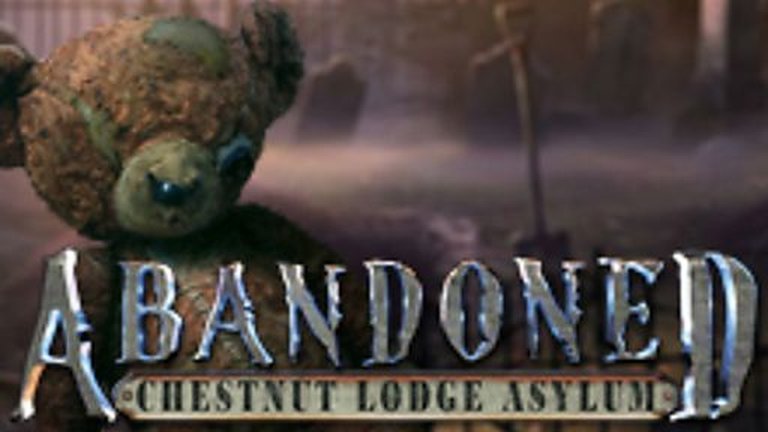
Abandoned: Chestnut Lodge Asylum is a first-person thriller adventure game that plunges players into the eerie halls of a deserted mental institution. Combining hidden object challenges and puzzle-solving, the game tasks players with uncovering the dark secrets of the asylum while navigating its unsettling environments. With atmospheric visuals, nightmarish cutscenes, and a fractured narrative, the story unfolds through exploration, revealing clues about the facility’s sinister past. Critics noted its creepy ambiance and engaging gameplay, though some found the storyline disjointed.
Gameplay Videos
Where to Buy Abandoned: Chestnut Lodge Asylum
PC
Abandoned: Chestnut Lodge Asylum Free Download
Abandoned: Chestnut Lodge Asylum Guides & Walkthroughs
Abandoned: Chestnut Lodge Asylum Reviews & Reception
steambase.io (79/100): Abandoned: Chestnut Lodge Asylum has earned a Player Score of 79 / 100.
gametop.com (80/100): With its dark atmosphere, chilling story, and engaging puzzles, Abandoned: Chestnut Lodge Asylum is a must-play for fans of eerie hidden object adventures.
gadgetspeak.com : Hopefully when visiting this establishment, you will arrive as an investigator rather than as a patient or you might never leave.
go64.com (50/100): Abandoned: Chestnut Lodge Asylum is an eerie Hidden Object Adventure game that takes the main character to the Chestnut Lodge Asylum, following a series of disturbing nightmares.
Abandoned: Chestnut Lodge Asylum: A Haunting Descent into Madness and Mediocrity
Introduction
In the crowded landscape of mid-2010s hidden object games (HOGs), Abandoned: Chestnut Lodge Asylum stands as a gothic curiosity—a title that simultaneously enthralls with its oppressive atmosphere and frustrates with janky execution. Released during the peak of the genre’s popularity, this 2014-2015 offering from Lazy Turtle Games promises a chilling descent into the secrets of a derelict mental institution but stumbles over its own ambition. This review argues that while Chestnut Lodge Asylum excels in crafting a tangible sense of dread, its mechanical shortcomings and narrative incoherence relegate it to a footnote in horror-adventure history—a game admired for its aesthetic vision but hamstrung by developmental growing pains.
Development History & Context
Studio Vision & Constraints
Lazy Turtle Games, a studio with credits spanning casual puzzle titles like Mystery Chronicles: Betrayals of Love, positioned Abandoned: Chestnut Lodge Asylum as a foray into psychological horror. Leveraging the PopCap Games Framework (notable for its use in Bejeweled and Peggle), the team aimed to blend traditional HOG mechanics with adventure-game storytelling—a common trend in an era dominated by Big Fish Games’ Mystery Case Files and Artifex Mundi’s Gothic narratives. However, the studio’s limited size (nine core contributors, per MobyGames) and technical constraints of the early 2010s HOG ecosystem—think fixed 720p resolutions, rudimentary animations, and static camera angles—shackled their ambition.
The 2014 Landscape
At release, Chestnut Lodge Asylum entered a market saturated with asylum-set horrors (Outlast, Sanitarium), yet it targeted a distinct audience: casual players seeking tension without combat. Its first-person perspective and environmental storytelling nodded to classics like Myst, but its reliance on hidden object scenes (HOS) tethered it to genre conventions. Compounding these challenges, the game’s publisher, Tri Synergy, lacked the marketing muscle of rivals like Big Fish, leading to a muted launch that relegated it to bargain-bin obscurity outside niche forums.
Narrative & Thematic Deep Dive
Plot: Fractured Nightmares
The game casts players as an unnamed protagonist haunted by recurring nightmares of Chestnut Lodge—a shuttered asylum where patients vanished annually under mysterious circumstances. Driven by psychic dread, they investigate the facility, uncovering clues tied to a young boy’s death and a wider conspiracy involving unethical experiments.
Characters & Dialogue
Voice acting ranges from competent (a dehydrated police officer) to laughably stilted (a spectral child who intones, “You shouldn’t be here”). Only two living characters exist, reflecting budgetary limits, while ghostly apparitions and diary entries flesh out the backstory. Thematically, the game gestures toward critiques of institutional abuse and the exploitation of mental illness, but these ideas drown in clichés—evil doctors, vengeful spirits, and literal skeletons in closets.
Symbolism & Missed Opportunities
Morphing objects—static items that transform into grotesque imagery when scrutinized—hint at deeper psychological horror. For example, a harmless vase might twist into a screaming face, symbolizing the protagonist’s unraveling sanity. Yet these moments feel decorative rather than transformative, lacking the narrative weight of contemporaries like Fran Bow. The asylum’s seven patient rooms, each themed around a phobia (spiders, clowns, drowning), suggest a Silent Hill-esque exploration of trauma, but the execution reduces these to puzzle backdrops.
Gameplay Mechanics & Systems
Core Loop: HOGs, Puzzles, and Fetch Quests
The gameplay hinges on three pillars:
1. Hidden Object Scenes (HOS): Cluttered dioramas (e.g., a blood-streaked morgue, a rotting kitchen) require players to find listed items. Blue-text objects demand interaction—using a match to light a lantern or a knife to peel fruit. Reviews note inconsistent object scaling (e.g., a fly the size of a basketball) and baffling item names (“yarn with spokes” for knitting needles).
2. Puzzles: Lock-picking minigames, pipe-connecting tasks, and sliding-tile challenges populate the asylum. High points include a piano sequence echoing Grim Fandango’s rhythm puzzles, while lows involve tedious skull-weighing trials.
3. Inventory Management: Players collect dozens of items (crowbars, gas masks, moth specimens), many languishing unused for hours—a design flaw critiqued by GameZebo for fostering “fetch-quest fatigue.”
UI & Progression
The hint system recharges glacially in “Expert” mode, often pointing to irrelevant areas when stuck. Worse, the lack of a map—a staple in modern HOGs—forces players to backtrack through samey corridors. GameVortex’s 50% review cites game-breaking bugs: corrupted saves, collision detection failures, and a bomb-defusal sequence soft-locking due to an item labeled “%s” (a coding error).
World-Building, Art & Sound
Visual Design: Decay as Atmosphere
Chestnut Lodge Asylum’s greatest strength lies in its oppressive aesthetic. Artists Yuri Gvozdenko and Anatoly Meimuchin render the asylum in pallid grays and sickly greens, with peeling wallpaper, rusted beds, and flickering lights selling the decay. Rooms feel claustrophobic yet detailed—bloodstains on surgical tools, cobwebbed toy chests, and rain-lashed graveyards evoke Session 9’s institutional horror.
Sound Design: Whispers in the Dark
Konstantin Elgazin’s soundscape amplifies the dread: distant door slams, echoing footsteps, and ambient drones build unease. Voice acting, while uneven, avoids the melodrama of peers like Dark Arcana: The Carnival. The score—a mix of dissonant piano motifs and subdued strings—sticks to genre conventions but effectively underscores key reveals.
Audiovisual Glitches
Frame-rate dips during cutscenes and missized objects in HOS (per GadgetSpeak’s 70% review) occasionally shatter immersion. The morphing objects—the standout mechanic—sometimes trigger awkwardly, clipping through scenery or appearing without context.
Reception & Legacy
Launch & Reviews
Critics polarized the game: GadgetSpeak praised its “nightmarish cutscenes” but docked points for a “fractured” plot (70/100), while GameZebo condemned its “dependence on backtracking” (50/100). Players echoed this divide: Steam reviews average “Mostly Positive” (79/100 from 33 reviews), citing its “creepy vibe,” but forums lament bugs and vague objectives.
Cultural Impact
Chestnut Lodge Asylum’s legacy is one of unfulfilled potential. It inspired no sequels, yet its morphing-object mechanic resurfaced in titles like Twisted Lands and Nightmares from the Deep. For HOG historians, it exemplifies a transitional era—budding ambition hampered by technical growing pains.
Conclusion
Abandoned: Chestnut Lodge Asylum is a haunted house with a shaky foundation. Its atmosphere—a masterclass in decrepit ambiance—deserves applause, and its morphing objects hint at a deeper horror narrative that never materializes. Yet, the game’s mechanical stumbles—from bug-ridden progression to forgettable characters—anchor it to mediocrity. For genre completists, it’s a fascinating time capsule; for others, a relic best left abandoned. In the annals of horror HOGs, it remains a flawed but evocative experiment—a warning that even the most oppressive settings can’t save a story that loses its way.
Final Verdict:
Abandoned: Chestnut Lodge Asylum is a 6/10—a moody, intermittently engaging curiosity that drowns its flashes of brilliance in a swamp of genre clichés and technical inadequacies.