
- Release Year: 2019
- Platforms: Windows
- Genre: Action, Survival horror
- Perspective: 3rd-person
- Game Mode: Single-player
- Gameplay: Survival horror
- Setting: Contemporary
- Average Score: 50/100
Description
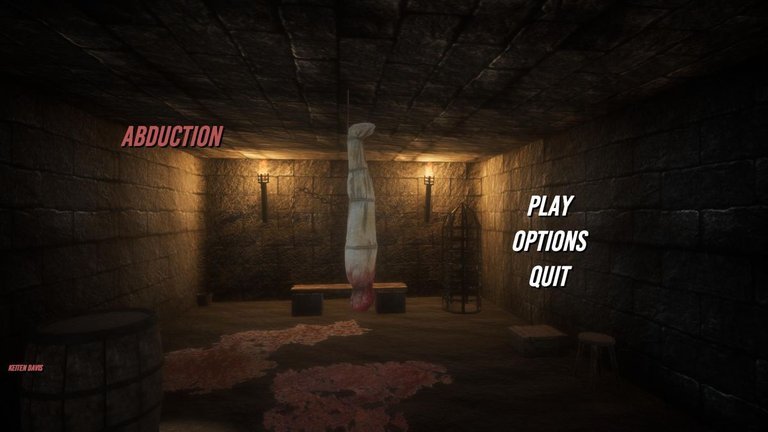
Abduction is a short survival horror game where the player assumes the role of Wesley Mitchell, whose wife has been kidnapped. The game begins with Wesley stranded in a forest with his car, and the objective is to locate his wife, rescue her, and escape alive. Players must navigate the eerie environment, uncover clues, and solve puzzles to uncover the whereabouts of Wesley’s wife while avoiding deadly threats.
Where to Buy Abduction
PC
Abduction Guides & Walkthroughs
Abduction Reviews & Reception
comeuppancereviews.net (50/100): A triumphant return to form for the series.
Abduction: A Survival Horror Gem Lost in the Shadows
Introduction
In the vast landscape of survival horror games, Abduction (2019) stands as a curious anomaly—a title that slipped through the cracks of mainstream recognition yet harbors a unique charm and unsettling atmosphere. Developed by an obscure studio and released with minimal fanfare, Abduction is a short but intense survival horror experience that challenges players to navigate a nightmarish forest, rescue a loved one, and escape the clutches of an unseen, malevolent force. While its reception has been lukewarm, with an average player score of 0.9 out of 5 on MobyGames, the game’s premise and execution warrant a deeper examination. This review aims to dissect Abduction’s development, narrative, gameplay mechanics, and legacy, offering a comprehensive analysis of its place in the survival horror genre.
Development History & Context
The Studio and Vision
Abduction was developed by an independent studio whose identity remains shrouded in obscurity. The game’s creation appears to be a passion project, driven by a small team of developers seeking to craft a tense, atmospheric survival horror experience. The studio’s lack of prior recognition and the game’s freeware status suggest that Abduction was born out of a desire to experiment with the genre rather than chase commercial success.
The game’s development likely took place in the late 2010s, a period marked by a resurgence of interest in survival horror, thanks in part to the success of titles like Resident Evil 7 (2017) and Outlast 2 (2017). However, unlike these high-profile releases, Abduction was constrained by limited resources, which influenced its scope and design. The developers opted for a third-person perspective, a choice that allowed them to focus on environmental storytelling and tension-building rather than complex mechanics or cutting-edge graphics.
Technological Constraints
Abduction’s development was undoubtedly shaped by the technological limitations of its time. The game’s visuals, while functional, lack the polish of contemporary survival horror titles. The environments are sparse, and character models are rudimentary, reflecting the constraints of a small development team working with limited tools. Despite these limitations, the developers managed to create an eerie atmosphere through clever use of lighting, sound design, and level layout.
The game’s interface is straightforward, with direct control over the protagonist, Wesley Mitchell. This simplicity ensures that players can focus on the core survival horror experience without being bogged down by convoluted mechanics. However, the lack of refinement in controls and camera angles occasionally detracts from the immersion, highlighting the challenges faced by indie developers in competing with larger studios.
The Gaming Landscape
Abduction entered a crowded market dominated by established franchises and indie darlings. The survival horror genre was experiencing a renaissance, with games like Amnesia: The Dark Descent (2010) and SOMA (2015) setting high standards for atmospheric storytelling and psychological horror. In this context, Abduction’s minimalist approach and lack of marketing made it difficult for the game to stand out.
The game’s release in May 2019 coincided with the launch of several high-profile titles, further overshadowing its debut. Without the backing of a major publisher or a dedicated fanbase, Abduction struggled to gain traction, ultimately fading into obscurity. Despite its lack of commercial success, the game’s existence is a testament to the passion and creativity of indie developers who continue to push the boundaries of the survival horror genre.
Narrative & Thematic Deep Dive
Plot Overview
Abduction places players in the role of Wesley Mitchell, a man who awakens in the middle of a dense forest with no memory of how he arrived there. His wife has been abducted, and the game’s primary objective is to locate her and escape the forest alive. The narrative is minimalist, relying on environmental cues and subtle hints to convey the story rather than exposition-heavy cutscenes or dialogue.
The game’s opening sequence is particularly effective in establishing a sense of disorientation and dread. Wesley finds himself surrounded by towering trees, with only his car as a point of reference. The absence of any immediate threats or explanations heightens the tension, forcing players to rely on their instincts and exploration skills to uncover the truth.
Characters and Dialogue
Wesley Mitchell is a blank slate protagonist, a common trope in survival horror games that allows players to project themselves onto the character. His lack of backstory or personality traits ensures that the focus remains on the player’s actions and the unfolding mystery. However, this approach also means that Wesley lacks the emotional depth of more fully realized protagonists, such as Silent Hill 2’s James Sunderland or Resident Evil 7’s Ethan Winters.
The game’s supporting cast is virtually non-existent, with the exception of Wesley’s wife, whose fate drives the narrative forward. Her absence is felt throughout the game, serving as a constant reminder of the stakes and the urgency of the player’s mission. The lack of dialogue or interaction with other characters further isolates Wesley, reinforcing the game’s themes of loneliness and desperation.
Themes and Symbolism
Abduction explores several recurring themes in survival horror, including isolation, fear of the unknown, and the struggle for survival. The forest setting is a powerful symbol of the subconscious mind, a place where hidden fears and repressed memories manifest in tangible forms. As Wesley navigates the dense foliage, he is forced to confront not only external threats but also his own vulnerabilities and uncertainties.
The game’s title itself is a nod to the broader cultural fascination with abduction narratives, from alien encounters to supernatural kidnappings. This theme is woven into the fabric of the game, with Wesley’s wife serving as both a literal and metaphorical representation of what has been taken from him. The act of searching for her becomes a journey of self-discovery, as Wesley uncovers fragments of his past and the truth behind his abduction.
Environmental Storytelling
Abduction relies heavily on environmental storytelling to convey its narrative. The forest is filled with clues and hints, from abandoned structures to cryptic symbols, each offering a glimpse into the game’s lore. Players must piece together these fragments to uncover the truth, a process that encourages exploration and rewards attentiveness.
The game’s use of sound design is particularly effective in enhancing the atmosphere. The rustling of leaves, distant whispers, and eerie silence all contribute to a sense of unease, keeping players on edge as they navigate the forest. The absence of a traditional soundtrack further immerses players in the environment, allowing them to focus on the subtle audio cues that hint at danger or discovery.
Gameplay Mechanics & Systems
Core Gameplay Loop
Abduction’s gameplay revolves around exploration, puzzle-solving, and survival. Players must navigate the forest, uncovering clues and solving puzzles to progress. The game’s open-ended structure encourages experimentation, with multiple paths and solutions available to players. This non-linear approach ensures that each playthrough feels unique, as players discover new secrets and uncover hidden truths.
The core gameplay loop is straightforward: explore the environment, gather resources, solve puzzles, and avoid threats. However, the execution of these mechanics is where Abduction falters. The game’s puzzles are often obtuse, with solutions that require trial-and-error rather than logical deduction. This can lead to frustration, particularly for players accustomed to more polished survival horror experiences.
Combat and Stealth
Abduction features minimal combat, with Wesley relying on stealth and evasion to avoid threats. The game’s emphasis on survival rather than confrontation aligns with the broader trends in the genre, where vulnerability and helplessness are key components of the horror experience. However, the lack of combat mechanics can make the game feel repetitive, as players are forced to rely on the same strategies throughout their playthrough.
The game’s stealth mechanics are rudimentary, with Wesley able to crouch and hide behind objects to avoid detection. The absence of a dedicated stealth system, such as a visibility meter or enemy awareness indicator, makes it difficult for players to gauge their success. This lack of feedback can lead to cheap deaths and frustration, particularly in sections where stealth is mandatory.
Character Progression
Abduction lacks a traditional character progression system, with Wesley’s abilities remaining static throughout the game. This design choice reinforces the game’s focus on survival and resourcefulness, as players must rely on their wits rather than upgraded skills or equipment. However, the absence of progression can make the game feel stagnant, particularly for players who enjoy the sense of growth and development found in other survival horror titles.
User Interface and Controls
The game’s user interface is minimalist, with a focus on immersion and simplicity. The HUD is unobtrusive, displaying only essential information such as health and inventory. This design choice ensures that players remain engaged with the environment rather than distracted by on-screen clutter.
The controls are straightforward, with direct control over Wesley’s movements and interactions. However, the lack of refinement in the control scheme can lead to clumsy navigation and imprecise actions. The camera angles, in particular, can be problematic, with fixed perspectives occasionally obscuring the player’s view and hindering movement.
World-Building, Art & Sound
Setting and Atmosphere
Abduction’s forest setting is a masterclass in atmospheric world-building. The dense foliage, towering trees, and eerie silence create a sense of isolation and dread, reinforcing the game’s themes of loneliness and vulnerability. The forest is not merely a backdrop but an active participant in the horror, with its shifting paths and hidden dangers keeping players on edge.
The game’s art direction is minimalist, with a focus on realism rather than stylization. The environments are detailed enough to convey a sense of place, but the lack of polish and texture variety can make the world feel repetitive. The absence of dynamic lighting or weather effects further limits the game’s visual appeal, though the developers compensate with clever use of shadows and ambient occlusion to create a sense of depth and tension.
Sound Design
The sound design in Abduction is one of its strongest assets, contributing significantly to the game’s atmosphere and immersion. The forest is filled with ambient noises, from the rustling of leaves to the distant calls of unseen creatures. These sounds create a sense of unease, keeping players on edge as they navigate the environment.
The game’s lack of a traditional soundtrack is a bold design choice, as it forces players to rely on environmental cues to gauge their surroundings. The absence of music ensures that the forest feels alive and unpredictable, with every sound serving as a potential warning or clue. However, the lack of a score can also make the game feel monotonous, particularly during extended exploration sequences.
Visual Direction
Abduction’s visual direction is functional but unremarkable. The game’s environments are detailed enough to convey a sense of place, but the lack of polish and texture variety can make the world feel repetitive. The character models are rudimentary, with Wesley and other figures lacking the detail and animation quality of more high-profile titles.
The game’s use of lighting is effective in creating a sense of tension and dread. Shadows are used to obscure threats and hint at hidden dangers, while the absence of light sources in certain areas forces players to rely on their instincts and memory to navigate. However, the lack of dynamic lighting or weather effects limits the game’s visual appeal, making the forest feel static and unchanging.
Reception & Legacy
Critical and Commercial Reception
Abduction’s reception has been overwhelmingly negative, with an average player score of 0.9 out of 5 on MobyGames. The game’s lack of polish, obtuse puzzles, and repetitive gameplay have been cited as major drawbacks, with many players expressing frustration at the game’s design choices. The absence of a compelling narrative or memorable characters further detracts from the experience, leaving players with little incentive to continue.
Commercially, Abduction has failed to make an impact, with its freeware status and lack of marketing ensuring that it remains a niche title. The game’s obscurity is a testament to the challenges faced by indie developers in a crowded market, where even innovative or unique experiences can struggle to gain traction.
Influence and Legacy
Despite its lack of success, Abduction serves as a reminder of the passion and creativity that drives indie game development. The game’s minimalist approach to survival horror, with its emphasis on exploration and environmental storytelling, offers a counterpoint to the more action-oriented titles that dominate the genre. While Abduction may not have achieved critical or commercial success, its existence is a testament to the enduring appeal of survival horror and the willingness of developers to experiment with new ideas.
The game’s legacy is likely to remain limited, with its obscurity ensuring that it is remembered only by a small group of dedicated fans. However, Abduction’s emphasis on atmosphere and tension serves as a valuable lesson for future developers, highlighting the importance of immersion and player engagement in creating a memorable horror experience.
Conclusion
Abduction is a flawed but fascinating survival horror game that offers a unique take on the genre. Its minimalist narrative, atmospheric world-building, and emphasis on exploration and survival create a tense and unsettling experience, though its lack of polish and obtuse puzzles detract from the overall enjoyment. While the game may not have achieved critical or commercial success, its existence is a testament to the passion and creativity of indie developers who continue to push the boundaries of survival horror.
In the grand tapestry of video game history, Abduction is a minor footnote, a game that slipped through the cracks of mainstream recognition. However, for those willing to overlook its flaws and embrace its strengths, Abduction offers a haunting and memorable journey into the heart of darkness. It is a game that deserves to be remembered, if only as a reminder of the power of atmosphere and the enduring appeal of survival horror.