
- Release Year: 2023
- Platforms: Windows
- Publisher: magnussoft Deutschland GmbH
- Developer: magnussoft Deutschland GmbH
- Genre: Gambling
- Perspective: Top-down
- Game Mode: Single-player
- Gameplay: Cards, Tiles
- Average Score: 17/100
Description
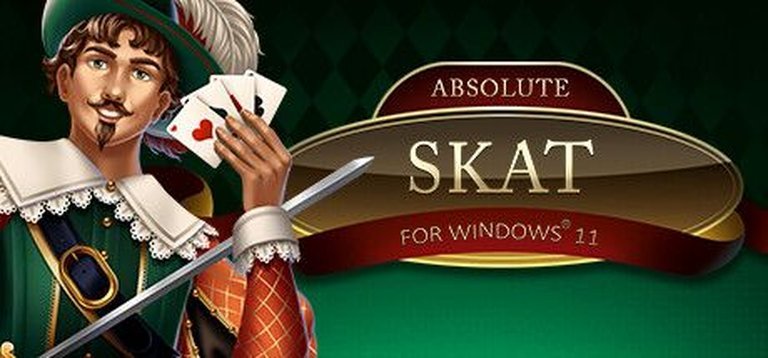
Absolute Skat for Windows 11 is a digital implementation of the classic German trick-taking card game Skat, developed and published by magnussoft Deutschland GmbH for Windows platforms. It features intelligent AI opponents, voice output for players, extensive game evaluation tools, and realistic card gameplay from 1st-person or top-down perspectives on a fixed/flip-screen interface, providing an immersive single-player gambling experience optimized for Windows 11.
Where to Buy Absolute Skat for Windows 11
PC
Absolute Skat for Windows 11 Reviews & Reception
steambase.io (17/100): Player Score of 17 / 100.
games-popularity.com (17/100): 16.67% positive (1/6).
Absolute Skat for Windows 11: Review
Introduction
In an era where video games boast sprawling open worlds, cinematic narratives, and multiplayer spectacles, Absolute Skat for Windows 11 stands as a defiant relic—a digital homage to one of Germany’s most cherished pastimes: the trick-taking card game Skat. Released on May 5, 2023, by magnussoft Deutschland GmbH, this title updates a 2010 predecessor (Absolute Skat) specifically for Windows 11, promising “a great evening of Skat” with intelligent AI opponents, voice-acted banter, and a suite of rule variants. As a game historian, I’ve chronicled the evolution of digital board and card games from early DOS ports to modern Steam indies, and Absolute Skat exemplifies the niche persistence of cultural simulations. Yet, its thesis is bittersweet: while faithfully recreating Skat’s strategic depth and social ritual for solo players, it stumbles as a $12.99 Steam release, offering minimal innovation in a market oversaturated with polished digital card experiences, rendering it a curiosity for purists rather than a broader triumph.
Development History & Context
magnussoft Deutschland GmbH, a German studio with a portfolio leaning toward casual simulations and puzzle games, helmed both development and publishing for Absolute Skat for Windows 11. Known for titles like Absolute Rummy for Windows 11, Absolute Doppelkopf for Windows 11, and Absolute Schafkopf for Windows 11—all 2023 contemporaries—this release fits into a deliberate series reviving traditional German card games for modern PCs. The original Absolute Skat launched in 2010 amid the rise of browser-based casual gaming, but Absolute Skat for Windows 11 emerged in 2023 as a “new, redesigned version,” explicitly tailored for Microsoft’s latest OS with updated backgrounds, avatars, and card sets.
The 2023 gaming landscape was defined by Steam’s indie explosion, fueled by remote work during the COVID-19 aftermath and accessible tools like Unity. Card games thrived in this environment—think Balatro‘s roguelike twist or Marvel Snap‘s mobile polish—but Absolute Skat faced technological constraints rooted in its simplicity: fixed/flip-screen visuals, point-and-click interface, and modest specs (512 MB RAM minimum, 200 MB storage). magnussoft’s vision appears straightforward: digitize Skat’s tactile, pub-night essence for aging Windows users nostalgic for physical decks, incorporating variants like Ramschen (bidding frenzy), Kontra/Re (doubling stakes), Bierlachs (beer-fueled chaos), Bockrunden (escalating rounds), and “With 30 out of Schneider” (null-game thresholds). No grand ambition here; it’s a budget update ($12.99 MSRP, dipping to $11.04 historically) amid giants like Epic and GOG, prioritizing fidelity over flash. This conservative approach echoes early 2000s shareware card sims, but in 2023, it feels anachronistic against Steam’s demand for achievements, cloud saves, and visual flair.
Narrative & Thematic Deep Dive
Absolute Skat for Windows 11 eschews traditional storytelling for an emergent “narrative” woven from simulated social dynamics—a virtual tavern brawl over cards, where the plot unfolds through AI opponents’ voiced taunts and tactical mind games. Skat, historically a 19th-century German invention blending euchre and whist for three players, carries themes of cunning deception, risk assessment, and camaraderie; the game captures this sans overt plot, positioning you as the lone human against two digitized rivals in endless rounds.
Characters manifest as customizable avatars with distinct personalities inferred from “voice output of the players”—gruff German-accented banter (English/German audio support) that quips during bids, tricks, and losses, evoking rowdy Bierkeller nights. No deep backstories, but the AI’s “intelligence” implies archetypes: aggressive bidders pushing Ramschen, conservative players calling Kontra to double losses, or opportunistic foes in Bierlachs mode. Dialogue is functional—announcing bids like “Grand with hearts” or “Re!”—but lacks the flavorful scripting of modern titles like Inscryption. Thematically, it explores Schadenfreude and Gemütlichkeit: triumph in Schneider (opponents scoring zero) mirrors real-life gloating, while tournament modes (Seeger/Fabian counting) simulate escalating rivalries.
Underlying motifs delve into cultural preservation amid digital transience. Skat’s null games (aiming for zero tricks) symbolize futile ambition, paralleling magnussoft’s quixotic quest to digitize a game resistant to gamification—no heroes, just faceless avatars on interchangeable backgrounds. French/German deck options nod to pan-European heritage, but the absence of multiplayer or persistent campaigns leaves the “story” repetitive, a solipsistic loop of wins/losses evaluated in exhaustive stats. It’s poetic in its austerity: a thesis on tradition’s endurance, yet critiqued for shallow emotional investment.
Gameplay Mechanics & Systems
At its core, Absolute Skat for Windows 11 masterfully implements Skat’s intricate loops: bidding (determine declarer’s contract via Null, Schneider, or suit/grand games), trick-taking (lead suits, trumps, matadors), and scoring (multipliers for games, Kontras). The point-and-select interface shines in 1st-person/top-down views, flipping between hand close-ups and table overviews for crisp card play. Variants enrich replayability:
- Ramschen: Frenetic pre-bidding auctions for trump selection.
- Kontra/Re: Doubling mechanics amplifying tension.
- Bierlachs/Bockrunden: Penalty rounds for failures, stacking stakes.
- With 30 out of Schneider: Custom null thresholds.
- Tournament counting (Seeger/Fabian): Progressive scoring for sessions.
AI opponents are a highlight—”intelligent” enough to bluff bids, adapt to your style, and voice strategic calls—though Steam’s dismal 17/100 player score suggests inconsistencies (1 positive/5 negative of 6 reviews). Progression is statistical: extensive evaluation tracks win rates, average multipliers, and variant mastery, with customizable decks/fields for personalization. UI flaws emerge: fixed-screen limits dynamism, no tutorials for newcomers (Skat’s 32-card deck, unique scoring alienate casuals), and absent online multiplayer hampers social loops.
Innovations are sparse—Steam Cloud for saves is welcome—but flaws abound: clunky avatar swaps, dated animations, and minimal accessibility (no color-blind modes). Core loop excels for veterans (45-60 minute “evenings”), but lacks depth like deck-building or roguelike elements, feeling like competent shareware.
| Mechanic | Strengths | Weaknesses |
|---|---|---|
| Bidding | Nuanced AI reads | Voice overlap muddies audio |
| Trick-Taking | Precise point-select | No undo/rewind |
| Variants | 5+ modes, customizable | Toggle overload in menus |
| Evaluation | Detailed stats dashboards | No leaderboards/achievements |
| Progression | Session tournaments | No unlocks/meta-progression |
World-Building, Art & Sound
The “world” is a minimalist tabletop realm: flip-screen tables with new Windows 11-era backgrounds (cozy pubs? Abstract patterns—inferred from “new backgrounds”), avatars (cartoonish Germans?), and card sets (French suits vs. German bells/acorns). Visual direction prioritizes readability—crisp 2D cards, top-down clarity—but lacks polish; no screenshots on MobyGames/Steam suggest bland assets, evoking 2010 origins over 2023 standards.
Atmosphere hinges on sound: voice output delivers authentic Skat patter (“Pass!”, “Kontra!”), fostering immersion in solitary play. Ambient effects (card shuffles, chips) and German/English duality enhance cultural fidelity, but repetition grates without dynamic music. These elements coalesce into Gemütlichkeit—cozy evenings alone—yet underwhelm visually, contributing a nostalgic but unremarkable experience.
Reception & Legacy
Launch reception was tepid: no MobyGames critic scores, zero player reviews there, and Steam’s 16.67% positive (1/6 reviews) yields a 17/100 player score. Negative feedback likely targets value ($12.99 for basics), AI glitches, and lack of multiplayer/modern features amid 2023’s card game boom. Commercially obscure (0 top-seller rank, minimal players online), it sold modestly via Steam.
Legacy endures in niches: part of magnussoft’s “Absolute” Windows 11 series, preserving Skat amid declining physical play. Influences are tangential—echoes in Tabletop Simulator mods or cultural sims like Through the Ages apps—but no industry ripples. Reputation has stagnated; as a 2023 artifact, it’s footnote fodder for historians tracking digital folklore, not a pacesetter.
Conclusion
Absolute Skat for Windows 11 is a labor of niche love: faithful Skat digitization with smart AI, variants, and voice charm, ideal for German expats craving solo sessions. Yet, its barebones UI, absent innovations, and poor reception cement it as a relic—charming for purists (7/10 enthusiasts), middling for generalists (4/10). In video game history, it occupies a humble pedestal among cultural simulators, a reminder that not all legends need reinvention. Recommended for Skat aficionados; skip otherwise—seek Balatro for thrills. Final Verdict: Niche Nostalgia (5.5/10).