
- Release Year: 2020
- Platforms: Macintosh, Windows
- Publisher: Cadaver Carnival Studios
- Developer: Cadaver Carnival Studios
- Genre: Adventure
- Perspective: 3rd-person
- Game Mode: Single-player
- Gameplay: Visual novel
- Setting: Futuristic, Sci-fi
- Average Score: 88/100
- Adult Content: Yes
Description
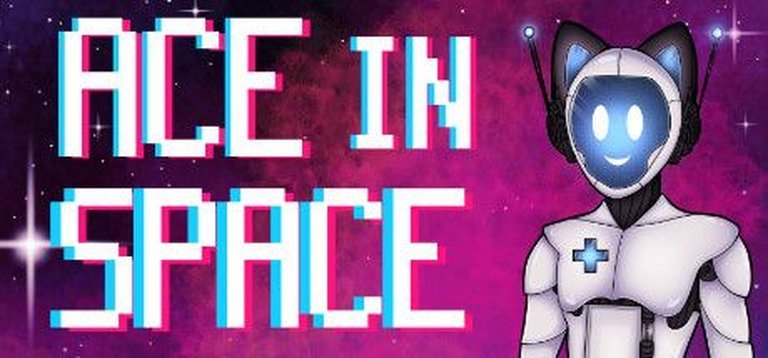
Ace in Space is a sci-fi visual novel and dating sim where you play as Adrian ‘Enby’ Clarke, one of 300 abducted humans resettled on the distant planet T-3R4 under the care of benevolent robotic Guardians. As a cancer patient with a shaved head from chemotherapy, Enby navigates building relationships with fellow settlers and alien robots, shaping the new society while documenting their experiences in a blog called ‘anace-inspace.’ The game explores themes of identity, romance (including robosexual and LGBTQ+ options), and survival in a futuristic setting, blending humor and heartfelt storytelling.
Where to Buy Ace in Space
PC
Ace in Space Guides & Walkthroughs
Ace in Space Reviews & Reception
steambase.io (88/100): Ace In Space has earned a Player Score of 88 / 100.
store.steampowered.com (89/100): All Reviews: Positive (89% of 37)
Ace in Space Cheats & Codes
PC
Type the code during the introduction sequence or during the game and press the action key.
| Code | Effect |
|---|---|
| borf | View FMV sequences |
| DODEMODEXTER | Shows the entire game completed |
Ace in Space: A Masterclass in Narrative Depth and Emotional Resonance
Introduction: A Game That Defies Expectations
Ace in Space (2020) is not just another visual novel—it is a poignant, introspective journey that challenges the conventions of its genre while delivering a deeply personal narrative. Developed by the indie studio Cadaver Carnival Studios, this asexual dating sim subverts expectations by blending sci-fi escapism with raw, human (and robotic) vulnerability. At its core, it is a story about mortality, self-care, and the fragile beauty of connection, all wrapped in a deceptively charming veneer of interstellar romance.
The game’s premise is simple yet profound: Adrian “Enby” Clarke, a non-binary, asexual cancer patient, is abducted by benevolent robots and offered a chance to live out their remaining days on the distant planet T-3R4. What follows is a narrative that oscillates between hope and despair, forcing players to confront difficult choices about love, health, and legacy. Unlike traditional dating sims, Ace in Space does not reward manipulation or “winning” a partner—instead, it asks players to reflect on what truly matters in a life cut short.
This review will dissect Ace in Space across its development, narrative, gameplay, and legacy, arguing that it stands as one of the most thematically ambitious visual novels of the 2020s.
Development History & Context: A Labor of Love
The Studio Behind the Game
Cadaver Carnival Studios, a small LGBTQ+-led team, developed Ace in Space as a passion project. The game’s origins trace back to an unfinished short story titled “Leaving Earth,” which was later adapted into a visual novel over 632 days of development. The team’s dedication is evident in the game’s meticulous writing (45,798 words of dialogue) and handcrafted art (236 images), all built using the Ren’Py engine, a popular tool for indie visual novels.
Technological and Cultural Constraints
Released on Valentine’s Day 2020, Ace in Space entered a gaming landscape dominated by mainstream dating sims like Dream Daddy and Hatoful Boyfriend. However, it distinguished itself by centering an asexual, non-binary protagonist—a rarity in gaming at the time. The developers leveraged Steam, itch.io, and Humble Bundle for distribution, ensuring accessibility while maintaining creative control.
The Gaming Landscape of 2020
The late 2010s and early 2020s saw a surge in queer indie games, but few tackled themes of chronic illness and mortality with such honesty. Ace in Space arrived alongside titles like If Found… and Eliza, which also explored LGBTQ+ narratives, but its sci-fi setting and focus on asexuality set it apart.
Narrative & Thematic Deep Dive: A Story About Life, Death, and Choice
Plot Overview
Enby’s journey begins with their abduction by Zipper, a robotic medical officer, who offers them a new life on T-3R4. The planet is a utopia free from Earth’s systemic oppressions, but Enby’s cancer remains a looming threat. The narrative unfolds through blog posts, dialogue choices, and relationship-building, with Enby’s health deteriorating unless they prioritize treatment.
Themes: Mortality, Self-Care, and Legacy
-
The Illusion of Escape
- T-3R4 represents a fantasy of liberation, yet Enby’s illness follows them, reinforcing that no utopia can erase personal struggles.
- The game’s eight endings (six of which result in Enby’s death) underscore that romance alone cannot save a life.
-
The Cost of Connection
- Unlike traditional dating sims, Ace in Space does not guarantee happy endings.
- Pursuing relationships with characters like Fern (a terminally ill robot) or Forge (a stoic engineer) often comes at the cost of Enby’s health.
- The Zipper-Good ending (the only fully positive romance route) requires Enby to prioritize therapy and treatment, framing self-care as the ultimate act of love.
-
Asexuality and Non-Binary Identity
- Enby’s identity is never treated as a gimmick—their asexuality and non-binary gender are integral to their character.
- The game normalizes queer relationships without fetishizing them, a rarity in dating sims.
Character Analysis
- Zipper: The compassionate robot who serves as Enby’s doctor and potential love interest. Their relationship is the most emotionally fulfilling, but only if Enby chooses life over romance.
- Fern: A fellow terminally ill being who encourages Enby to fight for survival, creating a bittersweet dynamic.
- Forge: A friend who writes Enby’s eulogy in one ending, emphasizing that legacy is built through connection, not just romance.
Gameplay Mechanics & Systems: A Subversive Take on Dating Sims
Core Gameplay Loop
- Menu-driven choices determine Enby’s relationships and health.
- No “fail states”—even rejected dates or early deaths contribute to the narrative.
- Blog posts serve as a meta-commentary on Enby’s emotional state.
Innovations and Flaws
✅ No Manipulation Mechanics: Unlike Dream Daddy, players cannot “game” relationships—dialogue choices reflect genuine emotion.
❌ Limited Replayability: Some players may find the lack of traditional “winning” conditions frustrating.
✅ Health as a Resource: Enby’s cancer progression is tied to player choices, making self-care a mechanical necessity.
World-Building, Art & Sound: A Utopia with a Dark Edge
Setting and Atmosphere
- T-3R4 is a vibrant, alien world, but its beauty is undercut by Enby’s mortality.
- The fixed/flip-screen visuals create an intimate, almost theatrical experience.
Sound Design
- The soundtrack is minimal but effective, using soft synths to evoke both wonder and melancholy.
Reception & Legacy: A Cult Classic in the Making
Critical and Commercial Reception
- Steam Reviews: 89% positive (37 reviews).
- Player Feedback: Many praised its emotional depth, though some were unprepared for its bleak endings.
- Lack of Mainstream Coverage: Despite its LGBTQ+ themes, it remains underrated compared to bigger indie darlings.
Influence on the Genre
- Proved that dating sims can be thematically complex.
- Paved the way for more asexual representation in games.
Conclusion: A Masterpiece of Emotional Honesty
Ace in Space is not just a dating sim—it is a meditation on what it means to live, love, and die with dignity. Its unflinching portrayal of mortality and subversion of genre tropes make it a standout title in visual novel history.
Final Verdict: 9/10 – A must-play for fans of narrative-driven games, but be prepared for an emotional journey.
Key Takeaways:
– Best Ending: Zipper-Good (requires self-care).
– Most Heartbreaking: Forge’s eulogy ending.
– Why It Matters: It redefines what a dating sim can be—a story about life, not just romance.
Ace in Space is a rare gem—a game that doesn’t just tell a story, but makes you feel the weight of every choice. Play it, reflect on it, and remember: sometimes, the most radical act is choosing to heal.