
- Release Year: 2013
- Platforms: Windows
- Publisher: LN Games
- Developer: LN Games
- Genre: Adventure
- Perspective: 3rd-person (Other)
- Game Mode: Single-player
- Gameplay: Graphic adventure, Puzzle elements
Description
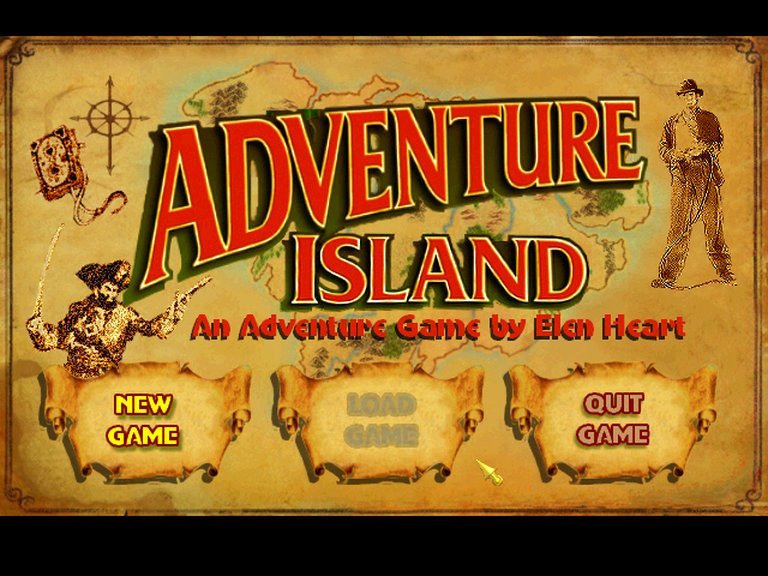
Adventure Island is a traditional point-and-click adventure game paying homage to classics like Myst and Monkey Island. Players step into the role of protagonist Annie Player, who investigates a newly discovered island to locate a group of missing scientists. As she uncovers intricate puzzles and hidden mysteries, Annie stumbles upon a sinister plot with catastrophic implications for humanity. The game blends exploration, puzzle-solving, and narrative-driven gameplay in a light-hearted yet suspenseful tropical setting.
Gameplay Videos
Where to Buy Adventure Island
PC
Adventure Island Free Download
Adventure Island Reviews & Reception
vgmuseum.com : Overall, the game needs some extra spice — maybe throw in a Godzilla here and there.
honestgamers.com : It’s a total ripoff of Wonder Boy on one hand because it’s simply just a clone.
Adventure Island: Review
Adventure Island, a classic platformer developed by Hudson Soft, stands as a testament to the golden age of 8-bit gaming. Originally released in 1986 for the Famicom and MSX, and later for the Nintendo Entertainment System (NES) in 1988, Adventure Island has left an indelible mark on the gaming landscape. This review will delve into the game’s development history, narrative depth, gameplay mechanics, world-building, and its enduring legacy.
Development History & Context
Adventure Island began as a direct port of the Sega arcade game Wonder Boy, developed by Escape (later known as Westone Bit Entertainment). Hudson Soft obtained the rights to the game’s code but not the characters or title, leading to a unique adaptation. The protagonist, Takahashi Meijin, was modeled after Hudson Soft’s spokesman, Toshiyuki Takahashi, and renamed Master Higgins for the western release. This strategic move allowed Hudson Soft to create a distinct identity for the game while leveraging the popularity of the original Wonder Boy.
The technological constraints of the era required Hudson Soft to optimize the game for the NES, resulting in a streamlined yet engaging experience. The gaming landscape of the mid-1980s was dominated by platformers, and Adventure Island stood out with its challenging gameplay and vibrant visuals. The game’s success paved the way for numerous sequels and spin-offs, solidifying its place in gaming history.
Narrative & Thematic Deep Dive
Plot
Adventure Island follows the journey of Master Higgins, a young adventurer who embarks on a quest to rescue Princess Tina from the clutches of the Evil Witch Doctor. The game is divided into eight worlds, each containing four stages and culminating in a boss battle. The narrative is straightforward, focusing on the thrill of exploration and combat rather than intricate storytelling.
Characters
Master Higgins is the protagonist, known for his agility and determination. Princess Tina, the damsel in distress, adds a romantic element to the story. The Evil Witch Doctor serves as the primary antagonist, with his multiple forms providing a recurring challenge throughout the game.
Dialogue & Themes
The game’s dialogue is minimal, with the focus on action and exploration. Themes of bravery, perseverance, and the triumph of good over evil are prevalent, reflecting the classic adventure genre. The game’s simplicity in narrative allows players to immerse themselves in the gameplay mechanics without being bogged down by complex storylines.
Gameplay Mechanics & Systems
Core Gameplay Loops
Adventure Island’s core gameplay revolves around platforming, combat, and exploration. Players navigate through various environments, from lush forests to treacherous caves, collecting items and battling enemies along the way. The game’s difficulty is balanced, requiring precision and strategy to progress.
Combat
Combat in Adventure Island is straightforward yet challenging. Master Higgins can acquire weapons such as the stone axe and magical fireballs, which are essential for defeating enemies and bosses. The game’s timing and precision are crucial, as a single mistake can result in a game over.
Character Progression
Character progression in Adventure Island is minimal, focusing more on the acquisition of weapons and items rather than traditional leveling systems. The game’s challenge lies in mastering the controls and understanding the enemy patterns.
UI
The user interface is simple and intuitive, with a health meter and score display at the top of the screen. The game’s visuals are vibrant and colorful, with detailed sprites and backgrounds that bring the world to life.
Innovative or Flawed Systems
One of the game’s innovative systems is the hunger meter, which depletes over time and requires players to collect food items to replenish. This mechanic adds an extra layer of challenge, forcing players to manage their resources carefully. However, the game’s difficulty can be frustrating for some players, with precise timing and reflexes required to progress.
World-Building, Art & Sound
Setting
Adventure Island is set on a tropical island filled with diverse environments, from lush forests and treacherous caves to icy mountains and volcanic landscapes. Each world is distinct, offering a variety of challenges and visuals.
Atmosphere
The game’s atmosphere is vibrant and engaging, with colorful visuals and upbeat music that complement the action. The sound design is minimalistic, with sound effects that enhance the gameplay experience.
Visual Direction
The visual direction of Adventure Island is characterized by its detailed sprites and backgrounds, which bring the game’s world to life. The game’s art style is reminiscent of the 8-bit era, with a focus on simplicity and functionality.
Sound Design
The sound design is minimalistic, with sound effects that enhance the gameplay experience. The game’s music is upbeat and energetic, complementing the action and adding to the overall atmosphere.
Reception & Legacy
Adventure Island received critical acclaim upon its release, praised for its challenging gameplay and vibrant visuals. The game’s legacy is evident in its numerous sequels and spin-offs, as well as its influence on subsequent platformers. Adventure Island’s impact on the gaming industry is undeniable, with its innovative mechanics and engaging gameplay setting a standard for the genre.
Conclusion
Adventure Island is a classic platformer that stands the test of time. Its challenging gameplay, vibrant visuals, and engaging narrative make it a must-play for fans of the genre. The game’s legacy is evident in its numerous sequels and spin-offs, as well as its influence on subsequent platformers. Adventure Island’s place in video game history is secure, and its impact on the industry will be felt for generations to come.