
- Release Year: 2013
- Platforms: Nintendo 3DS, PlayStation 3, PlayStation Now, Wii U, Windows, Xbox 360
- Publisher: D3Publisher of America, Inc.
- Developer: WayForward Technologies, Inc.
- Genre: Action
- Perspective: Diagonal-down
- Game Mode: Co-op, Single-player
- Gameplay: Dungeon crawler, Hack and Slash
- Setting: Fantasy
- Average Score: 43/100
Description
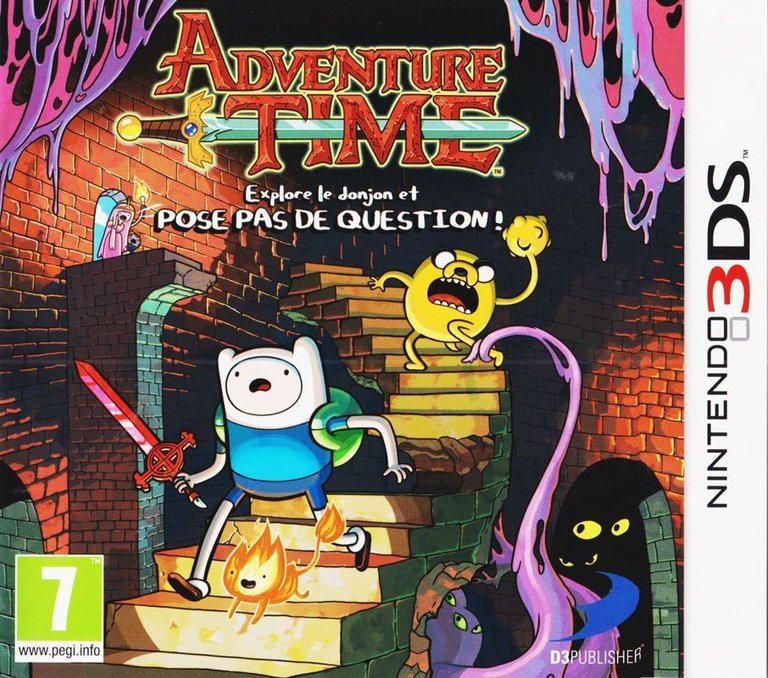
Adventure Time: Explore the Dungeon Because I Don’t Know! is a 2D scrolling action game set in the fantasy comedy world of Ooo from the Cartoon Network series, where players control Finn and Jake to explore mysterious dungeons filled with enemies and secrets, featuring voice acting by the original cast including Jeremy Shada, John DiMaggio, and Tom Kenny.
Gameplay Videos
Adventure Time: Explore the Dungeon Because I Don’t Know! Free Download
Adventure Time: Explore the Dungeon Because I Don’t Know! Cracks & Fixes
Adventure Time: Explore the Dungeon Because I Don’t Know! Guides & Walkthroughs
Adventure Time: Explore the Dungeon Because I Don’t Know! Reviews & Reception
metacritic.com (40/100): It’s not broken, it’s just dull. A disservice to the excellent franchise.
Adventure Time: Explore the Dungeon Because I Don’t Know!: Review
Introduction
Imagine delving into the whimsical, post-apocalyptic chaos of the Land of Ooo, only to find yourself trapped in a monotonous loop of skeleton-smashing and gold-grinding that feels as escaped from imagination as the dungeon’s own prisoners. Adventure Time: Explore the Dungeon Because I Don’t Know! (2013), the second licensed video game from Cartoon Network’s beloved animated series, promised fans a pixel-art romp through 100 floors of peril with the full voice cast and co-op hijinks. Directed by Tomm Hulett at WayForward Technologies and penned in part by series creator Pendleton Ward, it arrived amid the show’s peak popularity, following the modest success of Hey Ice King! Why’d You Steal Our Garbage?! (2012). Yet, this dungeon crawler embodies a tragic irony: a title whose very name admits ignorance, delivering a rote experience that squanders the franchise’s boundless creativity. My thesis is clear—this game is a well-intentioned but fundamentally flawed artifact of licensed tie-in excess, redeeming itself only sporadically through nostalgic charm and multiplayer larks, cementing its place as a cautionary tale in adaptation history.
Development History & Context
WayForward Technologies, fresh off retro-inspired hits like Contra 4 (2007) and Bloodstained: Ritual of the Night‘s precursors, tackled this project under D3 Publisher (North America) and Namco Bandai Games (PAL regions). Announced May 14, 2013, via IGN, it launched November 19 across PlayStation 3, Xbox 360, Windows, Nintendo 3DS, and Wii U—marking the first Adventure Time console outing. Pendleton Ward’s involvement as writer ensured fidelity to the show’s lore, with producers Simon Lai and Aaron Blean overseeing a team including designers Michael Herbster, Brody Brooks, Dwight Spaulding, and Barrett Velia; programmer David Ollman; and artist Jason Wright. Composers Jake Kaufman and Ian Stocker infused chiptune flair, echoing the series’ playful absurdity.
The 2013 gaming landscape brimmed with dungeon crawlers—Diablo III had expanded PC action-RPGs, while indies like Spelunky (2012) revolutionized roguelikes with procedural peril. Consoles hosted Gauntlet-style co-op revivals, yet licensed games often faltered amid rushed schedules and IP constraints. WayForward’s vision leaned retro: 16-bit visuals nodding to NES-era adventures, with fixed levels (not procedural, despite crawler vibes) across six dungeon biomes (Secret Royal Dungeon to Gum Hive) plus an infinite Nightosphere mode. Technological limits were modest—PC specs demanded only a Pentium 4 and Pixel Shader 3.0 support—but budget pressures yielded sparse enemy variety and glitches (e.g., PS3 save wipes, patched post-launch). DLC like Peppermint Butler (Steam pre-order, later consoles) hinted at post-launch support, but licensing woes led to delisting from digital stores by March 31, 2018. In essence, it was a mid-cycle tie-in squeezed between the show’s seasons, prioritizing accessibility over ambition.
Narrative & Thematic Deep Dive
At its core, the plot mirrors an Adventure Time episode: Princess Bubblegum (Hynden Walch) summons Finn (Jeremy Shada) and Jake (John DiMaggio) to probe thefts plaguing Candy Kingdom, tracing them to her inescapable Secret Royal Dungeon. “Explore because I don’t know!” she quips, launching a 100-floor descent into biomes from icy tunnels to ancient ruins and Bubblegum’s Gum Lab. Unlocked playable heroes—Marceline (Olivia Olsen), Cinnamon Bun (Dee Bradley Baker), Lumpy Space Princess (Pendleton Ward), Ice King (Tom Kenny), Flame Princess (Jessica DiCicco), Lemongrab (Justin Roiland), and DLC like Gunter—join via story beats, battling bosses like Demon Cat (Lex Lang), Goliad/Stormo, or dual Lemongrabs.
The reveal caps a whimsical arc: the escape culprit is Bubblegum’s gestating “parents,” a thousand-year-old pink Mother Gum blob (voiced implicitly through chaos), expanding uncontrollably. Bubblegum confesses her 827-year age, horrifying Ice King and prompting Marceline’s empathetic defense of familial secrets. Themes echo the show’s post-apocalyptic whimsy—independence from origins, hidden family shame (tying to “James” episode)—with fourth-wall breaks (Marceline: “being in a video game”) and censored zingers (Flame Princess’s “tart” barb at Bubblegum, muted in EU/US cuts). Dialogue shines via the full cast (e.g., Neil Patrick Harris as Prince Gumball, Miguel Ferrer as Death), blending comedy (Choose Goose vending) and lore (side quests from Tree Trunks, Susan Strong).
Yet, narrative depth falters: cutscenes are charming 8/16-bit animatics, but progression feels disjointed, with barebones plot padding repetitive floors. Side quests and familiars (e.g., Flambo, Tiny Manticore) add flavor, but themes of mystery and growth drown in mechanical tedium, reducing Ooo’s surrealism to backdrop.
Gameplay Mechanics & Systems
This isometric hack-and-slash crawler apes Gauntlet and Diablo, with diagonal-down 2D scrolling. Core loop: traverse fixed floors (five at a time, hub-return mandatory), slay foes (skeletons, Lub Glubs, bats), collect treasure/food/weapons, exit via hidden stairs. Combat basics—standard/charge attacks, timed block, character specials (e.g., Finn’s sword spin, Jake’s stretch)—feel floaty, with finicky hit detection and sparse patterns. Sub-weapons (Kitten Gun, Bananarangs, Ice Stars) and tokens (Wizard Eyes reveal traps, Candy Seeds boost heals) innovate mildly, but ammo scarcity frustrates.
Progression hinges on hub upgrades: Thumps (HP, Mr. Cupcake), Rowdiness (attack, Muscle Princess), Focus (charge speed, Lady Rainicorn), Imagination (specials meter, NEPTR). Familiars aid temporarily; BMO (Wii U/3DS) chirps 300+ hints. Local 4-player co-op (drop-in, no 3DS) shines for chaos, but solo grinds due to no XP—deaths reset five floors, buffs vanish on hub return. UI is minimalist (no map, exacerbating backtracking), with 100 floors (plus infinite Nightosphere at 70) bloating repetition. Bosses innovate (contextual nods to episodes), but late-game spikes (larger maps, spikier foes) feel padded. Glitches (save corruption, freezes) plagued launch; patches helped minimally. Flaws dominate: no loot thrill, enemy rote-ness, artificial length undermine the loop.
World-Building, Art & Sound
Ooo’s dungeon pulses with series atmosphere: Candy Kingdom’s sugary spires yield to icy tunnels, ruins, labs, and hives, hazards like pits/traps evoking peril. Fixed layouts (not random) ensure consistency but breed boredom, with biomes shifting visuals sans mechanical evolution. Pixel art—colorful 16-bit sprites, pseudo-3D cutscenes—nails retro homage, BMO’s SteelBook Collector’s Edition (3DS exclusive) a fan trinket. Wii U/3DS GamePad integrates BMO’s quips, enhancing immersion.
Sound excels: original cast (Tom Kenny’s manic Ice King, Ward’s brash LSP) delivers episode-caliber banter; Kaufman’s chiptune score (theme remix opener) captures glee. SFX pop crisply, but repetition (enemy grunts, BMO overload—toggleable) wears thin. Collectively, they immerse briefly, but sparse variety (generic foes over Ooo weirdos) flattens the world, making it feel like a skin-deep tribute.
Reception & Legacy
Critics lambasted it: Metacritic 33-47/100 (3DS/PS3/Wii U/X360), MobyGames 41% (24 critics). GameSpot (2/10): “dullest dungeon-crawling”; IGN (3.5/10): “stunning disappointment”; Destructoid (2/10): “disaster.” Gripes: repetition, no progression thrill, glitches, $40/60 price mismatch. Positives: co-op fun (Hey Poor Player 70%, Family Friendly Gaming 82%), fan service, voice work. Players averaged 2.5/5 (Moby). Commercial data scarce, but low collection (20-21 owners) and 2018 delisting signal flop.
Reputation hardened as “missed opportunity”—praised initial charm (Hardcore Gamer 3/5), damned for laziness (Rock Paper Shotgun: “insipid waste”). Influenced little; successors like Finn & Jake Investigations (2015) pivoted point-and-click. In industry, it exemplifies licensed pitfalls: IP adoration sans gameplay rigor, amid rising indie crawlers (The Binding of Isaac). Cult nostalgia persists for co-op sessions, but it’s a historical footnote—WayForward’s nadir, AT games’ low point.
Conclusion
Adventure Time: Explore the Dungeon Because I Don’t Know! tantalizes with Ooo’s magic—stellar voices, cute pixels, co-op giggles—but crumbles under repetitive drudgery, stingy progression, and unfulfilled promise. WayForward and Ward crafted a heartfelt homage shackled by crawler clichés and evident constraints, scoring momentary highs for diehards amid universal lows. In video game history, it resides as a quirky relic: not the catastrophe some claim, but a definitive “what if?” for licensed potential unrealized. Verdict: Skip unless co-op nostalgia calls—rent, don’t buy; a 4/10 curiosity best left undug. For true adventure, revisit the show or superior indies.