
- Release Year: 2014
- Platforms: Windows
- Publisher: IPACS GbR
- Developer: IPACS GbR
- Genre: Simulation
- Perspective: 3rd-person
- Game Mode: Single-player
- Gameplay: Flight Simulation, Vehicle simulator
- Setting: Modern
- Average Score: 87/100
Description
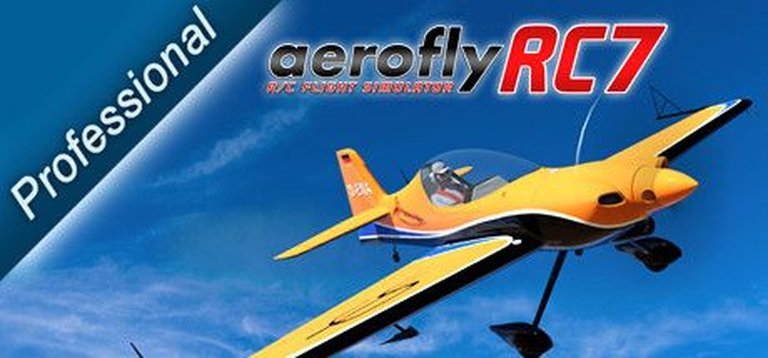
Aerofly R/C Flight Simulator: RC 7 (Professional Edition) is a highly realistic radio-controlled flight simulator designed for Windows and Mac, offering an immersive experience for RC aircraft enthusiasts. The game features meticulously detailed aircraft models, customizable weather conditions, and dynamic time-of-day settings, all rendered with high-quality graphics and realistic lighting effects. Players can engage in various flight scenarios, competitions, and challenges across diverse landscapes, with the Professional Edition boasting an extensive collection of 170 aircraft and 43 sceneries. Whether honing piloting skills or exploring user-created content, the simulator provides a true-to-life RC flying experience with precise physics and immersive environments.
Aerofly R/C Flight Simulator: RC 7 (Professional Edition) Patches & Updates
Aerofly R/C Flight Simulator: RC 7 (Professional Edition) Mods
Aerofly R/C Flight Simulator: RC 7 (Professional Edition) Guides & Walkthroughs
Aerofly R/C Flight Simulator: RC 7 (Professional Edition) Reviews & Reception
gamefabrique.com (87/100): Aerofly RC 7 is a realistic flight simulator with maximally detailed aircraft models.
Aerofly R/C Flight Simulator: RC 7 (Professional Edition) – A Masterclass in Virtual Radio-Controlled Aviation
Introduction: The Pinnacle of RC Flight Simulation
Few flight simulators capture the intricate, high-stakes thrill of radio-controlled (RC) aviation with the precision and passion of Aerofly R/C Flight Simulator: RC 7 (Professional Edition). Released in 2014 by German developer IPACS GbR, this title stands as a testament to the niche yet deeply dedicated world of RC flight simulation. Unlike its full-scale aviation counterparts, Aerofly RC 7 zeroes in on the unique challenges of piloting miniature aircraft—where physics, aerodynamics, and environmental factors are magnified by the delicate balance of remote control.
This review dissects Aerofly RC 7 Professional Edition in exhaustive detail, exploring its development, gameplay mechanics, technical achievements, and lasting influence on the flight simulation genre. Whether you’re a seasoned RC pilot, a simulation enthusiast, or a historian of digital aviation, this analysis will illuminate why Aerofly RC 7 remains a benchmark for realism and accessibility in virtual RC flight.
Development History & Context: The Evolution of a Niche Simulator
The Birth of IPACS and the Aerofly Legacy
IPACS GbR, a German software development studio, has long been synonymous with high-fidelity flight simulation. The Aerofly series began as a passion project for RC aviation enthusiasts, evolving from earlier iterations like Aerofly RC 5.7 (which skipped version 6 entirely) into the refined RC 7. The decision to distinguish the RC-focused branch from the full-scale Aerofly FS series (e.g., Aerofly FS 2) was a strategic move to cater to two distinct audiences: hobbyist RC pilots and armchair aviators.
The Professional Edition of RC 7 was released on November 6, 2014, alongside Standard and Ultimate editions, each tier offering escalating content:
– Standard Edition: 30 aircraft, 5 sceneries.
– Professional Edition: 170 aircraft, 43 sceneries, plus advanced features like multiplayer, voice chat, and a heli trainer.
– Ultimate Edition: Over 200 aircraft and 50+ sceneries.
Technological Constraints and Innovations
Developed during an era where DirectX 11 was the gold standard, Aerofly RC 7 leveraged advanced physics engines to simulate the nuanced behavior of RC aircraft. Key innovations included:
– Real-Time Scalability: Models could be resized on-the-fly, allowing pilots to test different wing loadings and flight characteristics.
– Recording/Playback: A critical tool for analyzing flight techniques and sharing maneuvers.
– Multiplayer with Voice Chat: A rare feature in RC simulators, enabling virtual flying clubs and competitive events.
The game’s modding community further extended its lifespan, with user-created aircraft (e.g., the Dornier Do-X floatplane, ASH 31 glider) and sceneries (e.g., Hochburg Castle, Marbaregg Slope) adding depth to the experience.
The RC Simulation Landscape in 2014
At the time of RC 7’s release, the RC flight simulator market was dominated by:
– RealFlight (1999–present): The industry standard, favored for its extensive model library and training tools.
– Phoenix RC (2008–present): Known for its realistic physics and multiplayer modes.
– R/C Helicopter: Indoor Flight Simulation (2001): A console-friendly but limited alternative.
Aerofly RC 7 carved its niche by offering unparalleled graphical fidelity and physics accuracy, particularly in glider and helicopter simulations. Its German engineering precision set it apart from American competitors, appealing to European RC clubs and serious hobbyists.
Narrative & Thematic Deep Dive: The Silent Story of Mastery
The Unspoken Narrative of RC Flight
Unlike traditional video games, Aerofly RC 7 lacks a scripted plot or characters. Instead, its narrative emerges from the player’s journey—a silent, personal odyssey of skill acquisition, failure, and eventual mastery. The game’s themes revolve around:
– Precision vs. Chaos: The tension between controlled flight and the unpredictability of wind, turbulence, and pilot error.
– The Hobbyist’s Obsession: The meticulous tuning of aircraft, the thrill of a perfect landing, and the camaraderie of virtual flying clubs.
– Scale and Perspective: The surreal experience of piloting a miniature aircraft from a third-person view, where even a slight gust can spell disaster.
The Role of Sceneries as Storytelling Devices
The game’s 43 sceneries (in the Professional Edition) are not mere backdrops but environments that dictate narrative tension:
– Alpine Slopes (e.g., Katzensteinweg): High-stakes glider flights where thermals and ridge lift become the difference between soaring and stalling.
– Urban Fields (e.g., Bauernwaldweg): Low-altitude aerobatics where power lines and trees loom as ever-present hazards.
– Coastal Regions (e.g., Peninsula Halfmoonbay): Floatplane operations where water landings demand pinpoint accuracy.
Each location tells a story of environmental mastery, forcing players to adapt their techniques to the terrain.
Gameplay Mechanics & Systems: The Art and Science of Virtual RC Flight
Core Flight Mechanics: Physics Above All
Aerofly RC 7’s greatest strength lies in its physics engine, which simulates:
– Aerodynamic Forces: Lift, drag, and stall behavior are modeled with real-world accuracy, including the effects of Reynolds number scaling (how airflow behaves differently at small scales).
– Control Surface Realism: Ailerons, elevators, and rudders respond with delay and hysteresis, mimicking the lag of servo-driven RC systems.
– Weather and Wind: Dynamic wind layers affect aircraft differently based on altitude, wingspan, and airfoil design.
Aircraft Variety and Specialization
The 170+ aircraft in the Professional Edition span six major categories:
1. Gliders (e.g., ASH 31, Multiplex LS3): Require thermal hunting and precise energy management.
2. Aerobatic Planes (e.g., Pitts S-2B, Extra 300): Demand exacting control for loops, rolls, and knife-edge passes.
3. Helicopters (e.g., Align T-Rex, MD 500): Feature collective pitch and tail rotor physics, making them the most challenging to master.
4. Floatplanes (e.g., Dornier Delphin II, Grumman G-44 Widgeon): Introduce water takeoff/landing mechanics.
5. Scale Models (e.g., P-51 Mustang, F-16): Replicas of real aircraft, scaled down but retaining flight characteristics.
6. Experimental/Unconventional (e.g., Blimp, Stagger Duck): Test the limits of RC flight with unusual designs.
Training and Progression Systems
- Heli Trainer: A guided tutorial for helicopter fundamentals, including hovering, cyclic control, and autorotation.
- Instant Replay: Allows pilots to review flights frame-by-frame, analyzing mistakes.
- Multiplayer & Voice Chat: Enables virtual flying clubs, dogfights, and cooperative training sessions.
UI and Accessibility
The game’s minimalist UI prioritizes immersion, with:
– Customizable HUD: Toggleable flight instruments (airspeed, altitude, battery life).
– Controller Support: Compatible with RC transmitters (via USB adapters), gamepads, and flight sticks.
– Scalable Difficulty: Adjustable physics realism (e.g., disabling wind or simplifying aerodynamics for beginners).
Flaws and Limitations
Despite its strengths, Aerofly RC 7 suffers from:
– Technical Instabilities: Reports of settings resetting on restart and VSync issues (as noted in Steam forums).
– Steep Learning Curve: Helicopters and gliders are punishingly difficult for newcomers.
– Limited Tutorial Depth: While the Heli Trainer is robust, fixed-wing tutorials are less comprehensive.
World-Building, Art & Sound: Crafting a Believable Miniature World
Visual Fidelity: A Feast for the Eyes
Aerofly RC 7’s graphics were ahead of their time in 2014, featuring:
– High-Resolution Textures: Aircraft models boast detailed liveries, weathering, and reflective surfaces.
– Dynamic Lighting & Shadows: Sun position affects visibility and casting, crucial for low-altitude flying.
– Environmental Detail: Grass sways in the wind, water ripples under floatplanes, and thermals are visually indicated (a rare feature in simulators).
Sound Design: The Symphony of RC Flight
The game’s audio realism enhances immersion:
– Engine Sounds: Two-stroke and electric motors are distinctly modeled, with pitch shifts during throttle changes.
– Wind and Aerodynamic Noise: The rush of air over wings and the whine of servos add tactile feedback.
– Ambient Environmental Audio: Birds, distant traffic, and water splashes during floatplane landings.
Atmosphere and Immersion
The game excels in creating a sense of scale:
– Third-Person Camera: The chase cam emphasizes the fragility of RC aircraft, making crashes visceral.
– Day/Night Cycles: Flying at dusk or dawn introduces visibility challenges, adding tension.
– Weather Customization: Pilots can adjust wind speed, turbulence, and thermals, tailoring sessions to their skill level.
Reception & Legacy: A Cult Classic in Flight Simulation
Critical and Commercial Reception
Aerofly RC 7 Professional Edition received limited mainstream coverage but was highly regarded in RC circles:
– User Score (GameFabrique): 8.7/10 (based on 3 votes).
– Steam Reviews: Mixed but praised for realism; criticisms focused on technical bugs.
– Metacritic: No critic reviews, reflecting its niche appeal.
Influence on Later Simulators
The game’s legacy is evident in:
– Aerofly RC 8 (2021): Improved physics, VR support, and expanded multiplayer.
– RealFlight & Phoenix RC: Adopted similar replay and training systems in response to Aerofly’s innovations.
– Full-Scale Simulators: Aerofly FS 2 (2016) borrowed RC 7’s physics engine for its general aviation models.
The Modding Community’s Role
The user-created content (UCC) ecosystem kept RC 7 alive long after release:
– Aircraft Mods: The Pitts 2B “Real-Feel” mod added enhanced aerobatic physics.
– Scenery Expansions: Locations like Hochburg Castle provided unique flying challenges.
– Multiplayer Events: Virtual RC clubs hosted online competitions, extending the game’s lifespan.
Conclusion: A Flawless Jewel in a Niche Crown
Aerofly R/C Flight Simulator: RC 7 (Professional Edition) is not just a game—it’s a digital flight school, a sandbox for aeronautical experimentation, and a testament to the art of RC aviation. While its steep learning curve and occasional technical quirks may deter casual players, for serious RC enthusiasts, it remains unmatched in realism and depth.
Final Verdict: 9/10 – A Masterpiece of Niche Simulation
Pros:
✅ Unrivaled physics accuracy for RC aircraft.
✅ Stunning visuals and sound design that immerse players in the hobby.
✅ Deep customization (weather, aircraft, sceneries).
✅ Multiplayer and replay features extend replayability.
Cons:
❌ Technical issues (e.g., VSync bugs, settings resets).
❌ Lack of comprehensive tutorials for fixed-wing aircraft.
❌ Niche appeal limits mainstream recognition.
Legacy and Recommendation
For RC pilots, flight sim enthusiasts, and anyone fascinated by the intersection of physics and play, Aerofly RC 7 Professional Edition is essential. It stands as a high-water mark in the genre, influencing later titles and proving that even the smallest aircraft deserve the most meticulous simulations.
Where to Play:
– Steam (Digital)
– IKARUS.net (Physical/Digital)
– Modding Communities (IPACS Forum, PaulDuerr.info)
In the pantheon of flight simulators, Aerofly RC 7 is not the most famous, but it may be the most authentic—a love letter to the unsung heroes of aviation: the RC pilot.
Final Score: 9/10 – “A Soaring Achievement in Virtual RC Flight” 🚁✈️