
- Release Year: 2009
- Platforms: Macintosh, Windows
- Publisher: Freeware / Free-to-play / Public Domain
- Developer: Emily Short
- Genre: Adventure
- Perspective: Text-based
- Game Mode: Single-player
- Gameplay: Conversational, Dynamic illustration, Interactive fiction, Text adventure
- Setting: Fantasy
- Average Score: 74/100
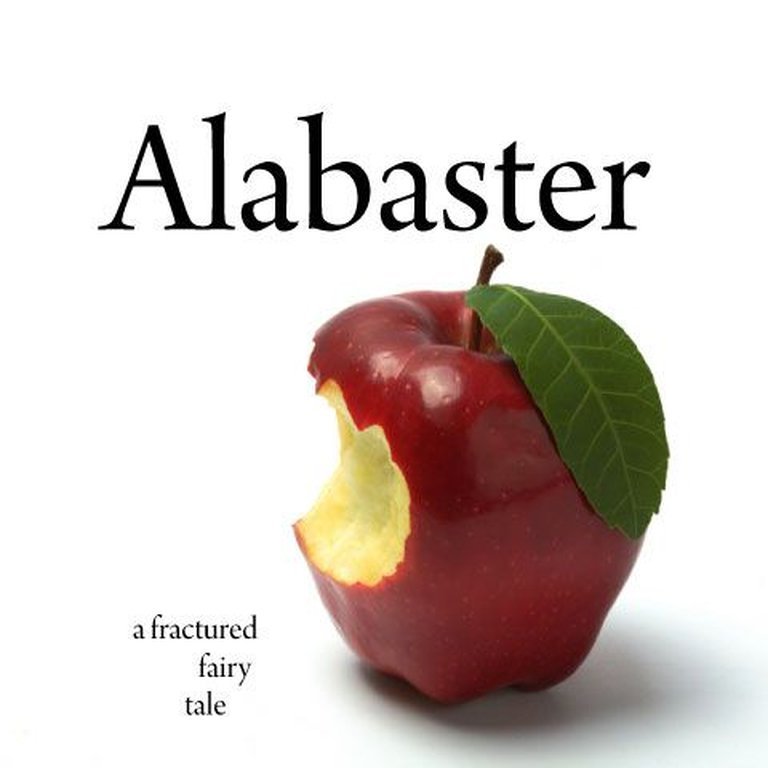
Description
Alabaster is a dark, interactive fiction reimagining of the Snow White fairy tale, where the player takes on the role of the woodsman tasked with executing Snow White. The game features deep conversational mechanics, with 415 dialogue fragments and 18 possible endings, as the player navigates complex interactions with Snow White, whose true nature—witch, vampire, or something else—remains ambiguous. The game also includes a dynamic illustration system that changes based on character moods and a unique command system (e.g., TOPICS, THINK, ENDINGS) to track progress and uncover hidden knowledge.
Where to Buy Alabaster
PC
Alabaster Guides & Walkthroughs
Alabaster Reviews & Reception
ifwiki.org (80/100): Winner: Best Individual NPC, Best Writing
videogamegeek.com (40/100): A fractured fairy tale by John Cater, Rob Dubbin, Eric Eve, Elizabeth Heller, Jayzee, Kazuki Mishima, Sarah Morayati, Mark Musante, Emily Short, Adam Thornton, & Ziv Wities
mobygames.com (82/100): Alabaster was a popular game at the 2009 XYZZY Awards, taking home top prizes in the Best Writing and Best Individual NPC categories
jayisgames.com (94/100): A superlative piece of work, in certain ways Alabaster is somewhat different than the majority of interactive fiction that we have previously reviewed.
Alabaster: A Fractured Fairy Tale Reimagined
Introduction
In the vast and often overlooked genre of interactive fiction, few works have managed to carve out a legacy as enduring and influential as Alabaster. Released in 2009, this dark reimagining of the classic Snow White fairy tale is not just a game—it is a masterclass in narrative depth, player agency, and collaborative creativity. Developed by a collective of talented writers led by the renowned Emily Short, Alabaster transcends the boundaries of traditional text adventures, offering an experience that is as intellectually stimulating as it is emotionally haunting. This review will delve into the game’s development, narrative intricacies, gameplay mechanics, and its lasting impact on the interactive fiction community.
Development History & Context
The Studio and Creative Vision
Alabaster was born from the mind of Emily Short, a luminary in the interactive fiction (IF) community, known for her innovative works such as Galatea and Bronze. Unlike many commercial games, Alabaster was developed as a collaborative experiment in “open authorship.” Short wrote the initial framework and introduction, after which ten other writers—John Cater, Rob Dubbin, Eric Eve, Elizabeth Heller, Jayzee, Kazuki Mishima, Sarah Morayati, Mark Musante, Adam Thornton, and Ziv Wities—contributed conversation text. This round-robin approach allowed each writer to build upon the others’ work, creating a rich tapestry of dialogue and narrative possibilities.
The game was developed using Inform 7, a programming language designed specifically for interactive fiction, and was released under the Glulx format, which allowed for more complex interactions and dynamic content than the traditional Z-machine format. The development process was meticulously documented in a series of blog posts, offering a rare glimpse into the creative synergy behind the project.
Technological Constraints and Innovations
At the time of its release in 2009, Alabaster pushed the boundaries of what was possible in interactive fiction. The game’s most significant innovation was its dynamic conversation system, which featured over 415 unique dialogue fragments. These fragments were not static; they changed based on the player’s choices, the characters’ moods, and the knowledge uncovered during gameplay. This system was a significant evolution from earlier text adventures, which often relied on linear or branching dialogue trees.
Another notable feature was the dynamic illustration engine, created by Daniel Allington-Krzysztofiak. This system generated procedural illustrations that shifted based on the characters’ emotional states and the player’s actions, adding a visual layer to the otherwise text-based experience. While not a graphical adventure in the traditional sense, these illustrations enhanced the game’s atmosphere and immersion.
The Gaming Landscape in 2009
The late 2000s were a period of resurgence for interactive fiction, thanks in part to the growing indie game movement and the proliferation of digital distribution platforms. Games like Alabaster benefited from this renewed interest, as players sought out experiences that prioritized narrative depth and player agency over flashy graphics and action-oriented gameplay. The XYZZY Awards, the most prestigious awards in the IF community, recognized Alabaster with top honors in Best Writing and Best Individual NPC (for Snow White), cementing its place as a standout title in the genre.
Narrative & Thematic Deep Dive
Plot Overview
Alabaster places the player in the role of the huntsman, a loyal servant of the Queen who has been ordered to kill Snow White and return with her heart. However, the huntsman has struck a secret deal with Snow White: he will spare her life and instead present the heart of a hart (a male deer) to the Queen. As the game begins, the huntsman and Snow White find themselves alone in the woods, where the huntsman must decide whether to uphold his bargain or uncover the truth about Snow White’s mysterious nature.
The game’s narrative is far from a straightforward retelling of the Snow White fairy tale. Instead, it presents a “fractured” version of the story, where nothing is as it seems. The Queen is revealed to be a demon-possessed witch, Snow White may be a vampire or a witch herself, and even the huntsman harbors dark secrets. The story unfolds through a series of conversations between the huntsman and Snow White, with the player’s choices determining which of the game’s 18 possible endings they will experience.
Characters and Dialogue
The heart of Alabaster lies in its characters and their interactions. Snow White is a complex and enigmatic figure, whose true nature is shrouded in mystery. She is not the innocent maiden of the original fairy tale but a potentially dangerous entity with a dark past. The huntsman, too, is more than a simple servant; his backstory is intertwined with the kingdom’s history, and his choices will determine whether he remains a pawn in the Queen’s schemes or becomes a key player in unraveling the truth.
The dialogue in Alabaster is nothing short of extraordinary. The game’s conversation system is designed to feel organic and dynamic, with Snow White’s responses shifting based on the huntsman’s tone, the topics discussed, and the knowledge uncovered. The writers employed a sophisticated system of “quips” (snippets of conversation) that could be triggered in various contexts, ensuring that no two playthroughs would feel identical. This system allowed for a level of depth and replayability that was unprecedented in interactive fiction at the time.
Themes and Symbolism
Alabaster is a game steeped in themes of deception, identity, and moral ambiguity. The fractured fairy tale framework allows the game to explore these themes in a way that feels both familiar and unsettling. The Queen’s descent into madness, Snow White’s possible vampirism, and the huntsman’s hidden past all serve to subvert the expectations of the original story, forcing the player to question who the true villain is.
One of the most compelling themes in Alabaster is the idea of perspective. The game is told from the huntsman’s point of view, a character who is traditionally a minor figure in the Snow White narrative. This shift in perspective allows the game to explore the story from a fresh angle, challenging the player to reconsider their preconceived notions about the characters and their motivations.
The game also delves into themes of power and control. The Queen’s obsession with beauty and her use of dark magic to maintain her youth reflect a desire for control over her own fate, while Snow White’s possible demonic possession suggests a struggle for autonomy. The huntsman, caught between these two forces, must navigate a web of lies and half-truths to determine his own path.
Gameplay Mechanics & Systems
Core Gameplay Loop
At its core, Alabaster is a conversation-driven game. The player’s primary interaction with the world is through dialogue with Snow White, though there are also opportunities to interact with other characters, such as the hart whose heart the huntsman has taken. The game’s mechanics are designed to facilitate this conversation, with a parser-based interface that allows the player to type commands such as ASK, TELL, and SAY to engage with Snow White.
The game’s most innovative mechanic is its dynamic conversation system. Unlike traditional text adventures, which often rely on static dialogue trees, Alabaster employs a system where the available conversation topics shift based on the player’s choices and the knowledge they have uncovered. This system is facilitated by the TOPICS command, which suggests potential conversation threads, and the THINK command, which allows the player to review the information they have gathered.
Combat and Character Progression
Alabaster is not a combat-heavy game, but it does feature moments of tension and conflict. The player’s choices can lead to violent confrontations, particularly if they provoke Snow White or attempt to harm her. However, the game’s focus is firmly on dialogue and exploration, with combat serving as a last resort rather than a primary mechanic.
Character progression in Alabaster is tied to the player’s knowledge and understanding of the story. As the player uncovers more information about Snow White, the Queen, and the huntsman’s own past, new conversation options and endings become available. This system encourages multiple playthroughs, as the player is rewarded for exploring different dialogue paths and uncovering hidden truths.
Inventory and Puzzle-Solving
While Alabaster is primarily a conversation-driven game, it does feature a minimal inventory system. The player can interact with objects in the environment, such as the hart’s heart or the Queen’s magic mirror, to uncover new information or trigger specific events. These interactions are often tied to the game’s puzzle-solving mechanics, which require the player to use their knowledge of the story to progress.
One of the most notable puzzles in the game involves the hart’s heart. The player must decide whether to present the heart to the Queen as proof of Snow White’s death or use it in other ways, such as burning it to break a curse or offering it to a demon. These choices have significant consequences, leading to different endings and revealing new layers of the story.
User Interface and Accessibility
Alabaster features a text-based interface, with the player interacting with the game through a parser that interprets their commands. The game’s UI is minimalist but effective, with a focus on clarity and ease of use. The dynamic illustration system adds a visual element to the game, with illustrations that change based on the characters’ moods and the player’s actions.
The game is designed to be accessible to both newcomers and veterans of interactive fiction. The TOPICS and THINK commands provide guidance for players who may be unfamiliar with parser-based games, while the depth of the conversation system offers a challenge for more experienced players. The game’s Merciful cruelty scale (a rating system used in IF to indicate the game’s difficulty and fairness) ensures that players are not punished overly harshly for their mistakes, making it a welcoming entry point for those new to the genre.
World-Building, Art & Sound
Setting and Atmosphere
Alabaster is set in a dark and twisted version of the Snow White fairy tale, where the kingdom is plagued by war, magic, and demonic forces. The game’s setting is richly detailed, with references to the dwarrows (a hostile race of dwarves), the Queen’s magic mirror, and the kingdom’s troubled history. The atmosphere is one of tension and unease, with the player constantly questioning the true nature of the characters and the world around them.
The game’s world-building is achieved primarily through dialogue and environmental details. Snow White’s erratic behavior, the Queen’s descent into madness, and the huntsman’s hidden past all contribute to a sense of a world that is far more complex and dangerous than the original fairy tale suggests. The game’s setting is further enhanced by its dynamic illustrations, which shift to reflect the characters’ emotional states and the player’s actions.
Visual Direction
While Alabaster is primarily a text-based game, its dynamic illustration system adds a visual dimension that enhances the player’s immersion. The illustrations, created by Daniel Allington-Krzysztofiak, are stark and evocative, with a focus on mood and atmosphere. They are not static images but rather procedural collages that change based on the characters’ moods and the player’s choices.
For example, the illustration of Snow White may shift from a serene and innocent depiction to a more sinister and demonic one as the player uncovers more about her true nature. Similarly, the huntsman’s illustration may reflect his internal struggle, with his expression and posture changing based on his choices and the knowledge he has gained. This dynamic system adds a layer of depth to the game’s visual presentation, making the world feel more alive and responsive.
Sound Design
Alabaster does not feature a traditional soundtrack or sound effects, in keeping with its roots in classic interactive fiction. However, the game’s lack of sound is not a detriment; instead, it allows the player to focus on the text and the dynamic illustrations, immersing themselves in the game’s rich narrative and atmospheric setting. The silence of the woods, the tension in the dialogue, and the weight of the player’s choices are all conveyed through the written word, making the experience feel more intimate and personal.
Reception & Legacy
Critical and Commercial Reception
Upon its release in 2009, Alabaster was met with widespread acclaim from both players and critics in the interactive fiction community. The game’s innovative conversation system, rich narrative, and dynamic illustrations were praised for their depth and originality. At the 2009 XYZZY Awards, Alabaster won awards for Best Writing and Best Individual NPC (for Snow White), and it was a finalist in the Best Use of Medium category. These accolades cemented the game’s reputation as a standout title in the genre.
Commercially, Alabaster was released as freeware, making it accessible to a wide audience. Its availability on multiple platforms, including Windows, Macintosh, and Linux, further contributed to its popularity. The game’s reception on platforms like MobyGames and IFDB (Interactive Fiction Database) was overwhelmingly positive, with players praising its replayability, narrative depth, and innovative mechanics.
Evolution of Reputation
In the years since its release, Alabaster has continued to be regarded as a classic of interactive fiction. Its reputation has only grown stronger as new players discover the game and appreciate its unique blend of narrative complexity and player agency. The game’s collaborative development process has also been highlighted as a model for future interactive fiction projects, demonstrating the potential of open authorship in creating rich and dynamic narratives.
Influence on Subsequent Games
Alabaster has had a significant influence on the interactive fiction genre, inspiring subsequent games to explore similar themes of moral ambiguity, perspective shifts, and dynamic conversation systems. Games like Cragne Manor (another collaborative project led by Emily Short) and The King of Shreds and Patches have drawn inspiration from Alabaster‘s approach to narrative and player interaction.
The game’s success has also contributed to the broader resurgence of interactive fiction in the indie game scene. Titles like 80 Days and Lifeline have built upon the foundations laid by games like Alabaster, offering players rich narrative experiences that prioritize choice and consequence. The game’s legacy is a testament to the power of interactive fiction as a medium for storytelling and player engagement.
Conclusion
Alabaster is more than just a game—it is a masterpiece of interactive fiction that challenges the player to question their assumptions, explore their choices, and uncover the truth in a world of deception and darkness. Its innovative conversation system, rich narrative, and dynamic illustrations set a new standard for the genre, while its collaborative development process demonstrated the potential of open authorship in creating complex and engaging stories.
The game’s legacy is one of influence and inspiration, with its impact felt in the interactive fiction community and beyond. For players seeking a deep, thought-provoking experience that rewards exploration and replayability, Alabaster is an essential play. It stands as a testament to the power of interactive fiction as a medium for storytelling, and its place in video game history is secure as one of the most innovative and compelling works of its kind.
Final Verdict: 9.5/10 – A Masterpiece of Interactive Fiction
Alabaster is a must-play for fans of narrative-driven games, offering a rich and immersive experience that rewards curiosity, critical thinking, and moral reflection. Its legacy as a groundbreaking work of interactive fiction is well-deserved, and its influence will continue to be felt for years to come.