
- Release Year: 2000
- Platforms: Windows
- Publisher: Joriko Interactive Limited
- Developer: Joriko Interactive Limited
- Genre: Adventure
- Perspective: 3rd-person
- Game Mode: Single-player
- Gameplay: Puzzle elements
- Setting: Fantasy
- Average Score: 69/100
Description
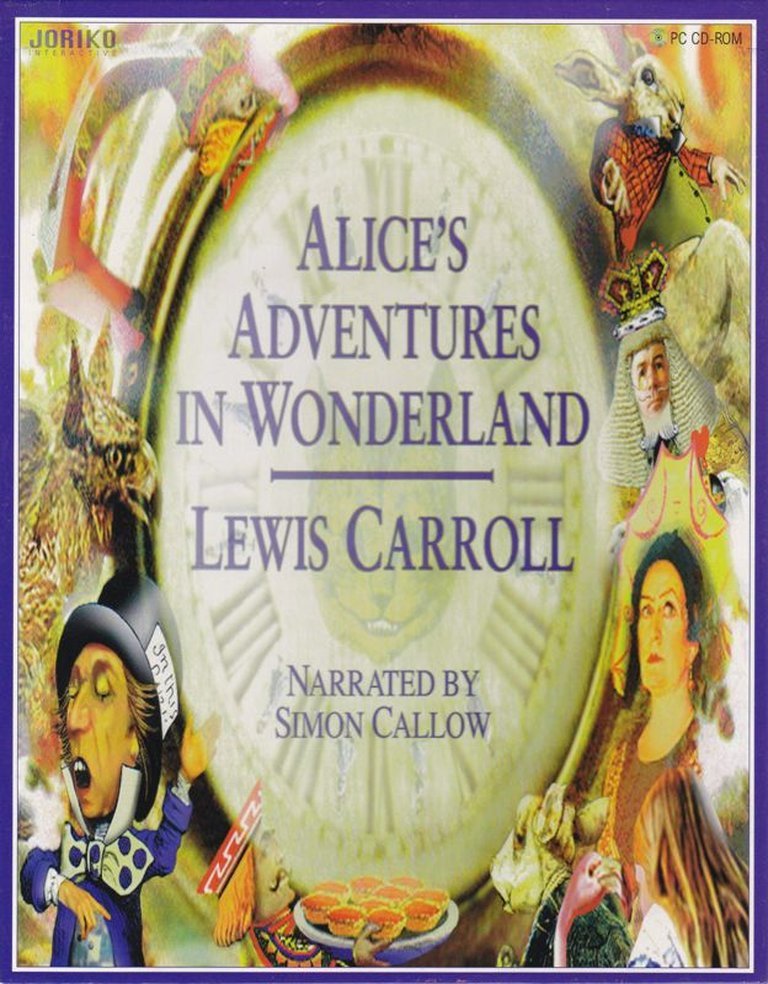
In ‘Alice’s Adventures in Wonderland’, players join Alice as she follows the White Rabbit down the rabbit hole into an interactive multimedia adaptation of Lewis Carroll’s classic tale. This point-and-click adventure features narration by Simon Callow, enchanting animations, and whimsical music while guiding Alice through twelve chapters of Wonderland. Players solve puzzles of varying complexity—from simple door-opening tasks to aiding the Dodo in organizing a caucus race—immersed in faithfully recreated scenes from the original story.
Gameplay Videos
Where to Buy Alice’s Adventures in Wonderland
PC
Alice’s Adventures in Wonderland Cracks & Fixes
Alice’s Adventures in Wonderland Guides & Walkthroughs
Alice’s Adventures in Wonderland Cheats & Codes
Game Boy (GB)
| Code | Effect |
|---|---|
| 01094fc1 | Stop Timer (Hide And Seek) |
| 016471c1 | Max Stars |
| 0101bbc0 | Always Small Alice! |
| 0105bac0 | Infinite Health |
| 0101b9c0 | Have Key |
Game Boy Color (GBC)
| Code | Effect |
|---|---|
| 016471C1 | Always Have 100 Stars |
| 0101BBC0 | Always Small Alice |
| 0105BAC0 | Infinite Health |
| 0102B9C0 | Infinite Keys |
| 01094FC1 | Stop Timer (Hide And Seek) |
| 0104AAC0 | Have All Medals |
| 01??ABC2 | Wins Modifier |
| 01??AAC2 | Loses Modifier |
Alice’s Adventures in Wonderland: Review
In the pantheon of classic literature, few works have captivated the imagination quite like Lewis Carroll’s “Alice’s Adventures in Wonderland.” Its surreal narrative and whimsical characters have inspired countless adaptations across various media, including video games. Among these adaptations, the 2000 PC game “Alice’s Adventures in Wonderland” stands out as a unique and intriguing attempt to translate Carroll’s timeless tale into an interactive experience. This review will delve into the game’s development history, narrative depth, gameplay mechanics, world-building, reception, and legacy, providing a comprehensive analysis of its place in video game history.
Introduction
“Alice’s Adventures in Wonderland” (2000) is a multimedia adaptation of Lewis Carroll’s classic novel, developed and published by Joriko Interactive Limited. Released during a time when CD-ROM-based adventure games were at their peak, this title aimed to capture the essence of Carroll’s surreal world through a combination of narration, animation, and interactive puzzles. The game’s legacy lies in its ambitious attempt to blend literary adaptation with interactive storytelling, making it a fascinating subject for analysis.
The thesis of this review is that “Alice’s Adventures in Wonderland” (2000) is a noteworthy example of how video games can interpret and expand upon classic literature, despite its flaws and limitations. By examining the game’s development, narrative, gameplay, and reception, we can gain insights into the challenges and opportunities of adapting literary works for interactive media.
Development History & Context
Studio and Creators’ Vision
Joriko Interactive Limited, the developer and publisher of “Alice’s Adventures in Wonderland,” was a relatively small studio compared to industry giants. The creators’ vision was to create an immersive, multimedia experience that would appeal to both children and adults familiar with Carroll’s work. The game was designed to be a faithful adaptation of the novel, with a strong emphasis on narration and visual storytelling.
Technological Constraints of the Era
The year 2000 marked a transitional period in the gaming industry. CD-ROM technology was still prevalent, but the shift towards more advanced graphics and interactive experiences was underway. “Alice’s Adventures in Wonderland” leveraged the capabilities of CD-ROMs to include high-quality narration by Simon Callow, detailed animations, and a variety of interactive puzzles. However, the game’s visuals and audio were limited by the technological constraints of the time, resulting in a somewhat dated presentation by modern standards.
Gaming Landscape
The gaming landscape in 2000 was dominated by a mix of genres, with adventure games, platformers, and role-playing games being particularly popular. “Alice’s Adventures in Wonderland” stood out as a unique entry in the adventure genre, focusing on puzzle-solving and exploration rather than combat or action. This approach was in line with other multimedia adaptations of the time, such as “Myst” and “The 7th Guest,” which emphasized atmosphere and puzzle-solving over traditional gameplay mechanics.
Narrative & Thematic Deep Dive
Plot and Characters
The game follows the plot of Lewis Carroll’s novel, with Alice venturing down the rabbit hole into the whimsical world of Wonderland. The narrative is divided into twelve chapters, each corresponding to a section of the book. The player controls Alice as she navigates through various locations, interacting with iconic characters such as the White Rabbit, the Cheshire Cat, and the Queen of Hearts.
The dialogue and narration are faithful to Carroll’s original text, with Simon Callow’s performance adding a layer of depth and charm. The characters are brought to life through a combination of voice acting and animated sequences, creating a immersive experience that stays true to the source material.
Themes
The game explores several themes central to Carroll’s work, including the absurdity of Wonderland, the challenges of growing up, and the power of imagination. The surreal and often nonsensical nature of the game’s world reflects the dreamlike quality of Carroll’s writing, inviting players to question the nature of reality and perception.
The game’s puzzles and challenges often require players to think creatively and outside the box, mirroring the themes of imagination and curiosity. For example, Alice must help the Dodo set up a caucus race, a task that involves arranging characters in a specific order based on their names. This puzzle not only tests the player’s memory and observation skills but also reinforces the game’s themes of logic and absurdity.
Dialogue and Puzzles
The dialogue in “Alice’s Adventures in Wonderland” is a highlight of the game, with Simon Callow’s narration providing a sense of continuity and immersion. The puzzles are varied in their complexity, ranging from simple tasks like opening doors to more complex challenges like solving jigsaw puzzles or aiding characters in their tasks. These puzzles are integrated seamlessly into the narrative, ensuring that the gameplay remains engaging and relevant to the story.
Gameplay Mechanics & Systems
Core Gameplay Loops
The core gameplay loop of “Alice’s Adventures in Wonderland” revolves around exploration, puzzle-solving, and interaction with characters. The game is presented in a 3rd-person perspective, with the player using a point-and-click interface to navigate Alice through the world. The puzzles are designed to be accessible yet challenging, requiring players to use their observation skills and knowledge of the story to progress.
Combat and Character Progression
Unlike many adventure games of the time, “Alice’s Adventures in Wonderland” does not feature combat or traditional character progression. Instead, the game focuses on puzzle-solving and exploration, with Alice’s abilities remaining consistent throughout the game. This approach aligns with the game’s emphasis on storytelling and immersion, rather than action or challenge.
User Interface
The user interface of “Alice’s Adventures in Wonderland” is straightforward and intuitive. The point-and-click controls are easy to learn, and the game provides clear feedback for player actions. The interface is designed to be unobtrusive, allowing players to focus on the narrative and puzzles without distractions.
Innovative or Flawed Systems
One of the game’s innovative features is its use of multimedia elements, such as narration and animation, to enhance the storytelling experience. However, the game’s reliance on CD-ROM technology means that the visuals and audio are somewhat dated by modern standards. Additionally, some puzzles may feel repetitive or overly simplistic, detracting from the overall experience.
World-Building, Art & Sound
Setting and Atmosphere
The world of “Alice’s Adventures in Wonderland” is a faithful recreation of Carroll’s surreal and whimsical landscape. The game’s visuals, while limited by the technology of the time, capture the essence of Wonderland with detailed animations and a vibrant color palette. The setting is brought to life through a combination of static backgrounds and animated sequences, creating a sense of immersion and depth.
Visual Direction
The art direction of “Alice’s Adventures in Wonderland” is heavily influenced by the original illustrations of John Tenniel, with a focus on whimsical and often nonsensical designs. The characters are designed to be both charming and unsettling, reflecting the dual nature of Wonderland. The game’s visuals are complemented by a variety of animated sequences, which add a layer of dynamism and engagement to the experience.
Sound Design
The sound design of “Alice’s Adventures in Wonderland” is a key component of its immersive experience. Simon Callow’s narration provides a sense of continuity and depth, while the background music and sound effects enhance the game’s atmosphere. The use of high-quality audio, combined with the game’s visuals, creates a cohesive and engaging multimedia experience.
Reception & Legacy
Critical and Commercial Reception
Upon its release, “Alice’s Adventures in Wonderland” received mixed reviews from critics. While the game was praised for its faithful adaptation of the source material and its use of multimedia elements, it was criticized for its dated visuals and repetitive puzzles. The game’s average critic score was 62%, indicating a generally positive but not exceptional reception.
Player reviews were similarly mixed, with some praising the game’s charm and others finding it lacking in depth and challenge. The game’s average player score was 3.8 out of 5, reflecting a divided opinion among its audience.
Influence on Subsequent Games and the Industry
Despite its mixed reception, “Alice’s Adventures in Wonderland” (2000) had a notable influence on subsequent games and the industry as a whole. The game’s use of multimedia elements, such as narration and animation, paved the way for other adventure games that focused on storytelling and immersion. Additionally, the game’s faithful adaptation of a classic literary work demonstrated the potential for video games to explore and expand upon established narratives.
The legacy of “Alice’s Adventures in Wonderland” can be seen in later adaptations of the story, such as “American McGee’s Alice” (2000) and “Alice: Madness Returns” (2011), which built upon the game’s foundations to create more complex and challenging experiences. These games, in turn, have influenced the development of modern adventure games, which often prioritize narrative and atmosphere over traditional gameplay mechanics.
Conclusion
“Alice’s Adventures in Wonderland” (2000) is a unique and ambitious attempt to adapt Lewis Carroll’s classic novel into an interactive experience. Despite its flaws and limitations, the game stands as a noteworthy example of how video games can interpret and expand upon classic literature. Its use of multimedia elements, faithful adaptation of the source material, and innovative gameplay mechanics make it a valuable contribution to the adventure genre and the broader gaming landscape.
In conclusion, “Alice’s Adventures in Wonderland” (2000) deserves recognition for its pioneering efforts in multimedia storytelling and its enduring influence on subsequent games. While it may not be a perfect game, it is a significant and thought-provoking entry in the history of video games, one that continues to inspire and challenge developers and players alike. Its place in video game history is secure, and its legacy will continue to be felt in the years to come.